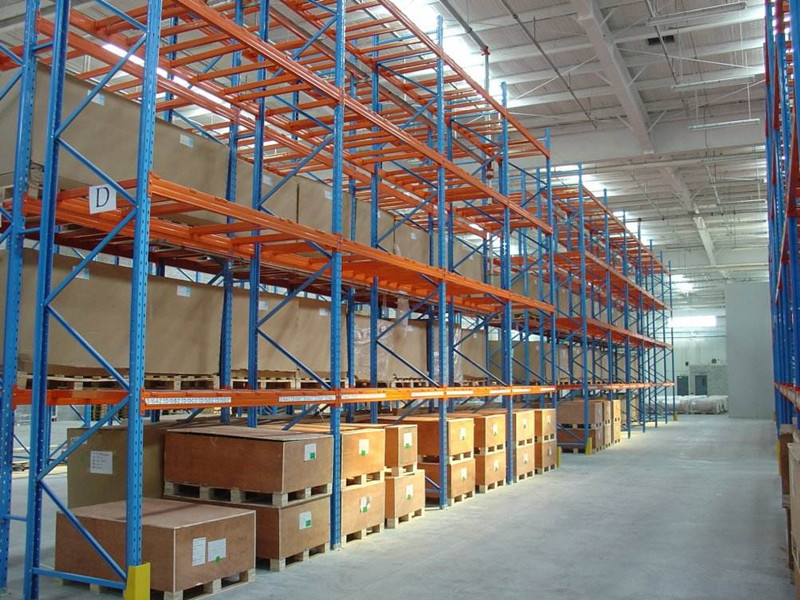
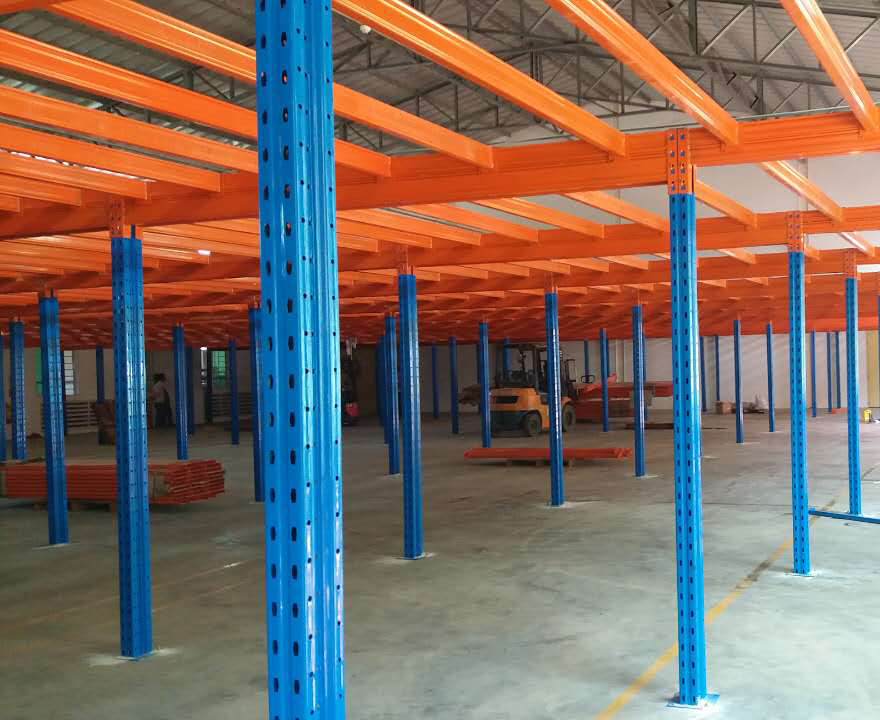
Warehouse operators face a triple constraint: rising real estate costs, labor
shortages, and SKU proliferation. Traditional drive-in racks sacrifice
selectivity and safety, while automated storage a...
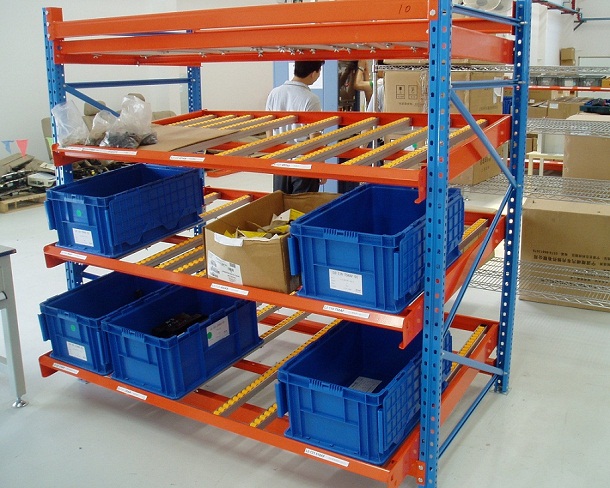
For warehouses handling a diverse mix of SKUs with manual or cart-based
picking, longspan shelving offers a
critical middle ground between light-duty boltless shelves and heavy-duty pallet
racking....
For warehouses handling large volumes of homogeneous SKUs with a Last-In,
First-Out (LIFO) inventory rotation, drive in pallet racks present the highest storage density among conventional pallet rack...
In the domain of heavy industrial storage, the margin for error is measured
in tons, not kilograms. For facilities managing steel coils, automotive
components, bulk raw materials, or oversized machi...
In the contemporary landscape of global logistics and supply chain
management, the physical infrastructure of warehousing is no longer merely about
storage—it is about velocity, accuracy, and struct...
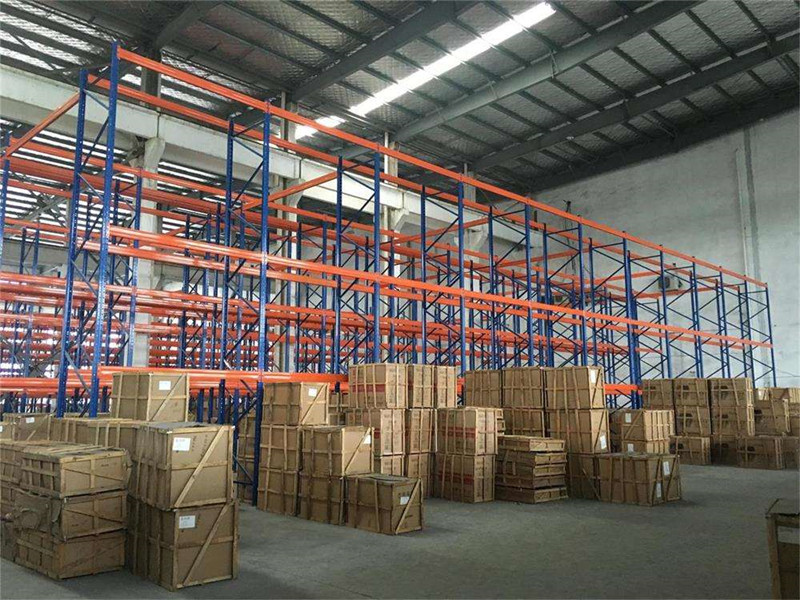
6 Engineering Standards for Optimizing a Selective Rack SystemIn the framework of contemporary logistics, the physical infrastructure of a warehouse must accommodate rapid inventory turnover and a hig...
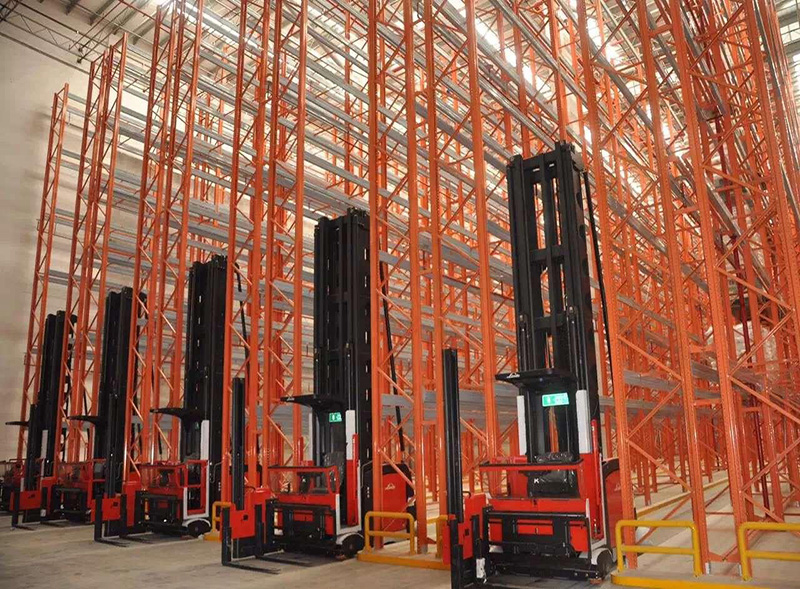
7 Technical Standards for Optimizing Industrial Racking Systems in 2025As global supply chains face increasing pressure for higher throughput and storage density, the physical infrastructure of the wa...
When storage density becomes the primary constraint in warehouse throughput,
conventional selective racking often forces operators to choose between
accessibility and cubic utilization. The einschub...
In modern logistics, the margin between operational profit and loss often
hinges on storage density, retrieval speed, and inventory accuracy. Traditional
static shelving can no longer keep pace with...
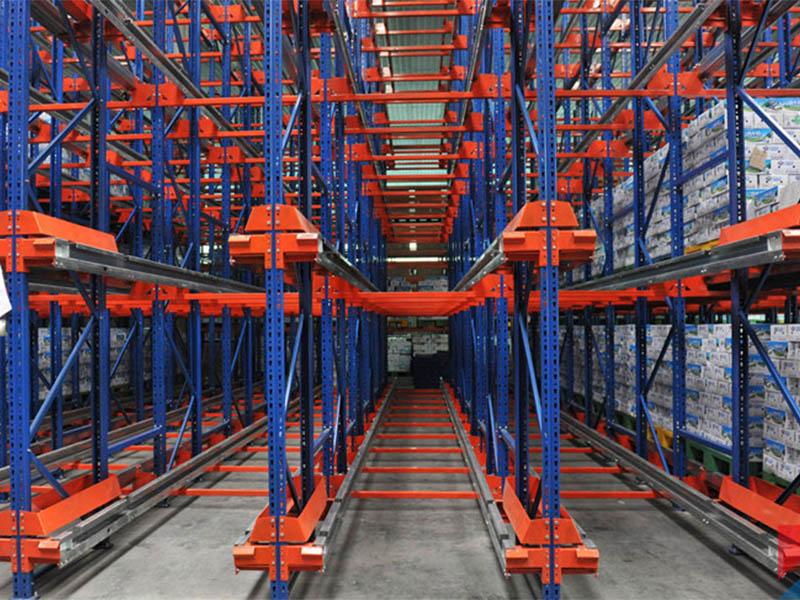
The transition from conventional pallet storage to fully automated warehouses
hinges on one critical infrastructure component: automated
racking. Unlike static selective racks, automated
racking sy...