For warehouses managing SKU proliferation and rising labor costs,
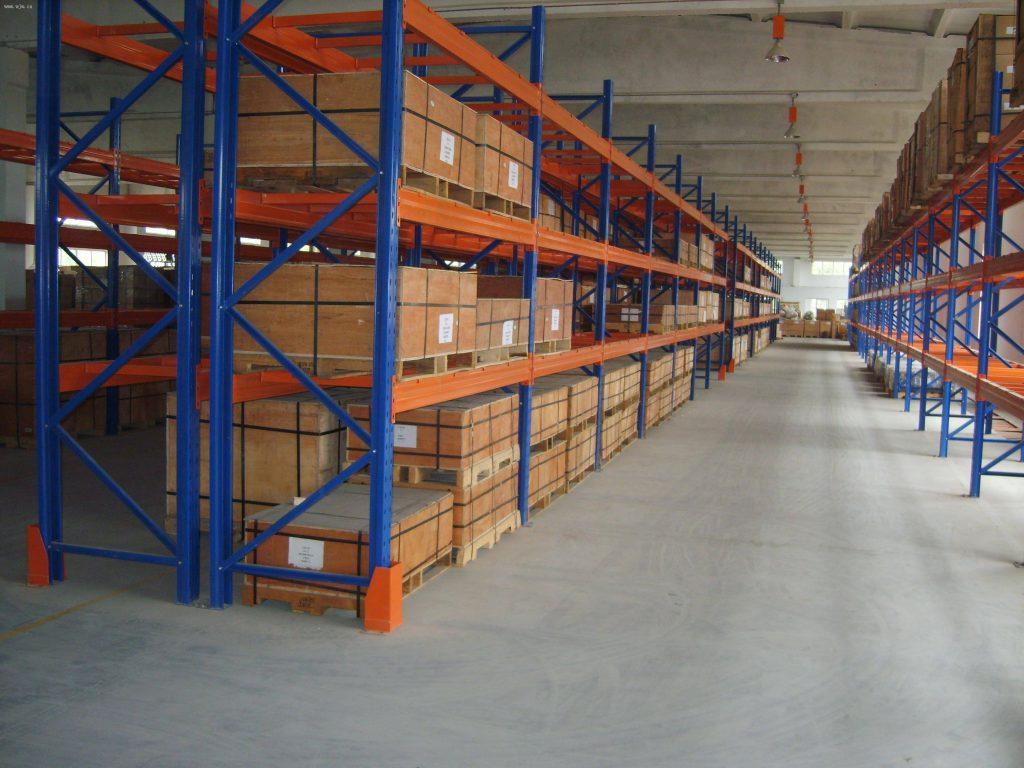
conventional selective racks often underperform in space utilization and
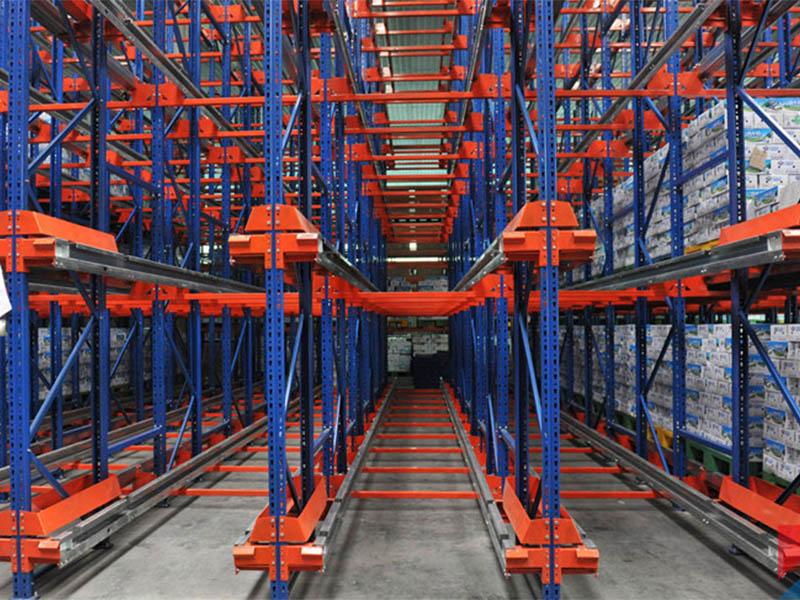
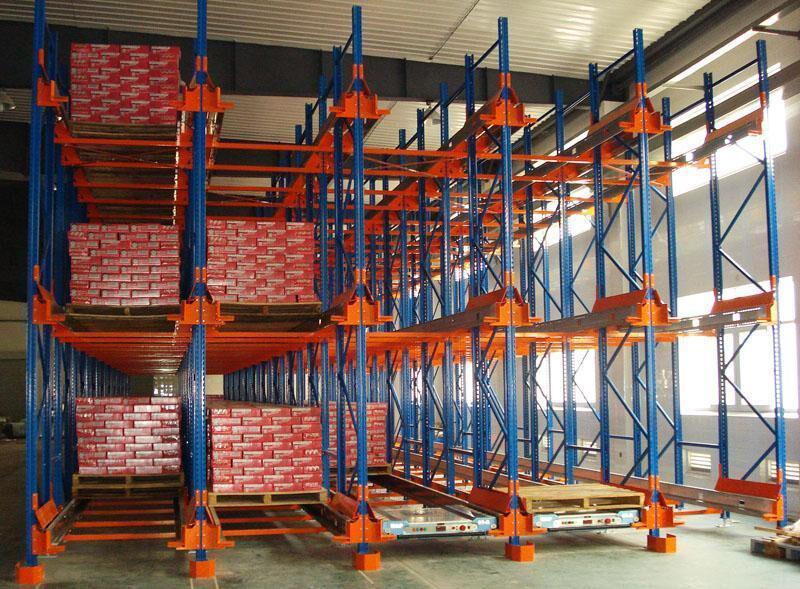
retrieval speed. shuttle
racking (also referred to as auto...
In industrial storage engineering, the performance and safety of a pallet
racking system depend entirely on the quality, compatibility, and maintenance of
its individual components. While many opera...
Warehouse efficiency depends on selecting the correct steel configuration.
Generic pallet
racking systems often fail when faced with mixed pallet sizes, high seismic
zones, or automated retrieval e...
Distribution center operators face a persistent challenge: how to maximize
cubic utilization while maintaining instantaneous access to thousands of SKUs.
Generic shelving or mismatched rack configur...
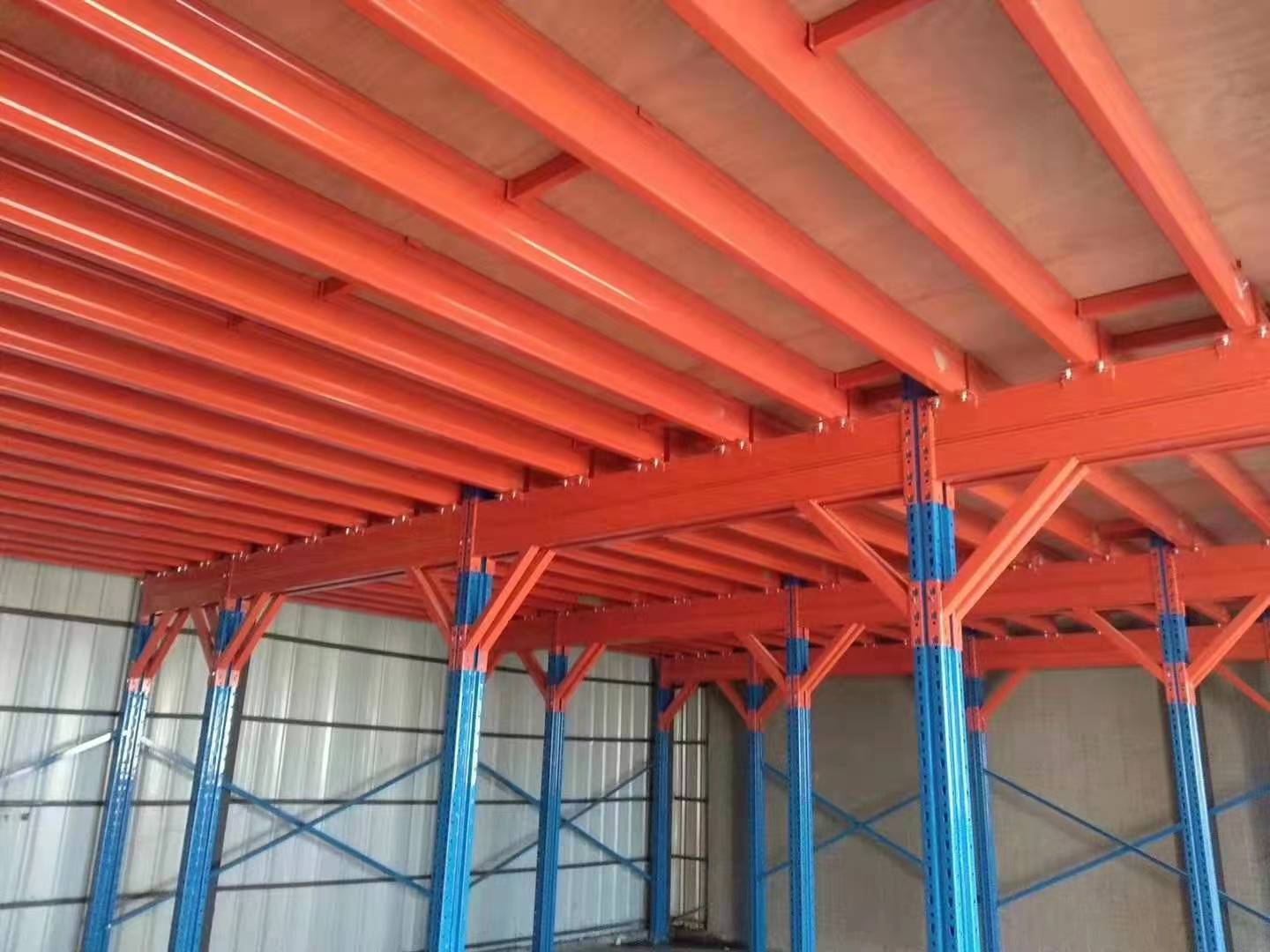
Industrial warehouses typically waste 30–45% of their cubic volume above the
top beam level. A properly engineered mezzanine racking system converts
that overhead void into revenue-generating floor ...
In modern distribution centers, floor space remains one of the most expensive
assets. Standard selective racks offer fast accessibility but waste up to 40% of
potential vertical and depth capacity. ...
Selecting a partner for warehouse storage infrastructure directly impacts
operational safety, space utilization, and total cost of ownership over a 15‑ to
20‑year horizon. Not all racking suppliers ...
Modern distribution centers face a dual mandate: increase throughput while
compressing operating costs. For operations handling palletized goods, the
transition from static racking to automated
pal...
Distribution centers handling over 5,000 pallet movements per day face a
fundamental constraint: manual forklift operations cannot maintain both high
density and rapid accessibility. The solution li...
Warehouse operators and logistics engineers face continuous pressure to
increase storage density without compromising retrieval speed or safety. The
backbone of most high-throughput distribution cen...