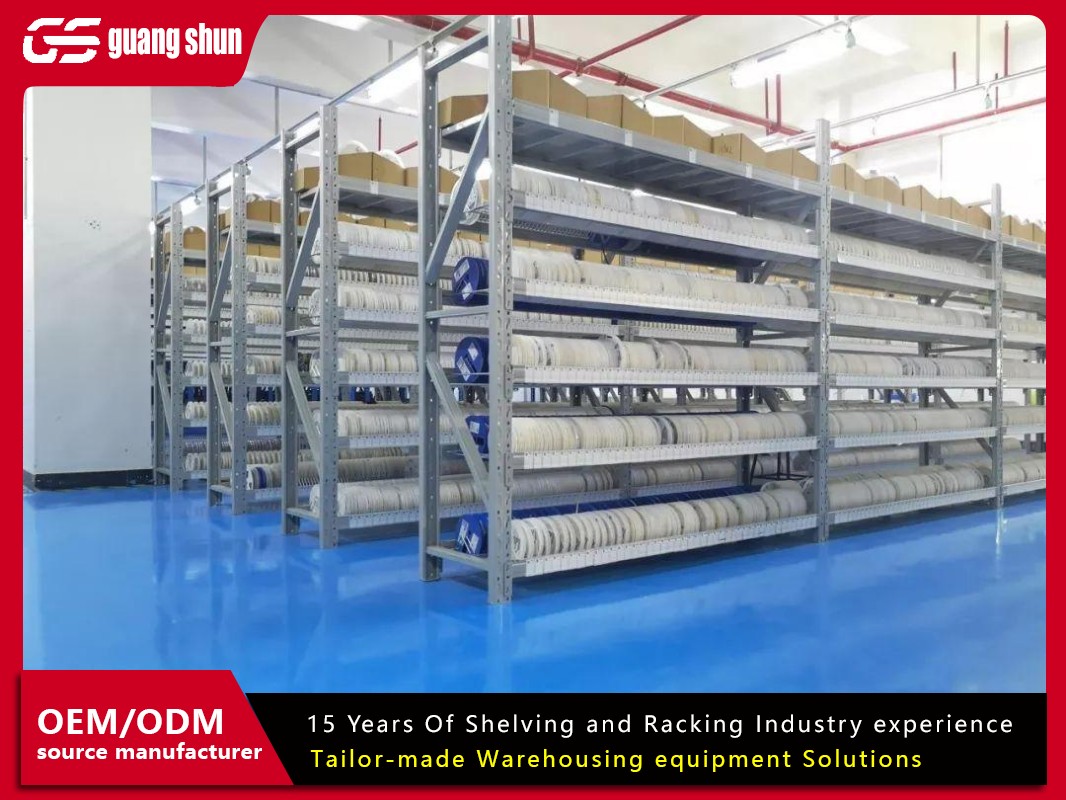
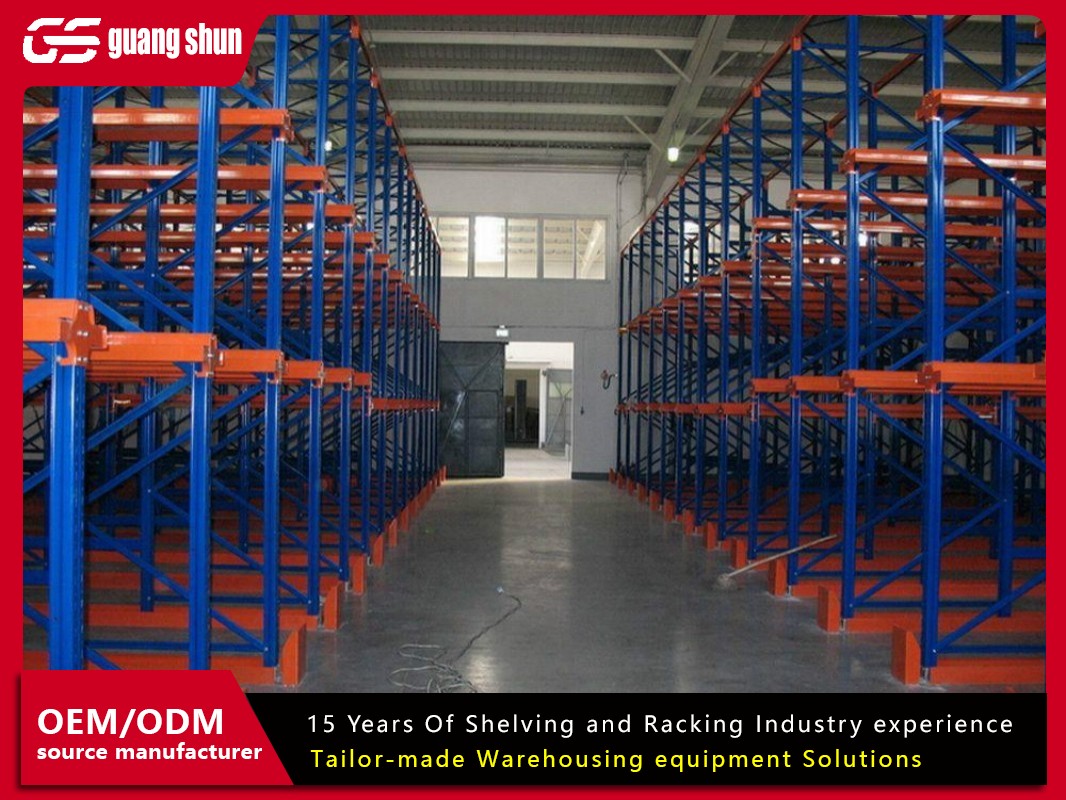
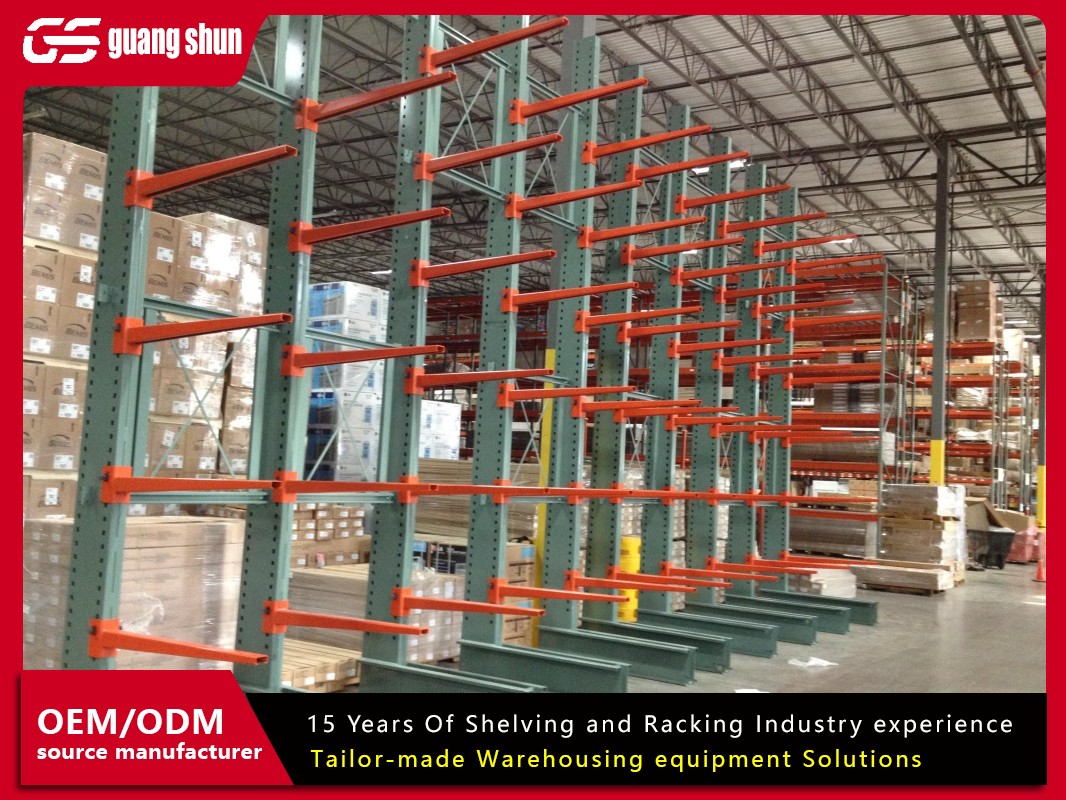
In modern distribution and fulfillment operations, storage density and
accessibility are not trade-offs—they are interdependent variables that must be
optimized simultaneously. Adjustable
warehouse shelving has emerged as the engineering answer to this challenge,
offering modular reconfigurability without compromising structural integrity.
This article examines the mechanical principles, material science
considerations, and operational economics that define high-performance
adjustable shelving systems, drawing on field data from high-throughput
facilities across North America and Europe.
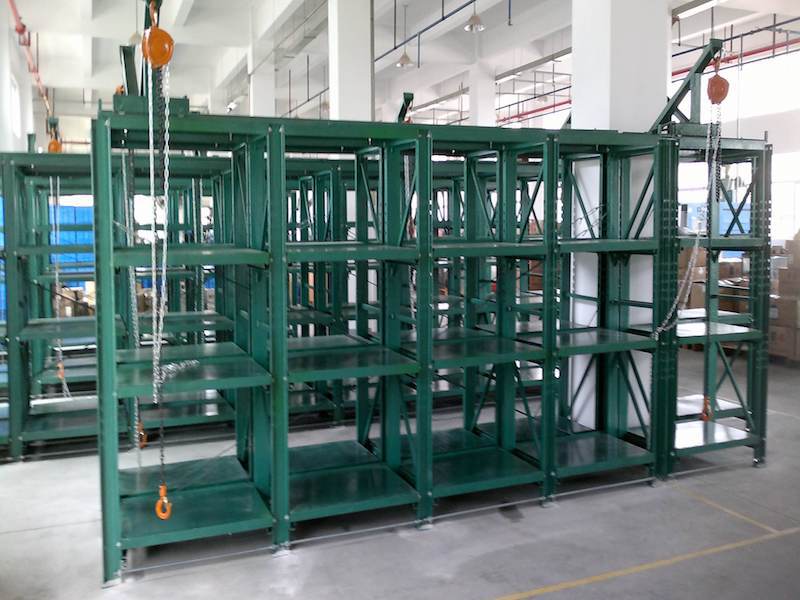
Structural Mechanics of Adjustable Shelving Systems
The foundational advantage of adjustable
warehouse shelving lies in its beam-to-upright connection design. Unlike
fixed welded frames, adjustable systems employ keyhole or clip-in connectors
that allow vertical repositioning of load beams at 50 mm or 75 mm increments.
This seemingly simple feature has profound implications for load distribution:
when beams are repositioned, the column's effective unbraced length changes,
directly affecting the Euler buckling capacity of the uprights.
Engineers must recalculate the system's load-bearing profile after each
reconfiguration. Industry standards—including the RMI (Rack Manufacturers
Institute) and FEM (European Federation of Materials Handling)
guidelines—specify that adjustable shelving must maintain a safety factor of at
least 1.65 against yielding under static loads. For dynamic loads, such as those
encountered in automated guided vehicle (AGV) interfaces, the safety factor
increases to 2.0. These thresholds are non-negotiable for facilities storing
palletized goods, bulk materials, or high-value SKUs.
Material Grade and Section Properties
Most commercial-grade adjustable shelving uses cold-formed steel sections
with minimum yield strengths of 330 MPa to 450 MPa. The upright columns are
typically roll-formed with perforated web patterns that serve dual purposes:
they reduce material weight while providing attachment points for beam
connectors. The perforation geometry—whether round, slotted, or
diamond-shaped—affects both the connector's shear capacity and the column's
torsional stiffness. For heavy-duty applications, adjustable
warehouse shelving systems employ 2.5 mm to 3.0 mm base metal thicknesses,
with galvanized coatings of at least Z275 (275 g/m²) to withstand corrosive
warehouse environments.
Seismic Performance and Anchorage
One often-overlooked aspect of adjustable shelving is seismic behavior. In
regions with moderate to high seismic activity, the adjustability feature must
be paired with proper base plates, anchor bolts, and cross-aisle bracing. The
2021 International Building Code (IBC) requires that non-structural racks
undergo seismic qualification testing when they exceed 2.4 meters in height.
Adjustable systems, due to their multiple beam levels, exhibit complex dynamic
responses. Engineers should specify pallet supports and row spacers that
maintain the system's fundamental frequency above 3 Hz to avoid resonance with
seismic ground motions. Guangshun integrates these
seismic considerations into their engineering protocols, offering site-specific
anchorage designs verified through finite element analysis.
Application Architecture: Matching Shelving to Workflow
The operational value of adjustable shelving is realized when the system is
configured to mirror the facility's inventory velocity and pick methodologies.
Below are four distinct deployment patterns observed in contemporary
warehouses.
High-Density Bulk Storage
For slow-moving SKUs with large unit volumes, adjustable shelving configured
with wide-span beams and deep shelves enables double-deep pallet positioning.
Beam levels are set at 1.8 m, 3.2 m, and 4.5 m heights to accommodate varying
pallet dimensions. This arrangement increases storage density by 22 % to 28 %
compared to single-deep selective racks, while retaining the ability to adjust
beam heights when product dimensions change. Facilities using this model report
an average of 1.7 inventory turns per year for bulk items, with a corresponding
14 % reduction in aisle travel time when combined with VNA (Very Narrow Aisle)
trucks.
Multi-Tier Pick Modules
E-commerce fulfillment centers increasingly deploy adjustable shelving in
multi-tier configurations, where mezzanine floors are integrated with shelving
uprights. Beam levels are set at 0.6 m increments to accommodate totes, cartons,
and polybags across five to seven tiers. The adjustability feature is critical
here—as seasonal product mixes shift (e.g., from lightweight apparel to heavier
electronics), operators can redistribute beam levels to optimize pick-face
density without expensive structural modifications. One Midwest U.S.
distribution center achieved a 31 % improvement in pick efficiency by
reconfiguring their adjustable shelving from a 6-tier to a 5-tier layout with
increased beam heights, reducing stooping motions for pickers.
Service Parts and Tooling Storage
In automotive aftermarket and aerospace MRO (Maintenance, Repair, and
Overhaul) facilities, adjustable shelving supports irregularly shaped items such
as engine blocks, landing gear components, and composite panels. Here, the
adjustability is not about volume but about access ergonomics. Beams are
positioned to keep each part at waist height, minimizing manual handling risks.
Guangshun has supplied
adjustable shelving systems to several Tier-1 automotive suppliers, where the
systems are reconfigured every 6 to 8 months to accommodate new part
introductions—a process that would be cost-prohibitive with fixed shelving.
Cross-Docking and Sortation Buffers
Cross-docking terminals use adjustable shelving as temporary staging buffers
between inbound and outbound dock doors. The shelving is set at two or three
levels, with beam heights adjusted daily based on the volume of incoming
pallets. This dynamic reconfiguration, enabled by clip-in beam connectors,
allows operators to maximize floor utilization during peak surge periods. Data
from a European logistics operator shows that daily reconfiguration of their
adjustable shelving reduced staging overflow by 19 % and cut forklift travel
distances by 12 %.
Economic Analysis: Total Cost of Ownership
When evaluating adjustable warehouse shelving, procurement professionals
often focus on the initial capital expenditure (CAPEX). However, the total cost
of ownership (TCO) over a 15-year lifecycle reveals a more nuanced picture. Key
TCO components include:
Installation and reconfiguration labor: Adjustable systems
typically cost 8 % to 12 % more upfront than fixed shelving, but reconfiguration
labor is reduced by 40 % to 60 % because beams can be repositioned without
welding or cutting. Over five reconfigurations, this labor saving offsets the
initial premium.
Inventory carrying cost: By enabling higher storage
density, adjustable shelving reduces the facility's square footage requirement.
At an average warehouse construction cost of $85–$120 per square foot (U.S.
industrial markets), a 15 % reduction in footprint translates to significant
capital avoidance.
Downtime during modifications: Fixed shelving systems
require 3 to 5 days of downtime for structural changes, while adjustable systems
can be reconfigured over a weekend. For a facility operating at $50,000 per hour
in throughput value, each day of downtime is catastrophic.
Depreciation and residual value: Adjustable systems retain
higher residual value because they can be disassembled and reinstalled in
different layouts or even different facilities. Secondary market data indicates
adjustable shelving retains 55 % to 65 % of its original value after 10 years,
compared to 30 % for welded systems.
For a 50,000-square-foot warehouse operating with 3,000 pallet positions,
switching from fixed to adjustable shelving yields a net present value (NPV)
benefit of approximately $187,000 over a decade, assuming a 7 % discount rate
and three reconfiguration events.
Selection Framework: Ten Technical Criteria
Selecting the right adjustable shelving system requires a systematic
evaluation. Below is a ten-point technical checklist used by industrial
engineers during procurement.
Upright perforation pattern: Verify compatibility with beam
connectors. Not all patterns are interchangeable—some systems use proprietary
clips that lock into specific hole geometries.
Beam connector type: Tear-drop, keyhole, and pin-lock
connectors each have distinct load-transfer characteristics. Tear-drop offers
the highest shear resistance but requires precise alignment during
installation.
Base plate thickness: Minimum 8 mm for systems over 4.5 m
in height. Thinner plates increase the risk of anchor pull-out under seismic
loads.
Finish coating: Powder coating provides superior scratch
resistance compared to liquid paint, but galvanized finishes offer better
corrosion protection in high-humidity environments (above 70 % RH).
Beam step size: The vertical adjustment increment—typically
50 mm or 75 mm. Smaller increments offer finer tuning but increase the number of
beam positions, potentially affecting structural stability if too many unused
holes are left exposed.
Horizontal bracing: Cross-aisle and down-aisle bracing
requirements vary with height and load magnitude. Systems above 6 m require
diagonal bracing on every third bay.
Pallet support bars: For palletized loads, the spacing
between support bars must match the pallet's bottom board configuration. Common
spacings are 200 mm, 250 mm, and 300 mm.
Load deflection limits: Under full rated load, beam
deflection should not exceed L/180 (where L is the beam span). Excessive
deflection can cause pallet instability and product damage.
Fire protection integration: Adjustable shelving must
comply with NFPA 13 sprinkler clearance requirements—typically a minimum of 914
mm between the sprinkler head and the top of stored materials.
Third-party certification: Look for systems tested and
certified by recognized bodies such as RMI, FEM, or TÜV. Certification ensures
that the manufacturer's published load charts are verified through independent
testing.
Guangshun offers
adjustable shelving systems that meet all ten criteria, with load charts
independently validated by TÜV Rheinland. Their engineering team provides
site-specific seismic calculations and fire protection coordination drawings,
reducing the engineering burden on the facility's own staff.
Installation Best Practices and Quality Assurance
Proper installation is as critical as the design itself. Field observations
from multiple installations reveal that approximately 70 % of shelving failures
originate from installation errors rather than material defects. Key quality
assurance steps include:
Floor flatness verification: Base plates must sit on
surfaces with a maximum deviation of ±3 mm over a 3-meter span. Uneven floors
induce eccentric loads on uprights, reducing their effective capacity by up to
18 %.
Torque specifications for anchors: Expansion anchors and
chemical adhesives have specific torque requirements. Under-torquing leads to
premature loosening; over-torquing can fracture the concrete substrate.
Beam leveling: After installation, all beams at the same
level must be within ±2 mm of each other. Even small height variations can cause
uneven load distribution across pallets, leading to beam fatigue over time.
Post-installation load testing: Conduct a static load test
at 110 % of the design capacity for 24 hours. Measure deflection at mid-span and
compare against the L/180 limit. Any deviation indicates a need for
rework.
Many facility managers skip these steps due to schedule pressure, but the
cost of a rework—or worse, a collapse—far outweighs the time investment. A
documented QA/QC process also serves as a critical legal safeguard in the event
of an insurance claim or regulatory audit.
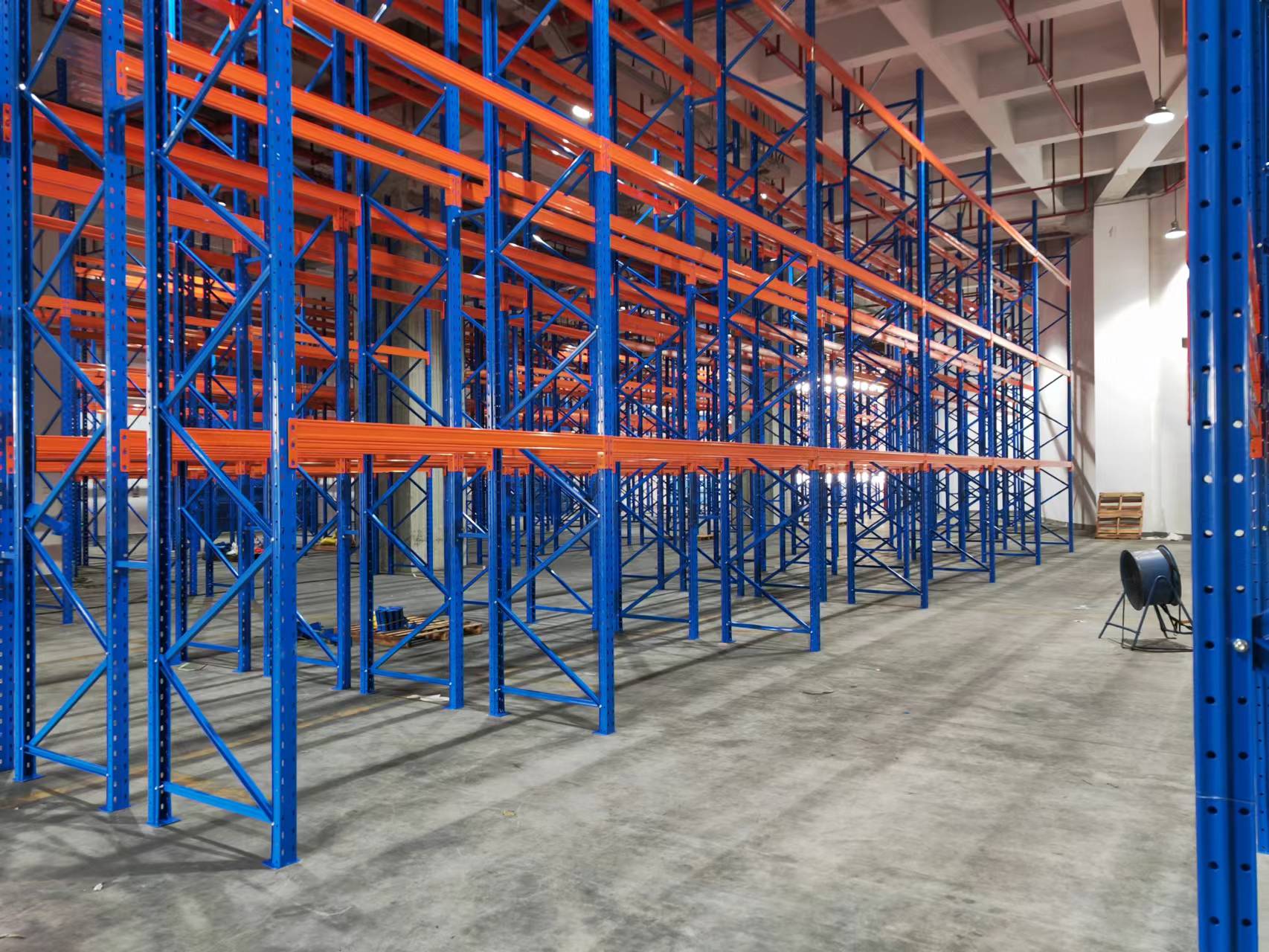
Future Trends: Smart Shelving and IoT Integration
The next frontier for adjustable warehouse shelving involves embedded sensors
and IoT connectivity. Several manufacturers are now offering uprights with
integrated load cells at each beam level, enabling real-time weight monitoring.
When combined with a WMS (Warehouse Management System), this data provides:
Automatic inventory count verification—detecting discrepancies between
system records and actual stored weight.
Predictive maintenance alerts—monitoring beam deflection trends to identify
fatigue before failure occurs.
Dynamic reconfiguration recommendations—the WMS suggests optimal beam
heights based on the current SKU mix and turnover rates.
Early adopters of smart adjustable shelving report a 7 % to 9 % reduction in
inventory carrying costs and a 5 % improvement in order accuracy. While the
upfront cost of sensor-enabled systems is 20 % to 30 % higher than conventional
shelving, the ROI payback period is typically 18 to 24 months in high-throughput
environments.
Adjustable
warehouse shelving is not a commodity product; it is an engineered system
that demands careful attention to structural mechanics, operational workflows,
and lifecycle economics. The ability to reconfigure beam levels without welding
or cutting provides tangible flexibility, but this flexibility must be balanced
against rigorous load calculations, seismic compliance, and installation QA.
Facilities that approach adjustable shelving as a strategic asset—rather than a
passive storage medium—consistently outperform their peers in storage density,
pick efficiency, and total cost of ownership. For organizations seeking a
partner with both engineering depth and application experience, Guangshun offers systems that are
certified, documented, and backed by site-specific engineering support.
Frequently Asked Questions
Q1: What is the maximum load capacity per beam level for adjustable
warehouse shelving?
A1: Load capacity depends on beam span, section
modulus, and upright spacing. For standard industrial-grade adjustable shelving,
single-beam capacities range from 900 kg (2,000 lbs) at a 2.4 m span to 3,600 kg
(8,000 lbs) at a 1.2 m span. Always consult the manufacturer's load chart—these
values are verified through third-party testing and should not be exceeded. For
heavy-duty applications, some systems offer double-beam configurations that
increase capacity by 60 %.
Q2: Can adjustable shelving be reconfigured after it is fully loaded
and operational?
A2: Yes, but reconfiguration requires unloading the
affected bays. The beam connectors are designed for repeated engagement and
disengagement without degradation, provided they are not subjected to excessive
impact loads during the process. For high-frequency reconfiguration (weekly or
daily), facilities should use systems with quick-release pin connectors, which
reduce repositioning time by 50 % compared to bolt-type connections.
Q3: How does adjustable shelving compare to boltless shelving in
terms of structural rigidity?
A3: Boltless shelving uses
friction-fit connections that are less rigid than bolted or clip-in systems.
Adjustable shelving with keyhole or tear-drop connectors typically offers
superior lateral stiffness because the connector engages the upright's
perforation with a positive mechanical lock. In side-load tests, adjustable
clip-in systems show 20 % to 30 % less lateral deflection than boltless systems
under equivalent loads, making them more suitable for high-bay applications
above 5 meters.
Q4: What maintenance is required for adjustable warehouse
shelving?
A4: Routine maintenance includes quarterly inspections for
beam end-connector wear, anchor bolt torque verification, and upright plumbness
checks. Any bent or deformed beams should be immediately replaced. Additionally,
the galvanized coating should be inspected for signs of corrosion—if rust is
detected, touch-up paint or zinc-rich coatings must be applied. Most
manufacturers, including Guangshun, provide maintenance schedules and inspection
checklists with their systems.
Q5: Is adjustable shelving compatible with automated storage and
retrieval systems (AS/RS)?
A5: Yes, but with specific design
considerations. AS/RS shuttles and cranes require precise beam-level alignment
and consistent beam heights across aisles. For AS/RS integration, the adjustable
shelving must be installed with <1 mm height tolerance between adjacent
beams. Some manufacturers offer "AS/RS-ready" adjustable systems with guide
rails and docking interfaces. It is advisable to engage both the shelving
manufacturer and the AS/RS vendor during the early design phase to ensure
interoperability.
Q6: What is the typical lead time for custom-configured adjustable
shelving?
A6: For systems with standard perforation patterns and
beam lengths, lead times range from 4 to 8 weeks from order to delivery,
depending on factory load and coating requirements. Custom configurations—such
as non-standard heights, special coatings, or seismic bracing designs—typically
require 10 to 14 weeks. Facilities planning a reconfiguration should order
components at least 8 weeks in advance to avoid operational gaps.
Q7: Does adjustable shelving require special flooring or foundation
reinforcements?
A7: Standard industrial concrete floors with a
minimum compressive strength of 3,000 psi (20.7 MPa) and thickness of 150 mm are
generally sufficient for shelving systems up to 8 meters in height. However, for
systems above 8 meters or with point loads exceeding 4,500 kg per upright,
foundation reinforcements (such as thickened slabs or grade beams) may be
necessary. A geotechnical survey is recommended for any installation over 6
meters to verify soil bearing capacity.