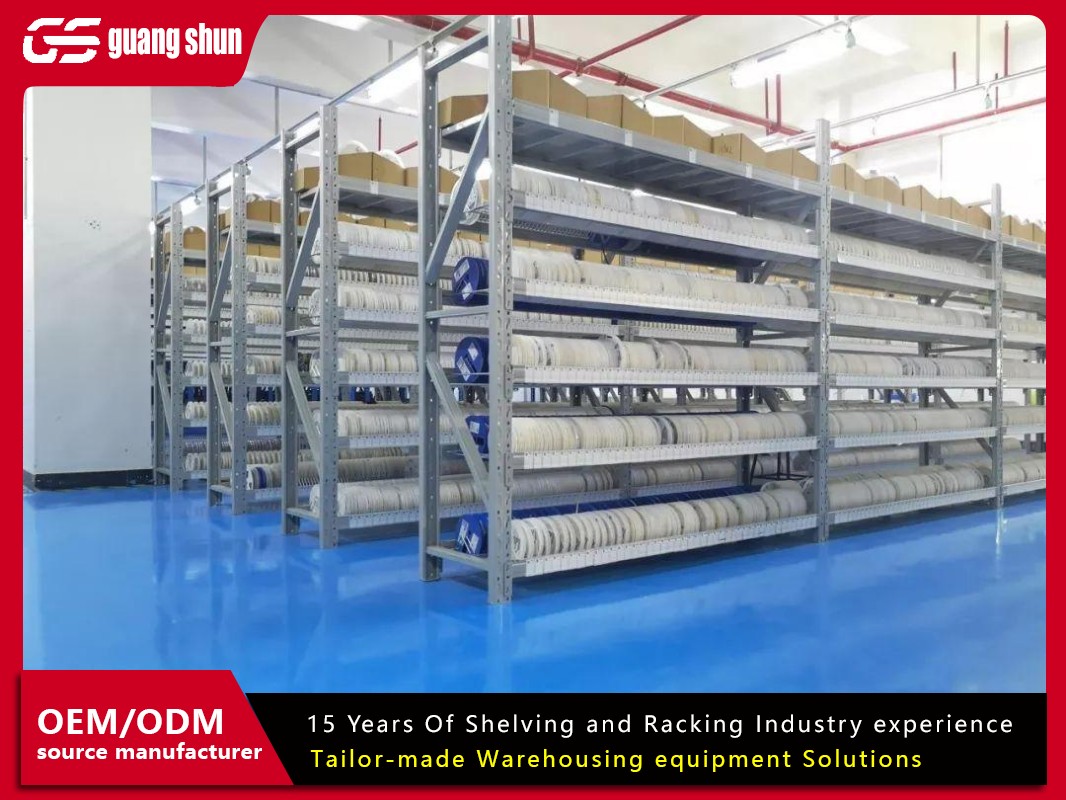
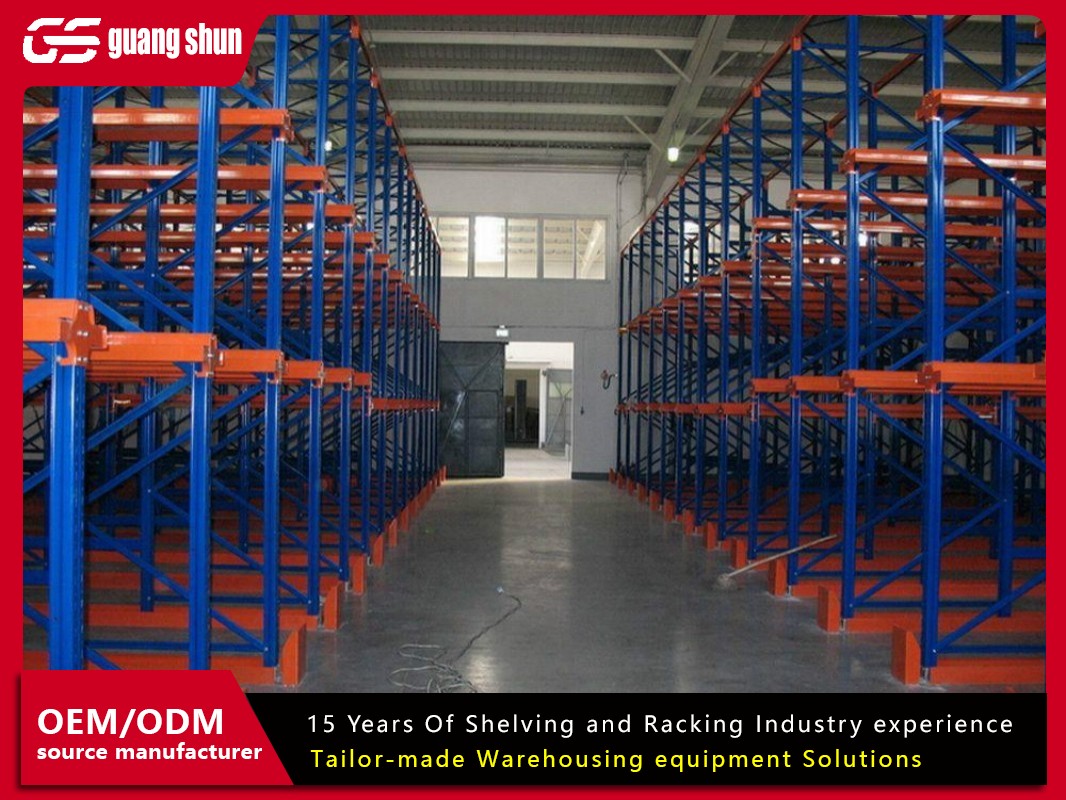
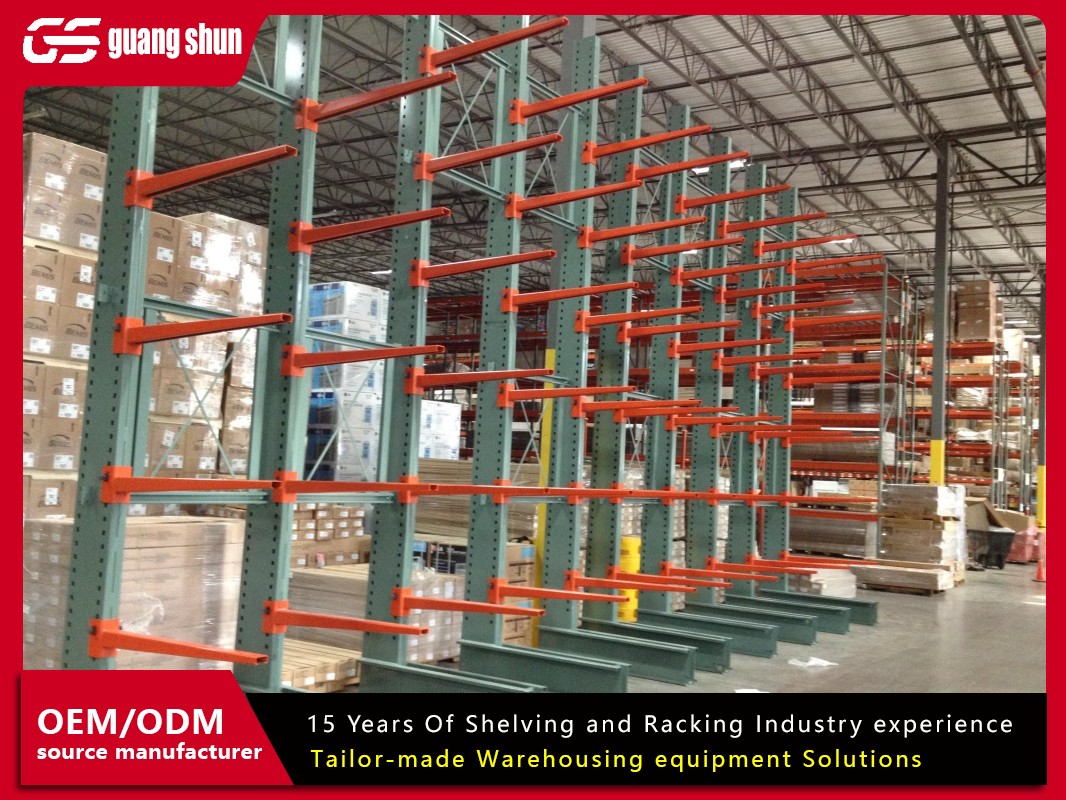
Industrial warehouses, distribution centers, and manufacturing plants require robust storage infrastructures capable of supporting substantial weight loads while maintaining accessibility and safety. estanterias carga pesada represent a fundamental category of storage equipment designed specifically for high-capacity applications. This technical examination covers material properties, structural calculations, configuration strategies, and sector-specific deployments, drawing from ISO standards, FEM guidelines, and real-world facility data.
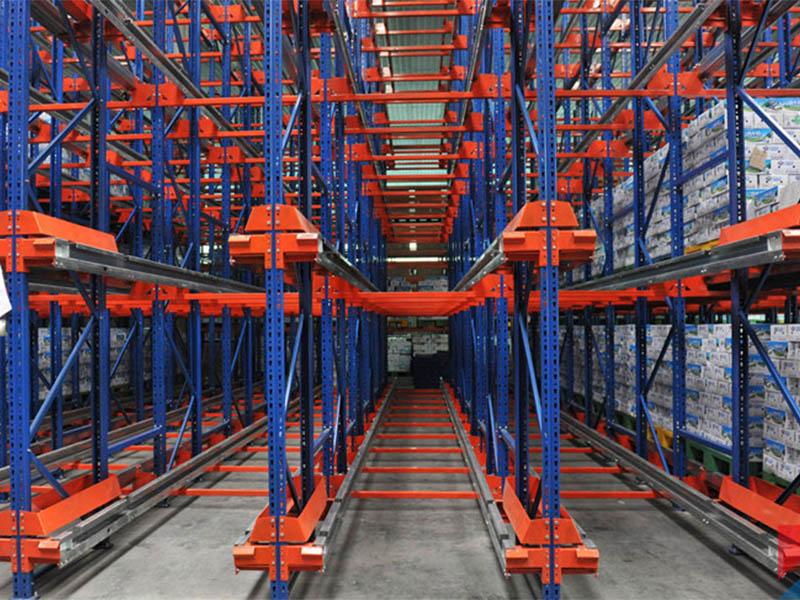
1. Material Grade and Structural Engineering of Heavy-Duty Racking
The performance of any estanterias carga pesada system begins with steel selection and profile design. Most industrial racking structures utilize cold-rolled steel coils with minimum yield strengths of 235 MPa (S235JR) for standard applications, while high-demand environments specify S355MC or S460MC grades offering yield strengths up to 460 MPa. These advanced high-strength steels allow for 15-20% material weight reduction while maintaining identical load-bearing capacities, a critical factor in multi-tier installations.
1.1 Column Profile and Section Modulus
Upright columns—typically manufactured as roll-formed C-sections or cellular columns with perforated webs—determine the overall system stability. Standard column thicknesses range from 1.8 mm to 3.0 mm for pallet racking, with section depths varying from 80 mm to 120 mm. The section modulus (Wx) directly influences resistance to bending moments; a 120 mm depth column with 3.0 mm wall thickness provides a section modulus approximately 2.4 times greater than an 80 mm × 2.0 mm profile. This translates to significantly higher allowable axial loads, with heavy-duty columns capable of supporting up to 18,000 kg per upright under static conditions.
1.2 Beam Connections and Locking Mechanisms
Beam-to-column connections rely on integral tab-and-slot designs with automatic safety locks. These connectors, fabricated from 4.0 mm to 5.0 mm thick steel plates, engage with column perforations at 50 mm or 75 mm pitch increments. Dynamic impact testing per FEM 10.2.03 demonstrates that properly engaged beam locks withstand up to 300% of the rated static load before disengagement, providing a significant safety margin during forklift operations. Guangshun implements reinforced connector geometries with secondary locking pins on all high-capacity systems, reducing the risk of accidental beam dislodgement under vibration.
2. Load Capacity Classification and Calculation Methodologies
Defining accurate load ratings for estanterias carga pesada requires consideration of static, dynamic, and seismic forces. The base calculation—per EN 15629:2008—starts with the uniformly distributed load (UDL) per beam level, typically ranging from 1,000 kg to 5,000 kg for heavy-duty configurations. However, point loads from concentrated cargo must be evaluated separately, as they create higher localized stresses.
2.1 Static Load Verification
Static capacity testing involves applying a test load equal to 100% of the rated capacity to each beam level for a minimum of 24 hours, with deflection measurements taken at mid-span. Acceptable deflection limits per RMI (Rack Manufacturers Institute) standards are L/180 (where L is the beam span), ensuring that beam deflection stays under 8 mm for a typical 1,500 mm span. Load tests at Guangshun facilities use hydraulic rams and laser displacement sensors to verify compliance with these parameters, with test reports provided for each production batch.
2.2 Dynamic and Impact Load Factors
Forklift maneuvering introduces horizontal impact forces that can significantly stress upright frames. Engineering practice applies a dynamic impact factor of 1.3 to 1.6 to static loads, depending on the type of material handling equipment and aisle width. Facilities with narrow-aisle trucks (1.8 m to 2.2 m aisles) often require reinforced base plates and additional floor anchors to resist the higher impact loads generated by swing-mast or turret trucks. For earthquake-prone regions, seismic design per ASCE 7-22 requires equivalent lateral force analysis, with racking systems designed to accommodate ground acceleration coefficients (SDS) of 0.5g to 1.0g.
3. Configuration Customization and Spatial Optimization
Standard pallet racking dimensions—typically 900 mm to 1,200 mm depth, 2,300 mm to 2,700 mm height per bay, and adjustable beam levels at 50 mm increments—serve as baselines for most installations. However, effective estanterias carga pesada implementation frequently requires tailored configurations to match warehouse dimensions, inventory profiles, and material handling workflows.
3.1 Narrow-Aisle and High-Bay Configurations
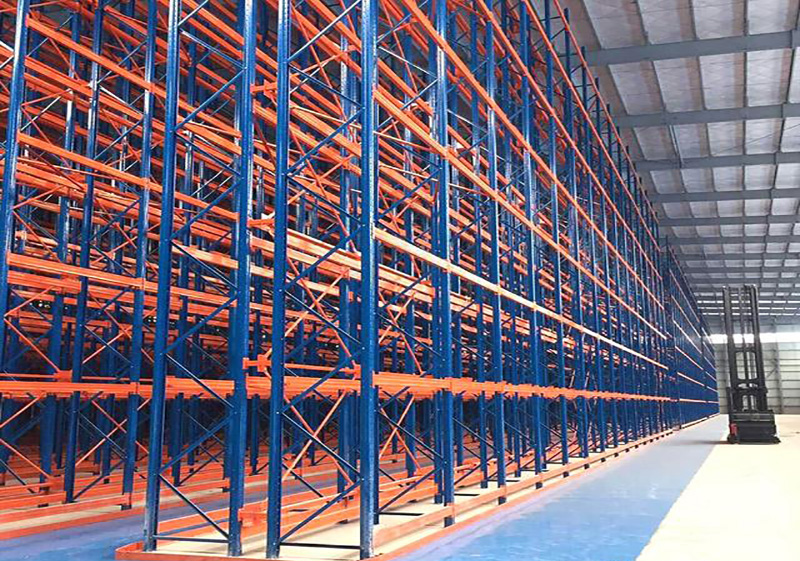
Maximizing volumetric efficiency often involves reducing aisle widths while increasing storage height. Narrow-aisle racking—with aisle widths of 1.8 m to 2.0 m—achieves up to 60% better space utilization compared to conventional wide-aisle layouts (3.2 m to 3.5 m). High-bay systems exceeding 12 m in height require careful calculation of wind loads and seismic responses, with base plates and floor anchors designed to resist overturning moments. For automated storage and retrieval systems (AS/RS), racking structures must accommodate guide rails and shuttle tracks, requiring tighter tolerances (±1.5 mm) on column spacing.
2.3 (Correction: Section 3.2) Beam Level Optimization
Adjustable beam levels allow facilities to adapt to changing inventory dimensions. Effective beam placement follows the Pareto principle: placing fast-moving items at "golden zone" heights (1.2 m to 2.4 m from floor level) reduces picking travel time by 25-35%. For mixed pallet and carton storage, combining wide-span beams (2,700 mm) with wire mesh decks or plywood supports provides flexibility for non-palletized loads. Advanced warehouse management systems (WMS) frequently interface with racking configurations to generate real-time slotting recommendations, further enhancing space efficiency.
4. Safety Standards and Protective Accessories
Operational safety in high-density storage environments depends on both robust racking construction and supplementary protective equipment. Key safety components for estanterias carga pesada installations include:
- Column protectors – Steel or polyurethane guards installed at floor level to absorb forklift impacts, reducing column damage risk by 80%.
- Row-end frames – Reinforced end frames with diagonal bracing to provide longitudinal stability, mandatory for installations exceeding 8 m in height.
- Beam safety clips – Secondary locking devices that prevent beam dislodgement during seismic events or accidental upward forces.
- Pallet support bars – Additional transverse members placed between beams to prevent pallet collapse, particularly for wire mesh decking.
- Load backstops – Vertical mesh panels or bars at the rear of racks to prevent pallets from being pushed through, especially important in drive-in and flow-racking systems.
OSHA 29 CFR 1910.176 mandates clear load capacity signage on each rack bay, with capacities recalculated whenever beam positions change. Regular visual inspections—at least monthly in high-activity facilities—should focus on column straightness, beam deformation, and anchor bolt integrity, with any damage assessed and repaired per manufacturer specifications.
5. Industry-Specific Applications of Heavy-Duty Racking
Different sectors impose unique demands on estanterias carga pesada configurations:
5.1 Automotive Parts Warehousing
Automotive warehouses store engine blocks, transmissions, body panels, and tire assemblies—items weighing 300 kg to 1,200 kg per pallet. Heavy-duty selective racking with 2,500 kg per beam capacity is typical, often combined with cantilever arms for long components like exhaust pipes and drive shafts. These facilities frequently implement sequenced picking systems, where racking layouts mirror assembly line order to reduce picking errors.
5.2 E-Commerce Fulfillment Centers
E-commerce facilities handle mixed pallet sizes and frequent SKU changes. Mobile heavy-duty racking systems—installed on mobile carriages—reduce aisle requirements by up to 50%, significantly increasing storage density for slower-moving inventory. These systems integrate with WMS to reposition racks based on demand forecasting, improving pick-face utilization.
5.3 Food and Beverage Distribution
Cold storage and food-grade warehouses require racking systems with corrosion-resistant finishes. Zinc-aluminum coatings (Zn-Al, 55% Al) provide superior protection in humid, temperature-cycled environments, reducing maintenance frequency. Drive-in racking is popular for high-volume, low-SKU products like beverage pallets, with pallet flow systems enabling FIFO rotation for perishable goods.
5.4 Pharmaceutical and Chemical Warehousing
Pharmaceutical facilities require racking with smooth surfaces, minimal crevices, and cleanability. Stainless steel heavy-duty racks (Grade 304 or 316L) are often specified for cleanroom applications (ISO Class 7 or 8). Integrated spill containment trays and seismic bracing are common requirements for chemical storage, complying with local environmental regulations.
6. Maintenance, Service Life, and Cost Considerations
Proper maintenance extends the operational lifespan of estanterias carga pesada well beyond the typical 15-20 year period. Scheduled maintenance activities should include:
- Annual structural inspections – Professional assessment of column plumbness, beam levelness, and connector integrity, using laser alignment tools and torque wrenches.
- Quarterly surface checks – Visual examination of coating condition, with touch-up painting for scratches exposing base steel.
- Biannual load verification – Confirmation that current loads do not exceed bay ratings, particularly after facility repurposing.
- Immediate after-impact inspections – Any forklift collision should prompt a full structural assessment of the impacted bay and adjacent bays.
The total cost of ownership for heavy-duty racking includes initial purchase price (typically USD 120-300 per pallet position for selective racking), installation costs (USD 30-80 per position), and annual maintenance (approximately 1-2% of initial investment). While upfront costs are significant, the improved space utilization and operational efficiency often yield payback periods under 3 years for well-planned installations.
7. Installation, Anchoring, and Floor Preparation
Proper installation is as critical as racking design. Floor flatness is a primary factor—tolerances per ACI 301-20 require a deviation of less than 6 mm over a 3 m straightedge for racking installations. Anchor bolts (usually M12 to M20, with embedment depths of 100-150 mm) transfer shear and uplift forces to the concrete slab. Epoxy or chemical anchors provide superior holding strength in cracked or post-tensioned floors.
Installation sequences typically follow a bay-by-bay approach: assembling frames, installing beam connectors, and adding diagonal braces before loading. Professional installers use transit levels and tensioned wire strings to ensure vertical alignment within 1/1000 of column height. For systems exceeding 10 m height, temporary guy wires and stabilizers are employed during installation to resist wind loads.
8. Return on Investment and Operational Efficiency
Quantifying the financial benefits of optimized heavy-duty racking involves analyzing multiple operational metrics. A typical facility upgrade from single-level floor storage to 4-tier selective racking (5.5 m height) increases storage capacity by 300-400% without expanding floor space. This translates to lower cost per pallet stored: a 2023 industry benchmark study indicated that modern selective racking systems reduce average storage costs from USD 0.45 to USD 0.18 per pallet per day.
Additional efficiency gains arise from improved organization and accessibility. Reducing travel distances through strategic racking layout—placing high-turnover items near shipping docks—can cut order picking time by 15-25%. Facilities with racking systems report 40-50% fewer misplaced pallets compared to floor-stacked operations, reducing inventory reconciliation efforts. Guangshun offers complimentary layout planning services, analyzing warehouse dimensions, inventory flow patterns, and equipment specifications to propose optimal configuration options.
In conclusion, selecting and implementing appropriate estanterias carga pesada requires a systematic evaluation of load requirements, spatial constraints, operational workflows, and safety standards. By prioritizing engineered designs, quality materials, and professional installation, warehouses achieve substantial improvements in storage density, operational safety, and long-term cost efficiency.
Frequently Asked Questions
Q1: How do I determine the required load capacity for my heavy-duty racking system?
A1: Start by calculating the maximum weight per pallet or stored unit, adding a 20-25% safety margin for dynamic forces. Then, multiply by the number of units per beam level to find the per-level load. Evaluate the total load per bay (sum of all levels) to size columns and base plates. Consult the racking manufacturer's load charts and consider using a structural engineer for complex or high-capacity requirements. For assistance with load calculations, Guangshun provides technical support and detailed capacity tables.
Q2: What are the typical dimensions for heavy-duty pallet racking?
A2: Standard beam lengths range from 1,500 mm to 3,000 mm (custom lengths up to 4,500 mm). Column heights are typically 3,500 mm to 8,000 mm, with 50 mm beam level increments. Frame depths commonly measure 900 mm, 1,000 mm, or 1,200 mm. However, most manufacturers offer comprehensive customization services. For example, Guangshun produces racking in virtually any size to match specific warehouse layouts and pallet dimensions.
Q3: Which surface treatment offers the best corrosion resistance for cold storage environments?
A3: For cold storage (below 0°C) or high-humidity environments, hot-dip galvanizing per ISO 1461 (minimum 65 µm zinc coating) is the industry standard. For extremely corrosive conditions (e.g., coastal or chemical facilities), zinc-aluminum (Zn-Al) coatings or stainless steel (Grade 304) are recommended. Powder coating, while providing good aesthetics and scratch resistance, is generally less durable in high-moisture conditions.
Q4: How can I maximize storage density within a limited floor space?
A4: Density optimization strategies include: (1) Implementing narrow-aisle racking to reduce aisle widths, (2) Utilizing high-bay configurations to maximize vertical space, (3) Considering drive-in or push-back racking for high-volume SKUs, (4) Using double-deep racking with appropriate forklift attachments, and (5) Integrating flow racking for FIFO inventory rotation. A professional layout analysis can determine the best combination; Guangshun offers free layout planning based on your facility drawings and operational data.
Q5: What is the expected delivery timeline for customized heavy-duty racking?
A5: Standard configurations typically ship within 15-25 working days from order confirmation. Custom designs—involving non-standard dimensions, specialized coatings, or heavy-gauge materials—generally require 30-45 working days. Expedited manufacturing (10-15 days) is available for urgent projects. All orders include professional packaging with corner protectors and edge bracing to prevent in-transit damage. Exact timelines should be confirmed with the supplier during quotation.
Q6: How often should heavy-duty racks be professionally inspected?
A6: Industry best practices recommend a thorough professional inspection at least annually, with visual checks performed by trained personnel monthly. After any forklift impact or seismic event exceeding local building code thresholds, immediate inspections are required. Many facilities also conduct bi-annual load verifications to confirm that current loads align with the rack's structural capacity. Inspection reports should be retained for insurance and regulatory compliance purposes