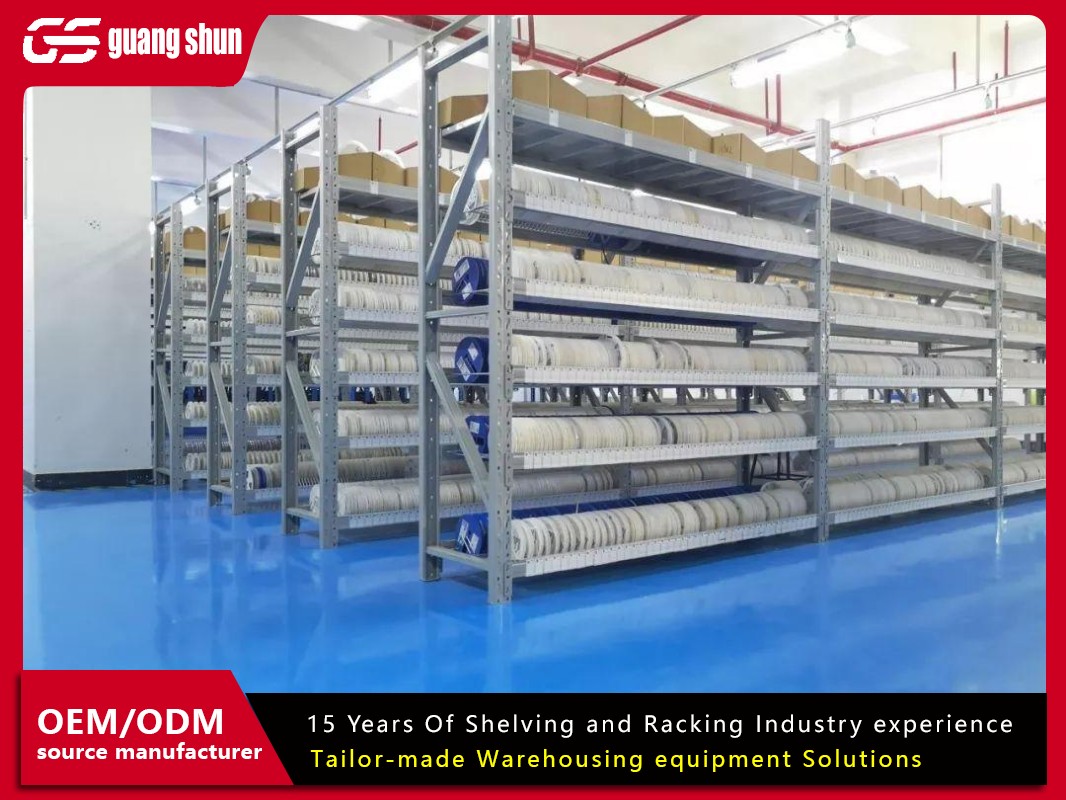
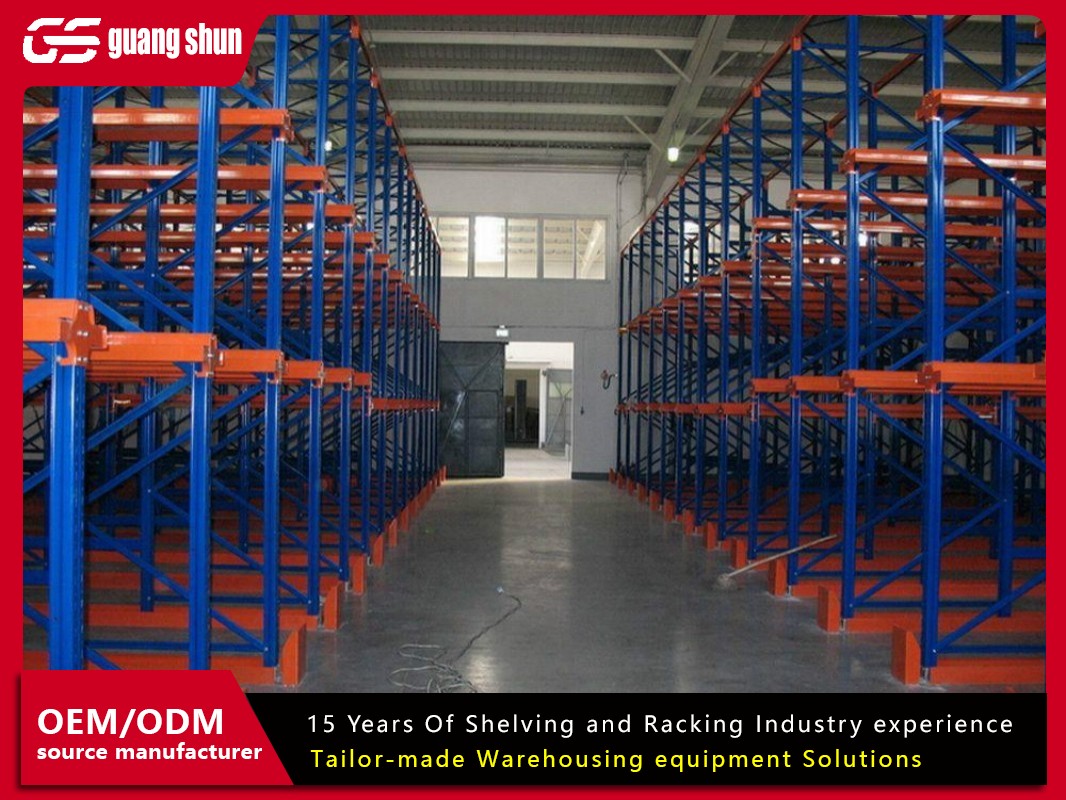
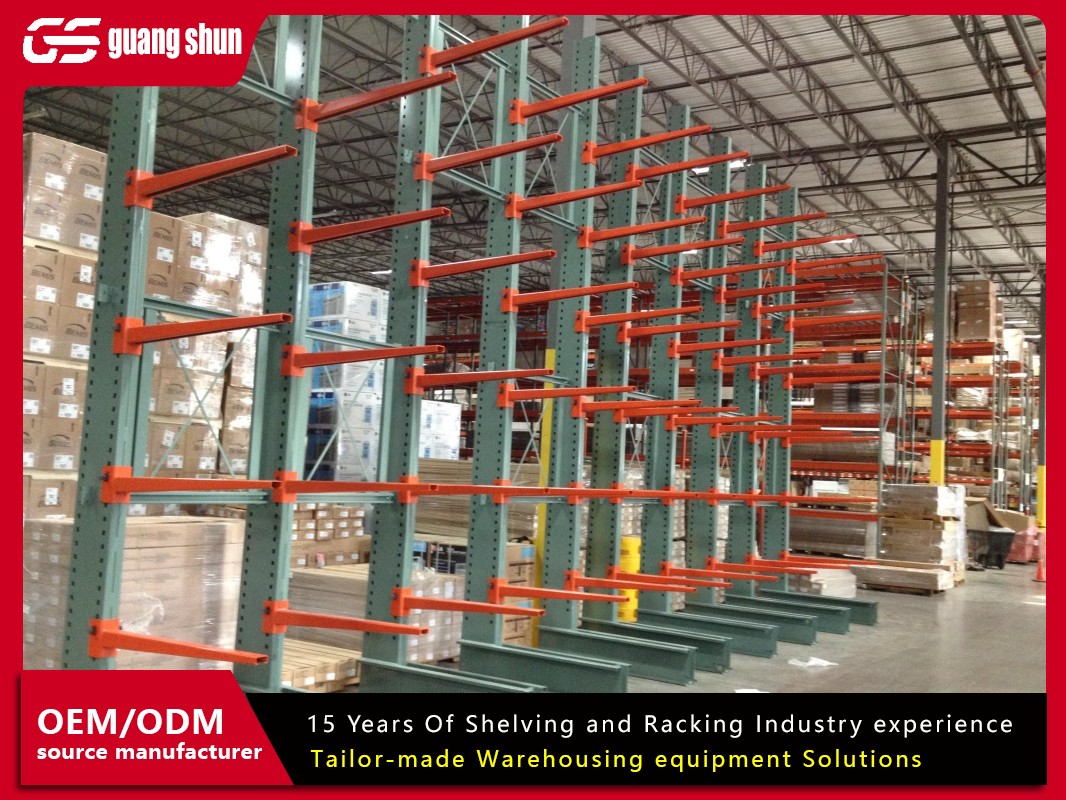
Selecting the appropriate pallet racking and shelving configuration directly influences warehouse operational efficiency, safety margins, and capital expenditure. This technical review moves beyond generic comparisons to examine the mechanical behavior of upright frames, beam connections, and decking materials under dynamic loading. We also address seismic performance, corrosion protection, and integration with material handling equipment – factors that determine the service life of any storage structure.
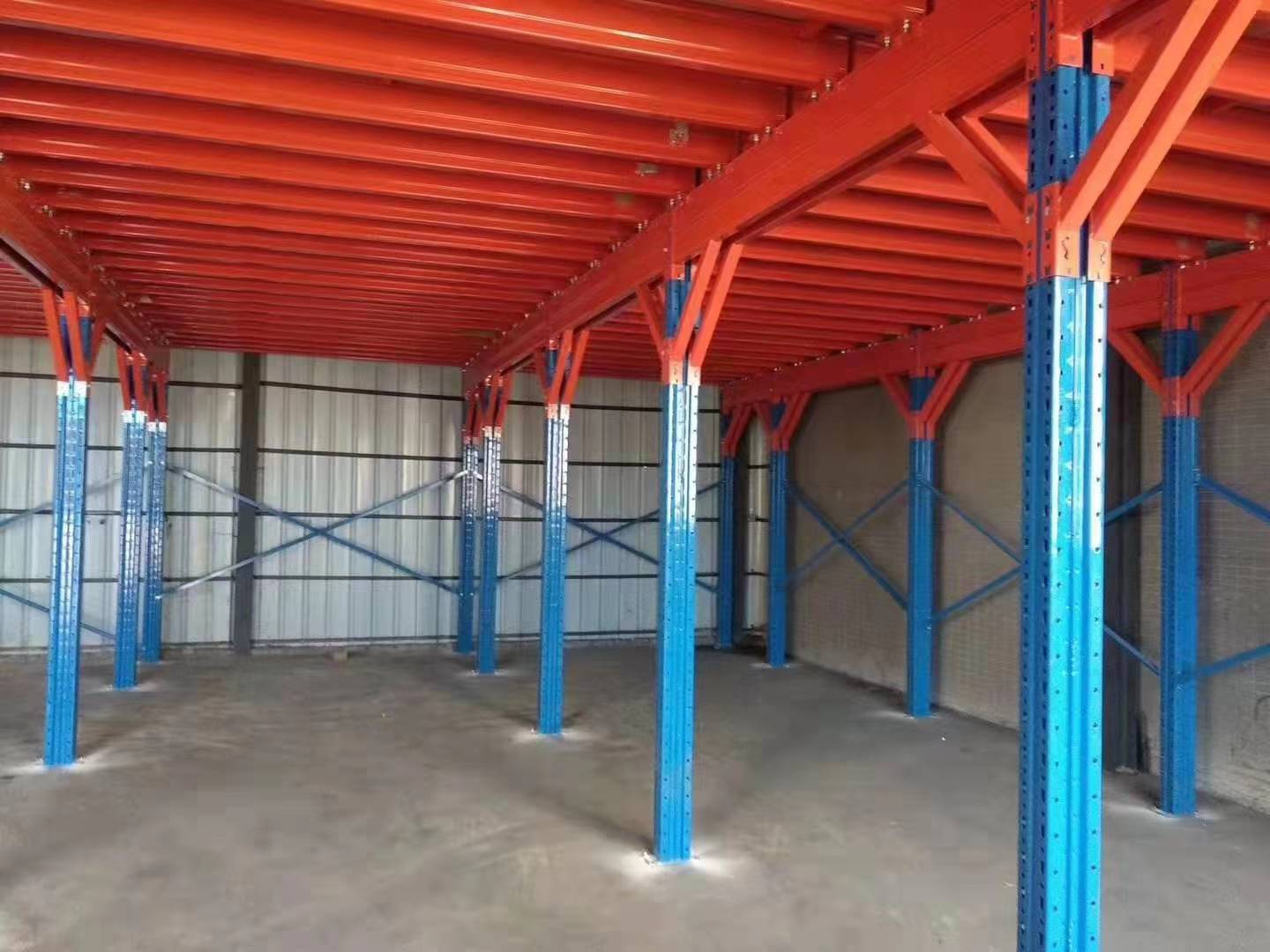
1. Fundamental Load Paths in Rack Structures
Every pallet racking and shelving system must transfer vertical loads (pallet weight + beam self-weight) and horizontal forces (fork truck impacts, seismic, wind) through the uprights to the floor anchors. The primary components include:
- Upright columns – cold-formed steel sections with punched holes at 50 mm or 75 mm pitch
- Step beams – box or C-section beams with integral locking clips
- Wire decking or particle boards – distributing point loads from pallet feet
- Base plates and floor anchors – chemical or mechanical anchors with pull-out resistance ≥ 15 kN
Finite element analysis (FEA) shows that beam-to-column connections account for 40% of the system's overall stiffness. Loose or worn clips introduce localized bending moments that accelerate column fatigue. Regular torque verification (every 12 months) is a recommended practice.
2. Application-Driven Selection Criteria
The choice among selective, drive-in, push-back, or flow racking variants of pallet racking and shelving depends on four measurable parameters: SKU velocity, pallet dimensions, floor space cost, and average inventory depth. We break down the decision matrix:
- Selective (single-deep) – best for high-turnover SKUs with 100% selectivity; typical aisle width 2.7–3.0 m; retrieval rate up to 18 pallets/hour per operator.
- Double-deep – increases density by 30% but requires reach trucks; selectivity drops to 70% (only front pallet accessible without relocation).
- Drive-in/drive-through – maximizes density (up to 85% space utilization) but uses LIFO or FIFO with reduced structural stability; requires heavier gauge steel.
- Push-back and flow – offer high density with better rotation; flow racking uses rollers for FIFO, while push-back uses nested carts for LIFO.
For cold storage environments, the steel grade must maintain toughness at -30°C (minimum Charpy V-notch impact energy of 27 J). Guangshun provides sub-zero certified systems with specially formulated anti-friction coatings.
3. Seismic Design Considerations
In regions with peak ground acceleration > 0.2g, conventional pallet racking and shelving must incorporate ductile connections and energy dissipation devices. Key engineering countermeasures:
- Base isolation – elastomeric pads that reduce transmitted acceleration by 40–50%
- Cross-aisle bracing – X-bracing in down-aisle direction, with slotted connections to allow controlled movement
- Pallet restraints – wire mesh back panels or drop-in bars preventing pallets from sliding off beams
- Anchorage design – oversize holes with heavy-duty washers to accommodate 12 mm lateral displacement
Per ASCE 7-22, the seismic load factor for storage racks is 1.5 times that of ordinary building structures due to the dynamic magnification from live loads. We recommend a full modal analysis for racks exceeding 15 m in height.
4. Material Durability and Corrosion Management
Industrial environments present aggressive conditions: humidity, chemical vapors, and abrasion from forklift traffic. Protective measures for pallet racking and shelving include:
- Hot-dip galvanizing (≥ 85 µm coating) – ideal for outdoor or wet areas, salt spray resistance > 1,000 hours
- Powder coating – polyester or epoxy-polyester blends, thickness 60–80 µm, with impact resistance ≥ 20 in-lb
- Zinc-aluminum flake coatings – for thin-wall sections requiring close hole tolerances
- Cathodic protection – sacrificial zinc anodes attached to base plates in highly corrosive zones
Accelerated weathering tests (ASTM B117) indicate that proper coating extends the first maintenance interval from 5 to 12 years. Guangshun offers a 10-year perforation warranty on its galvanized range.
5. Integration with Automated Storage and Retrieval Systems (AS/RS)
Modern warehouses often combine robotic shuttles with conventional pallet racking and shelving frames. This hybrid approach requires:
- Rail systems mounted on beam levels with ± 1 mm precision
- Communication interfaces between the rack control unit and WMS (OPC UA or Profinet)
- Dedicated maintenance aisles for shuttle retrieval – typically 150 mm wider than the shuttle itself
- Load positioning sensors that verify pallet overhang (≤ 20 mm) before shuttle entry
Data from 18 integrated installations show that shuttle-based systems achieve 220 pallet moves per hour per aisle, compared to 45 moves for manual reach-truck operations. However, the structural stiffness must be increased by 25% to handle the shuttle's dynamic braking forces.
6. Load Capacity Tables and Safety Factors
Industry standards (RMI MH16.1, FEM 10.2.02) prescribe a minimum safety factor of 1.5 against yield strength for beam deflection (L/180) and column buckling. When specifying pallet racking and shelving, engineers must consult capacity charts that account for:
- Beam span (typically 2.4 m to 3.6 m)
- Beam spacing (vertical pitch)
- Eccentric load effects – a pallet shifted 100 mm from center reduces beam capacity by 12%
- Combined axial and bending stresses in uprights (interaction ratio ≤ 1.0)
For example, a 2.7 m beam with 2,500 kg uniform load requires a section modulus of at least 45 cm³. We always recommend a 10% de-rating for warehouses with frequent truck impacts or uneven floor surfaces.
7. Installation Tolerances and Floor Flatness
Poor floor conditions are a leading cause of premature rack failure. Critical parameters for pallet racking and shelving installation:
- Maximum deviation under each base plate: ± 3 mm over 3 m
- Adjacent column plumbness: 1:500 (height to deviation ratio)
- Floor flatness: Fmin ≥ 35 (using F-number system) for fork truck aisles
We use laser-guided theodolites during installation and provide shim packs of 1 mm, 2 mm, and 5 mm thickness for fine adjustment. Post-installation, a load test with 110% of maximum rated weight is performed on 10% of the bays, measuring deflection at mid-span.
8. Fire Protection and Sprinkler Clearance
NFPA 13 mandates specific clearance between rack beams and sprinkler heads. For pallet racking and shelving with in-rack sprinklers, the vertical clearance from the deflector to the top of the pallet must be at least 300 mm. Design implications:
- Increased beam depth (150 mm instead of 100 mm) to accommodate sprinkler pipes
- Flanged beam ends that do not obstruct water spray patterns
- Heat-resistant coatings (silicone-modified) for areas near high-temperature processes
We coordinate with fire engineers early in the layout phase to avoid costly retrofits. A recent project achieved 15% lower insurance premiums by implementing ESFR (Early Suppression Fast Response) sprinklers integrated with the rack structure.
9. Economic Analysis: TCO Over 15 Years
A total-cost-of-ownership comparison between economy-grade and premium pallet racking and shelving reveals that upfront savings of 20% can lead to 60% higher maintenance costs after year 8. Our model includes:
- Initial material and installation
- Annual inspections (visual + torque check)
- Replacement of damaged beams (average 2% per year in high-impact zones)
- Repainting or re-galvanizing (every 10 years for powder-coated systems)
- Downtime losses during repairs (estimated at $2,500 per hour for large DCs)
Using high-grade steel (Grade 550 MPa vs. 350 MPa) reduces column weight by 18% and extends fatigue life by 40%. Guangshun provides a lifecycle cost calculator that accounts for regional labor and energy costs.
10. Future-Proofing with Modular Design
Adaptability is a key attribute of modern pallet racking and shelving. Modular connectors (boltless or bolted) allow reconfiguration without welding. We advise clients to:
- Oversize uprights by one gauge to accommodate future height extensions
- Install additional anchor slots for repositioning base plates
- Use universal beam connectors compatible with multiple beam profiles
- Reserve 15% spare beam inventory for quick replacements
This approach has enabled warehouses to shift from selective to double-deep configurations within a single weekend, responding to seasonal SKU changes without major capital outlays.
Frequently Asked Questions (FAQ)
Q1: How do I determine the correct beam capacity for my pallet loads?
A1: Start with the maximum pallet weight, including pallet itself. Multiply by 1.5 (safety factor) and divide by the number of beams supporting the pallet (usually two). Then check the manufacturer's load table for the selected beam length and profile. Always consider dynamic forces from forklift dropping – add 25% impact factor if no shock-absorbing floors.
Q2: Can I mix different brands of uprights and beams in one system?
A2: Not recommended. Hole patterns, clip dimensions, and steel grades vary between manufacturers. Mixing voids structural certifications and may lead to connection failure. If expansion is needed, we advise replacing the entire bay or using adaptor plates – but these reduce capacity by 15%.
Q3: What is the acceptable column deflection under full load?
A3: For static loads, the lateral deflection at the top should not exceed H/500 (where H is the column height). Under seismic or wind, H/200 is permitted. Excessive deflection indicates undersized columns or insufficient bracing. Use laser alignment checks annually.
Q4: How often should professional rack inspections be conducted?
A4: At minimum, a qualified engineer should perform a detailed inspection every 12 months. High-activity warehouses (≥ 2 shifts) require quarterly visual checks by trained staff. Inspection reports should include photos, torque measurements, and corrosion assessments. Guangshun offers certified inspection services compliant with OSHA and HSE guidelines.
Q5: What is the difference between roll-formed and structural steel racking?
A5: Roll-formed racking uses cold-formed steel (thickness 1.8–3.0 mm) with perforated holes – lightweight, cost-effective, and widely used for selective and drive-in systems. Structural steel racking uses hot-rolled sections (thickness ≥ 4 mm) with welded connections, providing higher impact resistance and load capacity (up to 6,000 kg per beam), but at higher cost and longer lead times.
Q6: Can pallet racking be installed outdoors without a roof?
A6: Yes, but only with hot-dip galvanizing and special wind bracing. Outdoor racks must be designed for snow loads, wind uplift, and UV degradation of any synthetic components. We recommend a minimum clearance of 600 mm from the ground to prevent flood damage and corrosion from splash.
Q7: How do I calculate the total number of pallet positions for a given warehouse area?
A7: Use the formula: (Aisle length ÷ (pallet depth + gap)) × (number of bays) × (levels). Account for 75 mm clearance between pallets, 100 mm from wall, and 150 mm from sprinklers. Also subtract 10% for column obstructions and fire aisle requirements. For detailed layouts, we provide 3D modeling with live capacity updates.