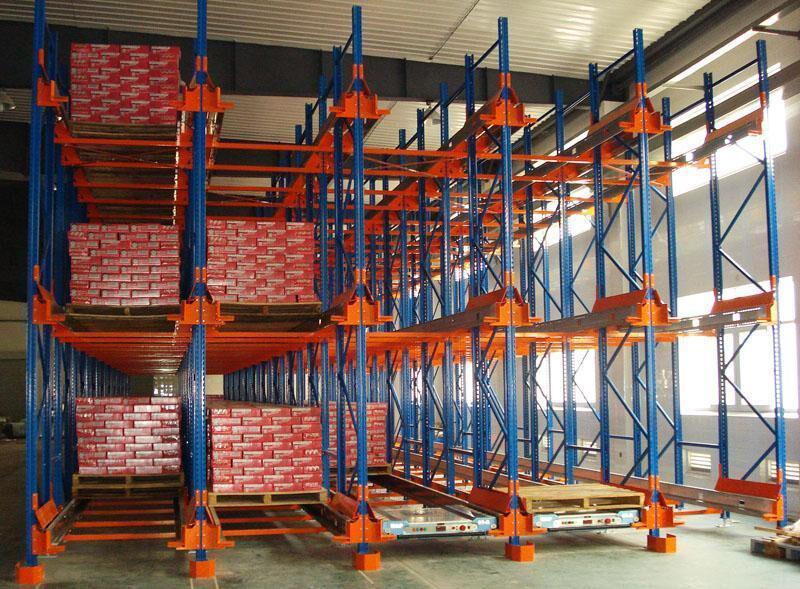
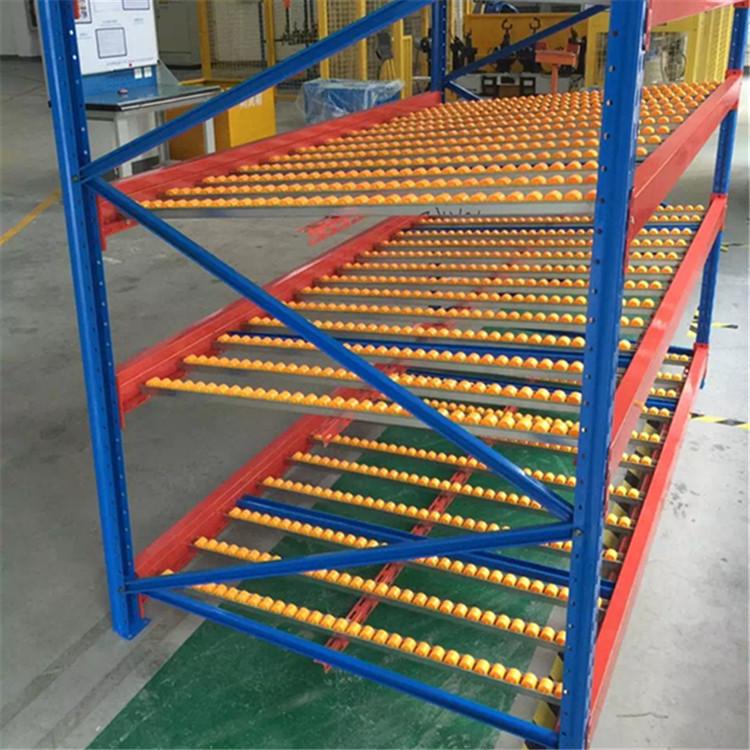
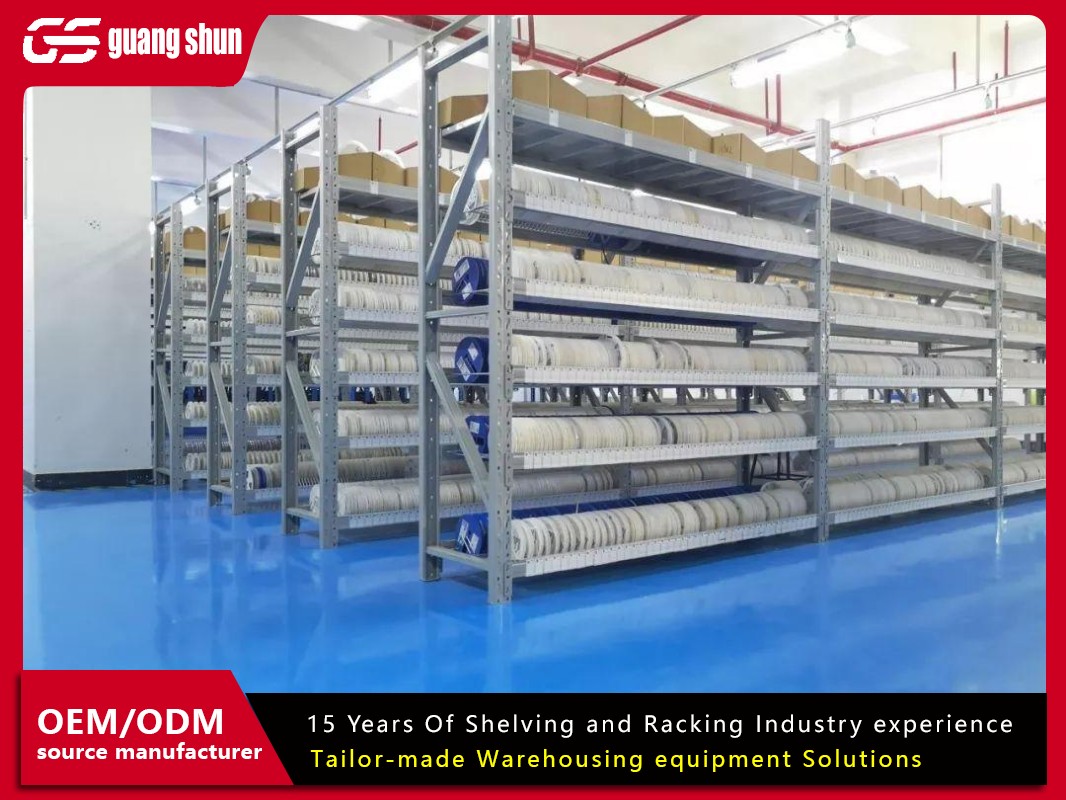
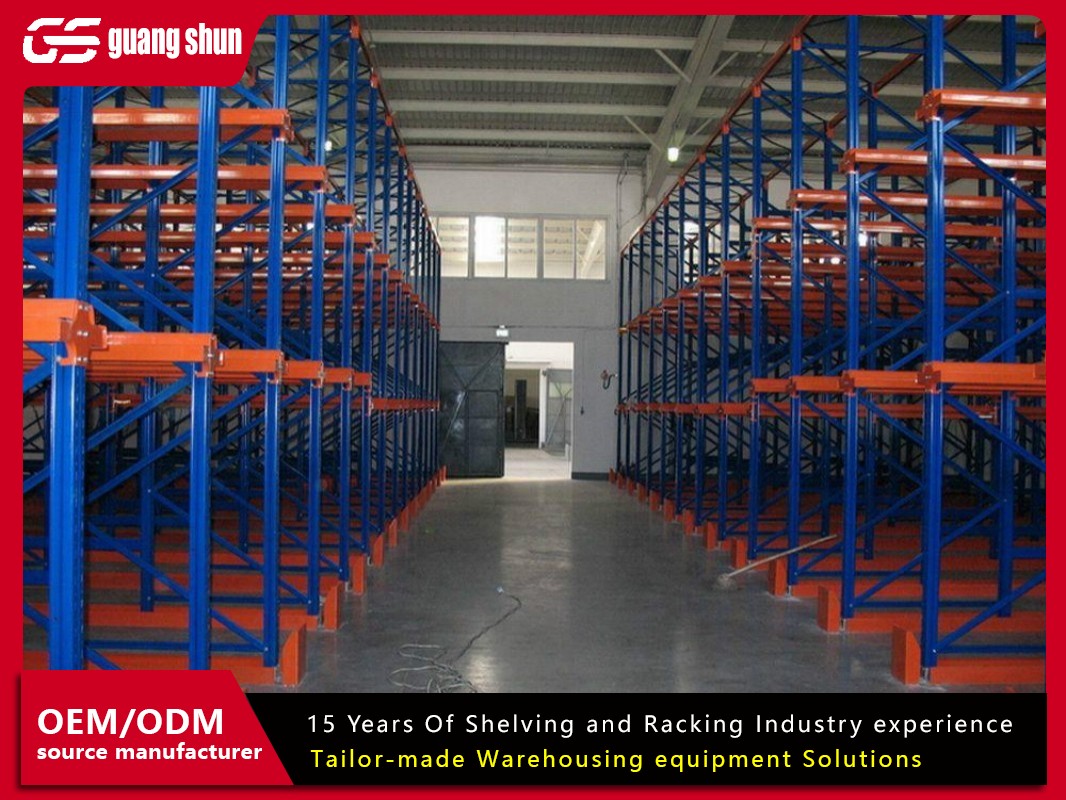
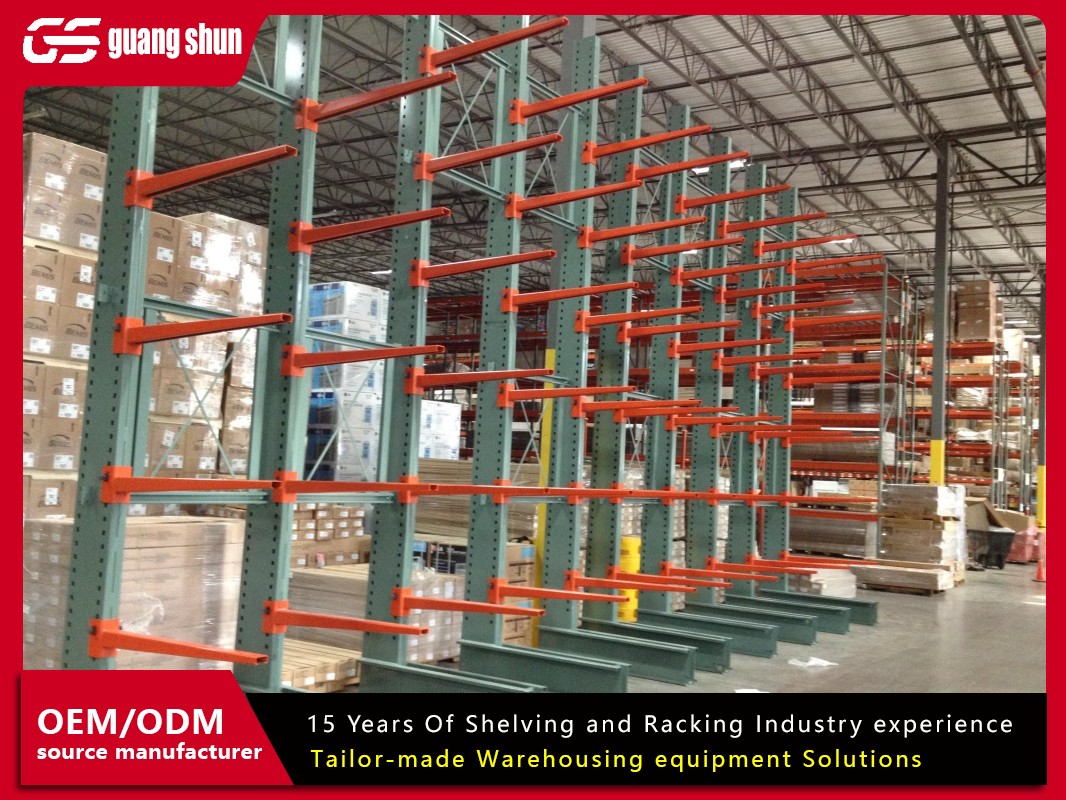
In material handling environments, racking safety is not merely a regulatory checkbox—it is a structural engineering discipline
that directly governs operational continuity, personnel protection, and
financial risk. Data from the Occupational Safety and Health Administration
(OSHA) indicates that storage structure failures account for nearly 15% of all
warehouse serious injuries, with the majority originating from progressive
collapse triggered by undetected damage or inadequate design safety factors. A
systematic approach to racking safety integrates initial
engineering specifications, ongoing inspection protocols, and immediate
corrective actions.
With extensive experience conducting forensic structural analyses for
distribution centers and manufacturing facilities across North America, Europe,
and Southeast Asia, I have observed that the most costly racking failures—both
in terms of inventory loss and downtime—occur not from catastrophic design flaws
but from accumulated damage that goes unreported and unaddressed. This article
provides a technical framework for evaluating, maintaining, and upgrading rack
structures to meet or exceed current safety standards.
1. Structural Failure Modes in Pallet Racking Systems
Understanding how rack structures fail is fundamental to implementing
effective racking safety programs. Industrial racking
experiences four primary failure mechanisms:
1.1 Progressive Collapse from Impact Damage
Forklift impacts to upright frames are the leading cause of rack failures.
When an upright sustains local damage—such as flange deformation exceeding 5% of
the section depth—the column’s load capacity is compromised. The adjacent
columns then carry redistributed loads, potentially exceeding their own
capacity. This cascading effect can lead to sudden collapse hours or even weeks
after the initial impact. Industry standards (RMI ANSI MH16.1) mandate that any
visible deformation in upright columns triggers immediate engineering
evaluation.
1.2 Beam Connection Failure
Beam-to-column connections represent the critical interface in any rack
system. Connection failures occur through:
Safety lock disengagement: Inadequate engagement of beam
safety clips can allow beams to dislodge under dynamic loads.
Bolt fatigue: In bolted connections, insufficient torque
(typically below 80 Nm for M10 bolts) leads to cyclic loosening under
vibration.
Rivet shear in boltless systems: Riveted connections may
shear under repeated impact or overload conditions.
1.3 Floor Anchorage Failure
Anchor bolts that are incorrectly specified, improperly torqued, or corroded
fail to resist uplift and lateral forces. In seismic zones or facilities with
high forklift traffic, anchorage failure is a primary cause of rack overturning.
Anchor embedment depth, concrete compressive strength, and edge distance must
all be verified against original engineering specifications.
1.4 Material Fatigue and Corrosion
Steel structures in corrosive environments—chemical storage, food processing,
coastal facilities—suffer section loss over time. Corrosion reducing column
thickness by 10% can lower load capacity by 25% due to section modulus reduction
and buckling susceptibility.
2. Design Standards and Compliance Frameworks
Comprehensive racking safety begins with adherence to
recognized design and installation standards. The primary governing documents
include:
RMI ANSI MH16.1-2022 (USA): Specification for the Design,
Testing, and Utilization of Industrial Steel Storage Racks. Provides load
capacity calculations, seismic requirements, and inspection guidelines.
FEM 10.2.08 (Europe): Design standard for adjustable pallet
racking, specifying load combinations and safety factors (minimum 1.5 for
dynamic loads).
AS 4084-2023 (Australia/New Zealand): Steel storage racking
standard with specific seismic provisions for high-risk zones.
OSHA 29 CFR 1910.176: General requirements for material
handling and storage, including clearances and load posting.
Specifying equipment that is third-party tested to these standards is a
fundamental racking safety measure. Manufacturers such as
Guangshun provide documented
compliance with RMI and FEM standards, including load test certifications and
seismic calculations.
3. Damage Thresholds: When to Repair or Replace
Establishing objective damage criteria is essential for consistent
racking safety management. RMI guidelines provide quantifiable
thresholds:
Upright columns: Any bend, twist, or flange separation
exceeding 0.25 inches (6.35 mm) in the cross-section requires replacement.
Localized dents with depth less than 5% of the flange width and no associated
sway may be monitored if approved by a qualified engineer.
Beams: Visible sagging beyond L/180, flange deformation, or
any damage compromising safety lock engagement mandates immediate replacement.
Field welding repairs are generally prohibited on cold-formed beams.
Footplates and anchors: Any anchor pull-out, corrosion
reducing plate thickness by 20%, or visible uplift requires re-anchoring or
structural assessment.
Diagonal braces: Bent or disconnected braces reduce lateral
stability. Replacement is required for any deformation visible from 3
meters.
A major grocery distributor recently implemented a racking
safety program using these thresholds across 25,000 pallet positions.
The program reduced structural failures by 90% over 36 months and lowered
insurance premiums by 12%.
4. Seismic Racking Safety: Design and Retrofitting
In regions with seismic risk (Seismic Design Categories C through F per ASCE
7-22), racking safety requires specific engineering
considerations beyond static load capacity. Seismic forces introduce horizontal
accelerations that can cause rack sway, column uplift, and connection
failure.
4.1 Seismic Design Requirements
Compliant racking in seismic zones must incorporate:
Increased bracing: Longitudinal and transverse bracing
systems that transfer lateral forces to the building structure.
Ductile connections: Beam-to-column connections designed to
yield rather than fracture under cyclic loading. Full-penetration welds with
backing bars are often required.
Anchorage design: Anchor bolts must resist combined tension
and shear forces from seismic overturning. Post-installed anchors require ICC-ES
evaluation reports for seismic applications.
Base isolators: For high-bay systems, elastomeric isolators
allow controlled movement, reducing forces transmitted to the rack
structure.
4.2 Retrofitting Existing Racks
Many facilities constructed before modern seismic codes require retrofitting.
Cost-effective retrofits include:
Adding diagonal brace kits to existing frames.
Installing seismic clips that prevent beam dislodgment during shaking.
Upgrading anchor bolts with epoxy-set anchors providing higher
capacity.
Guangshun offers seismic
evaluation services and retrofitting solutions that bring existing rack systems
into compliance with current codes, often at 30–40% of the cost of
replacement.
5. Inspection Protocols: Frequency, Methods, and Documentation
Regular inspection is the cornerstone of any racking safety program. Professional guidance (RMI, OSHA) recommends a three-tier inspection
approach:
Daily visual inspections: Conducted by operators or shift
supervisors. Focus on obvious damage: bent beams, dislodged safety locks,
spilled loads, and column impacts. Document findings in a log.
Monthly formal inspections: Conducted by trained personnel
using checklists. Include measurement of column verticality (within 0.5% of
height), torque verification on accessible bolts, and close inspection of
connection integrity.
Annual professional inspections: Performed by qualified
structural engineers or third-party inspectors. Include load testing on suspect
components, ultrasonic thickness measurement for corrosion assessment, and
seismic bracing verification.
Critical inspection tools include:
Digital inclinometers for column plumb measurement (±0.1° accuracy).
Torque wrenches calibrated to verify bolted connections.
Ultrasonic thickness gauges for corrosion assessment.
Laser distance meters for beam sag measurement.
Documentation is equally critical. Maintain a permanent record of inspection
dates, findings, corrective actions, and engineer certifications. This
documentation serves as proof of due diligence in the event of regulatory review
or incident investigation.
6. Load Management and Posting
Improper loading accounts for nearly 20% of racking safety incidents. Effective load management requires:
Load capacity placards: Each bay must display a legible
placard indicating maximum load per beam level and per bay. Placards must be
installed at eye level on each aisle-facing column.
Load dimension limits: Pallet overhang beyond beam faces is
limited to 50 mm per side in RMI guidelines. Excessive overhang increases
eccentric loading and beam torsion.
Pallet quality control: Damaged pallets with broken
stringers or protruding nails can destabilize during placement or retrieval,
leading to dropped loads and structural impact.
Operator training: Forklift operators must be trained to
recognize load limits and to avoid contacting rack structures. Operator
certification programs reduce impact frequency by 40–60%.
7. Training and Safety Culture
Technical controls are ineffective without a strong safety culture. Effective
racking safety programs include:
Operator certification: Formal training on rack-specific
hazards, including proper engagement depth and impact avoidance.
Damage reporting systems: Simple, anonymous reporting
mechanisms encourage timely identification of damage. Facilities with “no-fault”
reporting policies see 3x higher damage reporting rates.
Emergency response procedures: Clear protocols for
isolating damaged areas, unloading compromised racks, and engaging structural
engineers after impacts.
Regular safety meetings: Quarterly reviews of near-misses
and damage trends reinforce the importance of structural integrity.
Data from 150 warehouses surveyed in 2024 shows that facilities with
comprehensive training and reporting programs experience 55% fewer severe rack
failures compared to those with reactive maintenance approaches.
8. Emergency Response After an Impact
When a significant impact occurs, immediate action preserves racking
safety and prevents progressive collapse. The following protocol is
standard across industry:
Stop operations in the affected bay: Cordone off the area
at least one bay in each direction.
Unload compromised beams: If beams show deformation,
carefully remove pallets using equipment positioned to avoid further
stress.
Assess with qualified personnel: A trained inspector or
engineer must evaluate the damage against RMI thresholds.
Temporary bracing: If upright damage is borderline, install
temporary shoring until repair or replacement can be scheduled.
Repair or replace: Replace damaged components with
identical specifications. Do not attempt field welding on cold-formed steel
without engineering approval.
Document the incident: Record impact details, damage
extent, and corrective actions in the facility’s safety management
system.
Suppliers like Guangshun offer emergency
response services, including same-day structural assessments and replacement
part delivery, minimizing downtime.
9. Cost of Neglect vs. Investment in Safety
A 2023 analysis of warehouse insurance claims revealed that the average cost
of a single rack collapse incident—including inventory loss, facility damage,
business interruption, and injury claims—exceeds $1.2 million. In contrast, a
comprehensive racking safety program including annual inspections, operator training, and targeted retrofits
typically costs $15,000–$30,000 per year for a medium-sized facility (20,000
pallet positions). The return on investment is realized through prevented
losses, reduced insurance premiums (typically 5–15% reduction), and avoidance of
regulatory fines.
10. Future Directions: IoT and Predictive Safety
Emerging technologies are transforming racking safety from
reactive to predictive. Innovations gaining adoption include:
Structural health monitoring: Strain gauges and
accelerometers mounted on critical rack components provide real-time data on
loads and vibrations, alerting facility managers to overloading or impact
events.
RFID tagging of components: Individual beams and columns
can be tracked, allowing digital records of installation dates, inspection
history, and damage status.
AI-driven inspection drones: Automated drones with
high-resolution cameras and lidar can perform monthly inspections faster and
more consistently than manual methods.
While these technologies require upfront investment, they reduce inspection
labor costs and enable earlier intervention.
Embedding Safety into Structural DNA
Racking safety is not a one-time installation requirement but a continuous process that spans
design, daily operation, inspection, and repair. By adhering to recognized
standards, establishing objective damage thresholds, implementing regular
inspection protocols, and fostering a reporting culture, facility operators
transform rack structures from passive storage assets into actively managed
safety systems. The investment in engineering-grade safety pays dividends in
prevented incidents, operational continuity, and regulatory confidence.
Frequently Asked Questions
Q1: What are the OSHA requirements for racking safety
inspections? A1: OSHA 29 CFR 1910.176(b) requires that storage racks
be maintained in good condition and not be overloaded. While OSHA does not
specify inspection frequency, the General Duty Clause (Section 5(a)(1)) requires
employers to provide a workplace free from recognized hazards. Industry practice
(RMI) recommends formal inspections at least annually, with daily visual checks
by operators. Documentation of inspections is essential to demonstrate
compliance during OSHA inspections.
Q2: How do I know if a damaged upright column needs replacement or
can be repaired? A2: RMI ANSI MH16.1 provides objective criteria:
any upright with a bend, twist, or flange separation exceeding 0.25 inches (6.35
mm) in the cross-section must be replaced. Minor dents without flange
deformation may be acceptable if evaluated by a qualified structural engineer.
Field straightening is generally prohibited as it introduces localized stress
concentrations. Replacement columns must match original specifications—mixing
manufacturers or profiles compromises structural integrity. Guangshun provides replacement
components with full engineering documentation.
Q3: What seismic bracing is required for racking in high-risk
zones? A3: For facilities in Seismic Design Categories C through F
(per ASCE 7), racks must be engineered to resist horizontal forces. Requirements
typically include longitudinal and transverse bracing systems, ductile
beam-to-column connections (often welded or with seismic clips), and anchors
designed for combined tension and shear. Base isolation may be required for
racks exceeding 12 meters in height. A structural engineer licensed in the
jurisdiction must provide seismic calculations and details. Retrofitting
existing racks with seismic kits is often feasible at 30–50% of replacement
cost.
Q4: How often should anchor bolts be re-torqued? A4:
Anchor bolts should be torqued to the manufacturer’s specified value at
installation. In facilities with high vibration (e.g., near manufacturing
equipment) or frequent forklift traffic, re-torquing should be performed
annually. For standard warehouses, re-torquing every 3–5 years is sufficient,
provided no anchor damage or concrete cracking is observed. Any anchor showing
signs of pull-out, corrosion, or loosening requires immediate engineering
assessment and potential replacement.
Q5: What is the liability for using second-hand or mixed-brand
racking components? A5: Using second-hand or mixed-brand components
carries significant liability. Without original engineering documentation, the
structural capacity cannot be verified, and connections may not be compatible.
In the event of a collapse, OSHA and civil courts typically consider the
facility operator responsible for ensuring the integrity of storage structures.
If mixing components, a qualified structural engineer must evaluate and certify
the assembly. Suppliers like Guangshun offer new components
with traceable certifications to avoid these risks.