Every industrial storage system begins with its racking structure –
the framework of uprights, beams, braces, and anchors that must withstand static
pallet weights, dynamic forklift forces, seismic events, and accidental impacts.
A poorly designed or damaged racking structure transforms a
warehouse into a hazard zone. This article provides a component‑by‑component
technical analysis of steel storage rack engineering, drawing from RMI (Rack
Manufacturers Institute), ANSI MH16.2‑2020, and FEM 10.2.02 guidelines. We
examine real failure case data, inspection thresholds, and upgrade strategies to
extend service life while maintaining safety integrity. For logistics directors,
facility engineers, and safety managers, understanding the racking
structure beyond superficial dimensions is critical for risk mitigation
and operational continuity.
Statistics from material handling insurers indicate that 43% of rack
collapses originate from hidden structural degradation—cracks, creep, or anchor
corrosion—rather than instantaneous overload. This reinforces why a holistic
view of the racking structure (including its connections, base
attachments, and lateral bracing) is non‑negotiable. The following sections
dissect each element with quantifiable design parameters and maintenance
protocols.
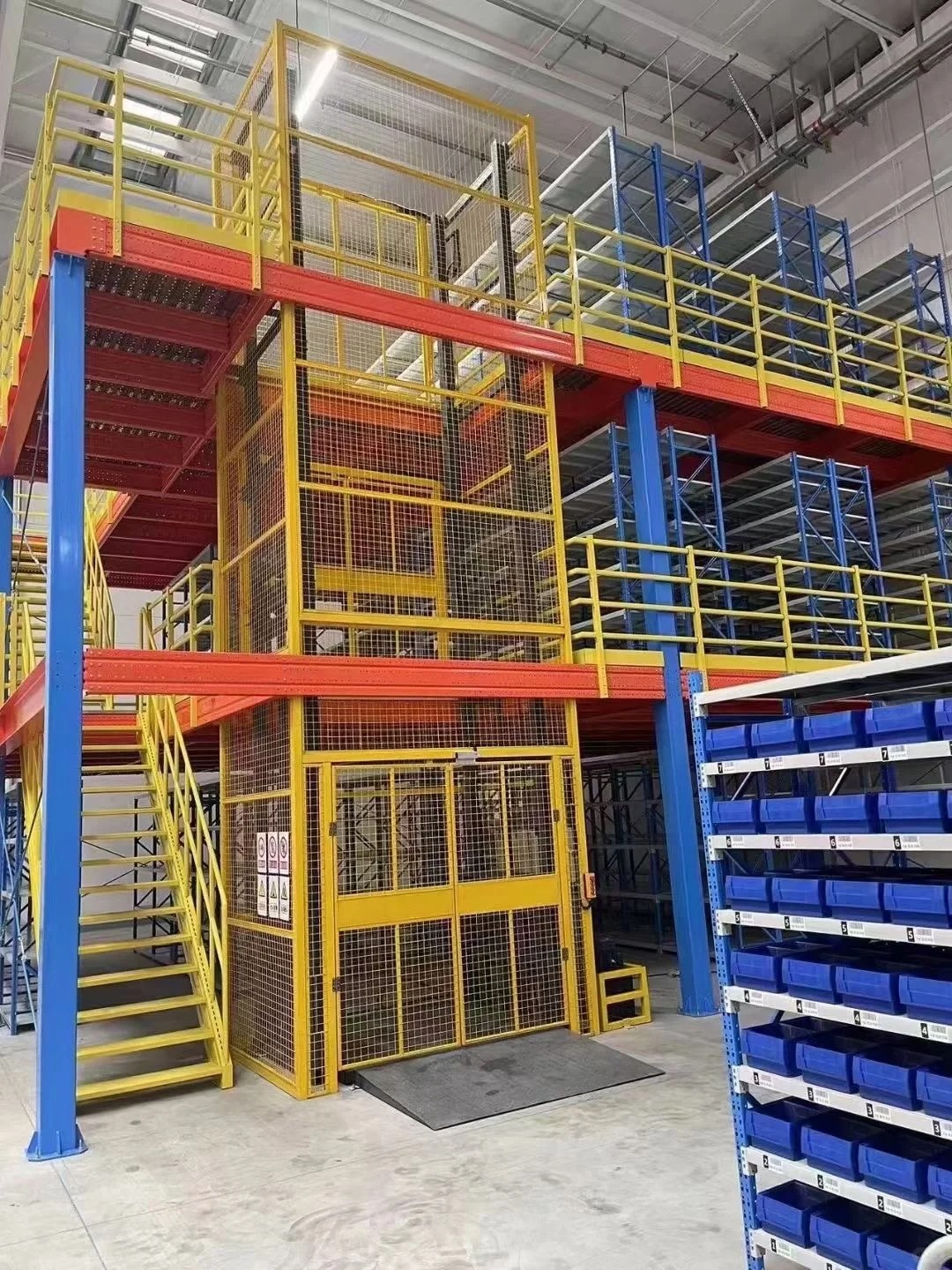
1. Anatomy of a Reliable Racking Structure: Key Load‑Bearing Components
A robust racking structure integrates five primary
subsystems. Compromising any single part redistributes stresses
unpredictably:
Upright Frames (Columns): Typically cold‑formed steel
sections (C‑channel, box, or perforated). The slenderness ratio (KL/r)
determines buckling resistance; ANSI MH16.2 requires frame stability under 1.6
times rated vertical load. Flange/web thickness ranges from 1.5 mm to 3.0 mm
depending on height and load class.
Beam Levels (Horizontal Load Supports): Step beams or box
beams with integral safety locks. Maximum allowable deflection under full
uniform distributed load is L/180. Beam ends must engage column holes with
minimum engagement depth of 35 mm for teardrop pattern.
Beam‑to‑Upright Connectors: Tapered keyhole inserts, bolted
connections, or riveted brackets. Missing safety clips account for 18% of
reported beam dislodgements in accident databases.
Base Plates and Floor Anchors: Anchor bolt diameter,
embedment depth (minimum 80 mm into C25/30 concrete), and adhesive type (epoxy
or mechanical expansion) govern pull‑out resistance. A single loose anchor
reduces frame capacity by up to 40%.
Horizontal and Diagonal Bracing: Row spacers, back‑to‑back
ties, and cross braces prevent sway and rack domino effects. For racks over 8 m
height, seismic bracing must be calculated per local peak ground acceleration
(PGA).
These components interact as a force network. For instance, a bent upright
changes the load eccentricity on base plates, accelerates fatigue at the anchor
level, and ultimately compromises the entire racking structure.
Regular engineering audits must measure these interactions, not just isolated
damage.
2. Load Path Continuity and Failure Mode Analysis
Understanding how loads travel through a racking structure helps prioritize
inspection points. Vertical loads from pallets transfer from beams to uprights,
then through base plates into the floor slab. Horizontal forces (wind, seismic,
forklift bumps) travel through bracing systems into uprights and anchors.
Critical failure mechanisms include:
Column Buckling: Occurs when axial load exceeds Euler’s
critical load. Initial imperfections (bent flanges, dents) lower the buckling
threshold exponentially.
Beam Torsional Collapse: Pallets with overhang >50 mm
beyond beam face induce twisting moments, leading to weld fracture at beam
ends.
Connector Shear Failure: When beam safety locks are not
fully seated, shear stress concentrates on the smallest cross‑section of the
tab, causing sudden drop of the beam.
Anchor Concrete Cone Failure: Concrete breakout around
anchors under tension loads—typical in seismic zones or when racking is used to
restrain shifting loads.
Each failure mode has early warning indicators: flaking paint near welds,
micro‑cracks in base plate fillets, or slight column rotation. A quarterly laser
alignment survey can capture these precursors before a collapse. Many
warehouses, however, rely only on visual checks, missing sub‑millimeter
deformations that escalate over six months.
3. Seismic Resilience in Racking Structure Design
Regions with moderate to high seismicity require special engineering for the
racking structure. Unlike static loads, seismic forces induce
repeated reversals—inertial forces from stored products multiply the rack’s
effective mass. Key design strategies per ASCE 7‑22 and EN 1998‑1 include:
Ductile detailing: Use of slotted base plate connections
and special brace members that yield in a controlled manner, absorbing energy
without brittle fracture.
Enhanced column base fixity: Moment‑resisting bases with
additional gussets or oversized anchor groups to resist overturning
moments.
Load‑restraint systems across pallets: Straps, wire mesh
decks, or stretch wrap to prevent products from becoming projectiles that strike
rack members.
Free‑standing vs. building‑attached racks: Independent
structures require larger footings; attached racks transfer seismic shear to the
building frame (requiring coordination with structural engineers).
Performance‑based testing (shake table) shows that code‑compliant racking
structures can survive design basis earthquakes with only minor damage (green
zone), while non‑compliant systems experience irreparable red‑zone failures.
Post‑earthquake inspection protocols must check every anchor torque and column
plumbness before re‑stocking.
4. Damage Classification and Repair Limits for Steel Racking
Industry standards classify damage into three severity levels. A certified
inspector should use these categories during every formal audit of the
racking structure:
Green zone (minor): Surface scratches, minor paint chips,
slight cosmetic dent ≤5mm depth. No structural effect; continue operation but
monitor annually.
Yellow zone (moderate): Flange/web dent between 5mm and
12mm, or column misalignment 6‑10mm over 1m length. Requires engineering
evaluation; load reduction by 25% until repair. Cold straightening not
allowed—only replace damaged section by splicing with engineered brackets.
Red zone (severe): Any tear, crack, buckling wave, or
deformation exceeding 12mm. Immediate unload and isolation; entire damaged
component must be replaced. Welding repairs are only acceptable if a qualified
structural engineer provides a stamped repair drawing and post‑repair
non‑destructive testing (NDT).
Field data from a survey of 150 warehouses show that 62% of red‑zone damages
are found on aisle‑facing uprights below 500 mm from floor level—the typical
impact zone of forklift counterweights. Installing column protectors (steel
wraparound guards bolted to the floor) reduces red‑zone incidence by 78%.
Furthermore, any repair to a racking structure must be
documented and integrated into the facility’s digital twin for future
reference.
5. Inspection Intervals and Non‑Destructive Testing Methods
To maintain a reliable racking structure, follow a
three‑tier inspection regime:
Daily operator checks: Visual identification of missing
beam locks, loose base plates, or fresh impact marks (bent paint). Use a simple
mobile checklist with geotagged photos.
Monthly qualified internal inspector: Measure column
alignment with a 2m straightedge and digital protractor; verify anchor torque
with a calibrated torque wrench (target 200 Nm for M12 anchors).
Annual third‑party engineering audit: Includes ultrasonic
thickness measurement of columns to detect hidden corrosion; magnetic particle
inspection of critical welds; and load testing of representative bays using
hydraulic jacks (deflection measurement).
Advanced NDT methods like eddy current array can find fatigue cracks in beam
connection slots that would otherwise remain invisible. Cost per bay is modest
(€15–€30) compared to potential collapse liability. Companies that outsource
audits to accredited bodies (e.g., SGS, TÜV) often receive insurance premium
reductions of up to 12%.
6. Common Design Flaws and How to Retrofit Them
Even originally code‑compliant racking structures develop design gaps due to
operational changes. Typical scenarios and retrofits:
Increased pallet weights over time: Original design UDL
(uniform distributed load) was 1,200 kg per beam level; current operations use
1,500 kg. Retrofit: add additional beam levels (reducing span) or install column
stiffeners (welded back‑to‑back channels).
Inadequate seismic bracing after warehouse extension: Building natural period changed; bracing must be upgraded with cross‑aisle cable
systems using turnbuckles for pre‑tension.
Missing row spacers between back‑to‑back racks: Causes
individual rack sway. Solution: install bolted row spacers at every third
upright, ensuring that bolts are torqued to 50 Nm and rechecked after one
month.
Anchor corrosion in wash‑down zones: Replace standard
carbon steel anchors with A4 stainless steel or epoxy‑injected glass fiber
reinforced polymer (GFRP) anchors.
Retrofitting is always more cost‑effective than replacing entire systems.
However, any modification to the racking structure must be
reviewed by the original manufacturer or a licensed structural engineer.
Unauthorized drilling of holes or welding of brackets invalidates the safety
rating.
7. Digital Monitoring and Predictive Maintenance for Racking Structure
Industry 4.0 technologies provide real‑time insight into racking
structure health. Examples deployed in modern distribution centers:
IoT strain gauges on critical beams: Measure beam
deflection under load; triggers alert when deflection exceeds 90% of allowable
limit.
Wireless tiltmeters on upright columns: Continuously
monitor plumbness (vertical deviation). An alarm sounds if inclination exceeds
0.5 degrees per 3m height.
RFID‑based inspection compliance system: Each bay has an
RFID tag; inspectors scan before entering data, ensuring no bay is skipped.
Machine vision AI using forklift cameras: Real‑time
detection of pallet overhang or missing beam locks, warning operators
instantly.
These tools produce predictive maintenance schedules rather than reactive
repairs. For example, a gradual increase in beam deflection over three months
indicates fatigue crack growth—allowing planned beam replacement during a
weekend shutdown instead of a catastrophic mid‑shift collapse.
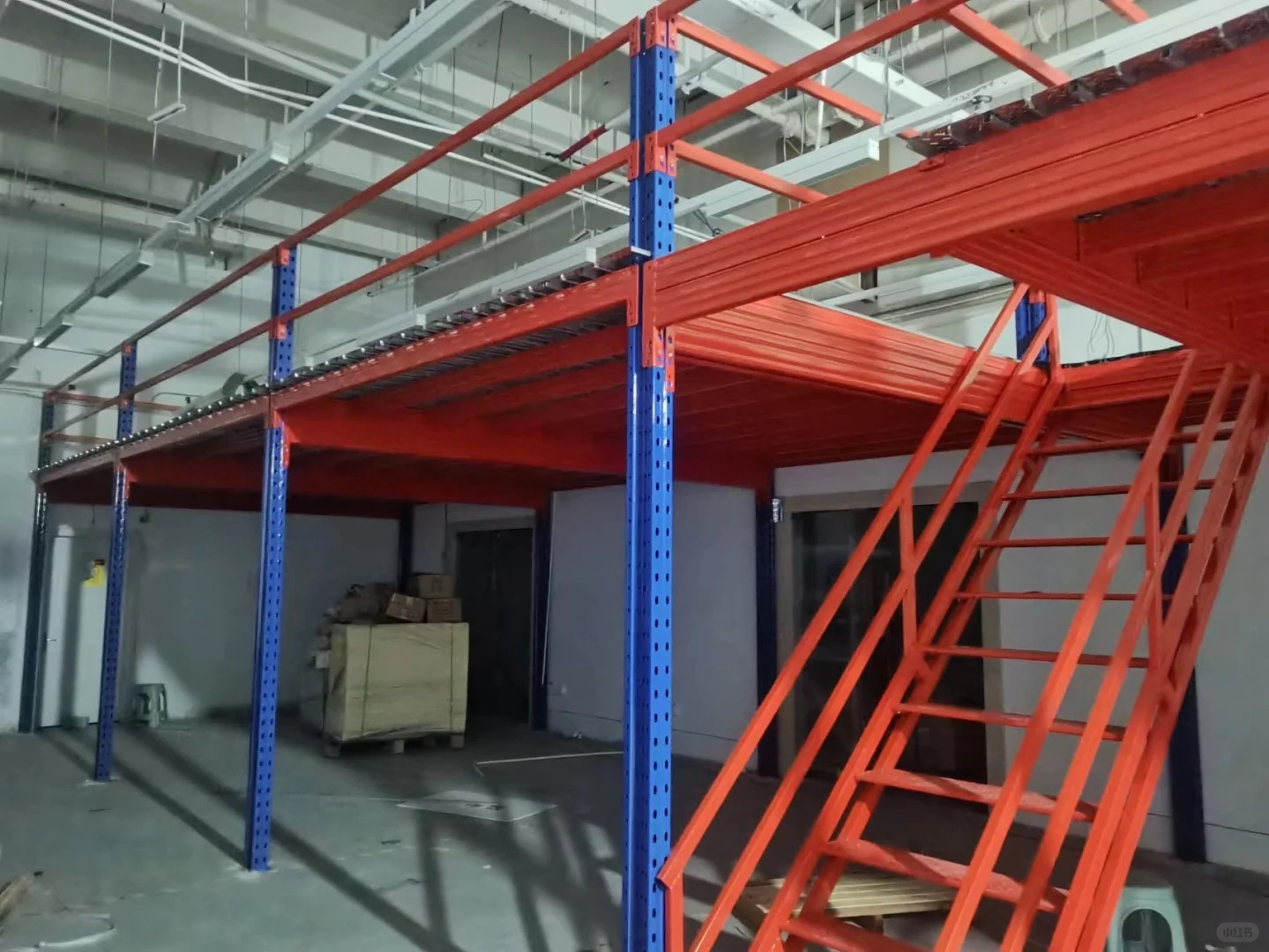
8. Choosing a Manufacturer That Prioritizes Structural Integrity
The quality of a racking structure starts at the steel mill
and fabrication shop. Guangshun has established a
reputation for exceeding ISO 9001:2015 and CE certifications, with every upright
coil processed through straightening, roll‑forming, and laser perforation under
tolerance ±0.5mm. Their engineering team provides site‑specific structural
calculations, including seismic zone maps and anchor pull‑out tests. For
facilities upgrading or building new storage zones, Guangshun also offers
retrofitting kits and professional installation supervision to ensure that the
racking structure matches the theoretical model. You can review
their product portfolio and technical white papers at https://www.gsracking.com/.
Partnering with a certified manufacturer reduces liability and ensures that the
final racking structure delivers the intended 20+ year service
life.
In summary, a safe and durable racking
structure demands rigorous design, disciplined load management,
regular inspections using quantitative criteria, and timely retrofits. Moving
from reactive to predictive maintenance transforms rack safety from a cost
center to an operational enabler. The standards and technologies described here
provide a roadmap for engineering teams to achieve zero rack‑related incidents
while maximizing storage density.
Frequently Asked Questions (FAQs) About Racking Structure
Q1: What is the minimum concrete strength required for a racking
structure anchor?
A1: ANSI MH16.2 specifies a
minimum compressive strength of 3,000 psi (20.7 MPa) for normal weight concrete.
For dynamic loads or seismic zones, 4,000 psi (27.6 MPa) is recommended. Always
confirm with a pull‑out test after installation.
Q2: Can I install additional beam levels on an existing racking
structure without re‑engineering?
A2: No. Adding
beams changes load distribution on uprights and may exceed column axial
capacity. Consult a structural engineer to recalculate frame loads. Many
manufacturers, including Guangshun, provide free load
reassessment for their systems.
Q3: How do I measure column damage severity without expensive
tools?
A3: Use a 1‑meter straightedge and a set of
feeler gauges or a digital caliper. Place straightedge across the damaged
flange; measure maximum gap. Compare with the “red zone” thresholds provided in
RMI’s damage chart (typically >12mm gap). For precise assessment, hire a
qualified inspector annually.
Q4: What is the maximum allowed racking structure height without
seismic bracing?
A4: This depends on local building
codes. As a rule, ASCE 7 requires seismic bracing for all racking structures
taller than 8 feet (2.44 m) in Seismic Design Category D or higher. In
low‑seismic areas, free‑standing racks under 2.5 m may be exempt, but always
verify with authority having jurisdiction.
Q5: Are row spacers mandatory between back‑to‑back single‑deep
racks?
A5: Yes, according to ANSI MH16.2 section
3.3. Row spacers prevent rack overturning and maintain sprinkler clearance. They
must be installed at intervals not exceeding 30 feet (9 m) horizontally and at
every upright connection vertically.
Q6: What is the typical service life of a steel racking structure
under normal use?
A6: 20 to 25 years, provided that
annual inspections are performed and damage is repaired immediately. Corrosive
environments (chemicals, high humidity) reduce lifespan to 10‑15 years unless
using galvanized or epoxy‑coated components.
Q7: Can I straighten a bent upright column to avoid
replacement?
A7: Cold straightening is prohibited
by RMI and FEM standards because it introduces residual stresses and
micro‑cracks. The only acceptable method is either replacement or splice repair
using an engineered splice kit (manufacturer‑approved).
Q8: Why does a racking structure need horizontal beam tie
bars?
A8: Horizontal tie bars (also called aisle
restraint bars) prevent beams from being pushed out of their column connections
during seismic events or lateral impacts. Without them, a simple side bump can
disengage beam safety locks, leading to a multi‑ton pallet fall.