Warehouse operators, logistics directors, and facility engineers face a
persistent challenge: how to store increasing volumes of heavy materials safely,
efficiently, and cost-effectively. The answer lies in properly specified industrial
heavy duty racks. These structures are not merely shelves—they are
engineered systems that combine metallurgy, structural mechanics, and
operational workflow design. This article provides a comprehensive technical
examination of industrial heavy duty rack systems, from material science and
load ratings to seismic resilience and maintenance protocols, offering
actionable insights for procurement and facility optimization.
Understanding the Engineering Behind Industrial Heavy Duty Racks
The performance of any storage system begins with its engineering foundation.
Industrial
heavy duty racks are designed to support static and dynamic loads
that often exceed 10,000 pounds per beam level, with some configurations rated
for over 50,000 pounds per upright frame. The engineering process involves
several interconnected disciplines.
Material Grades and Structural Design
High-strength steel remains the predominant material for industrial racking.
Most reputable manufacturers use ASTM A36 or A572 Grade 50 steel, offering yield
strengths between 36,000 and 50,000 psi. The selection of steel grade directly
influences the rack's load-bearing capacity, deflection characteristics, and
fatigue resistance. Cold-formed steel sections are standard for upright columns
and beams, providing an optimal strength-to-weight ratio through precise
roll-forming processes.
Key structural design considerations include:
Column profile geometry: Closed or open sections with
stiffening ribs to resist buckling under eccentric loads.
Beam-to-upright connections: Welded or bolted connections
with shear and moment transfer capabilities.
Base plates and anchor bolts: Engineered to transfer loads
to the floor slab, accounting for uplift forces in seismic zones.
Horizontal and diagonal bracing: Provides lateral stability
and distributes horizontal forces (wind, seismic, or fork truck
impacts).
Load Capacity Ratings and Safety Factors
Every component of an industrial rack system is rated for specific load
capacities. These ratings are established through rigorous testing per standards
such as ANSI MH16.1-2012 (Specification for the Design, Testing, and Utilization
of Industrial Steel Storage Racks). Safety factors typically range from 1.5 to
2.0, meaning a beam rated for 5,000 pounds has been tested to withstand at least
7,500 to 10,000 pounds before failure. Understanding these margins is essential
for warehouse safety.
Load types are categorized as:
Static load: The weight of stored items at rest.
Dynamic load: Forces generated during loading/unloading
operations, including impact from forklifts.
Seismic load: Horizontal forces from earthquakes, which
vary by geographic region and building code.
Critical Applications Across Industries
Different industries require distinct configurations of industrial
heavy duty racks. Understanding these applications helps in
specifying the optimal system for each operational context.
Automotive and Heavy Equipment Storage
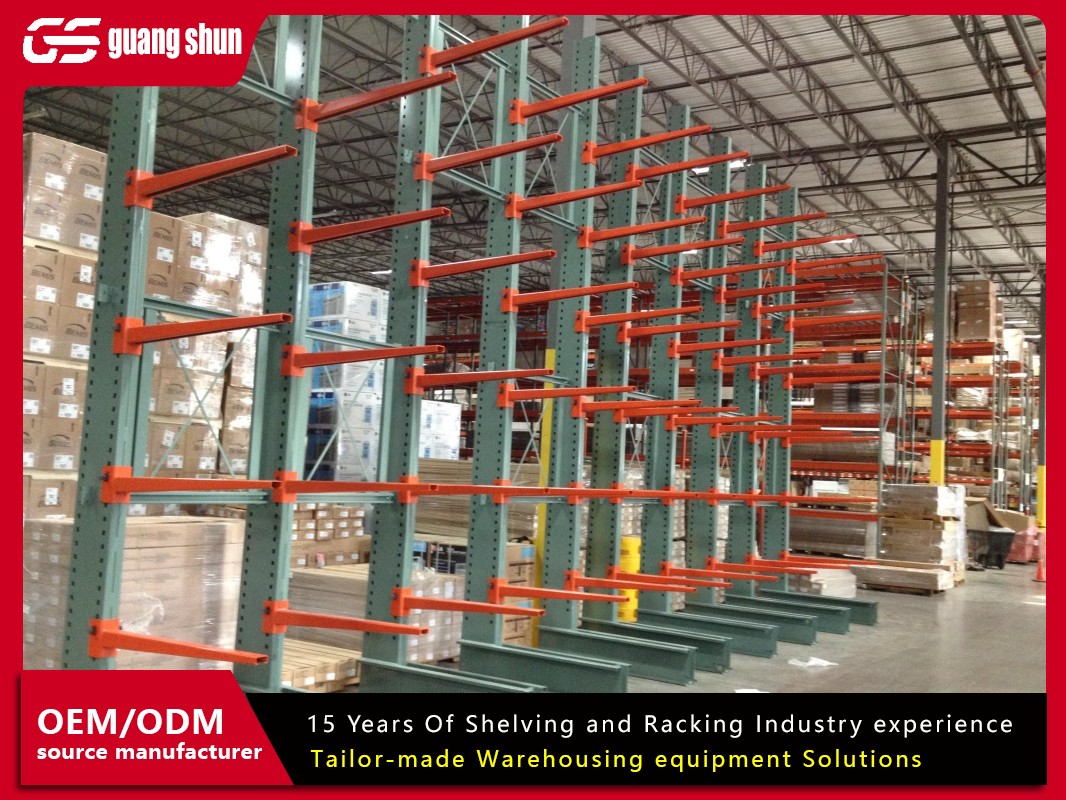
Automotive parts warehouses and heavy equipment dealers rely on industrial
racks to store engine blocks, transmissions, axle assemblies, and large
components. These items often require cantilever racks or wide-span shelving
with specialized beam spacing. Load capacities in this sector frequently exceed
8,000 pounds per beam position. The integration of crane rails and overhead
hoists with rack structures is common, requiring additional structural
reinforcement and precise alignment.
Retail Distribution and E-commerce Fulfillment
While e-commerce is often associated with light-duty carton flow racks, the
back-end distribution centers handling bulk goods—such as furniture, appliances,
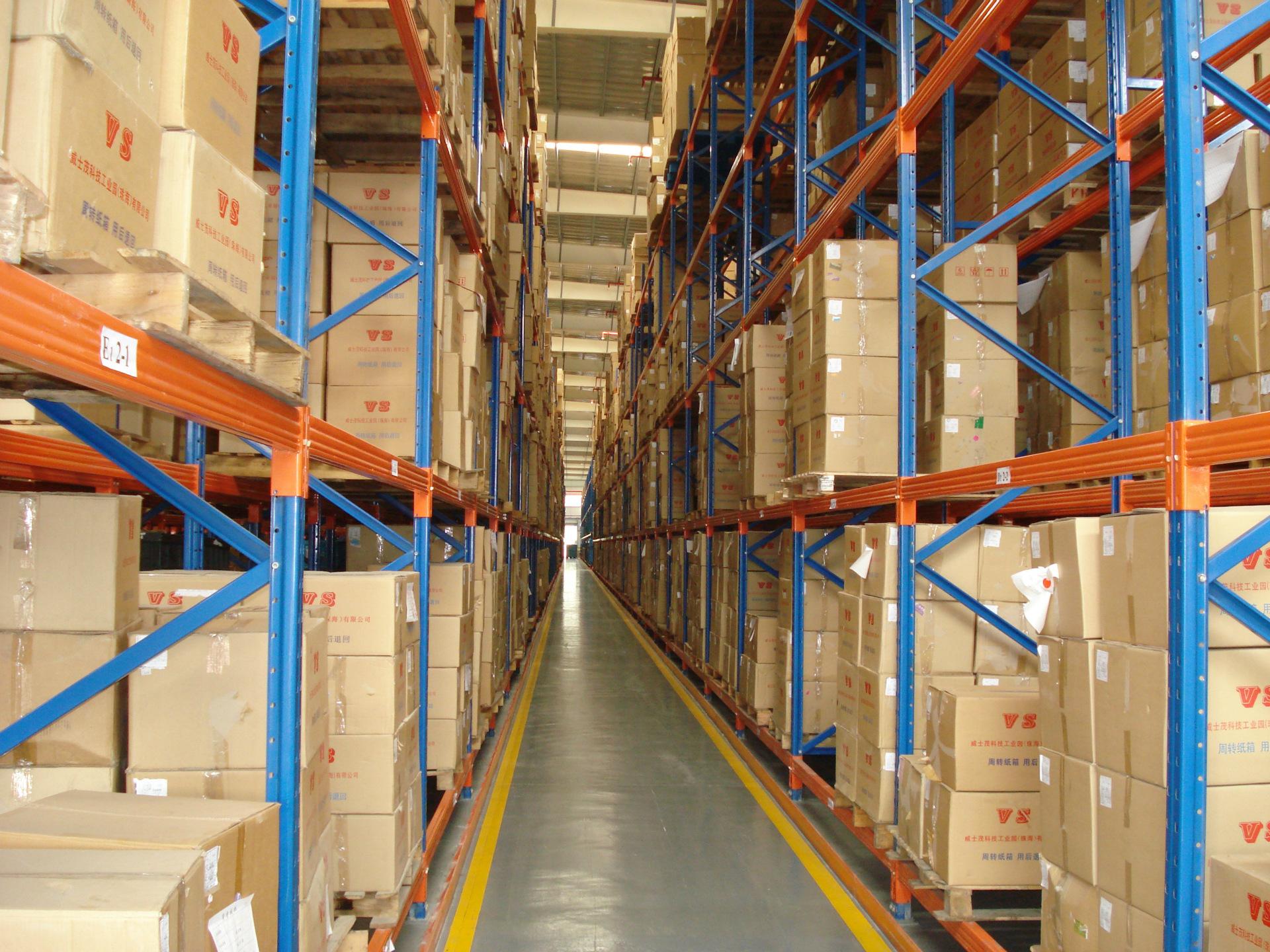
and large electronics—require heavy-duty racking. Selective pallet racks with
double-deep configurations are prevalent, allowing for high-density storage
while maintaining reasonable accessibility. The rise of omnichannel retail has
increased demand for racks that support both palletized storage and
piece-picking operations, leading to hybrid systems combining selective and
drive-in rack designs.
Cold Storage and Specialty Environments
Cold storage facilities present unique challenges for industrial racking.
Sub-zero temperatures affect steel ductility, and condensation cycles create
corrosion risks. Racks in these environments often feature:
Hot-dip galvanized or epoxy-coated finishes to resist moisture and chemical
exposure.
Expanded beam spacing to accommodate thicker insulation layers on
pallets.
Seismic bracing designed for the specific load path of frozen goods, which
can shift differently than dry goods during vibration events.
Addressing Industry Pain Points with Advanced Rack Solutions
Warehouse managers consistently report several operational challenges that
directly impact throughput, safety, and cost. These pain points are often
mitigated through thoughtful rack system design and selection.
Space Utilization versus Accessibility
The classic warehouse trade-off is between storage density and pallet
accessibility. Industrial
heavy duty racks offer multiple configurations to balance these
priorities:
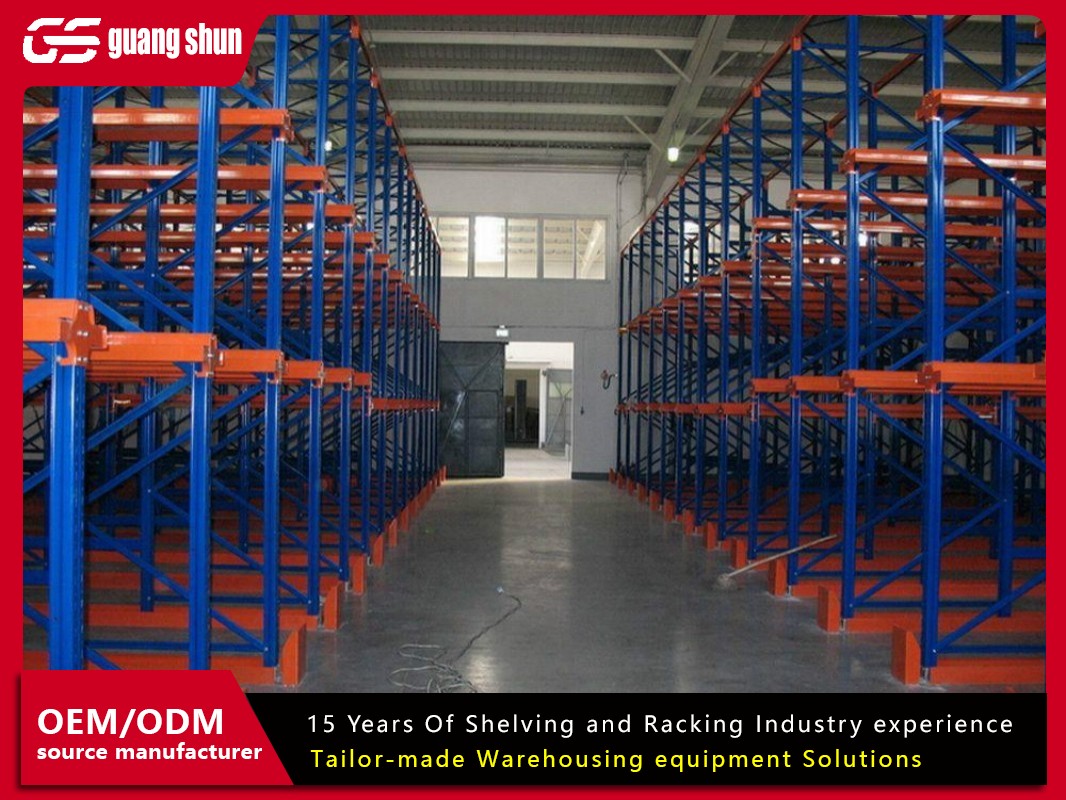
Selective racks: Provide 100% accessibility but lower
density (typically 40-50% space utilization).
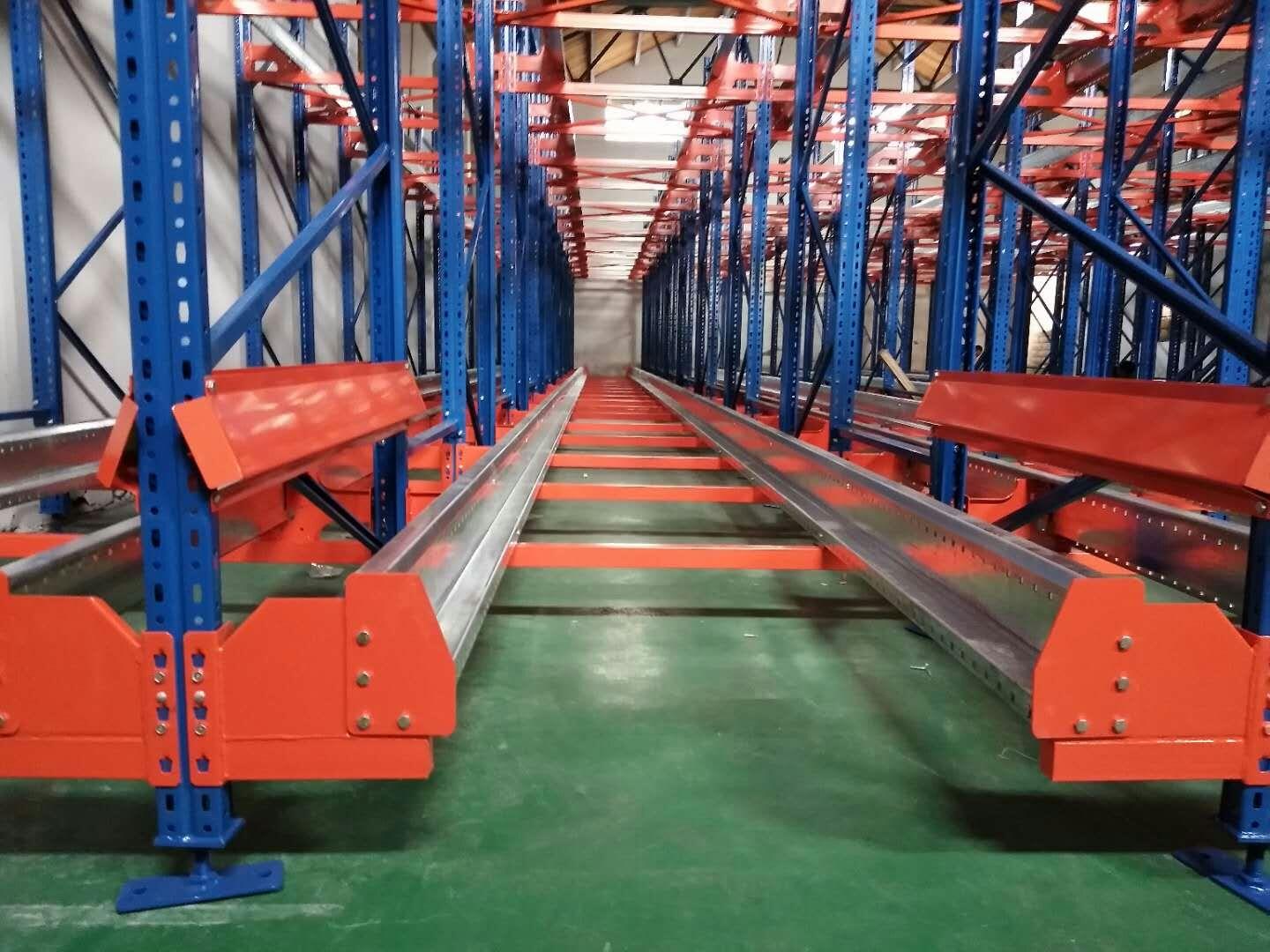
Drive-in and drive-through racks: Increase density to
70-80% but limit accessibility to LIFO (last-in-first-out) or FIFO
(first-in-first-out) patterns.
Push-back and pallet flow racks: Offer intermediate density
(60-70%) with improved picking efficiency through gravity or push-back
mechanisms.
Advanced warehouse management systems (WMS) can dynamically assign storage
locations to optimize both density and access frequency, but the physical rack
configuration remains the foundational constraint.
Seismic Resilience and Structural Safety
In seismic-active regions, rack collapse during earthquakes poses significant
safety and financial risks. Modern industrial
heavy duty racks incorporate seismic design features such as:
Cross-aisle bracing systems that distribute lateral forces across multiple
rack bays.
Base plates with slotted holes to allow controlled movement without losing
vertical support.
Beam-end connectors designed for ductile failure modes, preventing brittle
fracture.
Seismic separation gaps between adjacent rack sections to avoid collision
during ground motion.
Compliance with ASCE 7 (Minimum Design Loads for Buildings and Other
Structures) is mandatory in many jurisdictions, and third-party seismic testing
provides additional validation.
Inventory Management and Accessibility
Inventory accuracy depends on both systems and physical infrastructure. Racks
with integrated labeling systems, beam-level barcode placement, and clear
sightlines for cycle counting improve inventory management. Additionally, racks
that support automated storage and retrieval systems (AS/RS) reduce human error
and increase throughput consistency.
For operations with high SKU variety, adjustable beam levels are essential.
Most industrial racks feature beams that can be repositioned at 2-inch or 3-inch
increments, accommodating varying pallet heights without compromising structural
integrity.
Selecting the Right Industrial Heavy Duty Racks: A Decision Framework
Procurement of industrial racking should follow a structured process that
aligns technical specifications with operational requirements. The following
framework guides decision-making.
Load Requirements Assessment
Begin by cataloging every SKU stored in the rack system, noting:
Maximum pallet weight (including packaging).
Pallet dimensions and footprint.
Height and stacking constraints.
Frequency of access (turns per day).
This data informs beam capacity, upright spacing, and overall system design.
Always include a 20-30% contingency for future weight increases—warehouses
rarely store less over time.
Facility Layout and Material Flow
Rack layout must integrate with existing material handling equipment.
Consider:
Forklift aisle width: Narrow-aisle reach trucks require as
little as 8 feet, while counterbalanced forklifts need 12-14 feet.
Ceiling height: Racks should maximize vertical space while
maintaining clearance for sprinklers, lighting, and ventilation.
Loading dock location: Racks should be positioned to
minimize travel distances and reduce congestion at shipping/receiving
areas.
Facility engineers should perform a thorough site survey before specifying
rack dimensions, accounting for column spacing, overhead obstructions, and floor
flatness. Uneven floors can cause rack misalignment, leading to premature wear
and reduced stability.
Compliance and Certification Standards
Reputable suppliers certify their products to recognized standards. Key
certifications to request include:
Many warehouses also require seismic qualification per ICC-ES AC156 or
similar protocols. Guangshun provides
certified racking solutions that meet these international standards, with
engineering support for custom configurations.
Maintenance, Inspection, and Longevity
Industrial racks are long-term capital investments, often remaining in
service for 20 years or more. However, their operational lifespan depends on
proactive maintenance and regular inspection.
Preventive Maintenance Protocols
An effective maintenance program includes:
Monthly visual inspections: Check for bent columns, damaged
beams, loose bolts, and missing safety clips.
Quarterly load verification: Ensure loads do not exceed
rated capacities and are evenly distributed.
Annual professional inspections: Engage certified rack
inspectors to assess structural health using calibrated tools and
procedures.
Floor anchoring checks: Verify that all base plates are
securely anchored to the slab, especially after seismic events or heavy forklift
impacts.
Damage Assessment and Repair
Rack damage is often caused by forklift impacts. The Rack Manufacturers
Institute (RMI) provides guidelines for damage assessment, categorizing impact
severity. Minor dents or scratches may be cosmetic, but damage that affects
load-bearing members requires immediate attention. Repair options include:
Replacing damaged beams or uprights with manufacturer-approved
components.
Reinforcing compromised sections with additional bracing (subject to
engineering review).
Installing impact protection—guard rails, column protectors, and
end-of-aisle barriers—to prevent future damage.
Warehouses with high forklift traffic often allocate 5-10% of their annual
rack budget to replacement parts and impact protection, a prudent investment
compared to the cost of a catastrophic failure.
The selection, installation, and maintenance of industrial
heavy duty racks require a multidisciplinary approach that
integrates structural engineering, operations management, and safety compliance.
By understanding the technical underpinnings—material properties, load ratings,
seismic design, and application-specific configurations—warehouse professionals
can make informed decisions that optimize storage density, improve workflow
efficiency, and ensure worker safety. Whether upgrading an existing facility or
designing a new distribution center, the right rack system is a strategic asset
that directly impacts operational profitability.
Companies like Guangshun have built
their reputation on delivering robust, engineered racking solutions tailored to
diverse industrial needs. Their expertise in custom design, certified
manufacturing, and post-installation support provides a reliable foundation for
long-term warehouse success. Guangshun offers a
comprehensive portfolio ranging from selective pallet racks to complex automated
systems, each engineered to meet the highest international safety and
performance standards.
For facility engineers and logistics managers, the message is clear: invest
in quality engineering, conduct thorough needs assessments, and commit to
ongoing maintenance. These practices ensure that industrial heavy duty racks
deliver maximum value over their full service life, supporting the evolving
demands of modern supply chains.
Frequently Asked Questions (FAQ)
Q1: What is the typical load capacity of industrial heavy duty racks?
A1: Load capacities vary widely based on design and
configuration. Standard selective pallet racks typically support 2,000 to 6,000
pounds per beam level, while heavy-duty systems can exceed 10,000 pounds per
beam. Specialized racks for automotive or industrial parts may handle 15,000 to
25,000 pounds per upright frame. Always refer to the manufacturer's load charts,
which specify capacities for specific beam lengths, upright gauges, and
configuration parameters.
Q2: How do I determine the correct beam size for my application?
A2: Beam sizing depends on three factors: span length
(distance between uprights), total load per beam level, and deflection
tolerance. Use the manufacturer's load table to match beam gauge and depth to
your required capacity. As a rule of thumb, shorter spans allow higher loads;
for a 108-inch span, a 3-inch-deep beam might support 5,000 pounds, while a
4-inch-deep beam extends that to 7,000 pounds. Consult an engineer for
non-standard configurations.
Q3: What safety standards govern industrial heavy duty racks in North
America?
A3: The primary standard is ANSI MH16.1-2012, "Specification
for the Design, Testing, and Utilization of Industrial Steel Storage Racks."
This standard covers structural design, testing protocols, and safe usage
guidelines. Additionally, OSHA regulations (29 CFR 1910.176) address general
material handling safety, including rack loading and stability. Many local
building codes also adopt seismic requirements from ASCE 7.
Q4: How often should industrial racks be inspected?
A4: Industry best practice recommends three inspection
tiers: daily visual checks by operators (looking for obvious damage), monthly
formal inspections by supervisors (documenting all racks), and annual
comprehensive inspections by certified professionals. High-traffic warehouses or
those in seismic zones may require more frequent evaluations. All inspections
should follow the Rack Manufacturers Institute (RMI) inspection guidelines.
Q5: Can industrial heavy duty racks be reconfigured after installation?
A5: Yes, most industrial rack systems are designed with
modular components—beams, uprights, and connectors—that can be repositioned or
replaced. Beam levels can be adjusted in 2-inch or 3-inch increments to
accommodate different pallet heights. However, any reconfiguration must be
validated against the original load capacity ratings; changing beam spacing or
removing bracing may reduce structural capacity. Always consult the manufacturer
or a structural engineer before making significant modifications.
Q6: What is the difference between roll-formed and structural steel
racks?
A6: Roll-formed racks are produced from cold-rolled steel
sheets that are shaped through continuous rolling mills. They are lighter, more
cost-effective, and suitable for most general-purpose applications. Structural
steel racks use hot-rolled steel sections (angles, channels, or wide-flange
beams) that are welded or bolted together. They offer higher load capacities and
greater resistance to impact damage, making them ideal for heavy industrial
applications. The choice depends on load requirements, budget, and operational
environment.
Q7: How do seismic considerations affect rack design?
A7: In seismic zones, racks must be designed to withstand
lateral forces during ground motion. This involves adding cross-aisle bracing,
using seismic-grade base plates with slotted anchors, and incorporating ductile
connections that absorb energy without brittle failure. Some jurisdictions
require seismic qualification testing per ICC-ES AC156. Seismic design
significantly influences rack cost and layout density, so early consultation
with a structural engineer is essential.