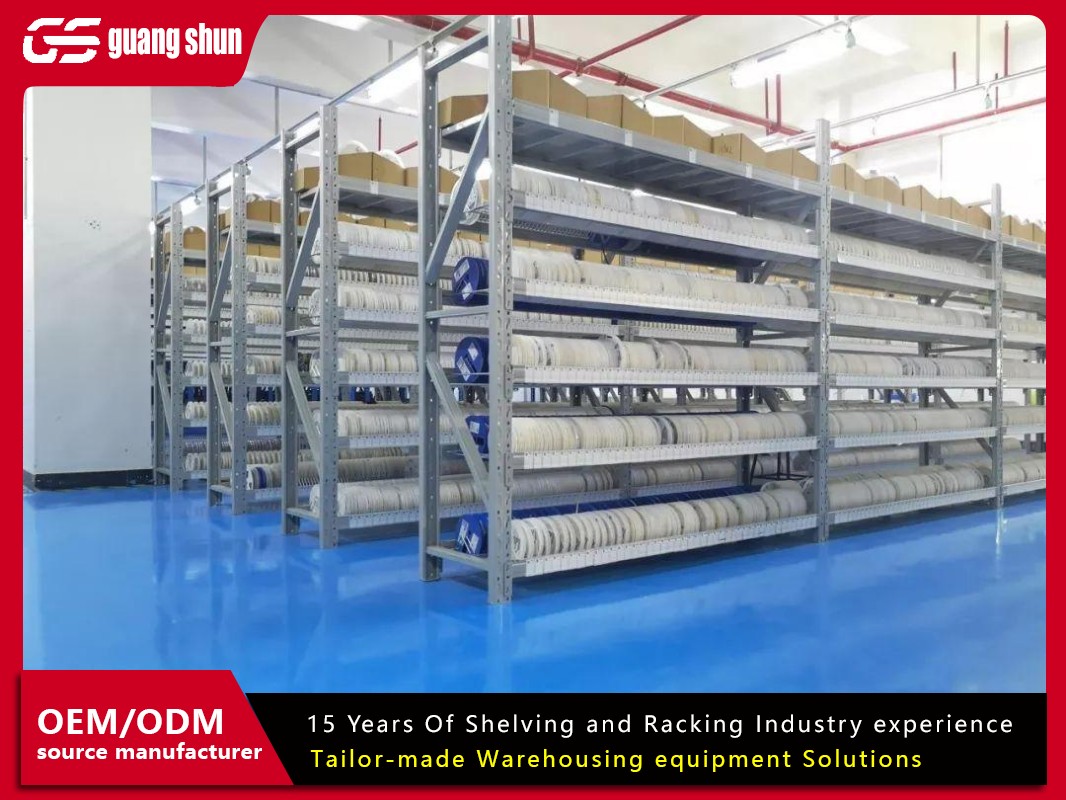
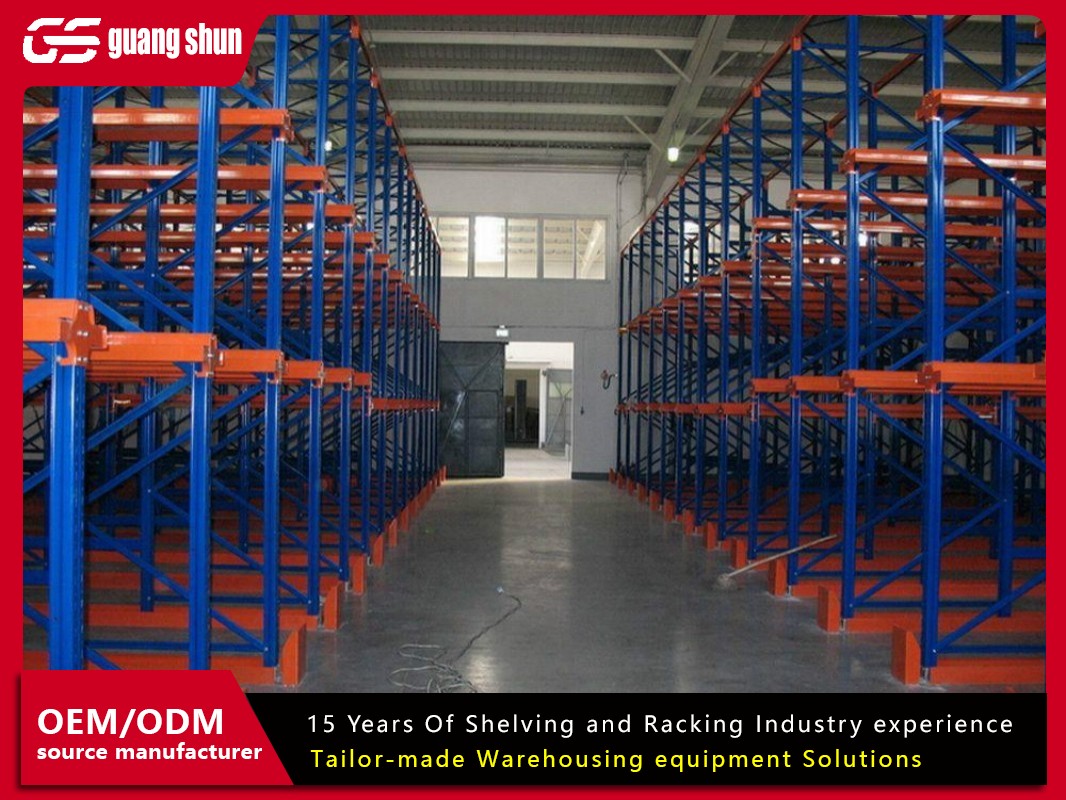
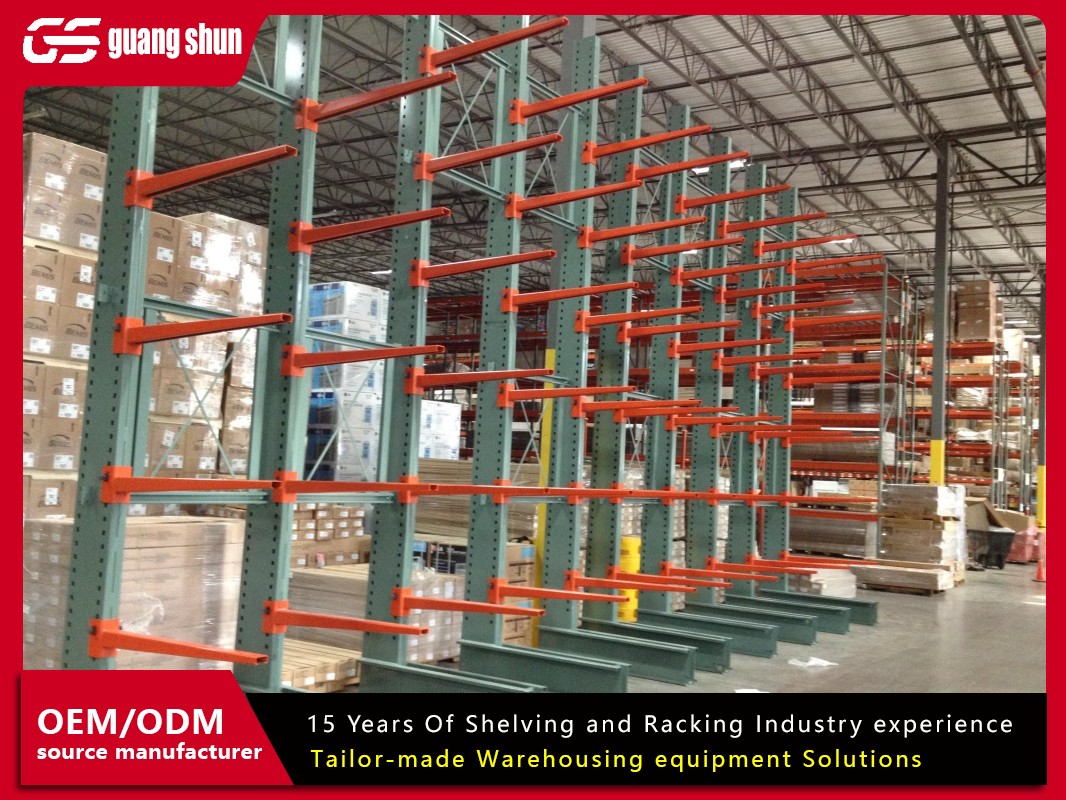
The Balearic archipelago—comprising Mallorca, Menorca, Ibiza, and Formentera—presents a unique set of operational challenges for warehouse and logistics managers. Limited floor space, high real estate costs, seasonal demand volatility, and the logistical constraints of island supply chains demand storage solutions that are both technically robust and spatially efficient. Among the most effective responses to these conditions is the deployment of estanterias ligeras baleares, a category of light-duty racking engineered to deliver maximum volumetric utility without compromising structural integrity or accessibility. This article provides a deep technical examination of these systems, from material science and load engineering to application-specific configurations and lifecycle cost analysis, offering warehouse professionals a data-driven framework for decision-making.
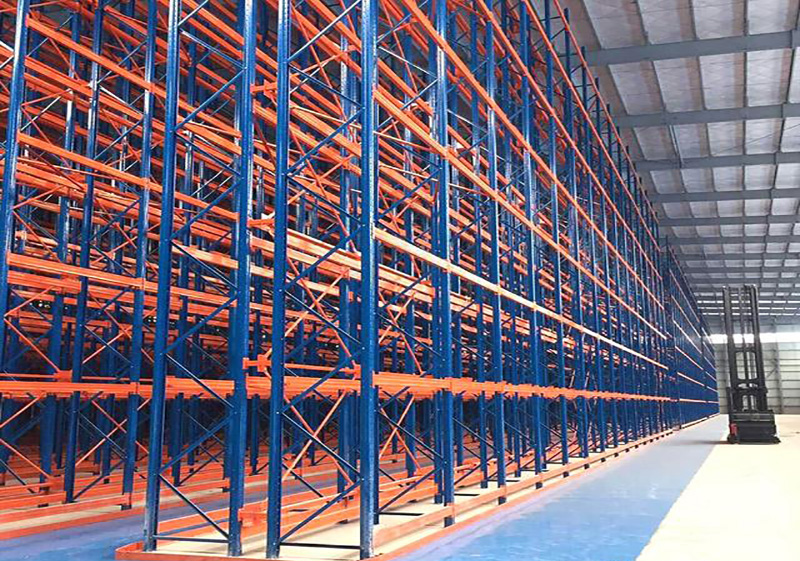
The Balearic Storage Environment: Unique Operational Parameters
Warehousing in the Balearic Islands operates under a distinct set of physical and economic constraints that directly influence storage system design. The insular nature of the territory means that inbound freight arrives primarily through maritime ports—Palma de Mallorca, Mahón, and Ibiza Town—with containerized cargo subject to handling multiple times before reaching final distribution centers. This multi-modal logistics chain increases the risk of product damage, placing a premium on racking systems that provide secure, stable storage for a wide variety of SKU dimensions and weights.
Climate also plays a significant role. The Mediterranean environment, with its elevated humidity levels and temperature fluctuations between winter and summer months, affects the corrosion resistance requirements of metallic storage components. Standard industrial coatings may degrade more rapidly in coastal atmospheres, necessitating enhanced galvanization or powder-coating specifications. Furthermore, the seasonal tourism economy creates pronounced peaks in demand for consumer goods, food products, and pharmaceutical supplies between May and October, requiring warehousing operations to rapidly scale throughput capacity. Estanterias ligeras baleares systems are particularly well-suited to this environment because they offer modular scalability—additional bays and levels can be integrated into existing layouts without requiring major structural modifications, allowing operators to adjust capacity in response to fluctuating inventory volumes.
Space utilization is another critical factor. Industrial land on the islands commands premium prices, particularly in proximity to the ports and major transport arteries. Vertical storage density becomes not merely an operational preference but an economic imperative. Light-duty racking, with its adaptable beam heights and column profiles, enables warehouses to achieve storage densities of up to 85% of available cubic volume, compared to approximately 65% for conventional pallet racking in the same floor area—a differential that translates directly into reduced per-square-meter occupancy costs.
Technical Specifications of Modern Light-Duty Racking Systems
The engineering foundation of contemporary light-duty racking rests upon precise material selection, profile geometry, and connection design. Understanding these technical parameters is essential for specifying systems that deliver consistent performance across the operational lifespan.
Material Composition and Structural Integrity
High-grade steel remains the predominant material for racking columns and beams, with ASTM A572 Grade 50 or equivalent European standard S355JR being the most commonly specified. These structural steels offer a minimum yield strength of 355 MPa, providing the necessary load-bearing capacity while maintaining a favorable strength-to-weight ratio—a crucial consideration for installations where floor loading limits may be restricted by building design. Cold-formed sections are the industry standard for light-duty applications, as the cold-working process induces work-hardening that increases the material's yield strength compared to hot-rolled equivalents of the same nominal thickness.
Column profiles typically range from 60×40 mm to 100×60 mm, with wall thicknesses between 1.5 mm and 2.5 mm depending on the intended load class. Beam profiles are generally formed as closed or semi-closed sections—rectangular or C-shaped—with thicknesses from 1.2 mm to 2.0 mm. The connection between beams and columns is achieved through either boltless clip systems or bolted joints. Boltless connections, employing integral locking lugs and keyhole slots, offer faster assembly and reconfiguration, while bolted connections provide higher rigidity and are preferred for installations subject to dynamic loads or seismic considerations. The Balearic Islands lie within a moderate seismic zone, and the design of estanterias ligeras baleares must account for horizontal acceleration forces as specified in Eurocode 8, requiring base plates and anchor bolt configurations that resist both vertical and lateral loads.
Load Capacity and Classification
Light-duty racking is defined by a load capacity per beam level generally ranging from 150 kg to 800 kg, with typical configurations operating in the 250–500 kg range. This capacity envelope is determined by several interdependent variables:
Beam spacing: The distance between consecutive beams along the column height directly influences the moment resistance of the beam spans. Reducing beam spacing from 1,200 mm to 800 mm increases the uniform distributed load capacity by approximately 18% for the same beam profile, at the cost of reduced vertical adjustability.
Beam length: Span length between columns is the dominant factor in beam deflection. A beam spanning 1,500 mm at 400 kg load experiences approximately 2.8 mm of deflection under full load, while the same beam at 2,400 mm span deflects 5.4 mm—exceeding the typical serviceability limit of L/300 (8 mm for 2,400 mm).
Column pitch: The hole pitch along the column face—typically 50 mm or 75 mm—determines the vertical adjustability resolution. A 50 mm pitch allows for more precise leveling but reduces the effective structural cross-section compared to a 75 mm pitch with thicker web material.
Certified load tables, prepared in accordance with EN 15512:2020 (Steel static storage systems—adjustable pallet racking—principles for structural design), are mandatory for any professional installation. These tables provide not only the nominal load capacities but also the interaction factors for combined bending and compression, ensuring that the racking system maintains structural integrity under all foreseeable loading scenarios.
Surface Protection and Corrosion Resistance
Given the coastal environment of the Balearic Islands, surface treatment is a critical specification parameter. The minimum recommended coating is a zinc-rich primer (80–100 μm dry film thickness) followed by a polyester powder topcoat of 60–80 μm, providing a total system thickness exceeding 140 μm. This dual-layer system offers salt spray resistance exceeding 1,000 hours in accordance with ASTM B117, significantly outperforming standard electro-galvanized coatings which typically fail within 300–500 hours under similar conditions. For installations in particularly aggressive environments—such as refrigerated warehouses or facilities handling corrosive products—hot-dip galvanizing after fabrication (HDG, to ISO 1461) provides the highest level of protection, with a typical coating thickness of 70–90 μm and service life exceeding 40 years in atmospheric exposure.
Sector-Specific Applications Across the Balearic Archipelago
The versatility of light-duty racking enables its deployment across a broad spectrum of industries operating within the Balearic economy, each with distinct storage requirements.
Retail and E-Commerce Distribution
With the growth of omnichannel retail and the consolidation of distribution centers in the Palma metropolitan area, light-duty racking has become the backbone of multi-tier pick modules. These systems support carton flow lanes for fast-moving consumer goods, wire decking for small-package sortation, and pick-to-light integration through attachable bracket systems. The modularity of the racking allows for reconfiguration of pick faces in response to changing product assortments—a requirement for retailers managing thousands of SKUs with variable turnover rates.
Food and Beverage Storage
The food service sector, driven by the islands' tourism industry, requires storage for dry goods, canned products, and bottled beverages. Light-duty racking equipped with galvanized steel decking and appropriate load-bearing beams accommodates palletized and non-palletized loads alike. The open-grid design of steel decking promotes air circulation, reducing moisture accumulation that can compromise packaged food integrity. Furthermore, the ease of cleaning and sanitizing steel surfaces makes these systems compliant with HACCP (Hazard Analysis Critical Control Point) requirements for food storage facilities.
Pharmaceutical and Medical Supplies
The pharmaceutical distribution sector, serving both hospital systems and retail pharmacies across the islands, demands racking systems that support rigorous inventory management and traceability. Light-duty racking with integrated label holders and barcode-compatible surfaces facilitates efficient stock rotation and expiration date tracking. Temperature-controlled storage environments—common for pharmaceutical warehouses—require racking materials with minimal thermal expansion coefficients to maintain structural dimensions under varying temperatures. Estanterias ligeras baleares systems, fabricated from low-carbon steel with controlled thermal expansion properties, meet these requirements while providing the load capacities necessary for medical supply storage.
Automotive Parts and Aftermarket Logistics
The automotive aftermarket sector, including both passenger vehicle and marine engine parts distribution, utilizes light-duty racking for the storage of components ranging from small fasteners to exhaust systems. The variety of part sizes and weights necessitates a racking system with adjustable shelf heights and the option for specialized accessories such as cantilever arms for long items and divider panels for small part bins. The load flexibility of light-duty racking—capable of supporting mixed loads of varying densities—makes it an ideal solution for this application.
Engineering Methodology for Warehouse Layout Optimization
Deploying light-duty racking within a warehouse environment requires a systematic approach to layout design, balancing storage density against operational accessibility. The following engineering parameters should be considered:
Optimal aisle width: The clear distance between racking rows must accommodate material handling equipment (MHE) such as order pickers and reach trucks. For light-duty applications, a minimum aisle width of 1.8 meters for pedestrian-operated equipment and 2.5 meters for ride-on trucks is standard, though narrower aisles (1.2 meters) can be achieved with specialized narrow-aisle (VNA) trucks.
Racking bay dimensions: Bay width is typically 2.0–2.7 meters, determined by the spacing of building columns and the dimensions of storage pallets or containers. Bay depth varies from 0.6 meters for single-deep configurations to 1.2 meters for double-deep access.
Vertical clearance: The maximum storage height is constrained by sprinkler system clearance requirements (typically 0.5–1.0 meters below sprinkler heads) and building ceiling height. Light-duty racking can be configured up to 8 meters high, though practical limits for manual picking operations are typically 3–4 meters.
Floor loading: The concentrated load applied by racking foot plates must not exceed the building's floor load capacity. For a typical estanterias ligeras baleares system with 400 kg per beam level and 3 levels per bay, the foot plate load is approximately 1,200 kg per column, distributed over a 150×150 mm base plate—requiring a floor capacity of at least 5.3 kg/cm².
Advanced layout optimization tools, including computational fluid dynamics (CFD) for airflow analysis and discrete-event simulation for order fulfillment modeling, are increasingly being applied to warehouse design in the Balearic region. These tools enable operators to predict system performance under various demand scenarios, optimizing racking configurations before physical installation. Guangshun (https://www.gsracking.com/) provides engineering consultation services that incorporate these analytical methodologies, ensuring that racking systems are specified not only for current operational requirements but also for future scalability.
Compliance and Safety Standards for Industrial Storage Equipment
Regulatory compliance is non-negotiable in industrial storage systems. The following standards and directives apply to light-duty racking installations in the Balearic Islands:
EN 15512:2020 — Adjustable pallet racking systems — Principles for structural design. This standard specifies the design requirements for all components of static steel racking, including columns, beams, bracing, and base plates. It includes provisions for seismic design, fatigue resistance, and tolerance requirements.
EN 15620:2020 — Adjustable pallet racking systems — Tolerances, deformations, and clearances. This standard establishes the allowable manufacturing and installation tolerances, ensuring that the assembled system operates within designed performance parameters.
EN 15878:2010 — Static steel storage systems — Terms and definitions. Provides a standardized terminology framework for specifying and procuring racking systems.
Directive 2006/42/EC — Machinery Directive. Applicable to racking systems that incorporate moving components, such as mobile racking or automated retrieval systems.
Real Decreto 1215/1997 — Spanish regulations on minimum safety and health provisions for the use of work equipment, which incorporates European directives into national law.
Periodic inspection and certification are mandatory under these regulations. A competent person must conduct a visual inspection of the racking system at intervals not exceeding 12 months, with more frequent inspections (3–6 months) for systems subjected to high damage risk, such as those in high-throughput distribution centers. The inspection regime includes verification of column verticality, beam levelness, connection tightness, and the condition of protective coatings. Any damage that exceeds the limits specified in EN 15620—such as column deformation exceeding 1/200 of the column height or beam deflection exceeding L/200—requires immediate corrective action, including component replacement or system reinforcement.
ROI Analysis and Lifecycle Cost Assessment
The economic case for light-duty racking extends beyond the initial capital expenditure. A comprehensive ROI analysis must account for installation costs, operational efficiencies, maintenance expenses, and the residual value of the system over its service life. Based on data from installations across Mediterranean port cities, the following benchmarks are relevant:
Capital cost: Light-duty racking systems typically range from €45 to €85 per square meter of floor area covered, depending on the height, load capacity, and accessory configuration. For a 1,000 m² warehouse, this translates to a capital investment of €45,000–€85,000.
Installation labor: Professional installation costs average €15–€25 per m², including site survey, system layout, assembly, and inspection.
Operational savings: The increased storage density achieved through light-duty racking reduces the required warehouse floor area by 20–30% compared to floor-stacked or pallet-only storage. For a facility with annual occupancy costs of €120/m², this represents savings of €24,000–€36,000 per year.
Maintenance cost: Annual maintenance, including inspection, minor repairs, and recoating, averages 1.5–2.5% of the initial capital cost—approximately €675–€2,125 per year for the reference 1,000 m² system.
Residual value: Quality-engineered racking systems, maintained in accordance with manufacturer specifications, retain 40–50% of their original value after 15 years of service, providing a significant salvage value or trade-in credit for system upgrades.
Payback periods for light-duty racking investments in Balearic warehouses typically range from 3.2 to 4.5 years, depending on the specific operational context. Guangshun (https://www.gsracking.com/) provides detailed lifecycle cost models for prospective clients, incorporating local factors such as energy costs, labor rates, and real estate valuations to develop accurate financial projections.
Conclusion: A Strategic Storage Asset for the Balearic Logistics Landscape
The technical and economic analysis presented in this article demonstrates that estanterias ligeras baleares represent a strategic storage asset for warehouse operators across the archipelago. The combination of high-strength material engineering, modular configurability, and compliance with rigorous European standards positions these systems as a reliable foundation for efficient, scalable logistics operations. For businesses navigating the constraints of island geography, volatile seasonal demand, and evolving regulatory requirements, the selection of a properly engineered light-duty racking system is not merely a procurement decision—it is an investment in operational resilience and competitive advantage.
As the Balearic logistics sector continues to evolve, with increasing emphasis on automation, sustainability, and supply chain digitization, the foundational role of racking infrastructure will only grow in importance. By specifying systems that incorporate advanced material science, rigorous design standards, and comprehensive lifecycle support, warehouse professionals can ensure that their storage infrastructure remains a source of operational advantage for decades to come.
Frequently Asked Questions
Q1: What is the typical load capacity range for light-duty racking systems in Balearic warehouses?
A1: Light-duty racking systems, including estanterias ligeras baleares, typically support beam level loads of 150 kg to 800 kg, with the majority of installations configured for 250–500 kg per level. The exact capacity depends on beam span, profile thickness, and column pitch, and must be verified against certified load tables compliant with EN 15512:2020.
Q2: How does the coastal environment of the Balearic Islands affect the specification of light-duty racking materials?
A2: The Mediterranean coastal atmosphere, with its elevated humidity and salt content, accelerates corrosion of unprotected steel. For Balearic installations, a minimum surface protection of zinc-rich primer (80–100 μm) plus polyester powder topcoat (60–80 μm) is recommended, providing salt spray resistance exceeding 1,000 hours. In highly corrosive environments, hot-dip galvanizing to ISO 1461 offers the longest service life.
Q3: What regulatory standards govern the design and installation of light-duty racking in Spain?
A3: The primary standards are EN 15512:2020 (structural design), EN 15620:2020 (tolerances and deformations), and Directive 2006/42/EC (Machinery Directive). In Spain, Real Decreto 1215/1997 provides the legal framework for workplace equipment safety. All professional installations must be certified by a competent person and undergo annual visual inspections to maintain compliance.
Q4: Can existing light-duty racking systems be reconfigured to accommodate changes in warehouse operations?
A4: Yes, the modular design of light-duty racking allows for reconfiguration of beam levels, bay widths, and column spacing to adapt to changing product dimensions and storage requirements. Boltless clip systems facilitate rapid relocation of beams, while bolted systems offer greater structural rigidity for permanent configurations. However, any reconfiguration should be validated against load capacity tables to ensure continued structural integrity.
Q5: What is the expected service life of a professionally installed light-duty racking system in a Balearic warehouse?
A5: With proper specification—including appropriate corrosion protection—and regular maintenance, light-duty racking systems have a typical service life of 15–25 years. Components exposed to high wear, such as beam connectors and impact protection accessories, may require replacement at 8–12 year intervals. The system's residual value after 15 years is approximately 40–50% of the original capital cost, depending on condition and market demand.
Q6: Are there specific fire safety requirements for light-duty racking installations?
A6: Yes, fire safety requirements are governed by the Spanish Technical Building Code (CTE) and local fire department regulations. Racking systems must maintain clearances for sprinkler systems (typically 0.5–1.0 m below sprinkler heads), and the use of steel decking is preferred over wood or plastic to reduce fire load. In some applications, fire-resistant coatings or intumescent paints may be specified to achieve required fire resistance ratings.
Q7: How does the choice between boltless and bolted connection systems impact installation and maintenance?
A7: Boltless clip systems offer faster assembly and easier reconfiguration—typically 25–30% faster installation than bolted systems—making them suitable for warehouses with frequent layout changes. Bolted connections provide higher structural rigidity and are recommended for installations with significant dynamic loads, seismic zones (such as the Balearic Islands), or where minimum connection slip is critical. Bolted systems also allow for easier inspection of connection integrity.