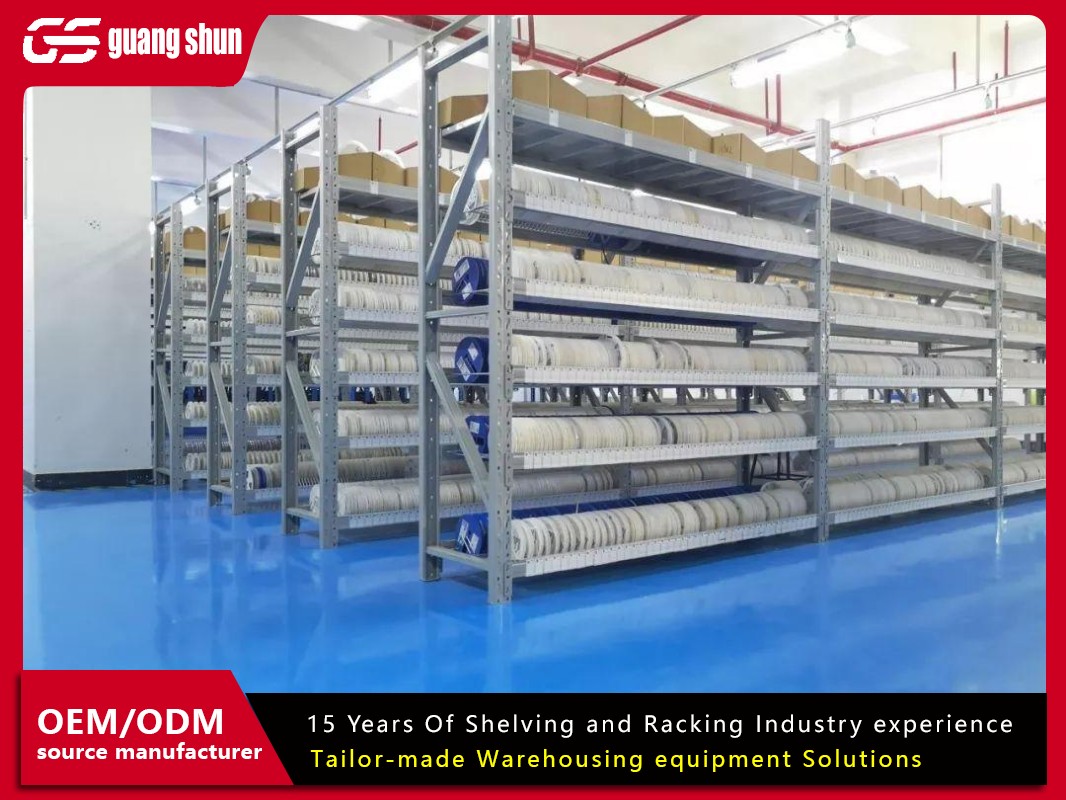
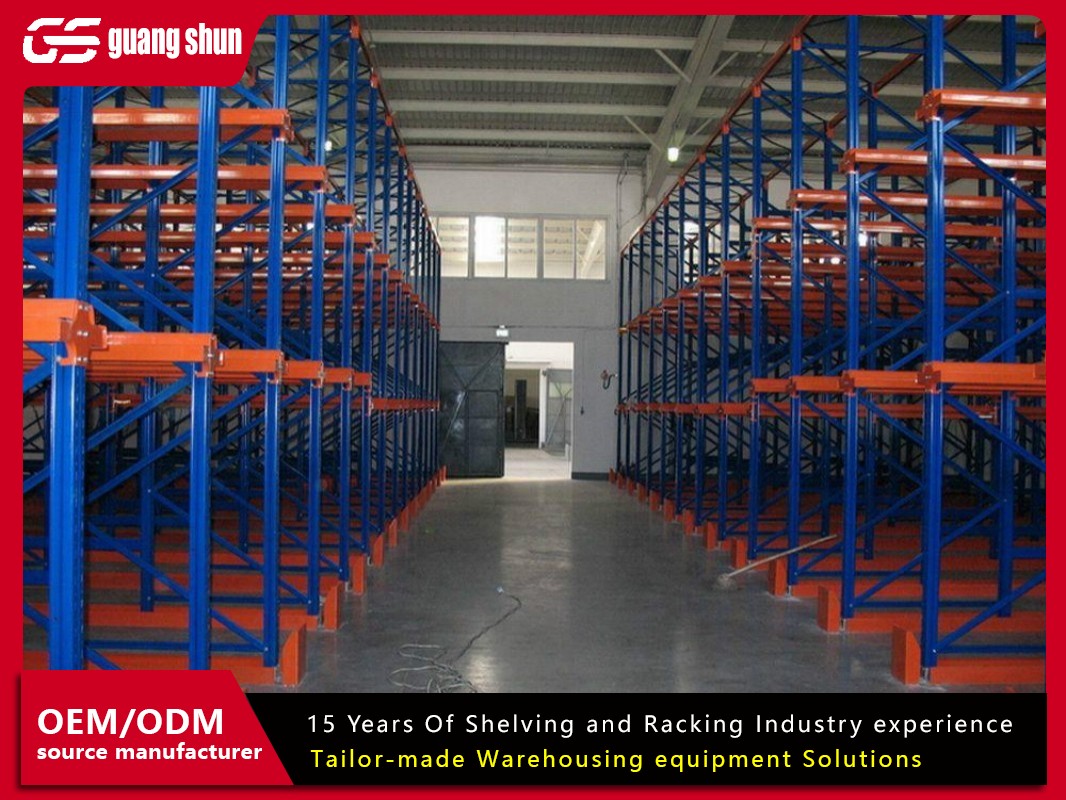
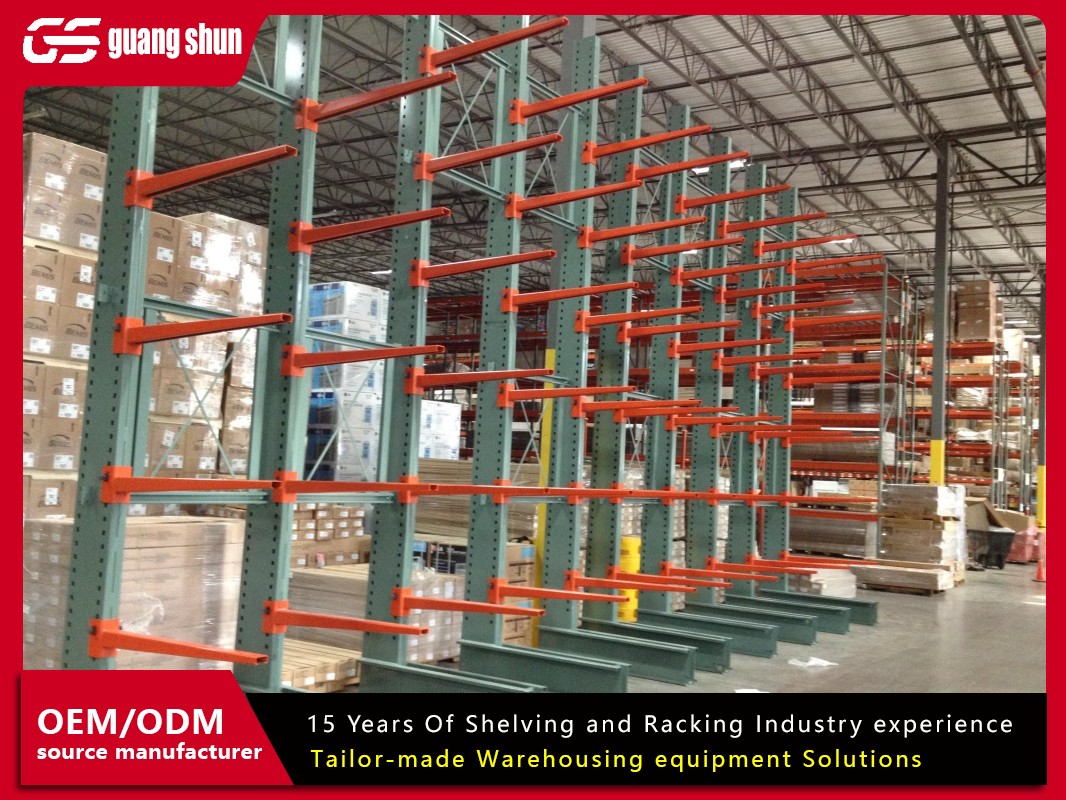
For warehouses aiming to maximize storage capacity without expanding their footprint, rack penetrable drive in systems offer a proven method. By allowing forklifts to enter the rack structure directly, these systems eliminate multiple aisles and boost pallet positions. Many operations pair this high-density approach with skinny pallet racks to further optimize narrow spaces. Whether you handle bulk commodities or mixed SKUs, rack penetrable drive in designs help you achieve more with less floor area.
What Is Rack Penetrable Drive In?
Rack penetrable drive in refers to a pallet racking configuration where forklifts drive into the rack lanes to place or retrieve loads. It operates on the last-in, first-out (LIFO) principle. The structure consists of upright frames, support rails, and guide rails that direct the forklift safely. Unlike selective racks, which require an aisle for every row, rack penetrable drive in systems create continuous storage tunnels. This design is ideal for large quantities of identical products, such as bottled goods or raw materials. When combined with skinny pallet racks, warehouses can achieve even greater density in confined areas.
Key Components of Rack Penetrable Drive In
Upright frames: Heavy-duty steel columns that bear the vertical load.
Pallet support rails: Horizontal bars along the lane that hold pallets.
Guide rails: Help forklift operators stay centered inside the lane.
Cross bracing: Provides lateral stability to the entire structure.
Floor anchors: Secure the rack to the concrete slab.
Benefits of Rack Penetrable Drive In Systems
Implementing rack penetrable drive in brings multiple operational advantages:
Exceptional space utilization: By removing aisles, you can store up to 75% more pallets compared to conventional racks.
Cost-effective: Lower cost per pallet position than automated systems or wide-aisle layouts.
Ideal for bulk storage: Perfect for products with long shelf lives and high turnover in batches.
Simplified inventory management: LIFO rotation suits items that don't require strict FIFO.
Scalability: Easily expand or reconfigure as business needs evolve.
When integrated with skinny pallet racks, these systems allow you to store smaller pallets in narrow footprints, maximizing every square foot.
Design Considerations for Rack Penetrable Drive In
Proper design ensures safety and efficiency. Every installation must account for specific warehouse conditions.
Lane Depth and Dimensions
Lane depth typically ranges from 2 to 10 pallets deep. Deeper lanes increase density but reduce accessibility. The choice of forklift (counterbalance, reach truck) affects aisle width and lift height. Always involve structural engineers when planning rack penetrable drive in.
Pallet and Load Requirements
Pallet condition is critical – damaged pallets can jam inside lanes. Weight capacity per level must include dynamic loads during forklift entry. Standard rack penetrable drive in systems handle up to 2,500 lbs per pallet, but custom designs are available for heavier loads.
Seismic and Safety Regulations
In earthquake-prone areas, additional bracing and anchoring are mandatory. Local codes often dictate seismic design categories. Work with certified installers to ensure compliance. Using skinny pallet racks alongside drive-in systems can help meet narrow-aisle requirements while maintaining stability.
Industries That Benefit from Rack Penetrable Drive In
Various sectors leverage these systems for high-volume storage:
Food and beverage: Storing pallets of canned goods, bottled water, or bulk ingredients.
Cold storage: Maximizing expensive freezer space where every square foot counts.
Automotive parts: Holding large quantities of tires or components.
Pharmaceuticals: Warehousing raw materials with long shelf lives.
Consumer goods: Managing seasonal stock and promotional pallets.
In each case, rack penetrable drive in provides the density needed to streamline operations, often in combination with skinny pallet racks for smaller product lines.
Comparison: Rack Penetrable Drive In vs. Other Systems
Understanding how drive-in compares to alternatives helps you make informed decisions.
vs. Selective Racking
Selective racks offer 100% accessibility to every pallet but require more aisles. Rack penetrable drive in sacrifices accessibility for density – best when you store few SKUs in large quantities. Selective is preferable for mixed loads and fast-moving goods.
vs. Push Back Racking
Push back uses carts that slope toward the aisle, offering slightly better selectivity. However, rack penetrable drive in is simpler and more cost-effective for very deep lanes (5+ pallets). Push back suits medium-density, multi-SKU storage.
vs. Pallet Flow Racks
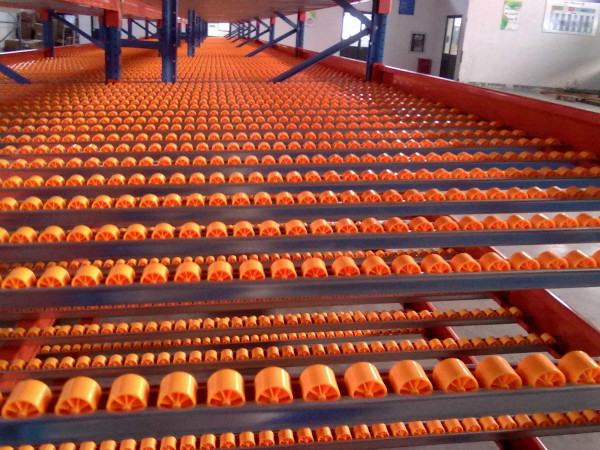
Pallet flow uses gravity to move pallets to the front, enabling FIFO. They are ideal for perishables but cost more per lane. Rack penetrable drive in remains the economical choice for non-perishable bulk items. Adding skinny pallet racks in adjacent areas can handle smaller, fast-moving SKUs separately.
Safety Guidelines for Rack Penetrable Drive In
Operating drive-in systems requires strict safety protocols:
Operator training: Drivers must practice entering narrow lanes without damaging uprights.
Protective column guards: Install guards at lane entrances to absorb impacts.
Regular inspections: Check for bent rails, loose anchors, or missing safety pins weekly.
Load limits: Never exceed the manufacturer’s weight ratings per level.
Clear signage: Mark maximum load heights and lane capacities.
Following these guidelines extends the life of your rack penetrable drive in system and protects personnel.
Maintenance of Rack Penetrable Drive In Racks
Routine maintenance ensures longevity and safety. Inspect your system monthly for:
Damaged or bent uprights – replace immediately.
Loose bolts or connections – retorque as needed.
Floor anchor integrity – re-anchor if shifting occurs.
Rail alignment – misaligned rails cause forklift instability.
Keep a maintenance log and train staff to report any issues. Proactive care prevents costly replacements. When using skinny pallet racks in conjunction, ensure they are inspected with the same frequency.
Installation Tips for Rack Penetrable Drive In
Proper installation is critical. Always hire experienced technicians who will:
Verify floor flatness and cure concrete anchors correctly.
Use laser levels to ensure uprights are perfectly plumb.
Install shims if floors are uneven to distribute loads evenly.
Test the first few bays with loaded pallets before completing the whole system.
When installation is done right, rack penetrable drive in provides decades of reliable service.
In conclusion, rack penetrable drive in systems deliver unmatched storage density for warehouses handling uniform products. By understanding their design, safety needs, and applications, you can make an informed investment. Whether you are expanding existing space or building a new facility, consider these high-density racks – possibly alongside skinny pallet racks – to optimize floor space and streamline operations.
Frequently Asked Questions about Rack Penetrable Drive In
Q1: What is the maximum lane depth for rack penetrable drive in systems?
A1: Typical lane depths range from 2 to 10 pallets deep, though custom designs can go deeper. Depth is limited by forklift reach and the need for safe entry. For depths beyond 8 pallets, consider using reach trucks with extended mast capabilities. Always verify with your rack supplier.
Q2: Can rack penetrable drive in be used for FIFO inventory rotation?
A2: Standard drive-in systems operate on a LIFO basis (last in, first out). If you require FIFO, consider drive-through racks (which have entry and exit on opposite sides) or pallet flow systems. However, true FIFO in a drive-in configuration is not possible without modifications.
Q3: What safety equipment is recommended for rack penetrable drive in aisles?
A3: Essential safety gear includes column protectors at lane entrances, guide rails for forklifts, overhead beam protection, and clear floor markings. Some facilities also install wire mesh panels to prevent pallets from falling sideways. Regular safety audits are crucial.
Q4: How do I calculate the cost savings of switching to rack penetrable drive in?
A4: Compare your current pallet positions per square foot with projected figures for drive-in. Factor in reduced construction costs (fewer aisles) and potential savings in land or building leases. For an accurate estimate, consult a storage specialist who can model your specific SKU mix and throughput.
Q5: Are rack penetrable drive in systems suitable for automated forklifts?
A5: Yes, many automated guided vehicles (AGVs) are compatible with drive-in racks, provided the lanes are wide enough and guidance systems (like tapes or lasers) are installed. Automated systems often improve safety and reduce product damage in high-density environments.
Q6: What is the typical lifespan of a rack penetrable drive in system?
A6: With proper use and maintenance, steel racking can last 20–30 years. Key factors include the frequency of forklift impacts, environmental conditions (humidity, temperature), and adherence to load limits. Regular inspections and prompt repairs will maximize lifespan.