Rack Shuttle System: High-Density Storage ExplainedA rack shuttle system is an automated storage solution designed for high-density warehousing. It uses a battery-powered shuttle cart that travels inside racking lanes to deposit or retrieve pallets. This technology reduces the need for forklifts to enter deep lanes, cutting operational costs and improving safety. In this article, we break down how the rack shuttle system works, its main components, and why warehouses adopt it.
What Is a Rack Shuttle System?
A rack shuttle system consists of motorized shuttles that run on rails within the rack structure. Each shuttle is controlled remotely or via a warehouse management system. It moves pallets to the front of the lane for pickup by a forklift, or stores them in the designated position. The system works on a "first-in, first-out" (FIFO) or "last-in, first-out" (LIFO) basis, depending on the layout.
Unlike traditional pallet racking, the rack shuttle system allows multiple pallets to be stored in a single lane with only one access aisle. This maximizes storage density, making it ideal for facilities with limited floor space. The shuttles themselves are compact, lightweight, and can handle various pallet sizes and weights.
Core Components of a Rack Shuttle System
To understand how the system delivers efficiency, it helps to look at its main parts. Every component plays a role in seamless operation.
Shuttle Cart
The shuttle cart is the heart of the rack shuttle system. It runs on rails inside the racking lanes and is powered by rechargeable batteries. The cart lifts and lowers pallets using built-in forks or platforms. Modern shuttles come with sensors to detect pallet position and obstacles.
Rack Structure and Rails
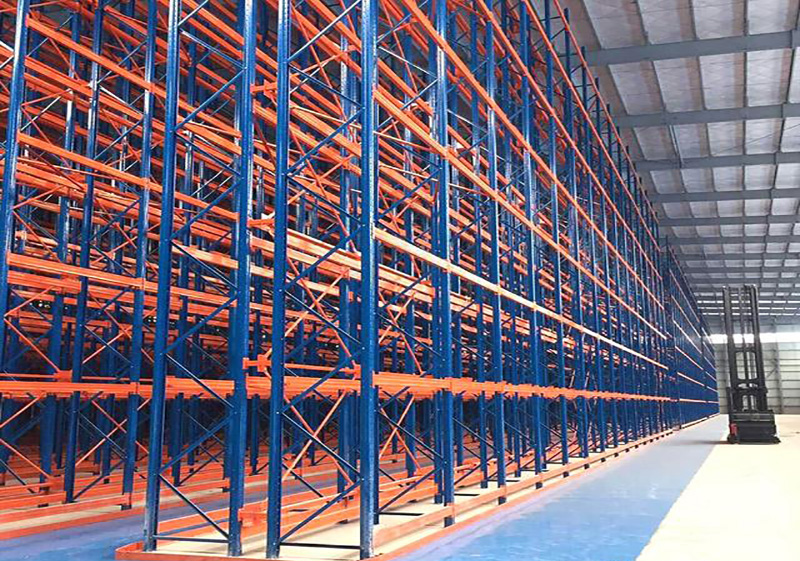
The rack is made of steel uprights and beams, with rails installed along each lane. Rails guide the shuttle and ensure stable movement even under heavy loads. The structure is designed to support the weight of both the shuttle and stored pallets, often up to 1,500 kg per pallet position.
Control System
A programmable logic controller (PLC) or warehouse management software directs the shuttle. Operators use tablets or fixed terminals to assign tasks, such as storing or retrieving specific pallets. Some systems integrate with barcode scanners for real-time inventory tracking.
Charging Station
Shuttles return to a designated charging point when idle or battery levels drop. Automatic charging ensures continuous operation without manual intervention. Many systems use opportunity charging, where the shuttle charges during short breaks between cycles.
How a Rack Shuttle System Operates
The operation follows a simple cycle: a forklift places a pallet at the entrance of a lane. The shuttle picks it up, travels to the target position, and deposits it. For retrieval, the shuttle brings the pallet to the front, where the forklift takes over.
Multiple shuttles can work in different zones simultaneously. Advanced systems coordinate shuttle movements to avoid collisions. Since the shuttle does most of the travel, forklift traffic is reduced by up to 70% in dense storage areas.
Forklift deposits pallet at lane entry point.
Shuttle lifts pallet and moves to assigned slot.
Sensors confirm placement, and shuttle returns to ready position.
For retrieval: shuttle fetches pallet and brings it to the front.
Forklift collects pallet for shipping or processing.
Key Advantages of a Rack Shuttle System
Warehouses turn to this automation for several measurable benefits. Below are the main reasons logistics managers choose a rack shuttle system.
Space utilization: The system stores pallets deeper, reducing aisle numbers. Storage density can increase by 25–60% compared to selective racking.
Faster cycle times: Shuttles move quickly inside lanes, so forklifts only travel to lane entrances. This cuts pallet handling time significantly.
Reduced product damage: Fewer forklift entries mean less chance of hitting racks or pallets. Shuttles handle loads smoothly with built-in guides.
Scalability: Adding more shuttles or expanding rack blocks is straightforward. The system adapts to seasonal inventory changes.
Energy efficiency: Shuttles consume little power and recharge automatically. Compared to reach trucks, energy costs are lower per pallet move.
Worker safety: Operators spend less time in narrow aisles, reducing accident risks. The shuttle takes over repetitive travel.
Moreover, the rack shuttle system integrates with existing warehouse software, making it a flexible upgrade for both new and existing facilities.
Rack Shuttle System vs. Other Storage Methods
To highlight its value, compare the rack shuttle system with common alternatives. Each method has trade-offs in density, speed, and cost.
Selective Pallet Racking
Selective racking offers direct access to every pallet but requires many aisles. Space utilization is lower (around 30–40% of floor space). The rack shuttle system doubles or triples density by using deep lanes and fewer aisles.
Drive-In / Drive-Thru Racking
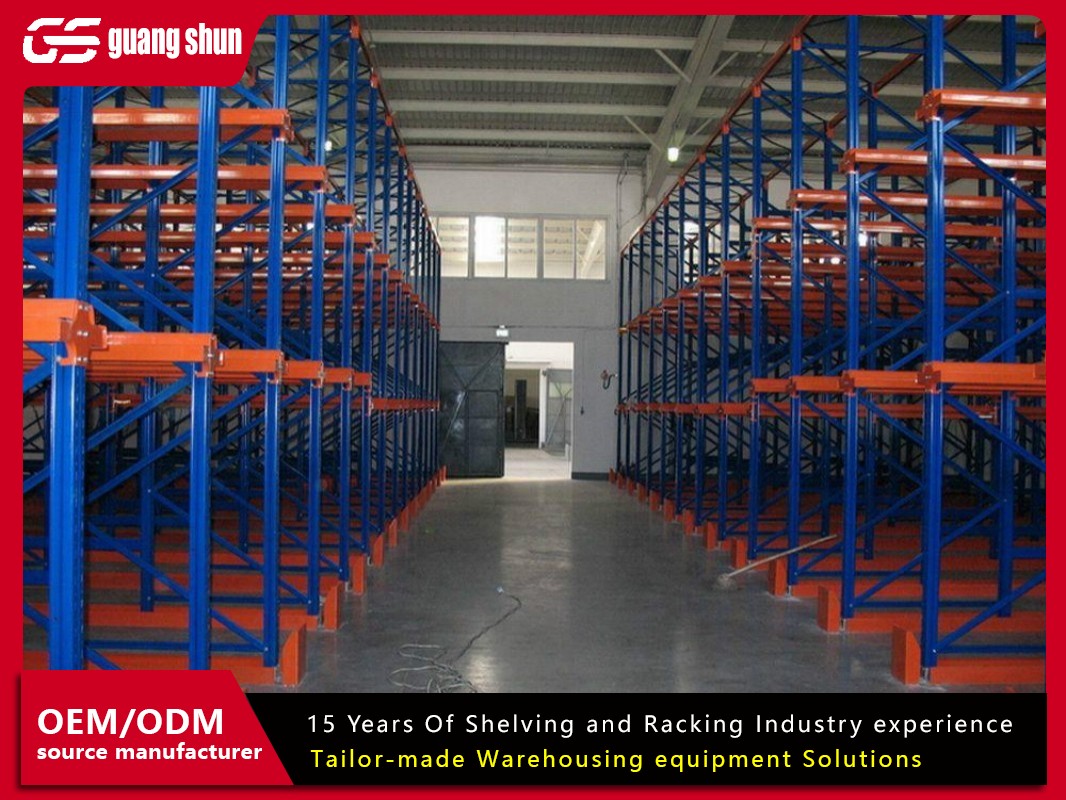
Drive-in racking allows forklifts to enter lanes, which can damage racks and pallets. Depth is limited, and handling is slower. A rack shuttle system eliminates forklift entry, preserving structural integrity and speeding up putaway.
AS/RS (Automated Storage & Retrieval Systems)
Full AS/RS uses cranes and conveyors, offering high throughput but at a much higher investment. The rack shuttle system provides a mid-tier automation level, balancing cost and performance. It is especially suited for existing buildings with lower ceiling heights.
Industries That Benefit from a Rack Shuttle System
Many sectors use this technology to handle large volumes of uniform products. Common applications include:
Food and beverage: Storing pallets of drinks, canned goods, or dry ingredients. The system supports FIFO rotation, essential for perishable items.
Cold storage: Shuttles operate in temperatures as low as -30°C, reducing human exposure to cold. The compact layout also minimizes refrigeration energy loss.
Retail and e-commerce: Managing high volumes of fast-moving consumer goods. The shuttle system enables quick replenishment for order picking zones.
Pharmaceuticals: Secure storage with batch tracking. The system can integrate with traceability software.
Automotive parts: Handling heavy components like tires or bumpers. Shuttles are built to manage high loads with precision.
Selecting the Right Rack Shuttle System
Before investing, evaluate your warehouse conditions and operational goals. Consider these factors:
Pallet dimensions and weight – ensure shuttle capacity matches your loads.
Throughput requirements – number of pallets moved per hour.
Lane depth – deeper lanes increase density but may affect access time.
FIFO vs. LIFO – some systems are configured for either flow principle.
Integration with WMS – check compatibility with your current software.
Maintenance support – availability of spare parts and service technicians.
Working with an experienced supplier ensures the rack shuttle system is tailored to your SKU profile and building layout. Pilot tests can validate performance before full deployment.
Maintenance and Safety of Rack Shuttle Systems
Regular upkeep keeps the system running reliably. Key maintenance tasks include:
Battery checks and cleaning contacts to ensure proper charging.
Inspecting rails for debris or misalignment that could derail shuttles.
Updating software to improve logic and fix bugs.
Training operators on manual override procedures in case of emergency.
Safety features built into modern shuttles include laser sensors, emergency stop buttons, and audible alarms when moving. The rack structure should also have protective end-stops to prevent shuttles from running out of lanes.
Future Trends in Rack Shuttle Technology
Manufacturers continue to refine the rack shuttle system with better batteries, lighter materials, and smarter software. Some developments include:
Lithium-ion batteries for faster charging and longer life.
5G connectivity for real-time communication between shuttles and the control center.
Artificial intelligence to predict traffic and optimize shuttle routes.
Hybrid systems that combine shuttles with autonomous mobile robots (AMRs) for end-to-end automation.
These innovations will further reduce labor needs and improve throughput, making the rack shuttle system even more attractive for modern distribution centers.
Conclusion
The rack shuttle system delivers a practical balance of density, speed, and cost for warehouses handling palletized goods. By automating horizontal transport inside the rack, it reduces forklift dependency and boosts safety. Whether you operate a cold store, a retail DC, or a production warehouse, adopting a rack shuttle system can streamline your material flow. Evaluate your current storage methods and consider how this technology might fit your future plans.
Frequently Asked Questions (FAQ)
Q1: What is the typical lifespan of a rack shuttle system?
A1: With proper maintenance, the mechanical components like rails and shuttles last 10–15 years. Batteries usually need replacement every 3–5 years, depending on usage cycles.
Q2: Can a rack shuttle system be installed in an existing warehouse?
A2: Yes, it can be retrofitted into most buildings. The system only requires level floors and sufficient ceiling height. Existing pallet racking can often be modified with rails and shuttles.
Q3: How much does a rack shuttle system cost compared to traditional racking?
A3: The initial investment is higher than standard selective racking due to the shuttles and controls. However, the increased storage density and labor savings usually deliver payback within 2–4 years.
Q4: Is a rack shuttle system suitable for mixed-SKU storage?
A4: It works best for products with consistent dimensions and medium to high turnover. For mixed SKUs, you can assign lanes per SKU or use shuttle systems with deeper lanes and sequencing software to manage variety.
Q5: What happens if a shuttle breaks down inside a lane?
A5: Most systems have manual retrieval tools, such as a special push-pull tool or a secondary shuttle to extract the disabled unit. Modern shuttles also have diagnostic lights to indicate faults, making troubleshooting faster.
Q6: Does a rack shuttle system work in freezer environments?
A6: Yes, shuttles are available with cold-rated components, including low-temperature lubricants and heaters for electronics. They operate reliably in -30°C environments.
Q7: Can the system handle different pallet sizes on the same lane?
A7: Typically, each lane is designed for a specific pallet size to ensure stable storage. If pallet sizes vary, you may need to separate them into different lanes or use adjustable shuttles, though that is less common.