Industrial warehouses often deal with massive loads and bulky goods. A robust rack heavy system provides the necessary support for these demanding environments. Unlike light-duty shelving, these structures are engineered to handle significant weight while maintaining stability. This article covers the essentials of rack heavy solutions, helping you choose the right one for your facility.
What Is a Rack Heavy System?
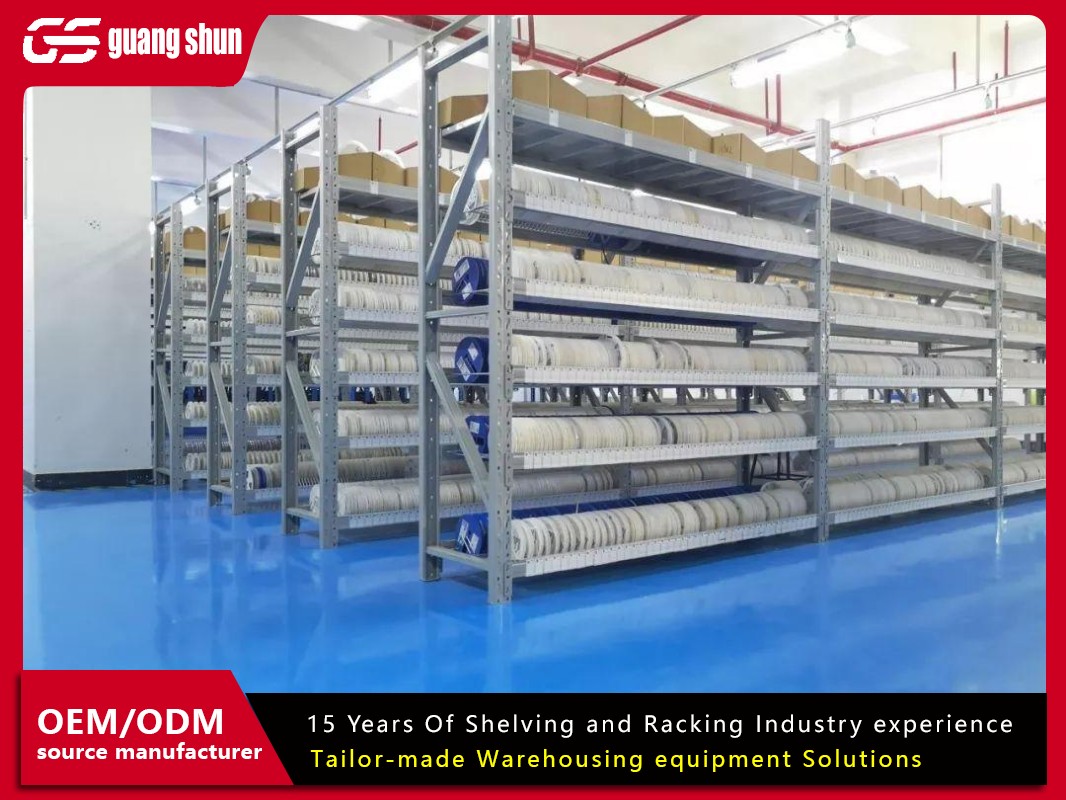
A rack heavy system refers to storage racks built to bear heavy loads, typically over 1,000 kg per shelf level. They consist of sturdy upright frames and thick beams, often made from high-grade steel. These racks are designed for palletized goods, machinery parts, or bulk materials in warehouses and distribution centers.
Common applications include automotive parts storage, construction material warehousing, and food industry cold stores. The design prioritizes strength and durability over aesthetics. Many rack heavy installations can last decades with proper maintenance.
Load capacities often exceed 2,000 kg per beam level.
Beams and frames are thicker than standard racks.
Often used with forklifts and pallet jacks.
Key Benefits of Rack Heavy Systems
Investing in a quality rack heavy system brings multiple advantages to industrial operations. Below are the primary benefits that make them indispensable.
Exceptional Load Capacity: These racks are engineered for heavy loads, reducing the risk of collapse and product damage.
Space Optimization: By stacking vertically, a rack heavy setup maximizes floor space and increases storage density.
Durability: Constructed from robust steel, they withstand impacts and daily wear better than lighter alternatives.
Versatility: Adjustable beam levels allow customization for different pallet sizes and weights.
Safety Compliance: Many systems meet strict industry standards (e.g., RMI, FEM) when properly installed.
Common Types of Rack Heavy Systems
Several configurations fall under the rack heavy category. Each serves specific storage needs and warehouse layouts. Understanding these types helps in selecting the right solution.
Selective Heavy-Duty Pallet Racks
This is the most common type, offering direct access to every pallet. Aisles between rows allow forklifts to reach any load. They are ideal for warehouses with a wide variety of SKUs and high turnover rates. Selective rack heavy systems are easy to install and reconfigure.
Double-Deep Heavy Racks
Double-deep racks store pallets two-deep, reducing aisle requirements. They require reach trucks with extended forks or telescopic attachments. This configuration increases storage density while maintaining good accessibility for medium-turnover items. It is a popular rack heavy choice for many distribution centers.
Drive-In/Drive-Through Heavy Racks
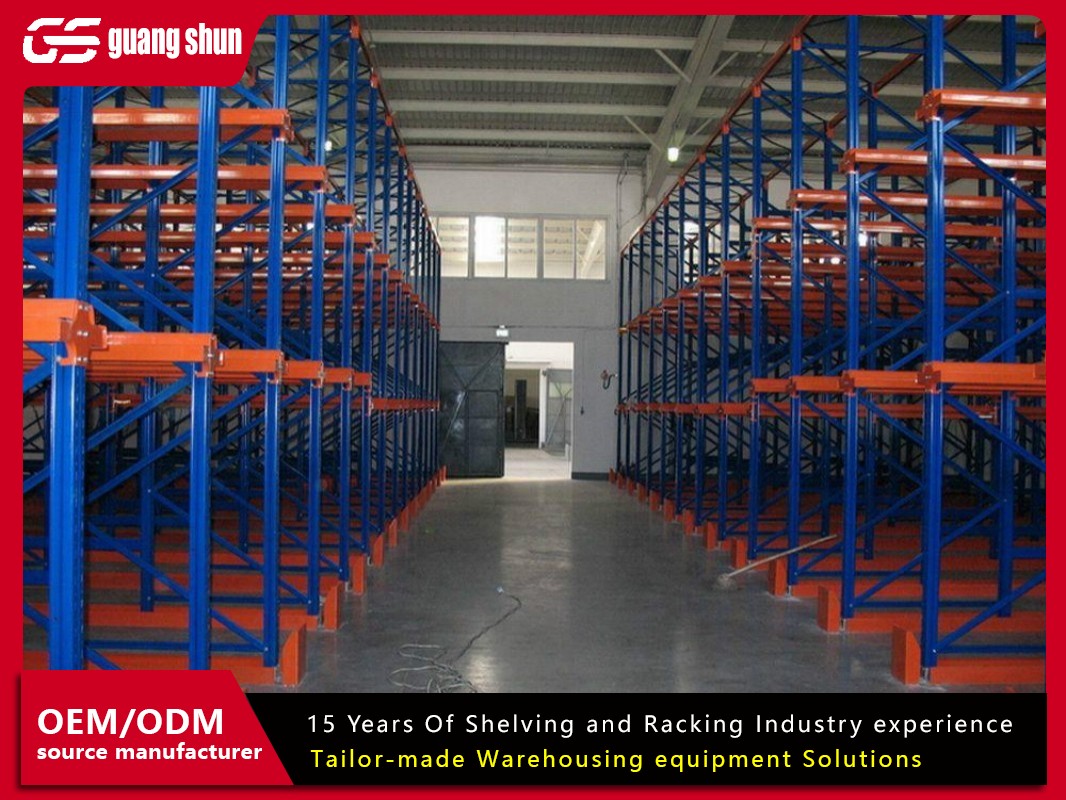
Drive-in racks allow forklifts to enter the structure to deposit or retrieve pallets. They operate on a LIFO (last-in, first-out) basis. Drive-through versions permit loading from one side and unloading from the other (FIFO). These systems offer very high density for homogeneous products, making them a true space-saving rack heavy solution.
Cantilever Heavy Racks
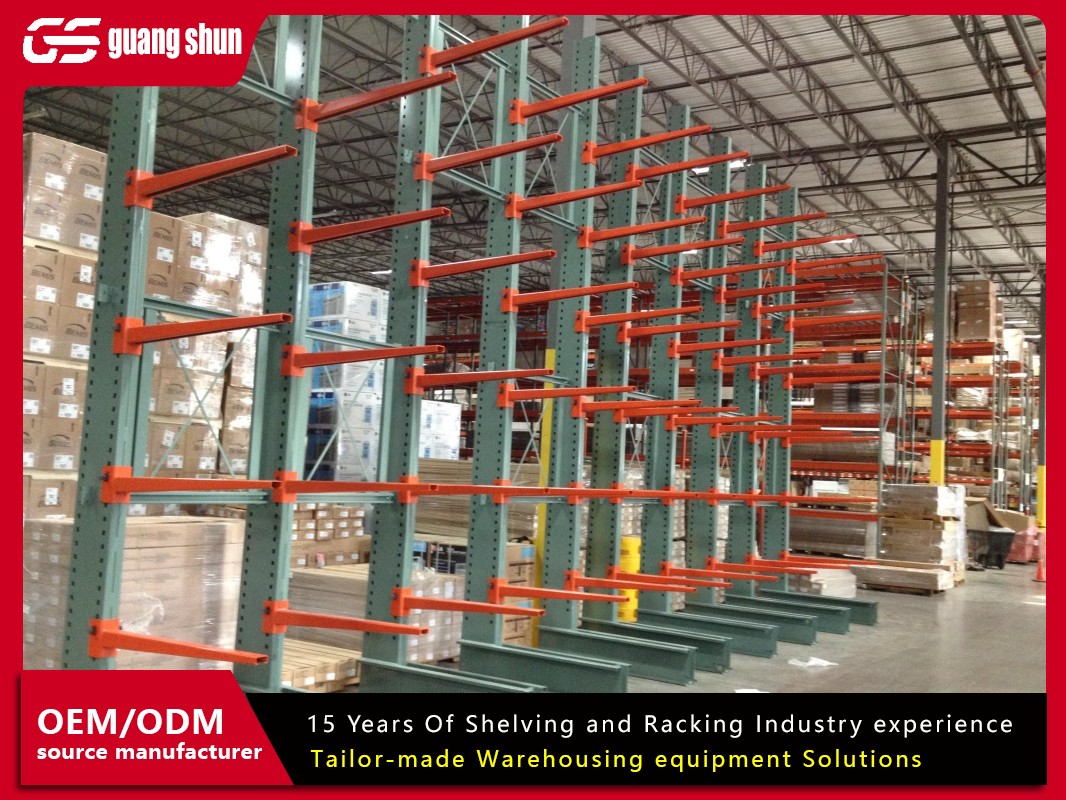
Cantilever racks are designed for long or awkward items like pipes, lumber, or steel bars. Arms extend from columns, supporting loads without front obstructions. They are highly adjustable and can handle significant weight. This rack heavy type is essential in metal service centers and lumber yards.
Pallet Flow Heavy Racks
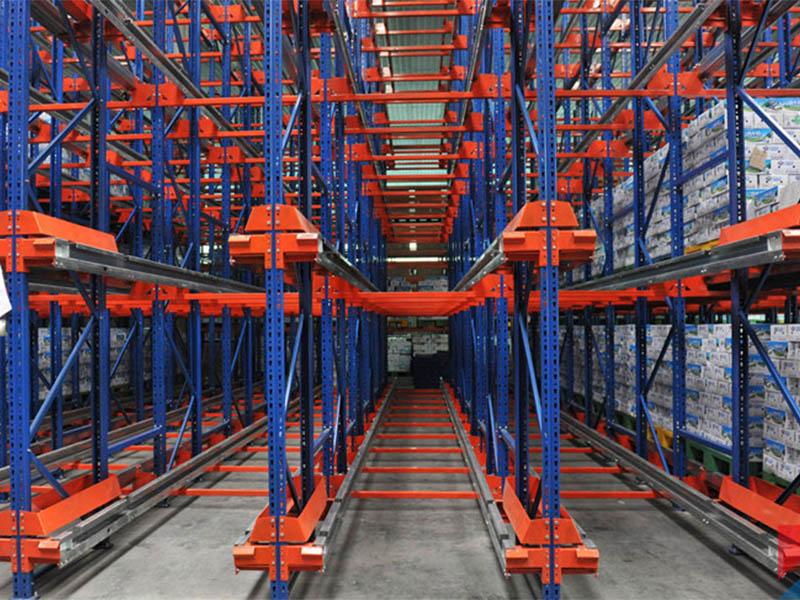
Pallet flow racks use gravity rollers to move pallets from the loading end to the unloading end. They support FIFO inventory rotation and are ideal for perishable goods. The structure itself is heavy-duty to withstand continuous movement and heavy loads. This dynamic rack heavy system maximizes throughput.
Factors to Consider When Choosing a Rack Heavy System
Selecting the appropriate rack heavy system requires careful evaluation of several warehouse and inventory factors. Overlooking these can lead to inefficiencies or safety risks.
Load Requirements
Determine the maximum weight per pallet and per beam level. Also consider dynamic loads (forklift impacts) and static loads. Ensure the rack's capacity exceeds your heaviest loads. Always consult load charts provided by the manufacturer for your specific rack heavy model.
Pallet and Product Dimensions
Measure pallet length, width, and height. Allow for overhang and clearance between levels. For cantilever racks, consider the length and weight distribution of long items. Proper sizing prevents product damage and improves picking efficiency.
Warehouse Layout and Height
Measure clear height under sprinklers, lights, and roof trusses. Taller racks increase storage density but require appropriate lifting equipment. Also consider column placement and existing obstructions. A well-planned rack heavy layout integrates seamlessly with workflows.
Aisle Width and Equipment
Narrow aisles increase density but require specialized forklifts (VNA or reach trucks). Standard aisles accommodate counterbalance trucks but reduce storage space. Match your material handling equipment to the rack heavy configuration.
Seismic Considerations
In earthquake-prone regions, additional bracing, anchors, and seismic-rated components are mandatory. Check local building codes and consult engineers to ensure your rack heavy system meets safety standards.
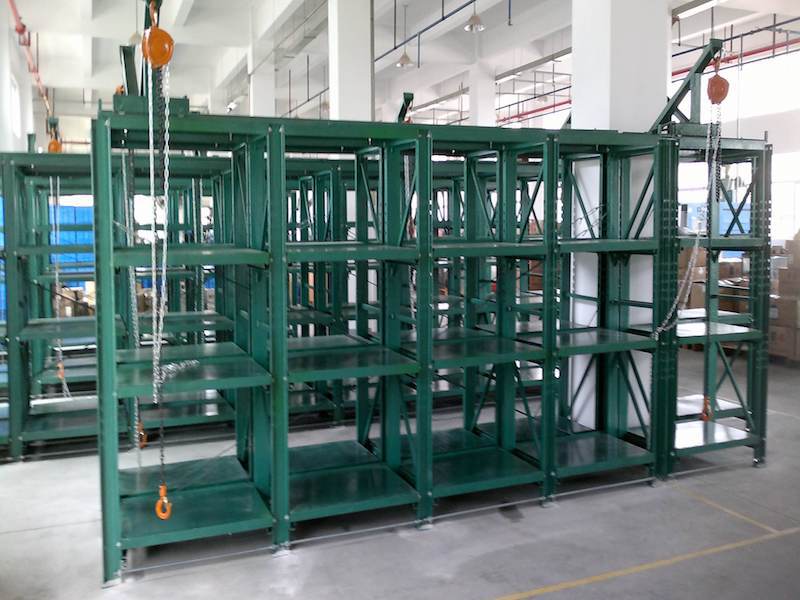
Installation and Safety Best Practices for Rack Heavy Systems
Proper installation and ongoing maintenance are critical for the longevity and safety of your rack heavy investment. Follow these guidelines to protect your personnel and products.
Installation Essentials
Ensure the floor is level and capable of supporting the combined weight of racks and goods. Use a concrete specialist if needed.
Anchor frames securely with expansion bolts or chemical anchors as specified by the manufacturer.
Install row spacers and wall ties to prevent tipping, especially for high-bay rack heavy installations.
Use shims to level racks on uneven floors; avoid over-tightening anchors on uneven surfaces.
Safety and Maintenance
Conduct monthly visual inspections for bent beams, damaged uprights, missing safety clips, or corrosion.
Never exceed the rated load capacity of any beam or shelf. Post load signs prominently.
Repair any damage immediately—a bent upright can compromise the entire rack heavy structure.
Train forklift operators to avoid impacts with rack legs; install column protectors in high-traffic areas.
Schedule annual professional inspections by certified engineers to detect hidden issues.
Many suppliers offer maintenance programs tailored for rack heavy systems. Regular upkeep ensures compliance with safety regulations and extends equipment life.
Applications of Rack Heavy Systems Across Industries
Rack heavy solutions are used in diverse sectors where heavy goods are stored. Here are some common applications.
Automotive: Storing engines, transmissions, and body parts on heavy-duty pallet racks.
Construction: Warehousing cement bags, steel rebar, and lumber on cantilever or drive-in racks.
Food and Beverage: High-density storage of canned goods, beverages, and bulk ingredients using pallet flow or selective racks.
Retail Distribution: Handling large pallets of merchandise in regional distribution centers.
Manufacturing: Storing raw materials and finished goods in heavy industrial environments.
Each industry adapts rack heavy designs to meet specific handling requirements, such as temperature control or hazardous material segregation.
Frequently Asked Questions About Rack Heavy Systems
Q1: What is the weight capacity of a typical rack heavy system?
A1: Capacity varies widely based on design and manufacturer. Light heavy-duty racks may support 1,000–2,000 kg per level, while extra-heavy systems can handle over 5,000 kg per beam pair. Always refer to the load chart and include a safety margin.
Q2: Can rack heavy systems be adjusted to different pallet sizes?
A2: Yes, most systems feature adjustable beams that can be repositioned vertically in increments. This allows accommodation of varying pallet heights. Some racks also allow beam depth adjustments for different pallet widths.
Q3: Are there specific fire code requirements for rack heavy installations?
A3: Yes, fire codes often require clearance below sprinklers and may mandate in-rack sprinklers for high-bay storage. Rack configurations must not obstruct fire suppression. Consult a fire protection engineer during planning for your rack heavy system.
Q4: How long does a well-maintained rack heavy system last?
A4: With proper use and regular maintenance, steel rack heavy systems can last 20–30 years or more. Factors like repeated impacts, overloading, or corrosion can shorten lifespan. Annual inspections help maximize longevity.
Q5: What safety accessories are recommended for rack heavy systems?
A5: Common accessories include wire decking to prevent items from falling, column guards to protect uprights, row spacers for stability, and safety pins to lock beams. End-of-aisle barriers and netting are also used in high-traffic areas.
Q6: Can rack heavy systems be used outdoors?
A6: Some are designed for outdoor use with weather-resistant coatings like hot-dip galvanizing. However, exposure to rain and humidity can accelerate corrosion, so covered or semi-covered locations are preferable unless the racks are specifically rated for outdoor conditions.
Q7: What is the difference between rack heavy and medium-duty shelving?
A7: Heavy-duty racks have thicker steel, higher load capacities, and are designed for palletized loads handled by forklifts. Medium-duty shelving is typically for hand-loaded items and lower weights. Choosing the right type prevents structural failure
Selecting the appropriate rack heavy system is a critical decision that impacts warehouse safety, efficiency, and profitability. By understanding the different types, evaluating load requirements, and following installation best practices, you can build a storage solution that serves your operation for decades. Regular maintenance and adherence to safety guidelines ensure your rack heavy investment remains secure and productive. Whether you are expanding an existing facility or designing a new one, prioritize quality and consult experienced suppliers to match your specific needs.