In modern logistics and distribution, the warehouse pallet racking system is far more than
passive steel structures; it is the operational backbone that determines
throughput, safety, and capital efficiency. With e-commerce fulfillment
pressures and labor shortages intensifying, facility managers are moving beyond
basic selective racking toward engineered solutions that integrate seismic
design, automated retrieval interfaces, and load-specific beam configurations.
This article examines the structural mechanics, material science, and
application logic that separate a durable, cost-effective rack installation from
one that becomes a bottleneck or liability.
1. Load Path Fundamentals and Structural Classifications
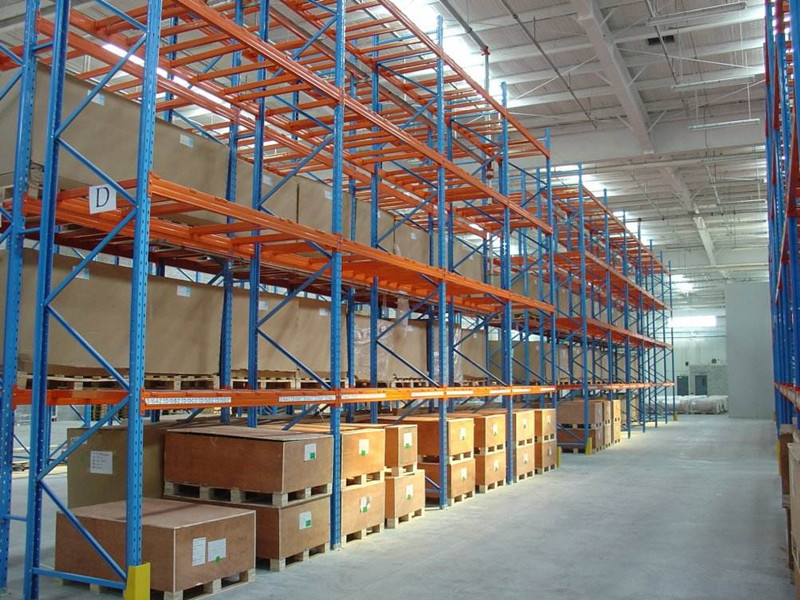
Every warehouse pallet racking system operates on a simple
principle: transfer the vertical load from palletized goods through beams,
frames, and footplates into the concrete floor. However, the complexity arises
in dynamic forces—forklift impacts, seismic events, and uneven load
distribution. Industry standards (AS4084-2012, RMI 2012) classify systems into
roll-formed (light-to-medium duty) and structural steel (heavy-duty,
bolt-together) varieties. Structural steel offers superior impact resistance and
is often specified for cold storage or high-bay applications exceeding 15
meters.
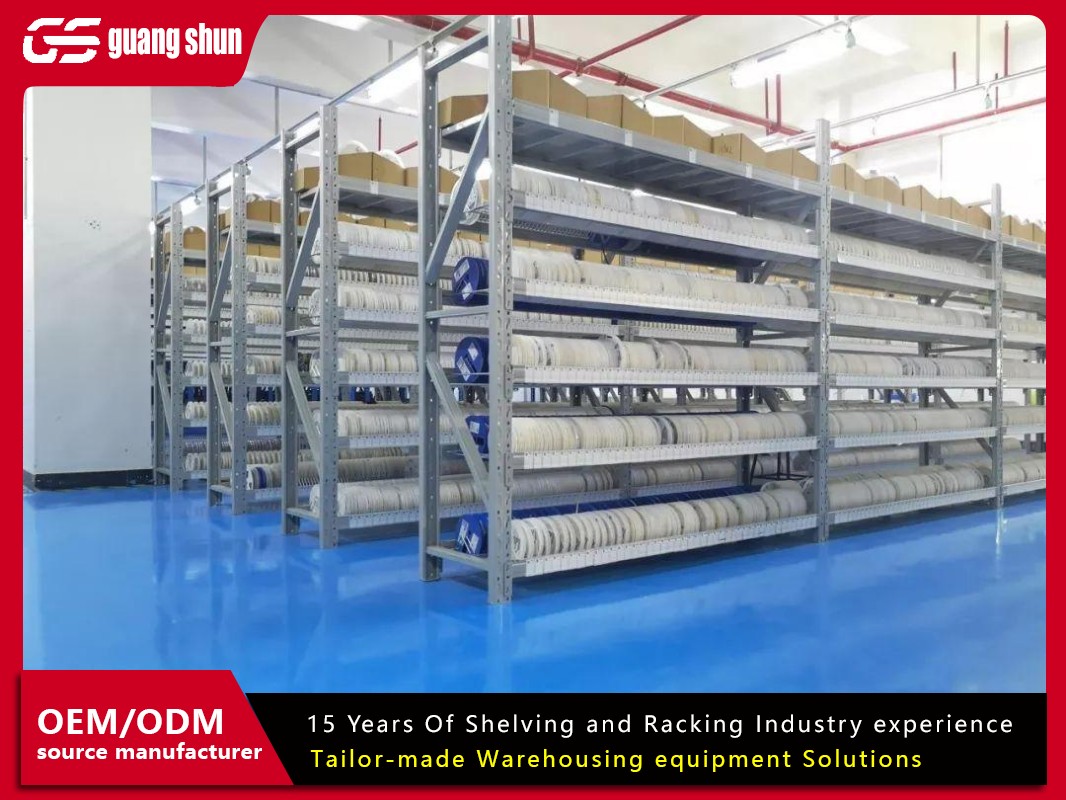
Selective Racking: Most common, offers 100% pallet
accessibility. Beam levels are adjustable in 75mm increments, allowing for mixed
SKU heights.
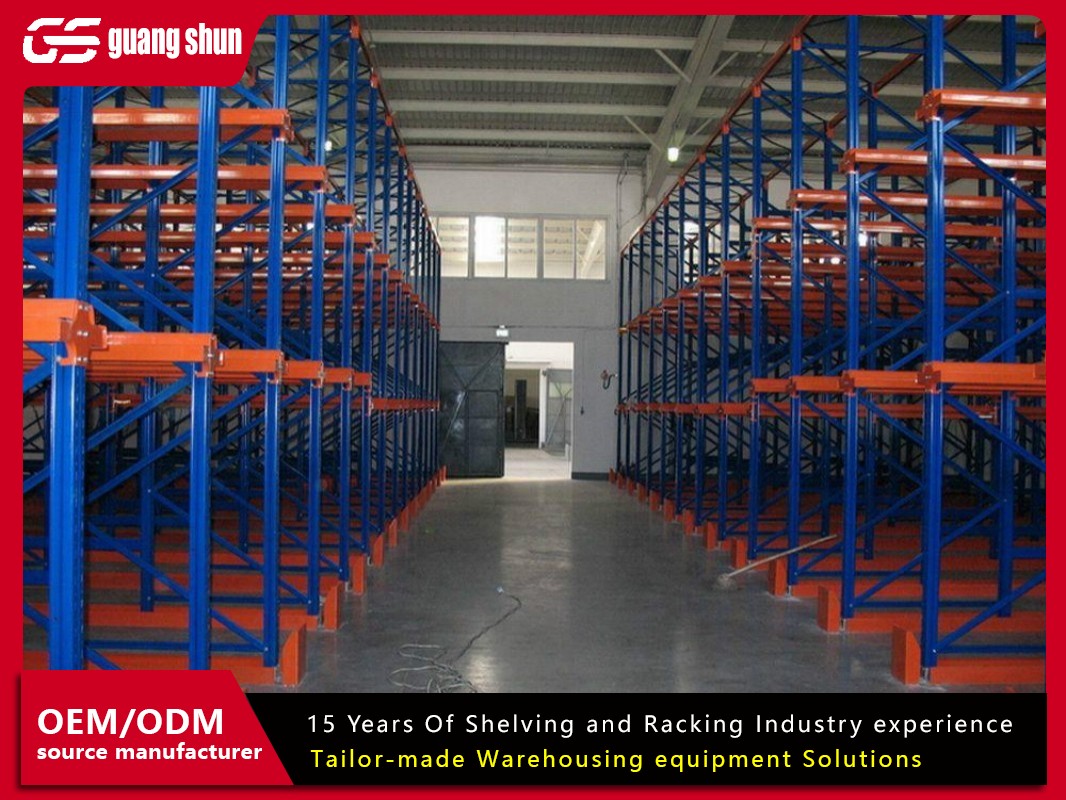
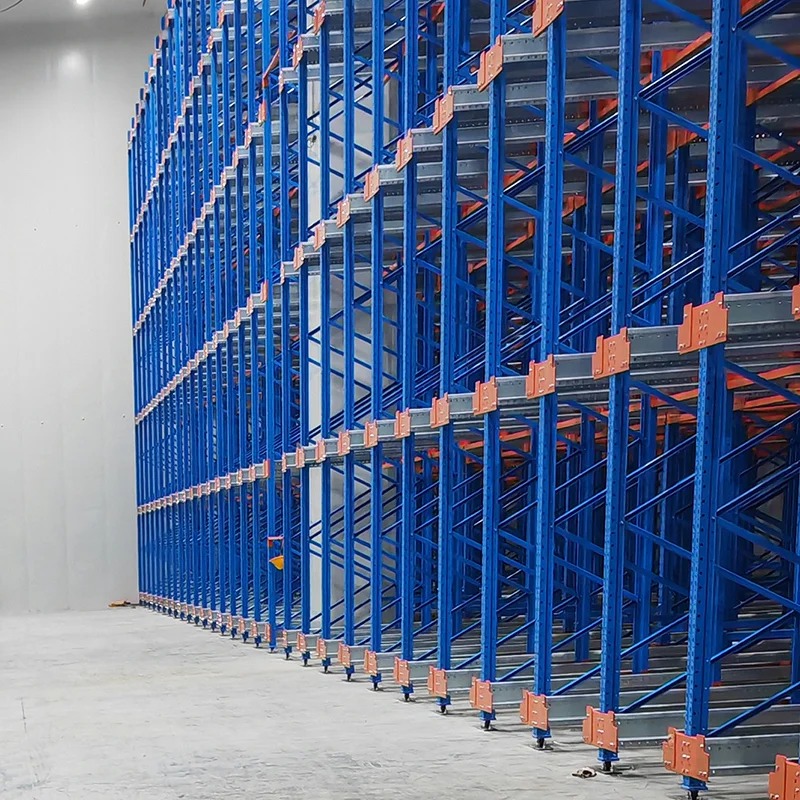
Drive-in/Drive-through: Maximizes storage density by
eliminating aisles; uses continuous rails for pallet entry. Suitable for
homogeneous, high-turnover products.
Push-back Racking: Utilizes nested carts on inclined rails,
providing last-in-first-out (LIFO) with higher density than selective.
Pallet Flow Racking: Employs roller tracks and speed
controllers for first-in-first-out (FIFO) inventory rotation, critical for
perishable goods.
2. The Hidden Costs of Inadequate Rack Design: Structural Failures and
Downtime
Many warehouse operators focus solely on initial purchase price, overlooking
the total cost of ownership. A poorly specified warehouse pallet racking
system often manifests in three pain points:
Beam deflection: Excessive sag under rated load reduces
clearances, potentially jamming automated storage and retrieval systems (AS/RS)
and causing sensor misreads.
Upright column damage: Impact from counterbalanced
forklifts can reduce column capacity by 40-60% even with minor dents (depth
>5mm triggers immediate derating per AISC guidelines).
Anchor bolt shear failure: In seismic zones, insufficient
baseplate anchorage leads to rack collapse during minor tremors, as seen in
several California distribution centers.
These issues translate to unplanned downtime averaging 14 hours per incident,
with repair costs often exceeding $8,000 per damaged frame, not including lost
throughput. A robust design incorporates column guards, baseplate stiffeners,
and seismic bracing as standard—not optional add-ons.
3. Material Selection and Corrosion Protection for Harsh Environments
Steel grade and coating directly influence the service life of any
warehouse pallet racking system. Most manufacturers use ASTM
A1001 or equivalent high-strength steel (yield strength 370–550 MPa). However,
the protective finish is equally critical:
Powder coating (epoxy-polyester hybrid): Standard for dry
warehouses, offering 60–80 microns thickness and good scratch resistance.
Hot-dip galvanizing: Essential for cold storage (-30°C)
where condensation and freeze-thaw cycles accelerate corrosion. Galvanized racks
typically last 2-3 times longer than painted systems in such environments.
Zinc-aluminum-magnesium (ZAM) coatings: Emerging as a
premium option, offering self-healing properties at cut edges, ideal for food
processing areas with frequent washdowns.
Furthermore, beam connectors—either pin-and-slot or bolted—must be matched to
the coating system to prevent galvanic corrosion. For instance, using
cadmium-plated bolts with galvanized frames is a known failure point;
Guangshun specifies stainless steel or coated fasteners to
maintain electrical and chemical compatibility, ensuring long-term joint
integrity. Their engineering team provides site-specific coating recommendations
based on humidity, temperature swings, and airborne contaminants—a service
detailed at https://www.gsracking.com/.
4. Seismic Design and Dynamic Load Analysis
Contrary to static load calculations, seismic forces impose horizontal
accelerations that can cause rack sway and overturning. The International
Building Code (IBC) requires special consideration for racks over 8 feet in
height. Key engineering responses include:
Braced frames: Diagonal cross-bracing in the down-aisle
direction, and horizontal sway bracing between bays.
Base isolation: Some high-value installations use
elastomeric pads under footplates to absorb ground motion.
Energy-dissipating beam-to-column connections: These allow
controlled deformation during an earthquake, preventing brittle
fracture.
For example, a 20-meter-high AS/RS rack in a Seismic Zone D region may
require up to 30% more steel mass compared to a non-seismic design. This added
cost—often overlooked in budget planning—is non-negotiable for compliance and
safety. Guangshun integrates finite element analysis (FEA) into
their design process, simulating earthquake loads per ASCE 7-22, and provides
detailed connection details that meet local building department approvals.
5. Interface with Automation: AGV, Shuttle Carts, and Robotics
Modern warehouse pallet racking system design must
accommodate automated guided vehicles (AGVs) and shuttle systems. This changes
the geometric requirements:
Floor flatness: AGV navigation often requires ±3mm over 3m
span, directly impacting baseplate leveling shims.
Rack alignment tolerances: For shuttle carts, beam-level
straightness must be within 2mm per 12m to prevent cart derailment.
Infrastructure ports: Power rails, inductive charging pads,
and data cables need dedicated channels within the rack structure.
One practical solution is modular floor-mounted rails that also serve as rack
base plates—reducing installation time and improving positioning accuracy.
Additionally, beam surfaces can be fitted with wear strips for shuttle wheels,
extending component life from 5 to 10 million cycles. Data from a recent
installation at a Midwest grocery DC showed that integrating these features
reduced total system commissioning time by 18% compared to retrofitting
automation after rack erection.
6. Pallet Flow and FIFO Optimization: Roller Track Selection
For operations managing expiration-dated goods (pharmaceuticals, food),
pallet flow racking is the preferred choice. Key components include:
Roller pitch: Standard 50mm pitch for standard GMA pallets,
but tighter pitch (30mm) for smaller or damaged pallets to prevent hanging.
Speed controllers: Hydraulic or mechanical brakes that
regulate pallet descent speed, preventing impact damage at lower levels.
Lane dividers: Structural steel separators that prevent
pallets from drifting between lanes—critical when handling mixed width
loads.
A well-designed flow system can achieve 85-90% storage density while
maintaining FIFO—density levels nearly matching drive-in but without the LIFO
constraint. However, the initial investment is 20-30% higher than selective
racking. The payback comes from reduced product damage (less than 0.5% damage
rate vs. 2-3% in drive-in) and improved inventory accuracy, which many operators
quantify as a 6-8 month ROI.
7. Installation Tolerances and Safety Certification
The best engineering design fails if installation quality is subpar. Critical
installation checks include:
Plumb tolerance: Upright columns must be within 1:1000 (1mm
per meter) for rack heights under 12m; tighter for taller racks.
Beam leveling: Adjacent beams must be within ±2mm to ensure
even load distribution on pallets.
Torque verification: Bolted connections require calibrated
torque wrenches; under-torquing leads to joint slippage, over-torquing can strip
threads.
Third-party inspection firms often conduct proof loading tests—applying 125%
of rated load for 24 hours—to verify structural integrity. Additionally, all
racks must have clear load capacity placards per OSHA 1910.176. A reputable
supplier will provide as-built drawings, bolt torque charts, and a comprehensive
maintenance schedule. Many failures we review are traced to missing anchor bolt
re-torque after the first six months of operation, a simple step that is
frequently omitted.
8. Lifecycle Cost Modeling and Decision Matrix
To justify capital expenditure, facility directors should model total cost of
ownership (TCO) over 15-20 years. The TCO includes:
Initial fabrication and coating
Freight and installation labor
Annual inspection and repair costs (estimate 1-2% of initial cost
per year)
Potential damage-related downtime (average $500/hour for a 50k sq.ft
DC)
Reconfiguration costs (SKU changes require beam repositioning; some
systems allow easier adjustments than others)
Comparing a premium structural-steel system vs. a standard roll-formed system
over 15 years, the premium option often shows 10-15% lower TCO due to fewer
replacements and less downtime. This is particularly evident in high-throughput
environments with frequent forklift traffic. For instance, a major tire
distributor reported a 22% reduction in annual rack repair costs after upgrading
to a heavier-gauge system specified by Guangshun, which
included integrated column protectors and reinforced footplates—a decision that
also improved their workplace safety KPIs.
9. Fire Safety Compliance and Sprinkler Clearance
Warehouse racking directly affects fire suppression performance. NFPA 13
requires specific flue spaces—both transverse and longitudinal—to allow heat and
smoke to reach sprinklers. Common pitfalls:
Blocked flue spaces: Storing oversized pallets or using
solid decking that prevents water penetration.
In-rack sprinkler placement: For racks over 25 feet,
in-rack sprinklers are mandatory, requiring specialized pipe supports and
clearance.
Load height restrictions: Must maintain at least 3 inches
below sprinkler deflectors.
Coordinate rack layout with fire protection engineers early—retrofits are
expensive and often require redistributing stored goods. Some jurisdictions also
mandate seismic bracing of sprinkler pipes to the rack structure, which affects
beam locations and requires additional steel. Ignoring these requirements can
delay occupancy permits by months.
10. Future-Proofing: Modularity and Scalability
Finally, a well-designed warehouse pallet racking system accommodates growth. Modular designs allow adding bays, raising heights (within
building constraints), or converting selective bays to flow or drive-in with
minimal structural changes. Key strategies:
Standardized beam lengths (e.g., 8, 9, 10 feet) to reduce
spare parts inventory.
Universal column profiles that accept multiple connector
types.
Extra footplate expansion slots for future anchoring to new
floor sections.
One automotive supplier added 40% more storage capacity over five years by
simply extending their rack grid into previously unused mezzanine areas—a
capability built into the original design. Such foresight avoids the cost and
disruption of a complete replacement. In summary, selecting the right rack
requires balancing density, accessibility, structural resilience, and automation
readiness—not just price per pallet position. For detailed specifications and
project-specific engineering support, consult Guangshun’s
technical resources, including their comprehensive warehouse pallet racking system design guide.
Frequently Asked Questions (FAQs) on Warehouse Pallet Racking Systems
Q1: What is the maximum safe height for a standard warehouse pallet
racking system without seismic bracing?
A1: Under RMI and AS4084
standards, unbraced racks are generally limited to 8 feet (2.4m) in height.
Above that, horizontal and diagonal bracing become mandatory, and seismic
requirements depend on the local peak ground acceleration (PGA). For zones with
PGA > 0.2g, full seismic design per ASCE 7 is required for any rack exceeding
12 feet.
Q2: How often should beam connectors and upright bolts be
inspected?
A2: Visual inspections should occur monthly for
high-traffic areas. A comprehensive torque verification and ultrasonic thickness
test for column wear should be performed annually. After any forklift impact,
immediate inspection of the affected bay and adjacent frames is required.
Q3: Can I mix different manufacturers' components within the same
rack row?
A3: Generally not recommended. Beam-to-column connections
are proprietary; mixing brands often results in mismatched slot sizes or bolt
patterns, compromising load capacity and stability. Stick with one supplier for
an entire block to ensure certification.
Q4: What are the clearances needed for AGV operation within a pallet
rack aisle?
A4: AGVs typically require a minimum aisle width of rack
width + 300mm clearance on each side. Additionally, floor flatness must be ±3mm
over 3m, and racks must have continuous guide rails or magnetic strips embedded
in the floor—not just painted lines—for reliable navigation.
Q5: How do I calculate the actual load capacity of a beam if the load
is not evenly distributed?
A5: Use the formula: Equivalent Uniformly
Distributed Load (EUDL) = (4 * concentrated load * distance from support) / beam
span. Derate the beam's published capacity if the load is not centered within
100mm of the beam midpoint. Always consult the supplier's engineering tables—do
not exceed 80% of the rated capacity for mixed loads to account for dynamic
effects.