Warehouse space is valuable, and maximizing it without expanding the building is a common goal. A narrow aisle racking system helps achieve this by reducing aisle widths between storage rows. This design allows more pallet positions within the same footprint. It is a strategic choice for operations seeking higher density while maintaining reasonable accessibility. This article explains the key aspects of this storage method.
What Is a Narrow Aisle Racking System?
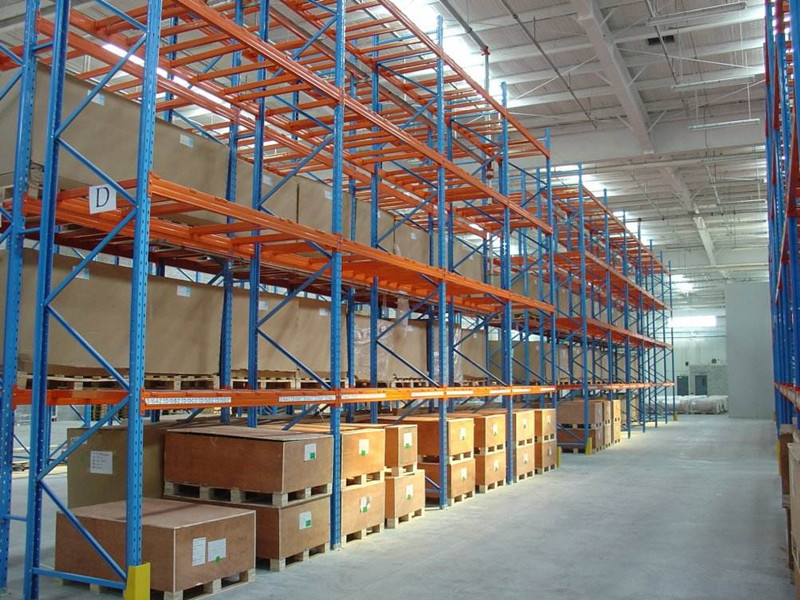
A narrow aisle racking system refers to storage configurations where aisles are narrower than those in conventional selective racking. Typical aisle widths range from 1.5 to 2.5 meters, compared to 3–4 meters in standard layouts. This reduction is achieved by using specialized forklifts that can maneuver in tighter spaces.
These systems rely on guidance mechanisms like wire guidance, rail guidance, or mechanical aids to keep forklifts aligned. The racks themselves are similar to standard pallet racks but positioned closer together. The result is a significant increase in storage density without moving the racks themselves.
Aisle widths typically between 1.5m and 2.5m.
Requires specialized very narrow aisle (VNA) or reach trucks.
Ideal for facilities with high land costs or limited expansion options.
Key Benefits of a Narrow Aisle Racking System
Implementing a narrow aisle racking system offers multiple advantages for warehouse operations. Below are the primary benefits that drive its adoption.
Increased Storage Density: By reducing aisle space, you can add more rack rows. Studies show density can increase by 30–50% compared to conventional layouts.
Better Use of Existing Space: Instead of building new facilities, a narrow aisle racking system maximizes the cubic volume of your current warehouse.
Improved Inventory Accessibility: Unlike high-density systems like drive-in racks, narrow aisle selective racks still offer direct access to each pallet.
Lower Operating Costs: More pallet positions per square meter reduce cost per pallet stored. Energy costs for lighting and climate control may also decrease.
Compatibility with Automation: Many narrow aisle systems can be integrated with automated guided vehicles (AGVs) or cranes for future upgrades.
Types of Narrow Aisle Racking Systems
There are several configurations under the umbrella of narrow aisle racking systems. The choice depends on your warehouse height, forklift type, and inventory characteristics.
Very Narrow Aisle (VNA) Racking
VNA systems operate with aisles as narrow as 1.5 meters. They use turret trucks or swing-reach trucks that can rotate forks 180 degrees. These trucks often require wire or rail guidance to stay centered. VNA is ideal for tall warehouses (up to 15 meters) with high-density storage needs.
Narrow Aisle Selective Racking
This is a simpler version where aisles are moderately reduced (around 2–2.5 meters) and standard reach trucks are used. It does not require expensive guidance systems but still offers better density than conventional racks. It is a cost-effective entry into narrow aisle storage.
Double-Deep Racking with Narrow Aisles
Double-deep racks store pallets two-deep, reducing the number of aisles. When combined with narrow aisles and reach trucks with extended forks, it further boosts density. However, it requires specialized trucks and is best for medium-turnover items.
Important Considerations for Implementing a Narrow Aisle Racking System
Adopting a narrow aisle racking system involves careful planning. Several factors must be addressed to ensure safety and efficiency.
Floor Flatness Requirements
Narrow aisle operations demand very flat floors. Turret trucks and VNA equipment are sensitive to uneven surfaces. The floor must meet specific flatness tolerances (typically FM2 or better) to prevent instability and equipment damage. Professional floor profiling is recommended before installation.
Forklift and Equipment Compatibility
Not all forklifts work in narrow aisles. You need VNA trucks, reach trucks with side shifters, or man-up order pickers. Consider the cost of new equipment and operator training. Some systems use rail-guided carts that move within the aisles.
Safety and Training
Narrow aisles leave little room for error. Operators must be highly trained to avoid collisions with racks. Install guidance systems, aisle end barriers, and speed limiters. Regular audits of rack condition are vital because impacts can be more frequent in tight spaces.
Wire guidance or mechanical rails keep trucks centered.
Use laser or camera aids to assist operators.
Implement strict traffic management rules.
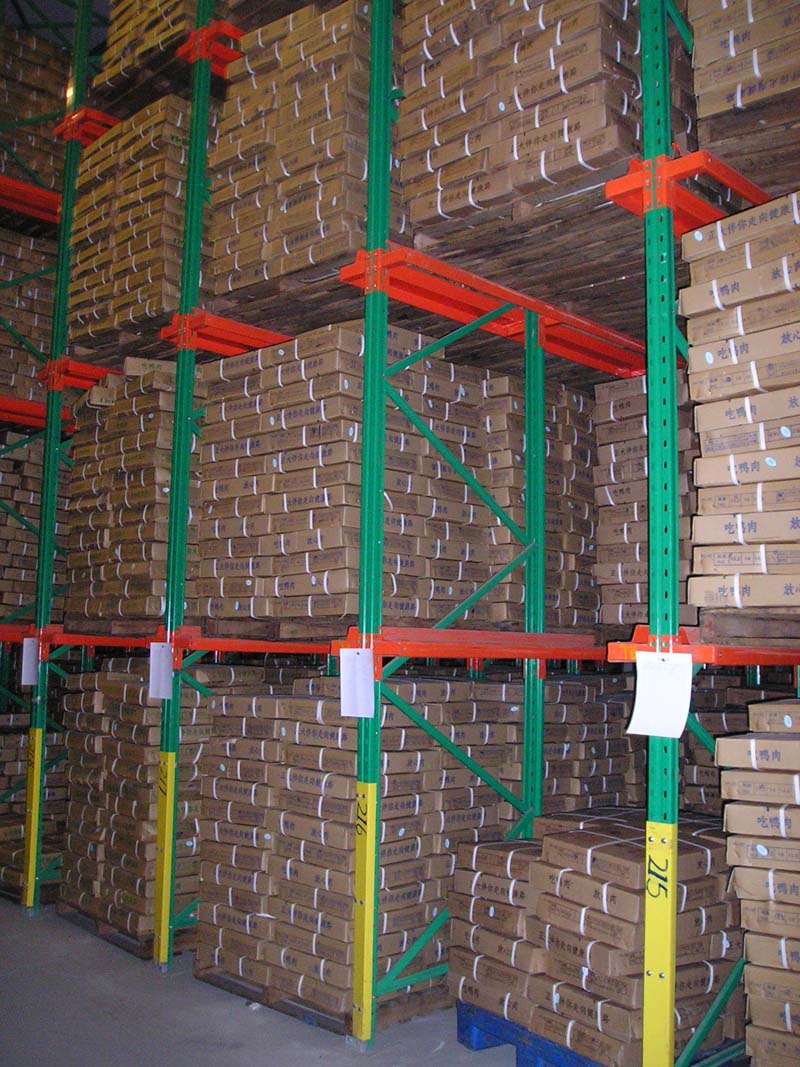
Installation and Maintenance Best Practices
Proper installation and ongoing care ensure your narrow aisle racking system performs safely and lasts for decades. Follow these guidelines.
Installation Tips
Ensure floor is level and meets specified flatness before anchoring racks.
Use precision laser tools to align rows perfectly; misalignment reduces usable aisle width.
Anchor racks securely and install row spacers for stability, especially in seismic zones.
Consider adding guide rails at the base of racks to protect uprights from truck impacts.
Maintenance Guidelines
Inspect racks monthly for bent uprights, damaged beams, or missing safety pins.
Check floor anchors for looseness and re-torque as needed.
Monitor guidance system components (wires, sensors, magnets) for wear.
Train staff to report any near-misses or impacts immediately.
Routine professional inspections by certified engineers help identify hidden structural issues. Many suppliers offer maintenance contracts for narrow aisle racking systems.
Frequently Asked Questions About Narrow Aisle Racking Systems
Q1: What is the typical aisle width in a narrow aisle racking system?
A1: Aisle widths typically range from 1.5 meters to 2.5 meters. Very narrow aisle (VNA) systems use 1.5–1.8 meters, while narrow aisle selective racks might use 2.0–2.5 meters. The exact width depends on the forklift type and turning radius.
Q2: Can I convert my existing warehouse to a narrow aisle racking system?
A2: Yes, conversion is possible but requires evaluation. Check floor flatness, ceiling height, and existing rack layout. You may need to replace forklifts with VNA or narrow aisle trucks. Also, ensure fire safety systems (sprinklers) are adequate for the new configuration.
Q3: What forklifts are used in narrow aisle racking systems?
A3: Common equipment includes turret trucks, swing-reach trucks, and reach trucks with side shifters. For VNA applications, turret trucks that rotate forks are standard. Some systems use wire-guided or rail-guided vehicles to maintain precise alignment.
Q4: Is a narrow aisle racking system safe?
A4: When properly designed and operated, yes. Safety depends on operator training, guidance systems, and regular maintenance. Install protective barriers, speed controls, and ensure racks are anchored correctly. Follow OSHA or local safety guidelines.
Q5: How much more storage can I get with a narrow aisle racking system?
A5: Typically, you can increase pallet positions by 30% to 50% compared to conventional selective racking. The exact gain depends on your warehouse dimensions, aisle reduction, and rack height. A professional layout analysis can provide accurate estimates.
Q6: What are the floor requirements for a narrow aisle racking system?
A6: Floors must be extremely flat and level. The commonly accepted tolerance is FM2 or better, meaning a maximum deviation of 2mm over a 2-meter straightedge. Uneven floors cause instability for VNA trucks and may lead to product damage or accidents.
Q7: Can a narrow aisle racking system be automated?
A7: Yes, many automated storage and retrieval systems (AS/RS) use narrow aisles with stacker cranes. This is a natural progression for facilities aiming for full automation. The rack structure remains similar, but automated shuttles or cranes replace forklifts.
Conclusion
Choosing a narrow aisle racking system is a proven strategy to increase warehouse capacity without expanding the building. By reducing aisle widths and using specialized equipment, you can store more pallets while retaining direct access. Success depends on careful planning—assessing floor flatness, selecting the right forklifts, and training operators. With proper installation and maintenance, this system delivers long-term efficiency and cost savings. Evaluate your specific needs and consult with experienced suppliers to design the optimal layout for your operation.