Warehouse Racking Systems: Types, Benefits & How to SelectEfficient storage directly affects order accuracy and worker safety. Industrial racking systems create the backbone of organized warehouses, allowing businesses to store more product in less space while keeping every pallet accessible. The correct configuration reduces forklift travel time and prevents inventory damage. This article presents the most common rack structures and explains how to match them to your specific operational requirements.
Why Your Warehouse Needs Reliable Racking Systems
Without proper storage frames, facilities quickly become chaotic. Disorganized piles slow down picking and increase the risk of accidents. Well‑engineered racking systems solve these problems by providing designated locations for each SKU.
Maximise vertical space – use the full height of your building.
Improve inventory rotation – clear FIFO or LIFO lanes.
Reduce product damage – sturdy frames protect goods from impacts.
Speed up forklift operations – wide aisles and clear labels.
Modern warehouses rely on these structures to stay competitive. Whether you operate a small distribution centre or a large logistics hub, the right setup brings order and efficiency.
Different goods call for different storage methods. Below are the most popular configurations used in today’s warehouses. Each type offers unique advantages depending on turnover rate, pallet weight, and available floor space.
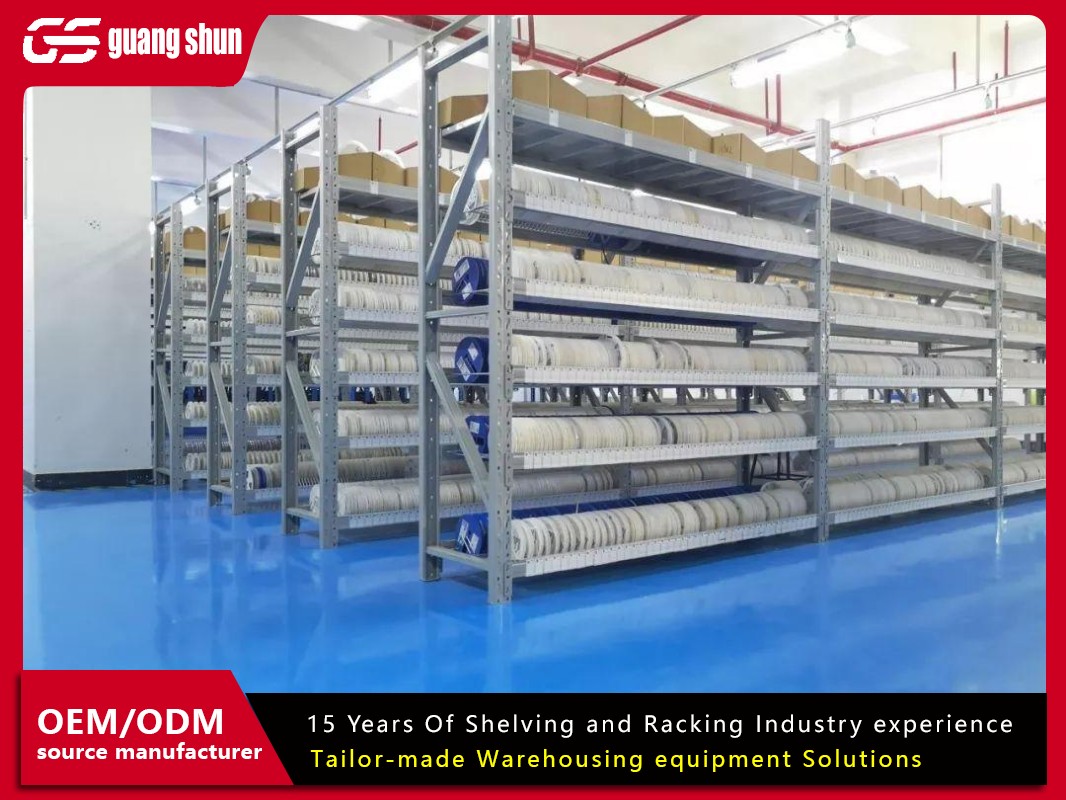
Selective Pallet Racking
This is the most common design. Pallets are stored on horizontal beams, allowing direct access to every load. It is ideal for operations with many different SKUs.
100 % accessibility – any pallet can be reached without moving others.
Simple to install and reconfigure as needs change.
Works well with both counterbalance and reach trucks.
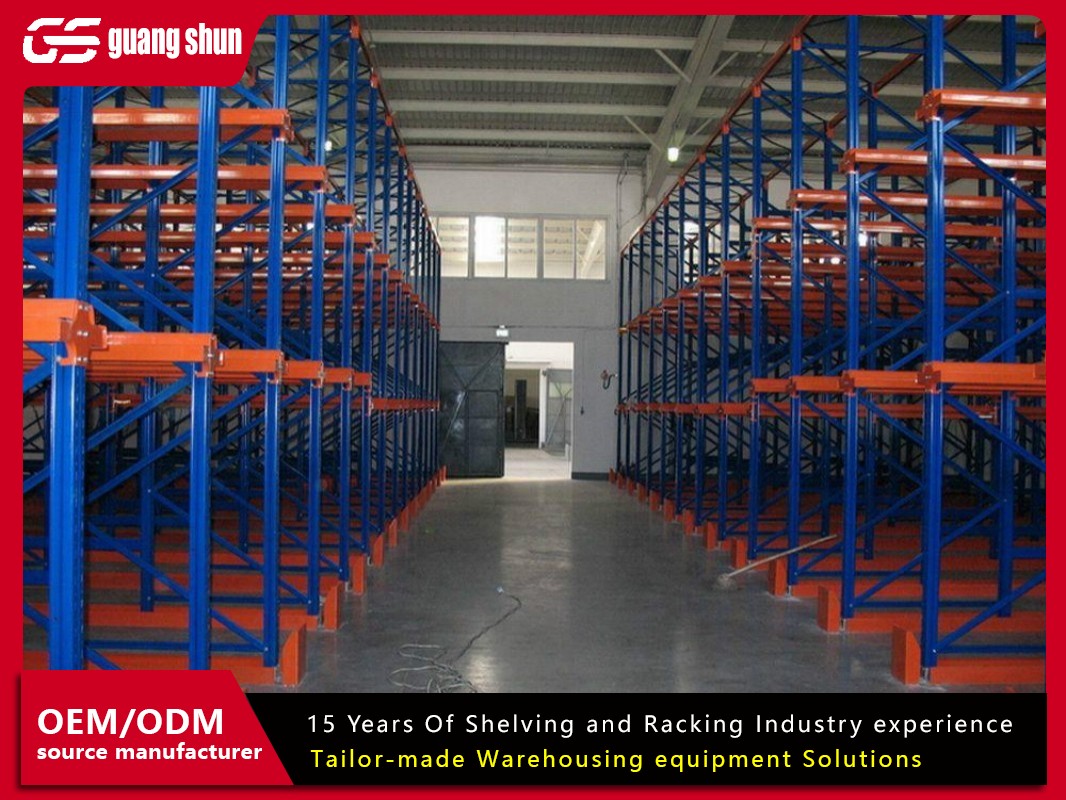
Drive‑In / Drive‑Through Racking
Designed for high‑density storage where FIFO is not required. Forklifts drive directly into the lanes to deposit or retrieve pallets. This system minimises the number of aisles.
Excellent space utilisation – up to 80 % more pallet positions than selective.
Best for homogeneous products (same SKU per lane).
Drive‑through allows loading from one end and unloading from the opposite end (FIFO).
Push Back Racking
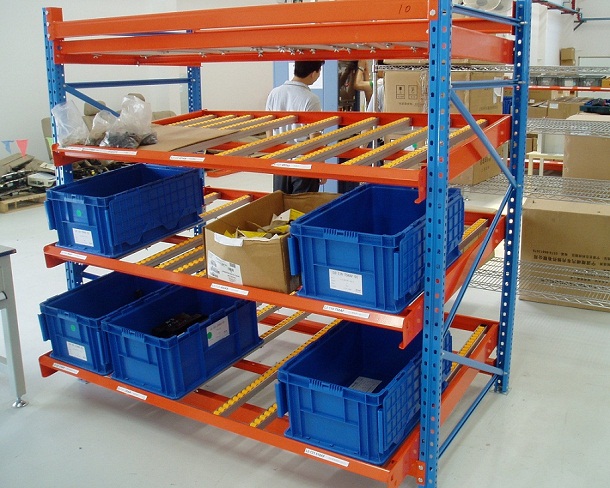
Uses inclined rails and carts. Pallets are loaded from the front and push previous pallets back. When a pallet is removed, the next one slides forward automatically.
Last‑in, first‑out (LIFO) storage – suited for non‑perishable goods.
High density with fewer aisles than selective.
Reduces forklift travel time because operators stay in one lane.
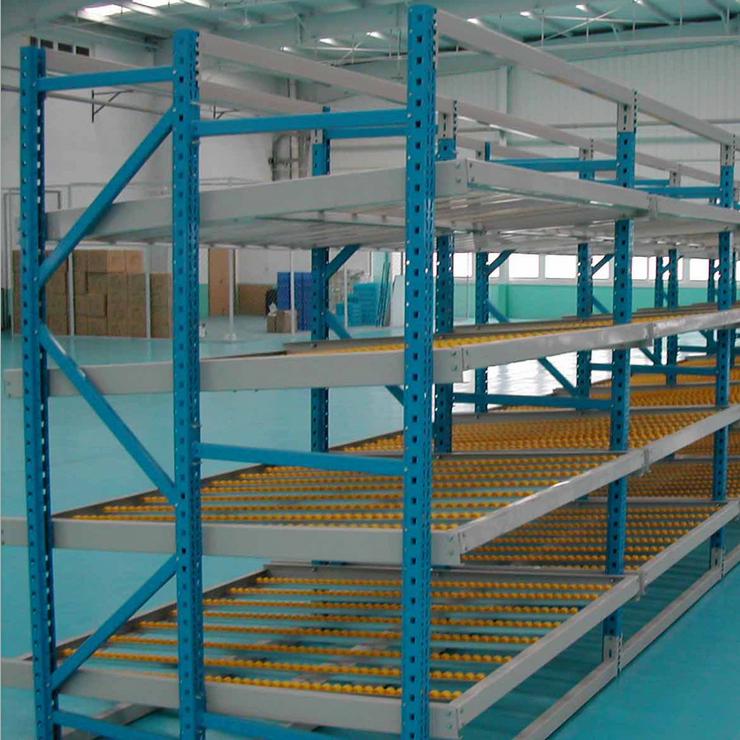
Pallet Flow Racking
Gravity‑fed rollers or wheels move pallets from the loading end to the unloading end. Ideal for products that require strict stock rotation.
First‑in, first‑out (FIFO) – perfect for perishables or time‑sensitive goods.
Continuous stock movement eliminates wasted space.
Separate loading and unloading sides improve workflow.
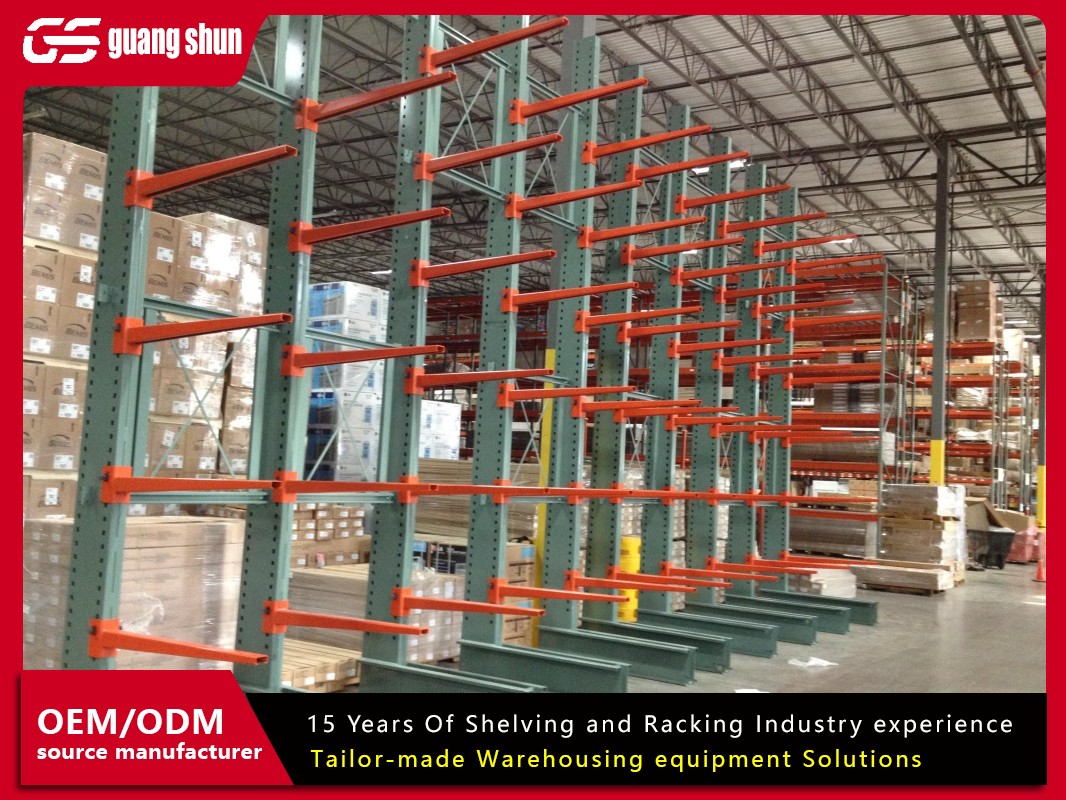
Cantilever Racking
Features horizontal arms that extend from vertical columns, leaving the front completely open. Used for long or bulky items like lumber, pipes, or furniture.
Handles oversized loads that do not fit on standard pallets.
Adjustable arm heights accommodate various lengths.
Easy access from the side with a forklift or crane.
Investing in quality storage structures delivers measurable improvements across your operation. Beyond simple organisation, they contribute to overall supply chain performance.
Space optimisation: Utilise cubic volume instead of just floor area.
Safety compliance: Certified frames and beams meet international load standards.
Adaptability: Many systems can be adjusted or expanded as your inventory changes.
Inventory accuracy: Dedicated slots make cycle counting faster and more reliable.
When you choose the right equipment, your warehouse becomes a smoother, safer place to work.
How to Choose the Right Racking Systems for Your Facility
Selecting a storage method is not one‑size‑fits‑all. Several factors influence which design will perform best for your specific goods and building layout.
Product Characteristics
Weight and dimensions – heavy loads require heavier uprights and beams.
Turnover rate – fast movers need easy access (selective), slow movers can go into dense storage.
Pallet condition – warped or non‑standard pallets may jam in flow systems.
Warehouse Constraints
Ceiling height – determines how many levels you can install.
Column positions – might require custom bay sizes.
Aisle width – narrow aisles demand specialised trucks.
Operational Goals
Throughput volume – high throughput favours selective or push back.
Budget – drive‑in systems often have lower cost per pallet position.
Future growth – modular designs allow later expansion.
Involving a storage expert early in the planning stage helps avoid costly mistakes. They can perform a load analysis and recommend a layout that balances density and accessibility.
Safety and Maintenance Practices for Your Racking Systems
Regular upkeep ensures long service life and prevents accidents. Even the strongest frames can be damaged by repeated forklift impacts. A simple inspection routine catches problems before they become serious.
Weekly visual checks for bent beams, cracked welds, or missing safety pins.
Ensure all load notices are posted and legible on every row.
Train forklift operators to report collisions immediately – even minor bumps can weaken a frame.
Schedule an annual professional inspection, especially in seismic zones.
Protect your investment by keeping aisles clear and repairing damaged components right away. A well‑maintained structure not only complies with regulations but also boosts worker confidence.
Selecting the appropriate racking systems transforms a chaotic warehouse into a streamlined operation. From selective configurations for high‑variety inventories to high‑density drive‑in models for bulk goods, there is a solution for every need. Evaluate your products, measure your space, and think about future changes. With the right storage foundation, you improve safety, increase capacity, and make daily work more efficient. Take the time to compare designs and consult professionals—your warehouse efficiency depends on it.
Frequently Asked Questions about Racking Systems
Q1: What materials are used to manufacture racking systems?
A1: Most are made from structural or roll‑formed steel. Uprights and beams are cold‑formed to achieve high strength‑to‑weight ratios. Some components have a powder‑coated finish to resist rust. Heavy‑duty models may use hot‑rolled steel for extra load capacity.
Q2: Can racking systems be installed in a building with low ceilings?
A2: Absolutely. Manufacturers offer beams and uprights in various heights. Low‑profile systems fit under mezzanines or in basements. Even with limited headroom, you can still install two or three levels to better utilise the available cube.
Q3: How do I calculate the load capacity I need?
A3: Start with the heaviest pallet you plan to store. Multiply that weight by the number of pallets per bay, and add a safety factor (typically 1.5 to 2). Consult the supplier’s load charts to confirm beam and frame capacities. Never exceed the manufacturer’s ratings.
Q4: Are there specific requirements for earthquake‑prone regions?
A4: Yes, seismic areas require additional bracing, base plates, and sometimes special anchor bolts. Local building codes often mandate engineering analysis. Suppliers can provide seismic‑rated components and calculations to ensure your installation meets legal standards.
Q5: How often should racking systems be inspected?
A5: A quick visual inspection should be done weekly by warehouse staff. A more detailed check by a qualified technician is recommended at least once a year. After any major impact or earthquake, inspect immediately for damage. Regular inspections prolong the life of the equipment and keep the workplace safe.