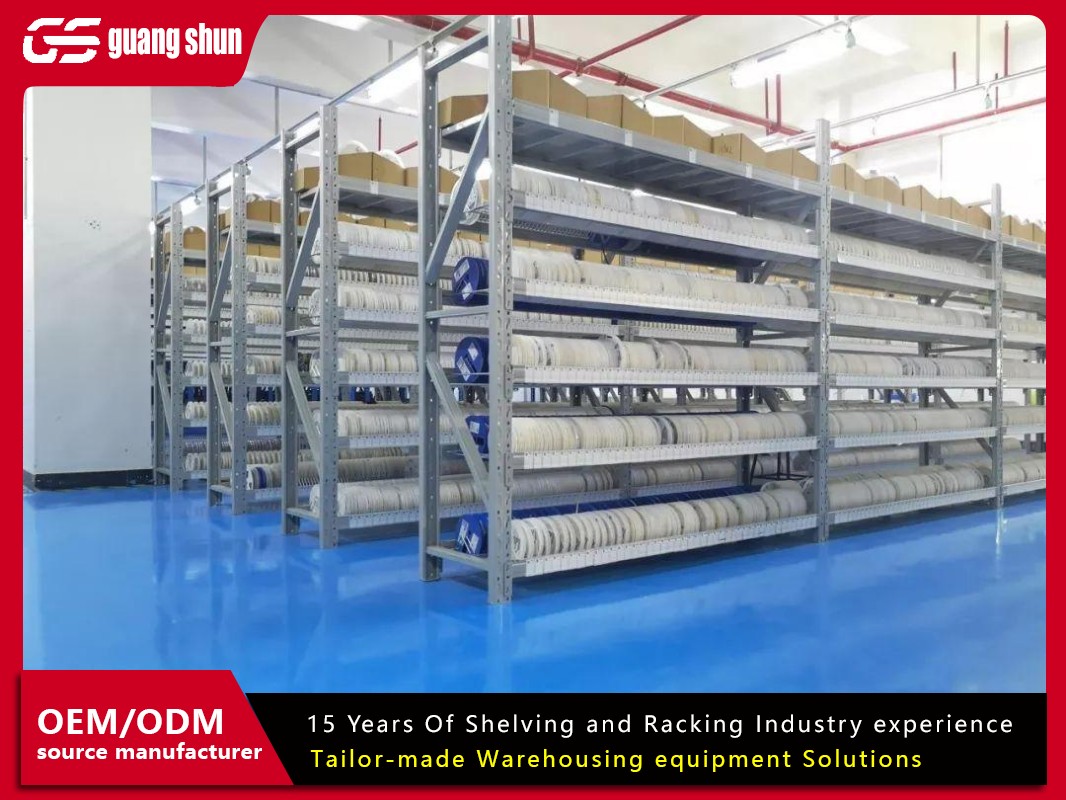
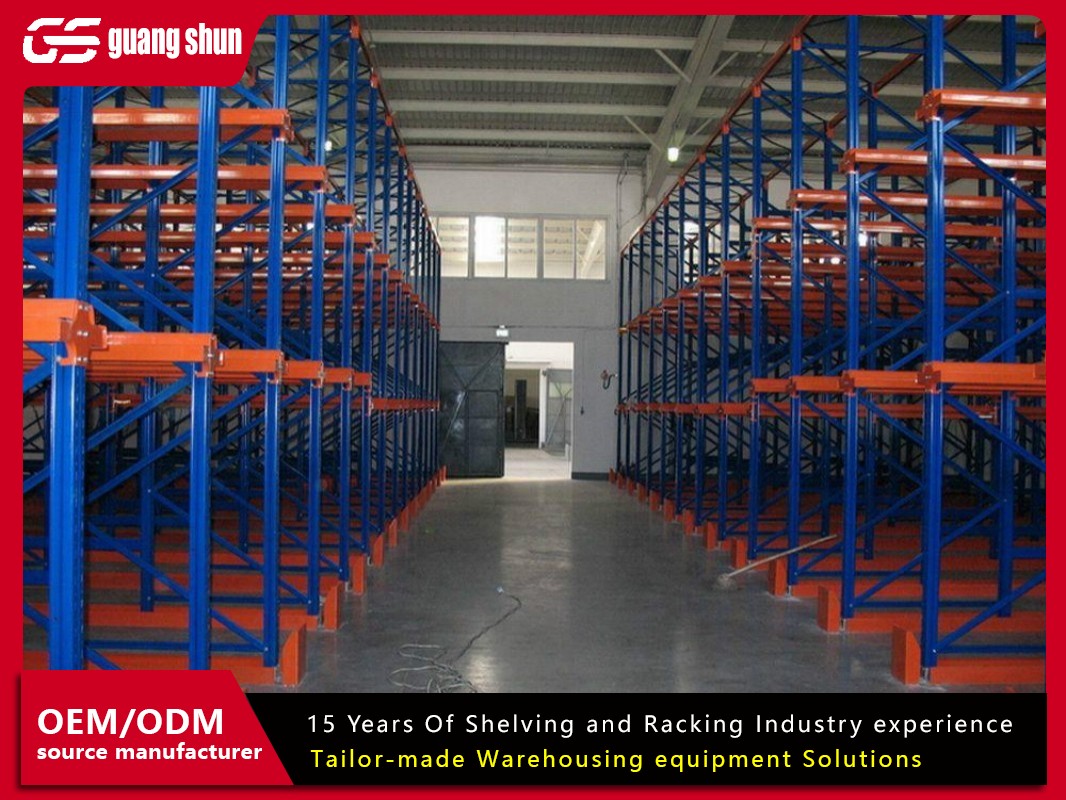
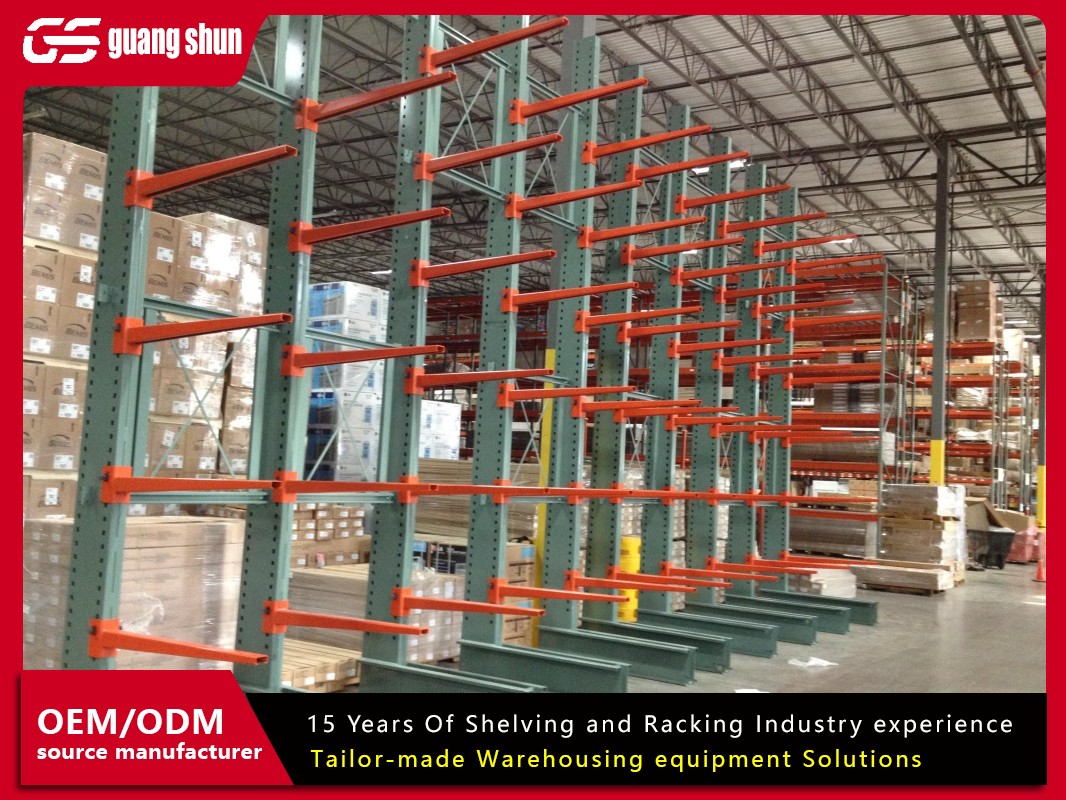
Running a busy warehouse means constantly balancing space, safety, and speed.
Many facilities struggle with cluttered aisles and underutilised vertical space.
The Rack Nstack Warehouse approach offers a structured method
to organise goods, combining heavy-duty racking with stackable containers. This
system helps teams access items faster while reducing floor congestion. Whether
you handle pallets or smaller cartons, understanding this integrated concept can
transform your workflow. Below we break down its components, benefits, and
real-world applications.
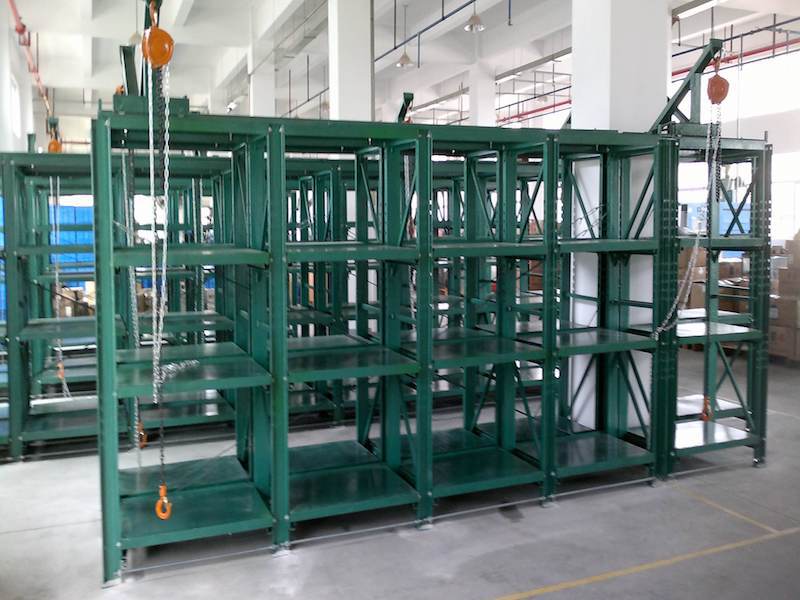
What Is The Rack Nstack Warehouse Concept?
At its core, the Rack Nstack Warehouse refers to a storage
philosophy that pairs industrial racking with stackable plastic or metal
containers. Instead of relying solely on pallets, it uses modular bins that can
be nested when empty and stacked when full. This dual nature saves space during
return trips and consolidates loads in the rack structure. The racking itself is
typically adjustable steel framing, designed to hold these containers securely
at multiple levels.
Origins of the idea
The concept emerged from automotive and food industries where small parts
needed dense storage. Engineers combined standard pallet racking with stackable
totes, creating a system where each container is a self-contained unit. Over
time, this evolved into a complete warehouse solution with custom beam spacing
and container guides.
Key components
Adjustable rack frames: Steel uprights with perforations
every 50 mm for flexible beam placement.
Stackable containers: Heavy-duty plastic or wire bins with
reinforced rims, designed to interlock securely.
Beam supports: Cross-members that prevent containers from
sagging and allow easy sliding.
Accessories: Label holders, dividers, and dunnage to
organise contents further.
Core Features of The Rack Nstack Warehouse
What makes this system different from ordinary racking? Its design focuses on
flexibility and damage prevention. Here are the main features.
Modular and reconfigurable
Rack beams can be repositioned quickly as container sizes change. This
modularity supports seasonal inventory shifts without major overhauls. Many
users add extra levels when ceiling height permits.
High-density storage
By stacking containers both vertically in the rack and horizontally on the
floor, facilities achieve up to 40% more storage compared to static shelving.
The system works well in both bulk storage and pick-face areas.
Compatibility with material handling equipment
Containers are designed for forklifts, pallet jacks, or conveyor systems.
Standard footprints (e.g., 600 x 400 mm) ensure smooth transport. Some
containers feature reinforced bases for roller conveyors.
Advantages of Implementing The Rack Nstack Warehouse
Adopting this integrated method brings measurable improvements. Below are the
primary benefits reported by logistics managers.
Enhanced space utilisation
Use vertical space up to the roof line with rack-supported stacking.
Empty containers nest inside each other, reducing return footprint by
70%.
Eliminate wasted aisle space by using deeper racks with double-stacked
containers.
Improved inventory control
Each container can hold a specific SKU, making cycle counting easier. Barcode
labels attached to containers integrate with WMS, enabling real-time tracking.
Operators pick directly from containers without handling individual items.
Worker safety and ergonomics
Containers are designed with smooth edges and handholds. Rack beams have
safety locks to prevent accidental dislodgement. When placed at ergonomic
heights, workers avoid bending and reaching excessively.
Cost efficiency
Although the initial investment in quality containers and racking is higher
than basic pallets, the long-term savings come from reduced product damage,
faster picking, and lower labour costs. the rack nstack
warehouse system often pays for itself within 18 months in
high-volume operations.
Industries That Benefit Most
This storage method is not limited to one sector. It adapts to various supply
chains.
Automotive parts distribution
Thousands of small components—bolts, clips, sensors—are stored in stackable
bins. Racks hold bins by part number, and empty bins are collapsed for return to
suppliers. This closed-loop system reduces packaging waste.
Food and beverage
FDA-approved plastic containers are easy to clean and resist moisture. They
stack securely in cold storage rooms. FIFO rotation is simple because older
containers are pulled from the front.
E‑commerce fulfillment
Fast-moving consumer goods benefit from the density of rack-n-stack. Pickers
retrieve entire totes of popular items and bring them to packing stations,
minimising travel time.
Pharmaceutical warehousing
Dust-proof containers protect sensitive products. Racking allows segregation
of different lots, and containers can be locked to prevent tampering.
Installation and Best Practices
Proper setup ensures you get the most out of the Rack Nstack
Warehouse approach. Follow these guidelines during planning and
execution.
Site assessment
Measure floor flatness; racking requires a tolerance of ±3 mm over 3
metres.
Check ceiling height and obstructions like sprinklers or lights.
Determine aisle widths based on forklift type—counterbalance, reach, or
VNA.
Container selection
Choose containers with load capacities matching your heaviest items.
Standard capacities range from 20 kg to 400 kg.
Consider colour coding for different product families or expiration
dates.
Ensure containers have anti-slip bases to prevent shifting during
transport.
Rack configuration
Position beams so that containers sit flush with the front of the rack,
preventing overhang.
Install row spacers between back-to-back racks to maintain stability.
Add back panels if small containers might fall through the frame.
Safety checks
After installation, test the system with full loads. Inspect beam locks and
anchor bolts. Train forklift operators to handle containers carefully—never push
a container from behind if it is stuck. Schedule monthly inspections for damaged
components.
Modern warehouses face constant pressure to do more with the same footprint.
The Rack Nstack Warehouse concept provides a practical answer
by merging durable racking with reusable containers. It improves space usage,
speeds up picking, and reduces product damage. Whether you run a small parts
depot or a large distribution centre, evaluating this system could lead to
significant operational gains. Start by auditing your current storage and
consult specialists to design a layout that fits your SKU profile.
Frequently Asked Questions
Q1: How does the Rack Nstack Warehouse differ from standard pallet
racking?
A1: Standard pallet racking typically holds wooden or
plastic pallets. The Rack Nstack system uses stackable containers that nest when
empty, allowing denser storage and easier handling of smaller items. The rack
beams are often spaced closer to accommodate container heights.
Q2: Can I use my existing racking for the Rack Nstack
system?
A2: Possibly, if the beam spacing can be adjusted to match
container depths. You may need additional cross-bars or wire decks to support
the containers. Check load capacities—containers filled with heavy parts may
exceed standard beam ratings.
Q3: What materials are the containers made of?
A3: Most
containers are injection-moulded polypropylene or polyethylene, offering
strength and chemical resistance. For heavy loads, steel wire containers are
available. Antistatic versions exist for electronics.
Q4: How do I handle empty containers efficiently?
A4:
Empty containers nest (stack inside each other) to save space. You can store
them on low-level racks or in dedicated nesting stations. Some facilities use
collapsible containers that fold flat, reducing return shipping volume
further.
Q5: Is the Rack Nstack Warehouse suitable for cold
storage?
A5: Yes, plastic containers perform well in sub-zero
temperatures. Choose containers rated for freezer use to avoid brittleness.
Racking should be galvanised or epoxy-coated to resist condensation
corrosion.
Q6: What safety certifications should I look for?
A6:
Racking should comply with local standards (e.g., EN 15512 in Europe, RMI in
North America). Containers should meet ISO 8611 for stackability and have clear
load capacity markings. Request test reports from suppliers.
Q7: Can the system integrate with automated storage and
retrieval?
A7: Yes, many automated warehouses use stackable
containers with robotic shuttles. The consistent container footprint and smooth
surfaces make them ideal for automated handling. Ensure your containers have
appropriate barcode or RFID features.
Q8: How do I clean the containers?
A8: Plastic containers
can be washed with mild detergents or passed through industrial washers. Avoid
abrasive tools that might damage surfaces. For food or pharmaceutical use,
periodic sanitisation is recommended.