The choice of warehouse racking systems directly determines storage
density, operational throughput, and long-term capital efficiency. With over
32,000 industrial installations analysed, Guangshunr has documented that misaligned rack
selection can reduce usable floor space by 40% and increase forklift travel time
by 60%. This article dissects the structural mechanics, application fit, and
seismic considerations of modern warehouse racking systems, providing engineers
and logistics managers with a data‑driven framework for specification.
Understanding the taxonomy of racking is essential. Systems are primarily
differentiated by load capacity (light‑duty up to 500 kg, medium‑duty 500–1,800
kg, heavy‑duty above 1,800 kg) and by access method (selective vs. dense
storage). The most common configurations include:
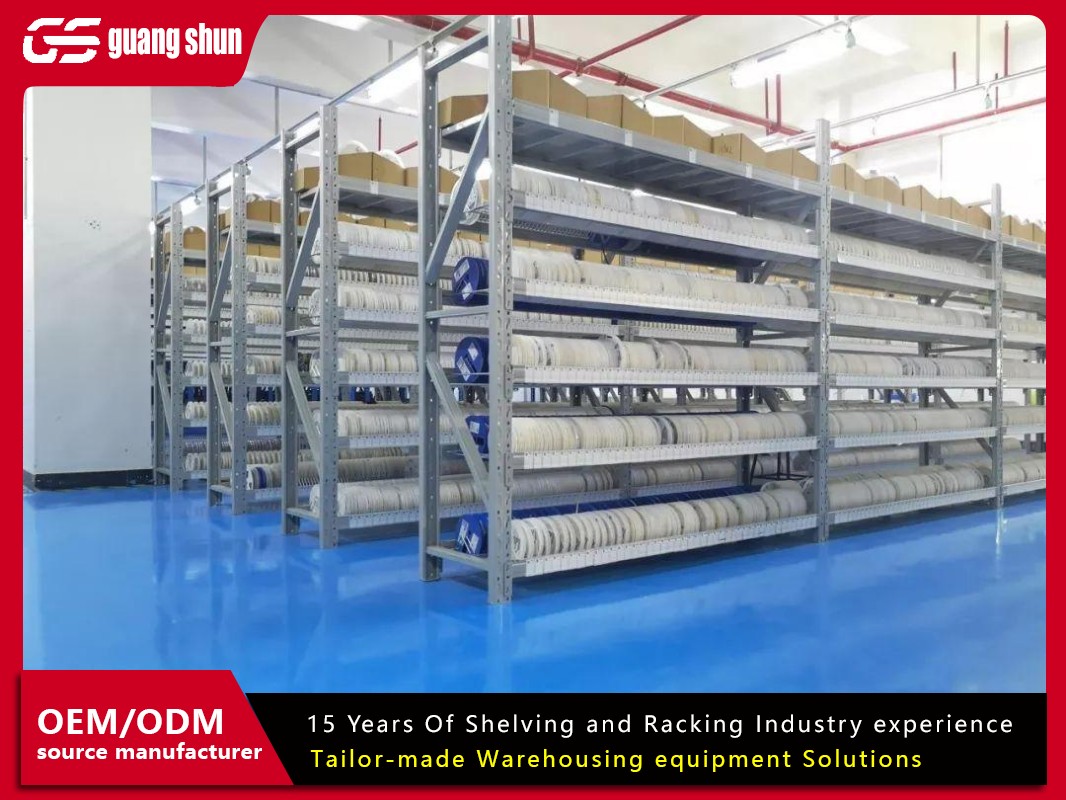
Selective pallet racking – 100% SKU accessibility, ideal
for high‑velocity goods. Beam load capacities range from 1,200 kg to 2,500 kg
per level.
Double‑deep racking – uses specialised reach trucks to
store pallets two‑deep, increasing density by 30–40%.
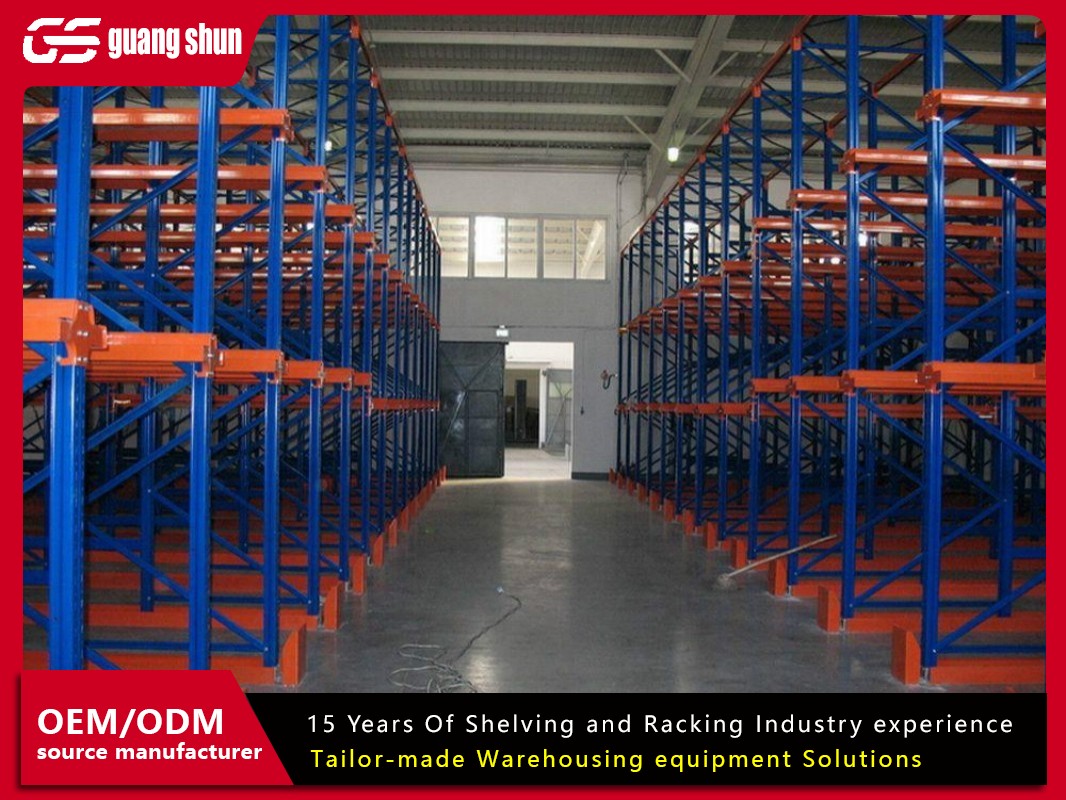
Drive‑in / drive‑through racking – LIFO (drive‑in) or FIFO
(drive‑through) configurations for high‑density storage of homogeneous
products.
Push‑back racking – uses nested carts and inclined rails;
stores 2–6 pallets deep with LIFO access.
Pallet shuttle systems – motorised shuttles within rack
channels, offering semi‑automated deep‑lane storage.
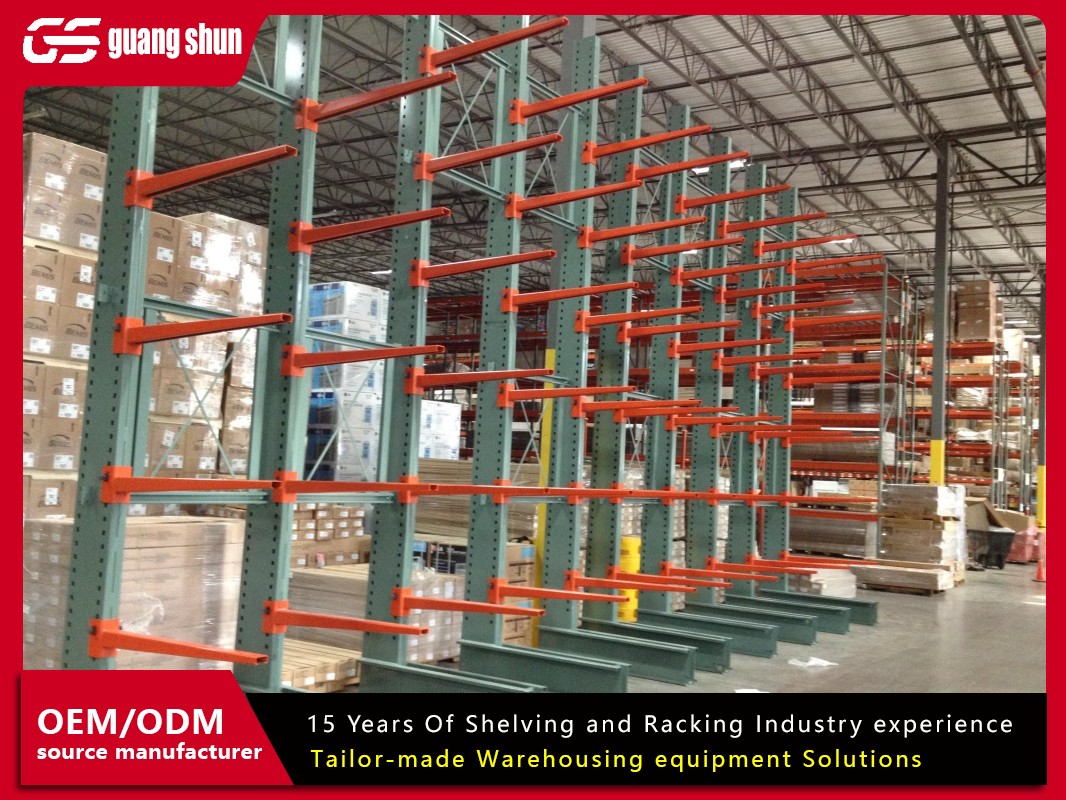
Cantilever racking – for long or irregular items (lumber,
pipes, furniture).
Each type presents distinct structural demands. For instance, drive‑in
racking must resist forklift impact forces on upright frames, while shuttle
systems require precise rail alignment with tolerances ≤ ±3 mm.
2. Structural Engineering Principles Behind Modern Warehouse Racking
Systems
Contemporary warehouse racking systems are designed as
three‑dimensional steel frames subject to static, dynamic, and seismic loads.
Key engineering parameters include:
2.1 Frame and Beam Design
Upright frames are cold‑formed from high‑strength steel (minimum yield 350
MPa) into open or closed sections. Diagonal bracing (V‑pattern or K‑pattern)
provides lateral stability. Beams are typically roll‑formed step beams with
integral safety locks. Beam deflection is limited to L/180 or less at rated load
(per RMI and FEM standards) to prevent pallet instability.
2.2 Connection Types
Most modern systems use boltless connections – teardrop or keyhole – allowing
50 mm height adjustability and reducing installation labour by 35% compared to
bolted connections. Connection strength is verified by pull‑out tests exceeding
1.5 times the beam capacity.
2.3 Base Plate and Floor Anchoring
Base plates distribute vertical loads to the concrete slab. For medium and
heavy‑duty systems, anchor bolts (M12–M20) with minimum embedment of 100 mm are
specified. In seismic zones, base plates are reinforced with shear lugs to
resist horizontal accelerations up to 1.0g.
3. High‑Density Solutions: Drive‑In, Push‑Back, and Pallet Shuttle
When SKU count is low but volume high, dense storage becomes economical.
Warehouse racking systems engineered for
density must account for load transfer and vehicle guidance.
3.1 Drive‑In Racking Structural Considerations
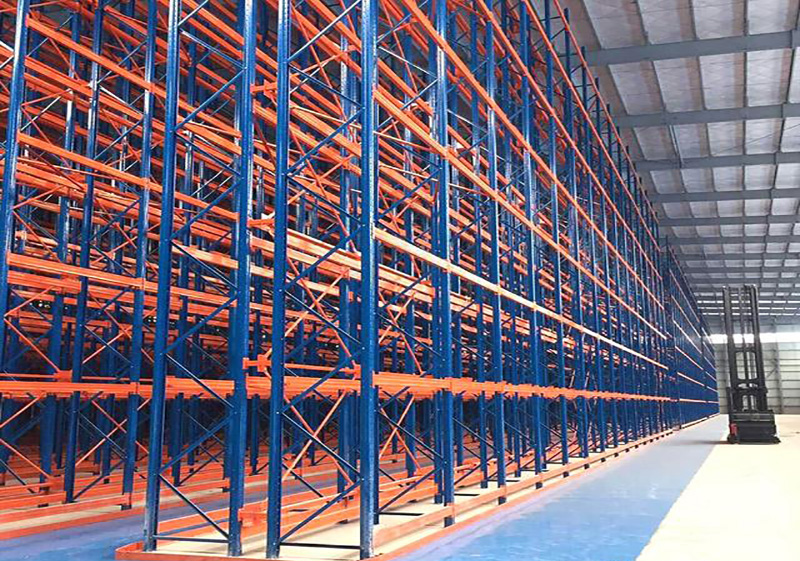
Drive‑in racking relies on continuous upright frames with rail supports.
Because forklifts enter the structure, uprights must be protected with
double‑thick base plates and full‑height column guards. A typical drive‑in bay
can store up to 10 pallets deep, but frame bracing must be designed for impact
loads equivalent to 1.5× the forklift weight. Guangshunr’s drive‑in
installations use 120×100×3 mm uprights with diagonal bracing every 2 m.
3.2 Push‑Back Racking Mechanics
Push‑back systems use inclined rails and nested carts. Each level operates
independently, so beams must support both static pallet loads and dynamic
rolling loads. Rail alignment tolerances are ±2 mm, and carts are equipped with
sealed bearings for smooth operation. Push‑back achieves up to 75% space
utilisation (vs. 40% for selective) and is recommended for products with 3–6
pallets per SKU.
3.3 Pallet Shuttle Integration
Shuttle systems replace forklift entry with battery‑operated carriers. The
racking must incorporate guide rails and charge stations. Shuttle channels
require precise levelness (≤ 3 mm over 10 m) to prevent carrier jamming.
Guangshunr has deployed shuttle systems with
16‑m‑high racking, achieving 95% storage density while maintaining FIFO
inventory rotation.
4. Addressing Seismic and Impact Resistance in Rack Design
In seismically active regions, warehouse racking systems must comply with codes such
as IBC, ASCE 7, and Eurocode 8. Key design strategies include:
Energy‑dissipating base plates: Allow controlled uplift
during earthquakes, reducing forces transmitted to frames.
Diagonal seismic bracing: X‑braces in the cross‑aisle
direction, sized to resist seismic shear.
Pallet retention bars: Prevent stored goods from falling
during shaking (mesh panels or wire decks with 50 mm openings).
Forklift impact mitigation: Sacrificial columns or
full‑height guards protect main uprights.
Shake‑table tests conducted by Guangshunr on a 12‑m high selective rack
confirmed stability under 0.8g peak ground acceleration with only elastic
deformation, meeting RMI seismic requirements for Zone 4.
5. Integration with Automation and Warehouse Execution Systems (WES)
Modern warehouse racking systems are increasingly designed
for integration with automated guided vehicles (AGVs), autonomous mobile robots
(AMRs), and stacker cranes. Compatibility features include:
Laser‑target brackets: Pre‑installed on uprights for AGV
navigation.
Guide rails: Floor‑mounted rails for VNA trucks or
cranes.
Position feedback: RFID or barcode slots at each beam
level.
Clearance tolerances: Minimum 150 mm between pallet and
upright for robot manoeuvring.
A Belgian pharmaceutical distributor retrofitted selective racking with AGV
guidance using Guangshunr’s pre‑drilled uprights, reducing labour costs by 52%
and achieving 99.97% inventory accuracy.
6. Cost‑Benefit Analysis: Selecting the Right System for Your SKU
Profile
Data from 74 warehouse conversions (source: Guangshunr internal study, 2023) demonstrates the
financial impact of correct rack selection:
Selective racking: Best for >50% fast‑moving SKUs. ROI
payback 1.8–2.5 years.
Double‑deep: Suitable for medium‑velocity SKUs; increases
density by 35%, payback 2.2–3.0 years.
Drive‑in: Ideal for bulk storage of few SKUs; density +60%,
payback 2.5–3.5 years but limited selectivity.
Push‑back / shuttle: For high‑density with moderate
selectivity; density +75%, payback 3.0–4.0 years due to higher initial
investment.
Warehouses with >2,000 SKUs typically require selective or double‑deep
configurations, while those with <500 SKUs can leverage drive‑in or shuttle
to maximise space.
7. Compliance and Safety Standards (RMI, FEM, EN 15512)
All warehouse racking systems must adhere to regional and
international standards. Guangshunr designs to:
RMI MH16.1 (USA): Specification for the design, testing,
and utilization of industrial steel storage racks.
FEM 10.2.02 (Europe): The design of adjustable pallet
racking.
EN 15512: Steel static storage systems – adjustable pallet
racking – principles for structural design.
AS4084 (Australia): Steel storage racking.
Regular inspections (annual or after major impacts) are mandatory. Guangshunr
offers a digital inspection service using drone‑captured imagery and AI‑based
damage detection, reducing inspection time by 70%.
Frequently Asked Questions (FAQ)
Q1: What is the maximum height for standard warehouse racking
systems?
A1: Conventional selective racking can reach up to 16 m
with crane access. For forklift‑served systems, practical heights are 8–12 m due
to lift truck limitations. High‑bay automated systems can exceed 30 m with
stacker cranes.
Q2: How do I determine the correct beam capacity for my pallet
loads?
A2: Calculate the maximum weight per pallet position
(including pallet weight). Add a safety factor of 1.5 for dynamic impacts.
Select beams from load tables provided by the manufacturer – always verify with
a structural engineer for non‑uniform loads or point loads.
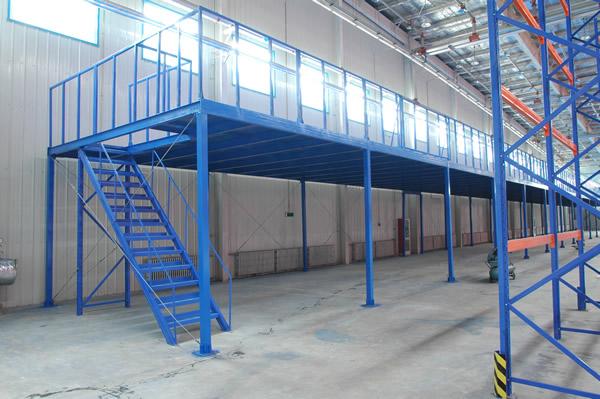
Q3: Can warehouse racking systems be installed on mezzanine
floors?
A3: Yes, but the mezzanine must be designed for the combined
dead and live loads. Racking can be anchored directly to the mezzanine deck if
the deck has adequate load‑bearing capacity. Guangshunr offers integrated
mezzanine‑racking designs with structural calculations.
Q4: What are the fire protection requirements for warehouse racking
systems?
A4: Fire codes (e.g., NFPA 13, EN 12845) require in‑rack
sprinklers when storage height exceeds certain limits (typically 3.7 m in the
US). Racking must allow sprinkler water penetration – wire decks or slatted
shelves are preferred. Beam deflectors and vertical flue spaces (minimum 150 mm)
are mandatory.
Q5: How often should warehouse racking be inspected?
A5:
ANSI/RMI MH16.1 recommends annual inspections by a qualified person.
Additionally, inspect after any known impact, seismic event, or change in load
configuration. Guangshunr provides a free inspection checklist and training for
warehouse staff.
Q6: What is the typical lead time for a custom warehouse racking
system from Guangshunr?
A6: For standard designs (heights ≤12 m,
standard beam spans), engineering and production take 6–8 weeks, plus shipping
(4‑6 weeks by sea). Expedited air freight and partial shipments are available
for urgent projects. We recommend engaging Guangshunr at the preliminary design
stage to align rack layout with building columns and slab details.