Warehouse managers and logistics directors face persistent pressure to
maximize storage density while maintaining rapid inventory access and ensuring
worker safety. The choice of racking storage systems directly influences
operational throughput, capital expenditure, and long-term facility flexibility.
This analysis examines the technical classifications, selection criteria, safety
frameworks, and performance optimization strategies for modern industrial
racking installations, drawing on engineering principles and field-proven data
from global logistics facilities.
Understanding the Core Components of Modern Racking Storage Systems
Every racking storage systems installation comprises structural
steel frames, horizontal beams, decking or pallet supports, and safety
accessories. The load-bearing capacity of a racking system depends on the gauge
of steel used, the connection method between uprights and beams (bolted or
riveted), and the foundation anchoring system. Modern designs incorporate
seismic base isolation and impact-resistant column protectors to extend service
life in high-traffic warehouses. Beyond the physical structure, the layout
configuration—including aisle width, beam spacing, and bay depth—determines the
system's compatibility with various material handling equipment, from
counterbalanced forklifts to automated storage and retrieval systems
(AS/RS).
Classification of Racking Storage Systems by Load Configuration and Access
Method
Selecting the appropriate racking storage systems requires a clear
understanding of the operational profile. The following classifications
represent the most widely deployed configurations in industrial and logistics
environments:
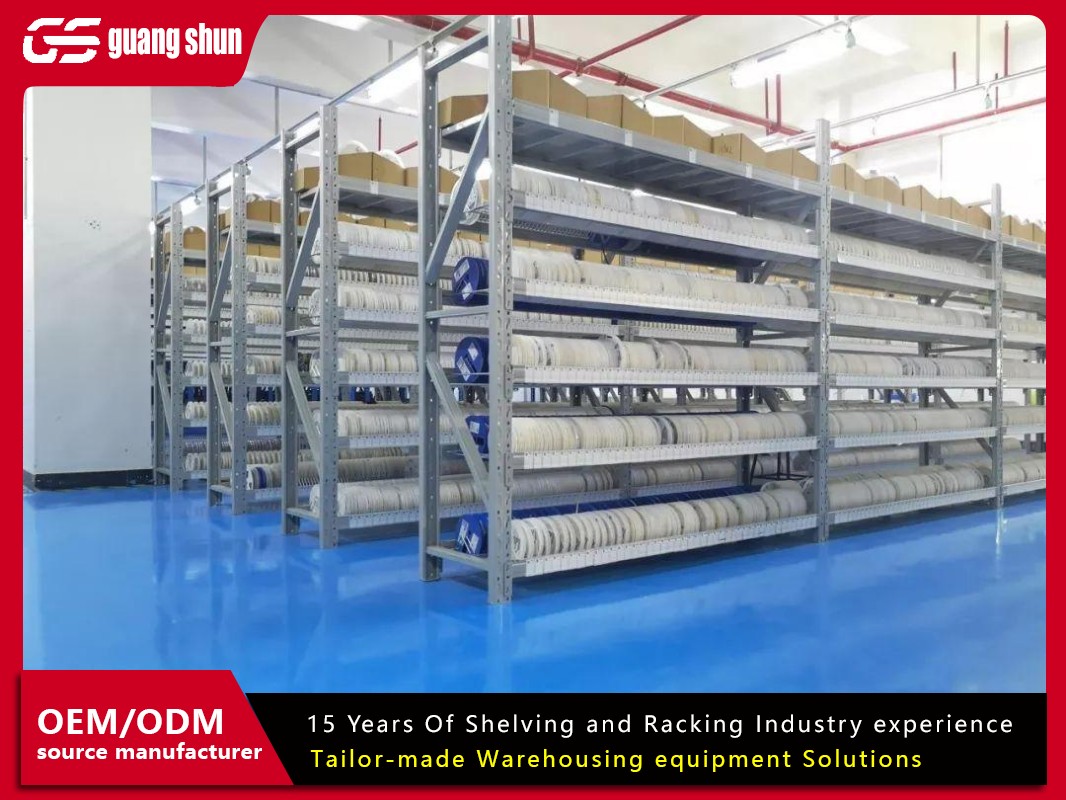
Selective Pallet Racking
Selective pallet racking remains the most common configuration due to its
simplicity and 100% pallet accessibility. Each pallet position is individually
accessible, making this system ideal for operations with high inventory turnover
and diverse SKU profiles. Typical bay depths range from two to three pallet
positions, with load capacities per beam level spanning 1,500 to 4,500 kilograms
depending on beam profile and steel grade. Space utilization typically falls
between 60% and 70%, a trade-off for the unrestricted accessibility that
supports FIFO and LIFO inventory rotation strategies.
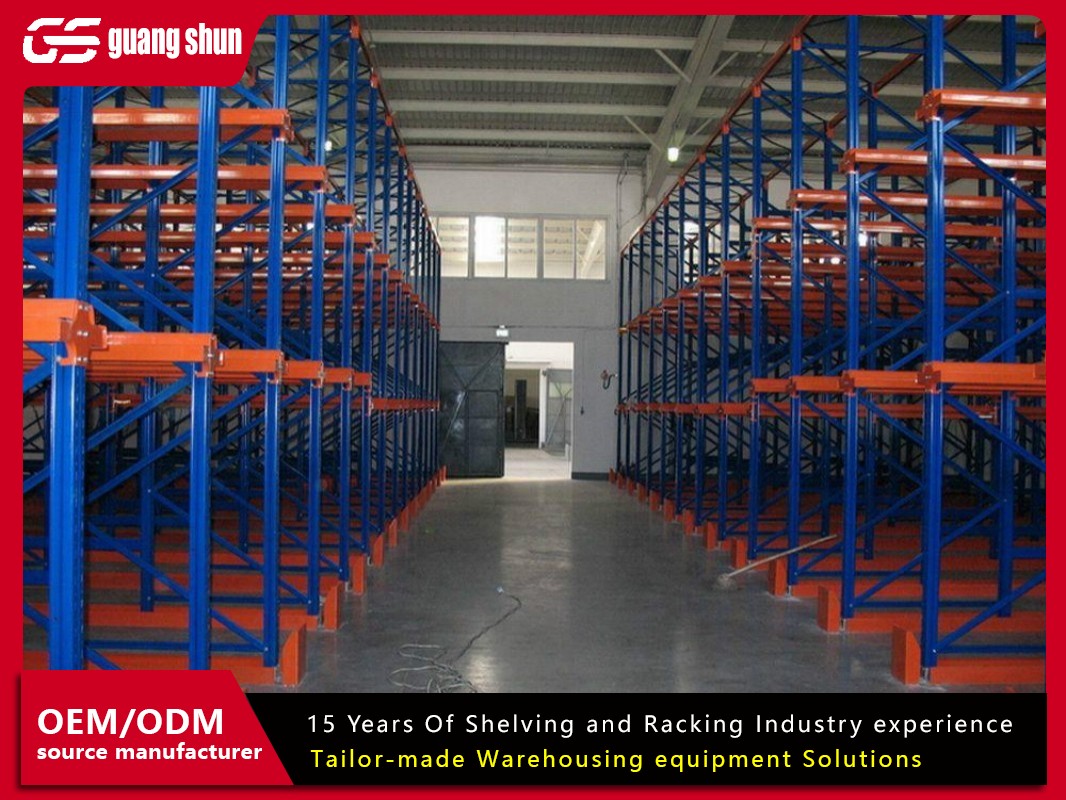
Drive-in and Drive-through Racking
For operations prioritizing storage density over individual pallet
accessibility, drive-in racking offers a compelling solution. Forklifts enter
the storage bay to deposit or retrieve pallets, eliminating the need for
multiple aisles. This configuration achieves space utilization rates of 80% to
85%, significantly increasing floor capacity. However, drive-in systems are
generally limited to LIFO inventory rotation and require careful load management
to prevent damage to uprights. Maximum installation heights can exceed 30 meters
in automated variants, though practical heights in manual operations typically
range from 8 to 12 meters.
Push-back and Pallet Flow Racking
Push-back racking combines density with improved inventory rotation
flexibility. Pallet loads are placed on nested carts that slide along inclined
rails; as each new pallet is loaded, it pushes the previous pallets back. This
system supports high-density storage (75% to 80% space utilization) while
allowing access to multiple pallet depths per bay—typically 2 to 6 pallet
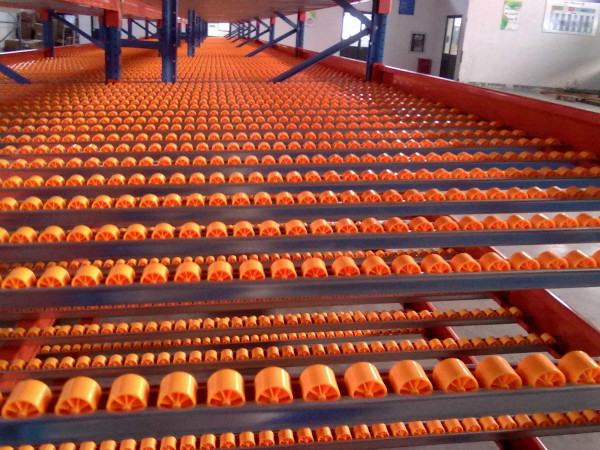
positions deep. Pallet flow racking, a gravity-fed variant, uses roller tracks
and speed controllers to enable FIFO rotation, making it particularly suitable
for perishable goods and high-volume SKUs.
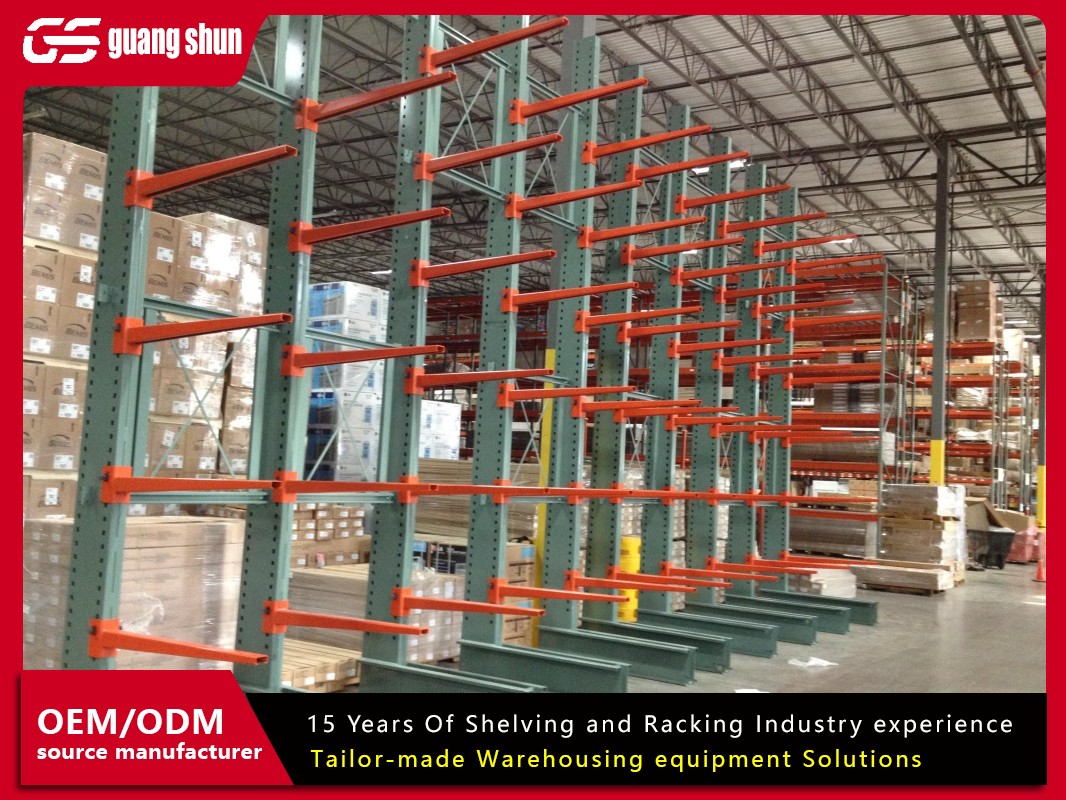
Cantilever and Mezzanine Racking Systems
Specialized loads such as long pipes, lumber, or bulky automotive components
require cantilever racking, which features horizontal arms extending from a
central column. This configuration accommodates irregularly shaped items that
cannot be stored on standard pallet beams. Mezzanine floor racking, conversely,
adds an elevated platform above the ground-level storage, effectively doubling
or tripling the usable floor area. These systems are often integrated with
conveyor belts or vertical lifts to maintain material flow efficiency.
Critical Factors in Racking Storage Systems Selection
Choosing the optimal racking storage systems involves evaluating multiple
interdependent variables. The following parameters demand rigorous analysis
during the design phase:
Load Characteristics: Pallet weight, dimensions, and base
configuration determine beam span requirements and upright spacing. Dynamic
loads from forklift impact and seismic events must also be factored into the
structural design.
Warehouse Clear Height: Available ceiling height directly
influences the number of storage levels. Modern facilities with clear heights
exceeding 12 meters can achieve substantial density gains through multi-level
racking designs.
Inventory Turnover Rate: Fast-moving SKUs require
front-face accessibility, favoring selective or push-back systems. Slow-moving
or bulk items can be allocated to deeper storage configurations like drive-in
racking.
Aisle Width and Material Handling Equipment: Narrow-aisle
forklifts (1.8 to 2.5 meters) enable higher density layouts compared to
conventional counterbalanced trucks (3.0 to 4.0 meters). The choice of handling
equipment constrains the achievable storage density.
Seismic Zone Classification: Facilities in earthquake-prone
regions must incorporate base isolation, cross-bracing, and anchored footings to
meet local building codes. Structural analyses often require finite element
modeling to validate performance under seismic loading.
Experienced engineers at Guangshun recommend conducting a
comprehensive operational data audit before finalizing any racking layout. This
audit should include SKU velocity profiles, order picking patterns, and peak
throughput requirements to ensure the selected system aligns with both current
and projected business volumes.
Safety Standards and Regulatory Compliance for Racking Systems
Compliance with internationally recognized safety standards is non-negotiable
for any commercial racking storage systems installation. The European standard EN
15512 specifies structural design requirements, including load combinations,
fatigue assessment, and tolerances for steel components. In North America, the
RMI (Rack Manufacturers Institute) standard provides analogous guidance, with
particular emphasis on impact resistance and column protection. Australian
facilities adhere to AS4084, which incorporates additional provisions for
seismic design and corrosion protection in coastal environments.
Beyond structural standards, operational safety protocols demand regular
inspections—typically every 12 months for general warehouses and every 6 months
for high-traffic or high-bay installations. Inspection checklists should cover
beam connections, upright damage, baseplate anchorage, and load indicator
signage. Guangshun provides comprehensive inspection
services and retrofitting solutions to extend the service life of existing
racking infrastructure, with documented compliance reports that satisfy insurer
and regulatory requirements.
Industry-Specific Applications of Racking Storage Systems
The versatility of modern racking designs enables tailored solutions across
diverse industrial sectors. The following case studies illustrate how specific
operational challenges drive racking configuration choices:
E-commerce Fulfillment Centers
E-commerce operations require high-speed order picking with minimal travel
time. Selective pallet racking combined with pick-to-light systems and conveyor
integration achieves throughput rates exceeding 200 picks per hour per worker.
Multi-level mezzanine structures further increase floor capacity while
maintaining accessibility for fast-moving consumer goods.
Food and Beverage Warehousing
Perishable goods demand FIFO inventory rotation and temperature-controlled
environments. Pallet flow racking with gravity-fed roller tracks ensures product
freshness by automatically advancing pallets from the loading end to the picking
face. Stainless steel finishes and corrosion-resistant coatings are standard in
refrigerated and freezer applications where condensation and moisture are
prevalent.
Automotive Parts Distribution
Automotive supply chains handle both small components and large assemblies,
requiring a mix of cantilever racking for long items (e.g., exhaust pipes,
chassis rails) and selective racking for standard palletized parts. JIT
(Just-in-Time) delivery schedules necessitate precise inventory management,
often supported by WMS (Warehouse Management System) integration that tracks
every pallet position within the racking grid.
Retail Distribution Centers
Retail DCs manage thousands of SKUs with seasonal demand fluctuations.
Drive-in racking provides the high-density storage required for bulk reserve
inventory, while selective racking serves the forward pick area. This hybrid
approach balances storage efficiency with operational agility, enabling rapid
response to changing consumer preferences.
Performance Optimization Strategies for Existing Racking Installations
Many warehouse operators overlook the optimization potential within their
current racking infrastructure. The following strategies can yield significant
performance improvements without full system replacement:
Slotting Optimization: Analyzing SKU velocity data to
assign fast-moving items to the most accessible pick faces reduces travel time
by 15% to 25%, according to logistics benchmark studies. This involves
repositioning pallet loads within the existing beam configuration.
Beam Level Adjustment: Modifying beam heights to
accommodate varying pallet heights increases cubic utilization. Modern racking
systems allow beam repositioning without structural modification, enabling rapid
adaptation to changing inventory profiles.
Safety Accessory Upgrades: Installing column guards,
end-of-aisle protectors, and load backstops reduces damage incidents by up to
40%, extending racking service life and reducing maintenance costs.
Digital Inventory Tracking: Implementing RFID or barcode
scanning at each bay transforms the racking system into a real-time inventory
management tool, reducing stock discrepancies and improving order
accuracy.
Guangshun offers on-site optimization audits
that assess existing racking configurations against current operational metrics.
Their engineering team provides actionable recommendations, including beam
reconfiguration, accessory retrofitting, and layout redesigns that often
increase storage capacity by 10% to 20% without additional floor space.
Lifecycle Cost Considerations and Long-Term ROI
The total cost of ownership for racking systems extends far beyond the
initial procurement price. Maintenance expenses, downtime from structural
failures, and productivity losses from inefficient layouts accumulate over the
system's operational life, typically 15 to 25 years. Premium-grade steel,
corrosion-resistant coatings, and robust seismic designs command higher upfront
costs but deliver lower lifecycle costs through reduced repair frequency and
extended service intervals. Operators should also evaluate the residual value of
racking systems—modular designs with interchangeable components retain higher
resale or repurposing value compared to bespoke, non-standard
configurations.
Frequently Asked Questions About Racking Storage Systems
Q1: What are the primary factors that determine the load capacity of
a racking storage system?
A1: Load capacity depends on steel gauge,
beam profile geometry, upright cross-section, connection type (bolted vs.
riveted), and the number of beam levels. Manufacturers provide load charts that
specify safe working loads for each beam level based on uniform distributed
loads. Additional factors include floor flatness, anchor bolt torque, and
dynamic impact forces from forklift operations. Regular load testing and
inspection are recommended to verify capacity after installation or
modifications.
Q2: How often should racking systems undergo professional safety
inspections?
A2: Industry standards recommend a formal structural
inspection every 12 months for general warehouse applications. High-traffic
facilities, cold storage environments, and installations in seismic zones should
reduce this interval to 6 months. Daily visual checks by warehouse staff should
complement these professional inspections, focusing on visible damage to beams,
uprights, and baseplates. Inspection records must be maintained for compliance
with insurance and regulatory requirements.
Q3: Can existing racking systems be modified to accommodate higher
pallet loads or different SKU dimensions?
A3: Yes, modular racking
designs allow beam repositioning, upright reinforcement, and accessory upgrades
without complete system replacement. However, any modification must be evaluated
by a structural engineer to ensure compliance with load ratings and safety
standards. Increasing beam spacing or adding additional beam levels may require
upgrading upright profiles or reinforcing the base anchorage. Retrofitting
solutions from manufacturers like Guangshun can extend system capacity within
original design parameters.
Q4: What are the most common causes of racking system failures in
industrial settings?
A4: The leading causes include impact damage
from forklifts (over 60% of reported incidents), overloading beyond rated
capacities, inadequate seismic bracing, and corrosion in humid or chemical
environments. Improper installation—particularly insufficient anchor bolt torque
or misaligned uprights—also contributes to premature failures. Prevention
strategies include driver training, impact protection accessories, load
indicator signage, and environmental coatings for corrosive atmospheres.
Q5: How does seismic design influence the selection of racking
storage systems in earthquake-prone regions?
A5: Seismic design
requires additional bracing, base isolation systems, and specialized anchorage
to maintain structural integrity during ground motion. Racking systems in
seismic zones must be engineered to accommodate lateral forces through
cross-bracing, shear connectors, and flexible base plates. Compliance with local
building codes (e.g., ASCE 7 in the US, Eurocode 8 in Europe) is mandatory, and
finite element analysis is often required to validate performance under
design-level earthquakes. These seismic provisions add 10% to 20% to the initial
system cost but are essential for life safety and business continuity.
Q6: What is the typical lead time for custom-engineered racking
systems?
A6: Lead times vary based on system complexity, steel
availability, and manufacturing capacity. Standard selective pallet racking with
common beam lengths typically ships within 4 to 6 weeks. Custom
configurations—including non-standard bay depths, specialty coatings, or seismic
bracing—extend lead times to 8 to 12 weeks. Large-scale projects exceeding 5,000
pallet positions may require 14 to 20 weeks from design approval to site
delivery. Early engagement with the manufacturer enables concurrent site
preparation and foundation work to compress the overall project timeline.
Q7: Are automated storage and retrieval systems (AS/RS) compatible
with traditional racking designs?
A7: AS/RS integration requires
racking systems with tighter dimensional tolerances, reinforced uprights, and
guide rails for automated shuttles or cranes. While selective and drive-in
racking can be adapted for semi-automated operations, dedicated AS/RS racking
features specialized interfaces for automated handling equipment. Many operators
adopt a phased approach—starting with manual operations and transitioning to
automated systems as throughput demands increase, leveraging modular racking
designs that accommodate future automation upgrades.
The selection and optimization of racking storage systems represent a strategic
investment that influences warehouse productivity, safety, and profitability for
decades. By understanding the technical nuances of each configuration, adhering
to rigorous safety standards, and leveraging professional optimization services,
operators can transform their storage infrastructure into a competitive
advantage. For tailored engineering solutions and site-specific design
consultations, the team at Guangshun offers comprehensive support from
concept to commissioning.
Explore detailed product specifications, load charts, and case studies at https://www.gsracking.com/racking-storage-systems.html to
benchmark your current storage performance against industry best practices.