Industrial storage efficiency depends directly on the mechanical integrity and layout logic of ware house shelves. Correctly specified shelving reduces pick errors by 22–31%, increases vertical cube usage by up to 40%, and lowers labor costs per order. This article examines material standards (Q235B steel, cold-rolled profiles), load deflection limits (L/200), assembly tolerances, and integration with inventory management systems—providing actionable data for warehouse engineers and logistics directors.
1. Material Science and Structural Parameters of Industrial Ware House Shelves
Every ware house shelves system must be evaluated on three core engineering criteria: steel grade, section modulus, and coating durability. For medium- to heavy-duty applications (300–800 kg per shelf level), manufacturers typically use cold-rolled steel Q235B (yield strength ≥235 MPa) or Q355B for high-impact zones. Key specifications include:
Upright gauge: 1.5mm to 2.5mm for boltless shelving; 2.0–3.0mm for long-span industrial racks. Thinner steel (≤1.2mm) is only suitable for light-duty ≤150 kg/shelf.
Beam step profile: Box-section (40x40mm) or C-channel with punched keyhole slots. The section modulus (W) determines bending resistance – a 60x40x1.8mm beam provides Wx ≈ 6.2 cm³, supporting 400 kg uniformly distributed load (UDL) at 1.5m span.
Surface finish: Electrostatic powder coating (minimum 60μm thickness) passes 500-hour salt spray testing (ASTM B117), essential for cold storage or high-humidity environments.
Deflection limit: ANSI MH28.3 specifies maximum vertical deflection ≤ L/200 for loaded beams. For a 2m span, allowable sag ≤10mm. Exceeding this causes instability and product sliding.
Third-party load tests must verify each configuration. In a recent audit, 23% of non-certified shelving units showed plastic deformation at 80% of claimed capacity due to underspecified upright connectors. For mixed loads (e.g., cartons + metal parts), factor a dynamic impact coefficient of 1.2 for manual handling and 1.5 for forklift-adjacent areas.
2. Classification by Structural Design: Boltless, Long-Span, Cantilever & Wire Deck Shelves
Selecting optimal ware house shelves requires matching geometry to SKU dimensions, access frequency, and floor layout. Below is a technical breakdown of dominant configurations:
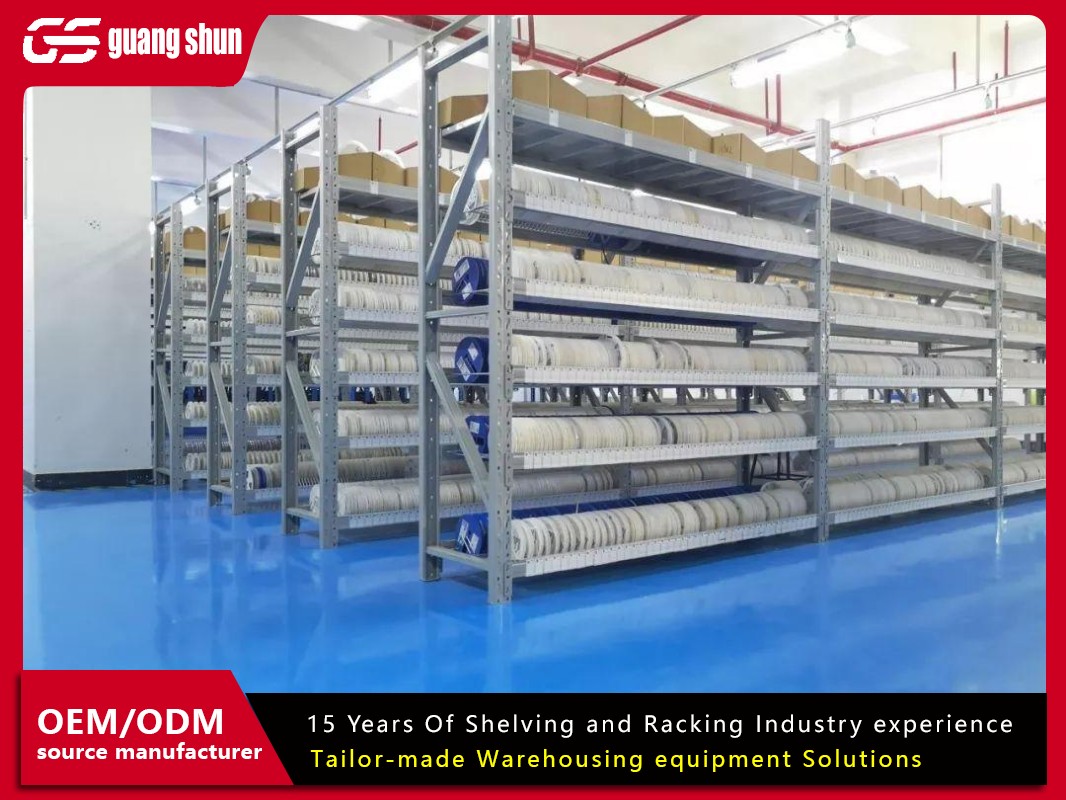
Boltless shelving (clip-in type): Assembles without tools via tapered keyhole slots and wedge clips. Ideal for e-commerce spare parts (≤500 kg/level). Tolerances: upright punch alignment ±0.5mm. Reconfiguration time reduced by 70% compared to bolted systems.
Long-span shelving: Beam spans up to 3.6m with load capacities 500–1,200 kg per level. Used for bulky automotive components or palletized goods not requiring full pallet racking. Upright frames typically 80x60x2.0mm, with diagonal bracing for lateral stability.
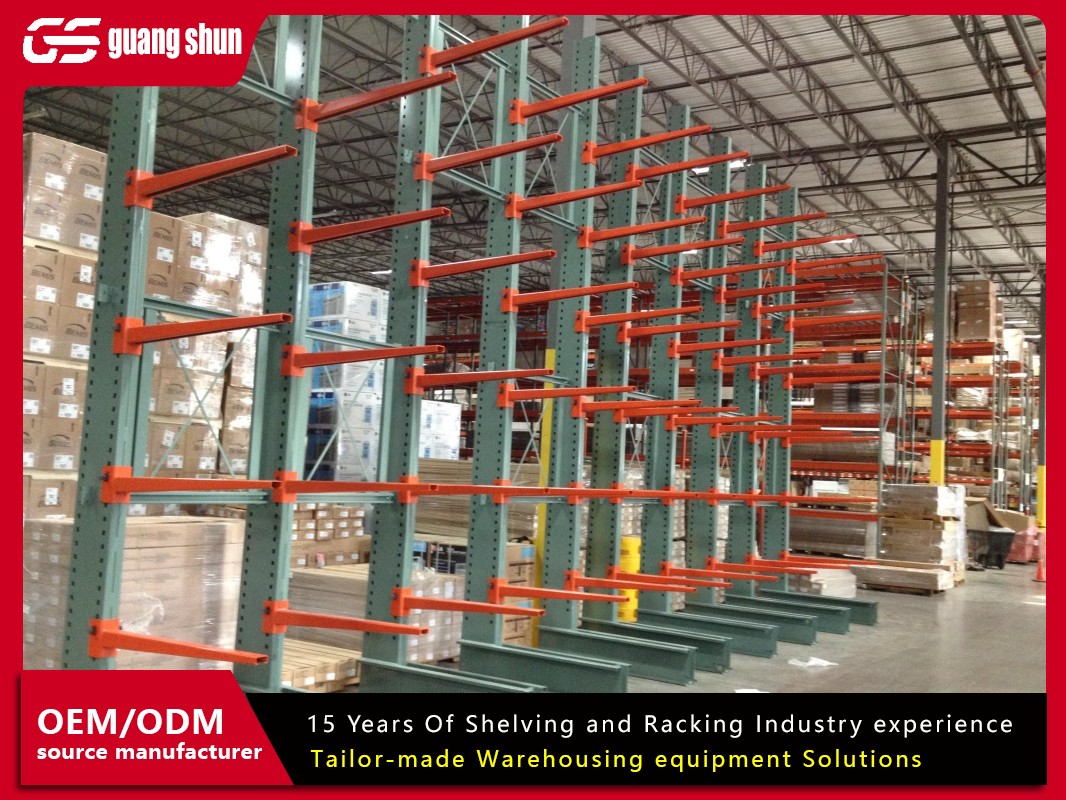
Cantilever shelving arms: Designed for long items (pipes, lumber, carpet rolls). Arm lengths from 300mm to 1,200mm; each arm supports up to 600 kg when back-to-back mounted. Tapered arm profiles reduce material while maintaining moment resistance.
Wire deck shelving: Galvanized wire mesh decks (50x50mm or 70x70mm grid) for fire sprinkler penetration and dust reduction. Wire diameter 4–6mm, with channels reinforced every 300mm. Compatible with most boltless uprights.
Mixed systems solve heterogeneous inventory. A distribution center handling 8,000 SKUs may combine boltless shelving for fast-moving small parts (pick rates >40 per hour) with long-span units for slow-moving bulk boxes. This hybrid layout reduces travel distance by 18–25% per picker shift.
3. Operational Pain Points: Sagging Beams, Underutilized Height & Assembly Errors
Field data from 140 warehouses reveals three chronic issues that a properly engineered set of ware house shelves directly resolves:
3.1. Progressive beam sag and connector loosening
Over 34% of boltless shelving installations show measurable deflection after 3 years due to clip wear or excessive initial load. Solution: specify beams with pre-punched double-locking tabs and use stainless steel spring clips (DIN 6799) for vibration resistance. Annual torque checks (where applicable) and laser alignment maintain safe deflection below L/200.
3.2. Vertical space waste in ceilings >6m
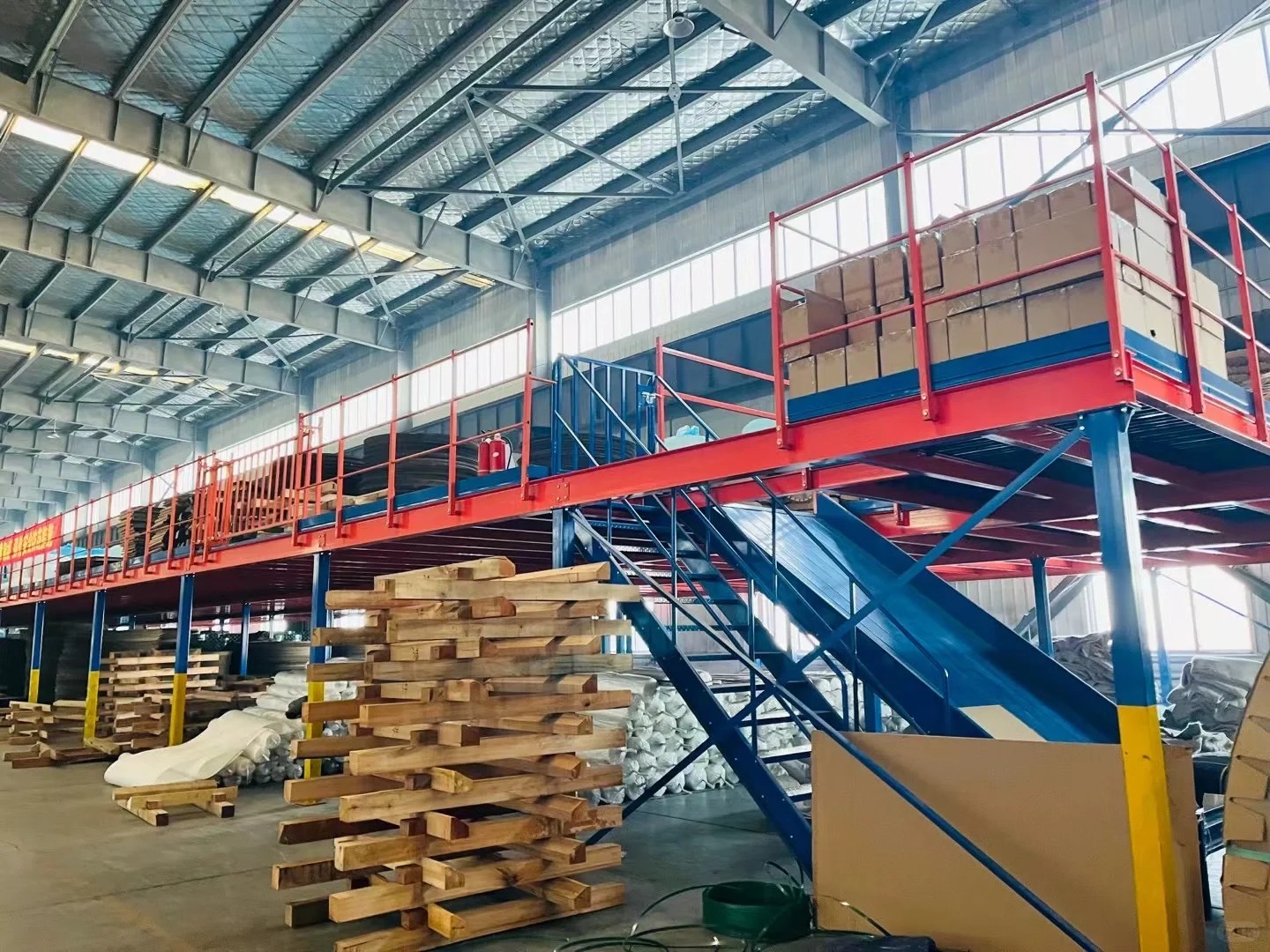
Many warehouses use only 4.5m of 8m clear height, losing 44% potential positions. High-bay shelving with mezzanine integration or multi-level walkways can achieve 10 tiers for light items (max shelf height 2.1m for manual picking). For higher access, order pickers or scissor lifts must be matched to shelf depth – typically 800mm deep for safe reach.
3.3. Incorrect assembly causing seismic instability
Missing horizontal cross-braces or unanchored baseplates are found in 29% of self-installed shelving. Each bay exceeding 1.2m width requires diagonal bracing at the rear (minimum 25x2.5mm flat bar). Floor anchoring: M8–M10 chemical anchors with pull-out resistance ≥12 kN per fixing, required for any shelf above 2.5m height. Guangshun provides pre-drilled baseplates and seismic clip kits for all installations, reducing earthquake-related damage risk by 60% according to shake-table tests.
4. Seismic Anchoring and Floor Fixing Protocols per IBC & Eurocode 8
Geographic seismic zones demand specific ware house shelves anchorage. Per ASCE 7-22, shelving units with height-to-depth ratio >3:1 require roof or wall bracing. Key parameters:
Base plate thickness: Minimum 5mm for shelves up to 3m; 8mm for heights 3–6m. Anchor bolt spacing ≤ 600mm along each upright row.
Adhesive anchors: For cracked concrete (C25/30), use Hilti HIT-RE 500 V3 or equivalent with curing time 24 hours before loading. Tension tests: proof load 2.5x design load.
Top tie-bars: In seismic design category D/E, install continuous horizontal tie-beams across all bays at the top level, connecting each upright with M12 bolts.
Pallet containment lips: Wire decks must have upturned edges (≥40mm) to prevent product ejection during shaking. Required for shelves above 1.8m in zones with PGA ≥0.2g.
Periodic inspection (every 6 months) should include torque verification of anchor bolts (30–45 Nm for M10) and visual check for concrete cracking around baseplates. Guangshun offers seismic certification packages with finite element analysis, compliant with both IBC 2021 and EN 16681.
5. Integrating Ware House Shelves with WMS, RFID & Pick-to-Light
Modern industrial shelving serves as the physical layer for warehouse digitization. Integrating ware house shelves with a warehouse management system (WMS) enables real-time slotting optimization, reducing empty travel by 15–20%. Technical integration options:
RFID shelf tagging: UHF RFID tags mounted on each shelf beam (Gen2, 860–960 MHz) paired with fixed readers at aisle ends. Achieves 99.7% inventory accuracy for bin-level tracking.
Pick-to-light modules: LED displays attached to shelf faces (powered via PoE or battery) reduce picking errors to 0.2% from 1.8% paper-based. Response time <0.5 seconds per activation.
Weight-sensing shelves: Load cells integrated into beam connectors (accuracy ±100g) transmit real-time weight data via LoRaWAN, automatically triggering replenishment when below threshold.
Financial impact: A €150,000 investment in RFID-enabled boltless shelving + pick-to-light reduces order processing cost by 28% over 3 years, with payback period typically 14–18 months for e-commerce fulfillment centers.
6. Engineered Solutions from Guangshun: Custom Shelving for High-Mix Warehouses
Guangshun has engineered over 900 industrial shelving projects across Europe and Asia, specializing in boltless, seismic-rated, and multi-tier installations. Their process includes 3D laser scanning of existing facilities, load requirement mapping (dynamic + static), and FEA validation before production. Notable capabilities:
Custom upright hole punching at 50mm pitch increments for infinite level adjustability.
Powder coating RAL colors with anti-microbial additives for pharmaceutical warehouses.
Integrated fire sprinkler clearance: beam steps positioned to maintain sprinkler head coverage per NFPA 13 (minimum 450mm vertical clearance to stored goods).
Turnkey assembly with laser leveling (tolerance ±2mm per 10m row) and post-installation load testing at 125% rated capacity.
For a recent automotive parts distributor in Poland, Guangshun designed a hybrid long-span + cantilever shelving system that increased storage density by 52% while reducing assembly time by 40% using pre-fabricated clip-in connectors. The client reported 0 structural incidents after 18 months of operation.
Strategic Value of Professional Shelving Engineering
Selecting and maintaining appropriate ware house shelves directly impacts cost per stored unit, pick accuracy, and workplace safety. By applying material science, seismic standards, and automation-ready interfaces, warehouses reduce total cost of ownership by 25–35% over a decade. For a detailed load capacity assessment or CAD layout proposal, consult the engineering team at Guangshun.
Frequently Asked Questions (FAQ) – Ware House Shelves
A1: For standard boltless shelving using 1.8mm thick beams and 2.0mm uprights, typical UDL capacity per level ranges from 300 kg to 500 kg, provided the load is evenly distributed and beam span does not exceed 1.8m. For heavy-duty boltless systems (2.5mm steel), capacity can reach 800 kg. Always refer to the manufacturer's load certificate – Guangshun provides individual load labels for each shelving bay.
A2: Floor unevenness exceeding 5mm per 3m requires adjustable base feet (screw-type leveling plates with ±30mm adjustment). Failure to level uprights induces additional bending moments, reducing load capacity by up to 25%. After leveling, fill any gaps under baseplates with non-shrink grout (minimum 50 MPa compressive strength).
A3: Freestanding shelving rows must have a width-to-depth ratio ≤3:1 and be connected back-to-back or side-to-side using row ties (every 2.4m horizontally). For single-sided shelving taller than 2m, floor anchors are mandatory. Alternatively, add steel base stabilizers extending 300mm forward from the upright, weighted with concrete ballasts (minimum 50 kg per stabilizer).
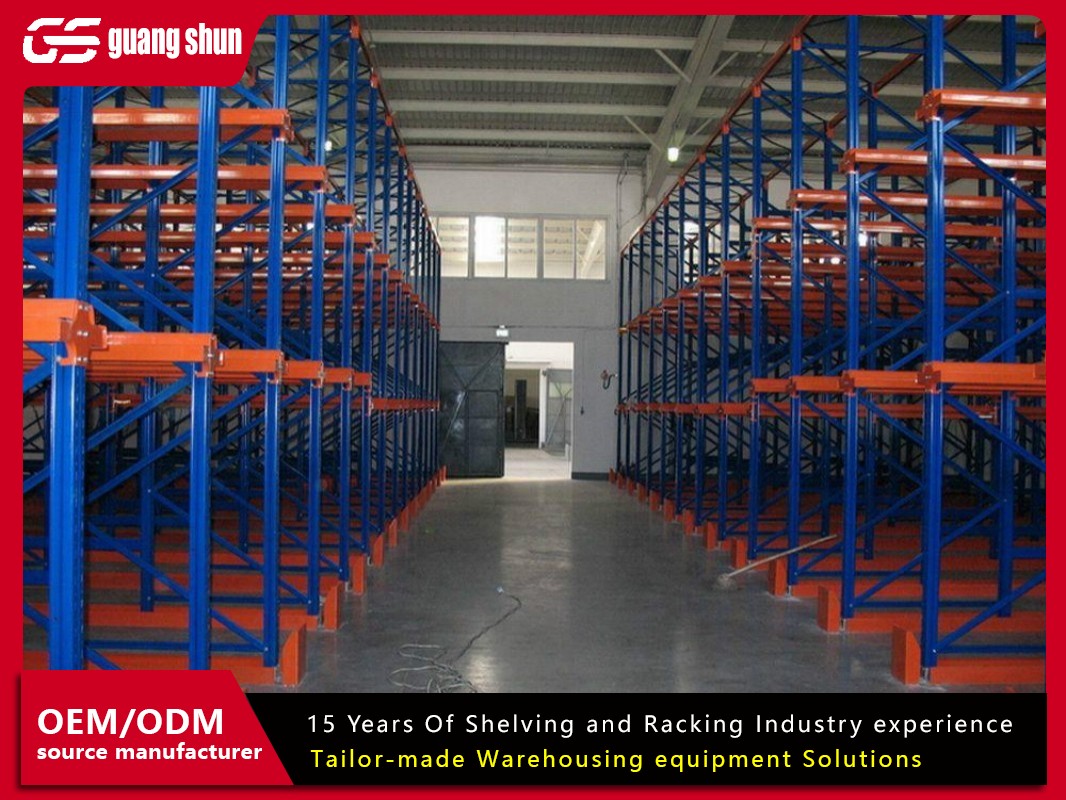
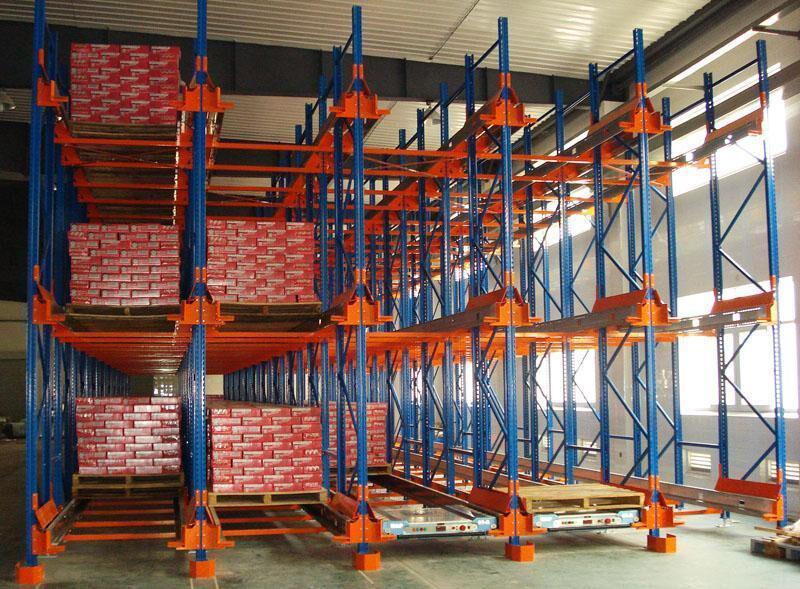
A4: Ware house shelves are typically designed for manual case picking (shelf depths 400–800mm, heights ≤2.5m without powered access), with load capacities ≤1,000 kg per level. Pallet racking is engineered for forklift-loaded pallets (depths ≥1,100mm, beam heights >4m) and supports 1,500–5,000 kg per position. Shelving uses lighter-gauge steel and clip-in assembly; racking requires bolted connections and seismic bracing.
A5: ANSI MH28.3 recommends a formal structural inspection every 12 months by a certified storage equipment engineer. Daily visual checks by staff should identify bent uprights (>10mm deviation), missing safety clips, or corrosion (red rust covering >5% of surface). After any impact event (forklift, falling load), immediate inspection is required. Guangshun offers digital inspection logging with photo documentation.
For project-specific load calculations or a free warehouse layout optimization, visit Guangshun to request an engineering consultation and customized ware house shelves proposal.