Warehouse operators managing high-throughput distribution centers understand
that storage infrastructure directly impacts operational efficiency, inventory
accuracy, and workplace safety. Among the various storage solutions available,
metal
pallet racking remains the most widely deployed system across
manufacturing, third-party logistics (3PL), cold chain, and e-commerce
fulfillment environments. Its modular design, high strength-to-weight ratio, and
adaptability to diverse pallet configurations make it indispensable for
facilities handling unit loads on a large scale.
This article examines the technical foundations, structural considerations,
application scenarios, and common operational challenges associated with metal
pallet racking systems. It draws on engineering principles, industry standards,
and practical deployment experience to provide a reference for warehouse
planners, facility engineers, and supply chain decision-makers.
What Defines Metal Pallet Racking?
Metal pallet racking refers to a family of structural steel systems designed
to store palletized goods in horizontal rows and vertical tiers. The core
components include upright frames, horizontal beams, beam-to-upright connectors,
and optional accessories such as wire mesh decking, steel panels, and column
guards.
The upright frame typically consists of two columns connected by horizontal
and diagonal bracing. Column profiles are perforated at regular
intervals—commonly on a 2-inch (50.8 mm) pitch—to allow beam placement at
multiple heights. Beam connectors engage these perforations through a variety of
locking mechanisms, including teardrop, keyhole, and slotted designs.
Load capacity is determined by several factors:
Column section properties: Moment of inertia and
cross-sectional area influence frame stability.
Beam profile: C-channel, box beam, and step beam profiles
offer different strength and stiffness characteristics.
Beam length and deflection limits: Longer beams require
deeper sections to maintain acceptable deflection under load.
Connection integrity: The beam-end connector and its
engagement with the upright determine the system's ability to transfer shear and
moment forces.
Engineers typically reference standards such as ANSI MH16.1 (Rack
Manufacturer's Institute specification) or the European EN 15512 when designing
and validating these systems. These standards establish safety factors, testing
protocols, and deflection criteria—usually L/180 for beam deflection under
static load, though some applications require stricter limits.
Types of Metal Pallet Racking Systems
Selective Pallet Racking
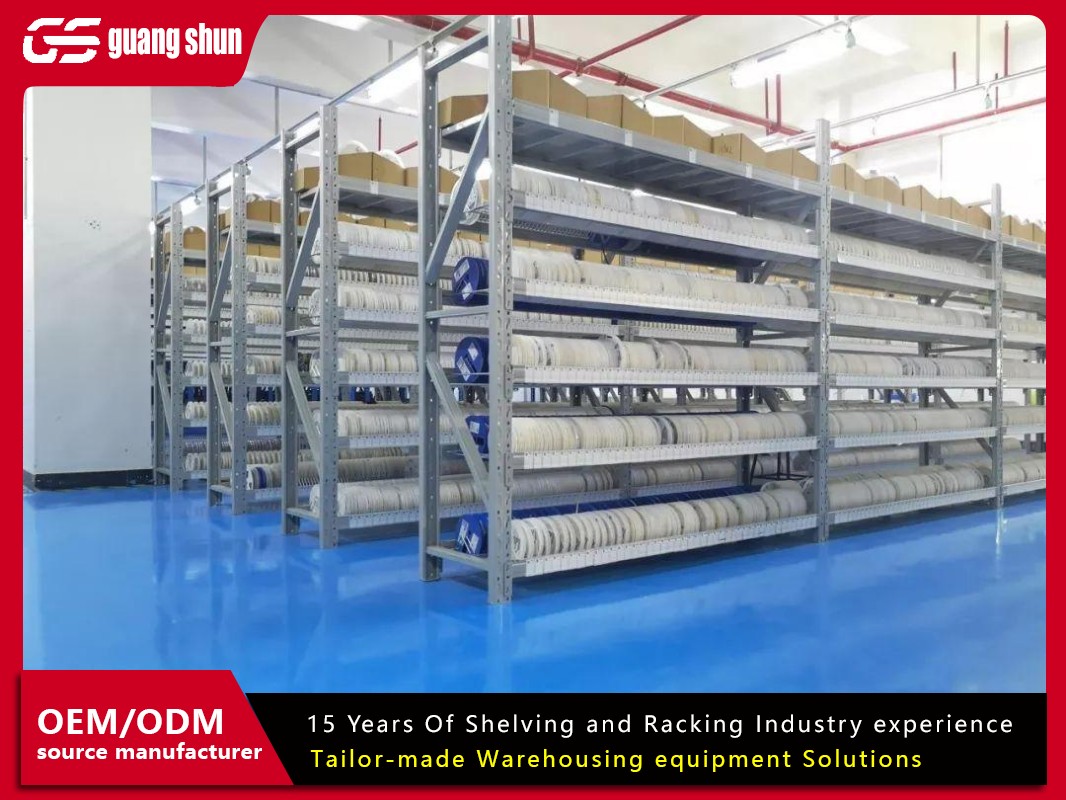
Selective racking is the most common configuration, offering direct access to
every pallet position. Each aisle serves two rows of racking, and forklift
operators can retrieve any pallet without moving others. While this design
provides high selectivity, it typically achieves storage densities of around
40–50% of the total floor area. It suits operations with diverse SKUs and
moderate throughput requirements.
Drive-In and Drive-Through Racking
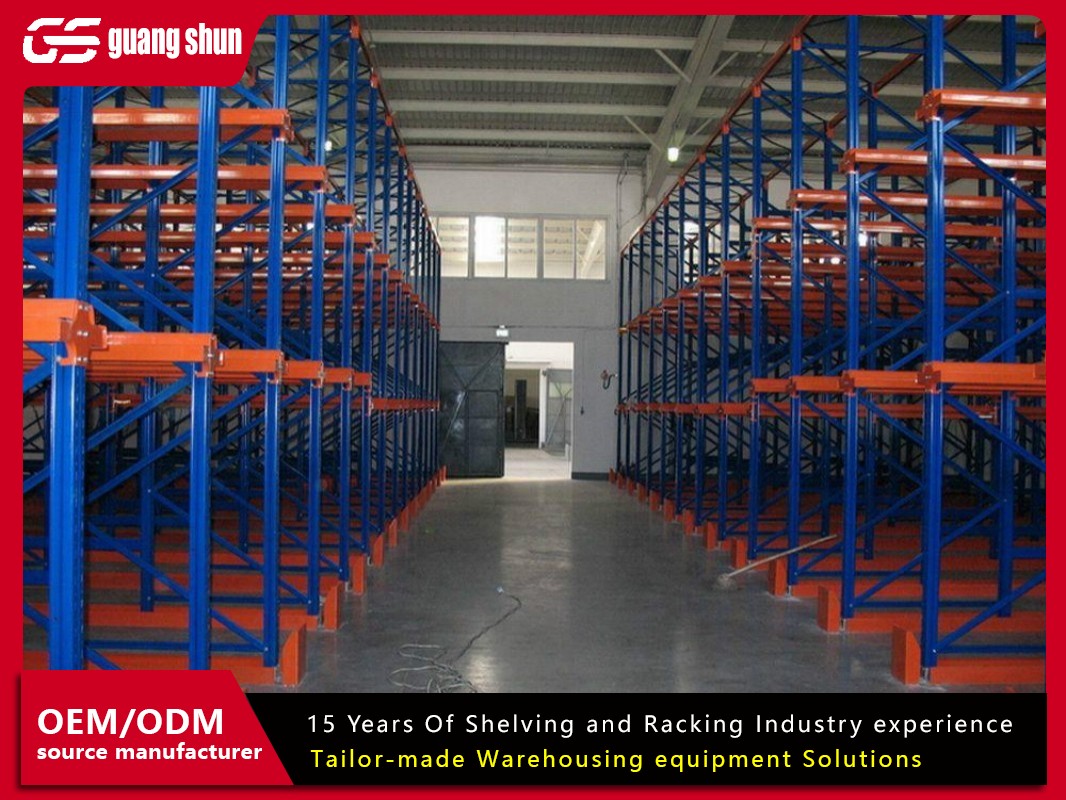
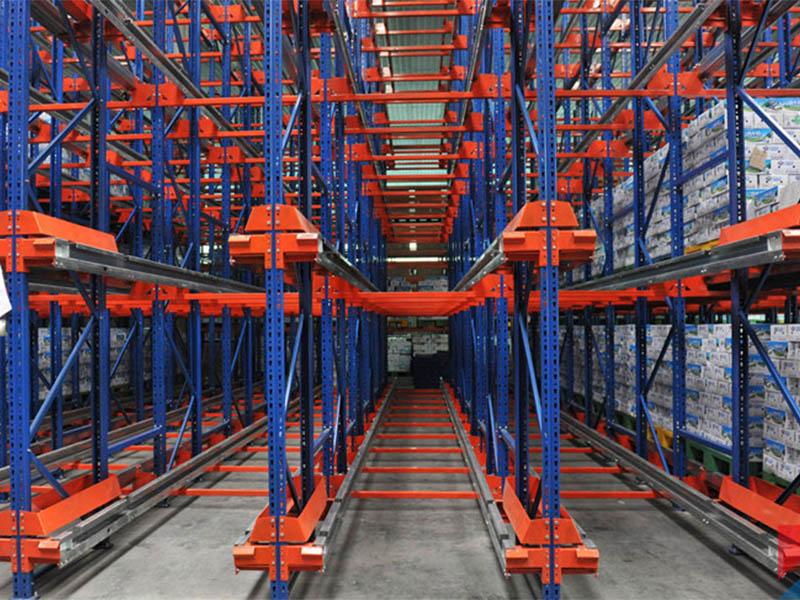
Drive-in racking eliminates aisles by allowing forklifts to enter the rack
structure itself. Pallets are stored on rails or guide channels, often several
positions deep. This configuration is well-suited for high-volume, low-SKU
operations such as cold storage and food processing. Drive-through racking, a
variant with access from both sides, supports FIFO (first-in, first-out)
inventory rotation, while standard drive-in operates on LIFO (last-in,
first-out) principles. Storage density can reach 75–85%, but selectivity is
sacrificed.
Push-Back Racking
Push-back systems use nested carts on inclined rails. When a forklift places
a pallet, it pushes existing pallets backward along the rails. Retrieval brings
the most recently stored pallet forward. This design offers better selectivity
than drive-in while maintaining relatively high density—typically 60–75%. It
works well for medium-turnover SKUs with multiple pallets per item.
Pallet Flow Racking
Pallet flow racking uses gravity rollers or wheels set at a slight incline.
Pallets load at the rear and flow forward to the picking face. This
configuration supports FIFO rotation and is common in high-throughput
distribution centers and order fulfillment operations. Lane depths typically
range from 2 to 10 pallets, depending on SKU velocity and replenishment
frequency.
Cantilever Racking
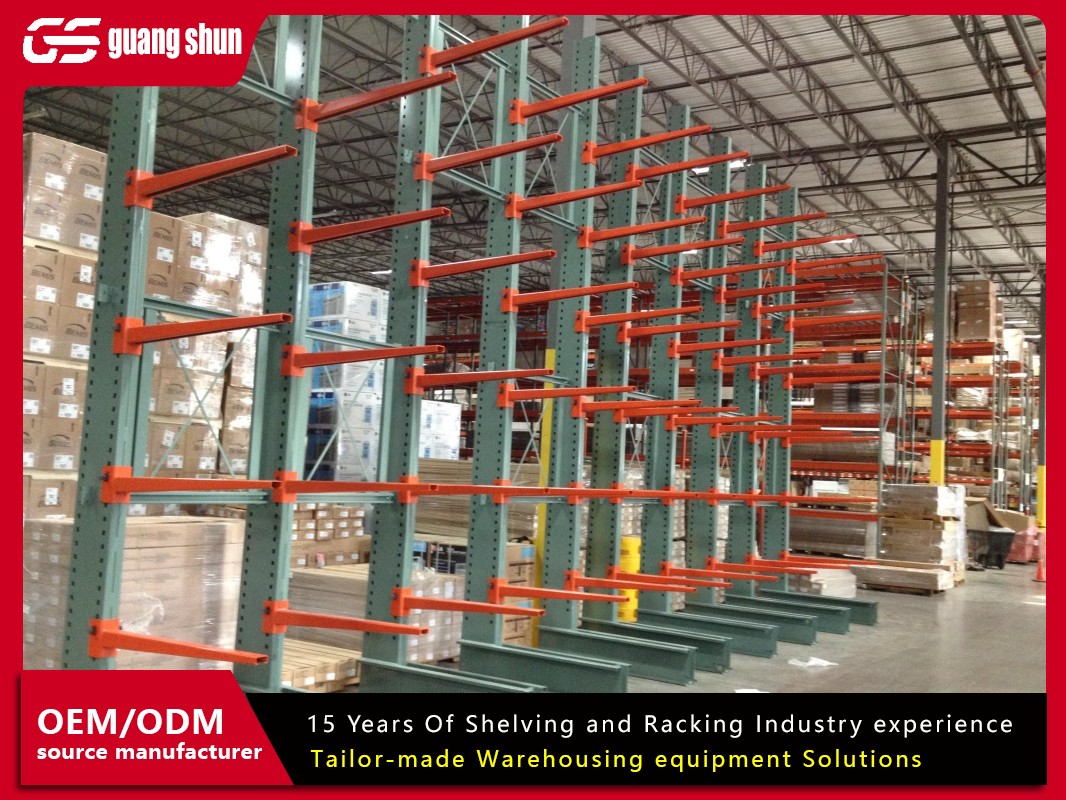
While not strictly a pallet racking system, cantilever racking stores long,
irregular goods such as pipes, timber, and steel sections. It uses horizontal
arms extending from a single vertical column, leaving the front unobstructed for
loading and retrieval.
Engineering and Design Considerations
Load Capacity and Deflection
Every metal pallet racking system must be engineered for specific load
conditions. Design loads include the weight of the pallet, the goods on it, and
any dynamic forces introduced during loading and unloading. Engineers calculate
capacity per beam pair, per upright frame, and per system. Beam deflection under
load should not exceed the specified limit—typically L/180 for selective
racking. Exceeding deflection limits can compromise beam engagement, lead to
structural fatigue, and create safety hazards.
It is important to note that published capacity ratings assume evenly
distributed loads. Concentrated loads, impact forces from forklifts, and
non-uniform pallet placement can reduce effective capacity. Load plaques should
be affixed to each racking system, indicating maximum load per beam level and
per bay.
Seismic Design
In regions with seismic activity, racking systems must be designed to
withstand lateral forces. Seismic design considerations include:
Base plate anchorage to the concrete slab
Frame bracing configurations (horizontal and diagonal)
Beam-to-upright connection strength
Ductility of steel components
Interaction with sprinkler systems and building structures
Standards such as ASCE 7 and local building codes provide seismic design
parameters. In high-risk zones, engineers may specify heavier column sections,
additional bracing, and more frequent anchorage points.
Material and Finish Options
Most pallet racking is manufactured from cold-rolled or hot-rolled steel.
Common finishes include:
Powder coating: Provides a durable, corrosion-resistant
finish in various colors. Widely used in dry storage environments.
Galvanization: Hot-dip galvanizing offers superior
corrosion protection, making it suitable for cold storage, food processing, and
outdoor applications.
Epoxy coating: Used in specific chemical or wash-down
environments where additional chemical resistance is required.
The choice of finish impacts longevity, maintenance costs, and hygiene
compliance in regulated industries.
Application Scenarios Across Industries
Different industries impose distinct requirements on metal pallet racking
systems:
Third-party logistics (3PL): Requires high flexibility,
multiple beam levels, and compatibility with various pallet sizes. Selective and
push-back systems are common.
Cold storage: Galvanized or specialty-coated racking
resists condensation and frost. Drive-in and pallet flow systems maximize cubic
utilization in temperature-controlled rooms.
E-commerce fulfillment: Pallet flow racking and selective
racking support fast-moving SKUs and integration with conveyor systems.
Manufacturing: Racking often interfaces with production
lines, requiring custom bay widths and load capacities.
Pharmaceutical and food: Hygiene standards demand
easy-to-clean surfaces, corrosion resistance, and compliance with FDA or HACCP
guidelines.
In each case, the racking system must be integrated with material handling
equipment (MHE), sprinkler layouts, lighting, and warehouse management systems
(WMS).
Common Industry Pain Points and Practical Solutions
Warehouse professionals frequently encounter several challenges with pallet
racking:
1. Insufficient Load Capacity Due to Misapplication
Operators sometimes overload beam levels or place pallets that exceed the
rated capacity. This can cause beam deflection, connector deformation, and
eventual collapse.
Solution: Conduct regular load audits. Verify that pallet
weights—including the pallet itself—are within design limits. Update load
plaques when storage patterns change. Train forklift operators on proper load
placement and impact avoidance.
2. Forklift Impact Damage
Forklift collisions with uprights and beams are a leading cause of rack
damage. Even minor impacts can compromise structural integrity.
Solution: Install column guards at aisle ends and
high-traffic zones. Use impact-resistant upright protectors. Implement traffic
management protocols, including speed limits and designated travel lanes.
Conduct routine inspections and replace damaged components promptly.
3. Poor Storage Density
Many facilities underutilize vertical space or rely solely on selective
racking, resulting in excessive aisle space and low cubic utilization.
Solution: Evaluate SKU velocity and inventory profiles.
Consider hybrid systems: selective racking for fast movers and drive-in or
push-back racking for slow-moving, high-volume items. Optimize aisle widths
based on forklift turning radii and load dimensions.
4. Inconsistent Inspection and Maintenance
Rack damage often goes unnoticed until it becomes severe. Without a formal
inspection program, minor issues escalate into safety risks.
Solution: Establish a documented inspection schedule—monthly
visual checks and annual professional audits. Train staff to identify signs of
damage: bent columns, twisted beams, loose connectors, and corrosion. Maintain a
repair log and prioritize corrective actions based on severity.
5. Integration with Automation
As warehouses adopt ASRS (automated storage and retrieval systems), AMRs
(autonomous mobile robots), and conveyor systems, racking must interface
seamlessly with these technologies.
Solution: Engage racking suppliers early in the automation
planning process. Ensure that rack tolerances, beam heights, and load capacities
align with automated equipment specifications. Consider future scalability when
designing the initial layout.
Safety and Compliance Standards
Compliance with industry standards is not optional. Key standards
include:
ANSI MH16.1: Design, testing, and utilization of industrial
steel storage racks.
EN 15512: European standard for steel static storage
systems.
RMI (Rack Manufacturer's Institute): Publishes guidelines
for inspection, repair, and load signage.
Local building codes: Govern seismic design, fire
protection, and structural permits.
Facility managers should maintain documentation of design calculations, load
ratings, and inspection records. This documentation supports insurance
compliance and demonstrates due diligence in safety management.
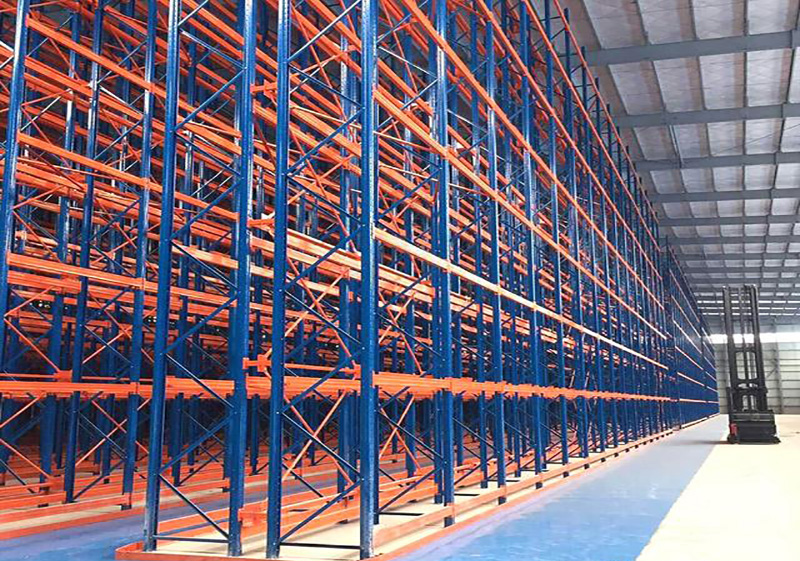
Why Partner with Guangshun
Guangshun brings
decades of experience in the design, manufacturing, and deployment of metal
pallet racking and warehouse storage systems. The company serves clients across
North America, Europe, and Asia, delivering engineered solutions that meet ANSI,
EN, and other international standards.
Guangshun's capabilities include:
Custom engineering for selective, drive-in, push-back, and pallet flow
systems
In-house manufacturing with strict quality control
Seismic and structural design support
Load testing and certification documentation
Turnkey project management from layout planning to installation
For facilities seeking to optimize storage density, improve safety, and
reduce long-term maintenance costs, partnering with an experienced manufacturer
is a practical step. Guangshun provides the
technical expertise and production capacity to support projects of varying scale
and complexity.
Metal pallet racking is more than a commodity product. It is an engineered
system that influences warehouse safety, operational throughput, and capital
efficiency. Understanding the technical distinctions between racking types, the
factors affecting load capacity, and the importance of regular inspection allows
facility managers to make informed decisions.
As supply chains evolve and storage demands intensify, the role of
well-designed racking systems will only grow. Whether upgrading an existing
facility or planning a new distribution center, investing in properly engineered
metal pallet racking—supported by reputable manufacturers and rigorous
compliance practices—remains a foundational element of warehouse success.
Frequently Asked Questions
Q1: What is the typical load capacity of selective metal pallet
racking?
A1: Capacity varies by design. Standard selective racking often supports
2,000 to 4,000 lbs per beam pair, but custom systems can exceed 10,000 lbs.
Capacity depends on beam profile, length, upright frame design, and deflection
limits. Always refer to the load plaque and manufacturer's engineering
documentation.
Q2: How often should pallet racking be inspected?
A2: The Rack Manufacturer's Institute recommends monthly visual inspections
by trained personnel and annual professional inspections. Facilities with high
forklift traffic or heavy loads may require more frequent checks. Any damage
should be documented and repaired promptly.
Q3: Can metal pallet racking be used in cold storage
environments?
A3: Yes, but material finish matters. Hot-dip galvanized or specialty-coated
racking is preferred in cold storage to resist condensation and corrosion.
Designers must also account for low-temperature steel behavior, which can affect
ductility and impact resistance.
Q4: What is the difference between drive-in and drive-through
racking?
A4: Drive-in racking allows forklifts to enter from one side only, operating
on a LIFO basis. Drive-through racking allows entry from both sides, enabling
FIFO rotation. Drive-through systems typically require more floor space but
improve inventory management for perishable or time-sensitive goods.
Q5: How do I determine the right aisle width for my racking
system?
A5: Aisle width depends on forklift type, load dimensions, and turning
radius. Standard counterbalance forklifts often require 12–13 feet, while reach
trucks can operate in 9–10 feet. Narrow aisle equipment may need as little as
6–7 feet. Consult your MHE supplier and racking engineer to optimize aisle width
for safety and productivity.
Q6: What are the signs of structural damage in pallet
racking?
A6: Key indicators include bent or twisted columns, deflected beams, loose or
missing beam connectors, cracked welds, corrosion, and base plate movement. Any
of these conditions should trigger an immediate inspection and corrective
action.
Q7: Can I add beam levels to an existing racking system?
A7: In many cases, yes—but only after engineering review. Adding levels
increases load on uprights and may require heavier columns, additional bracing,
or improved anchorage. Never modify racking without consulting a qualified
engineer or the original manufacturer.