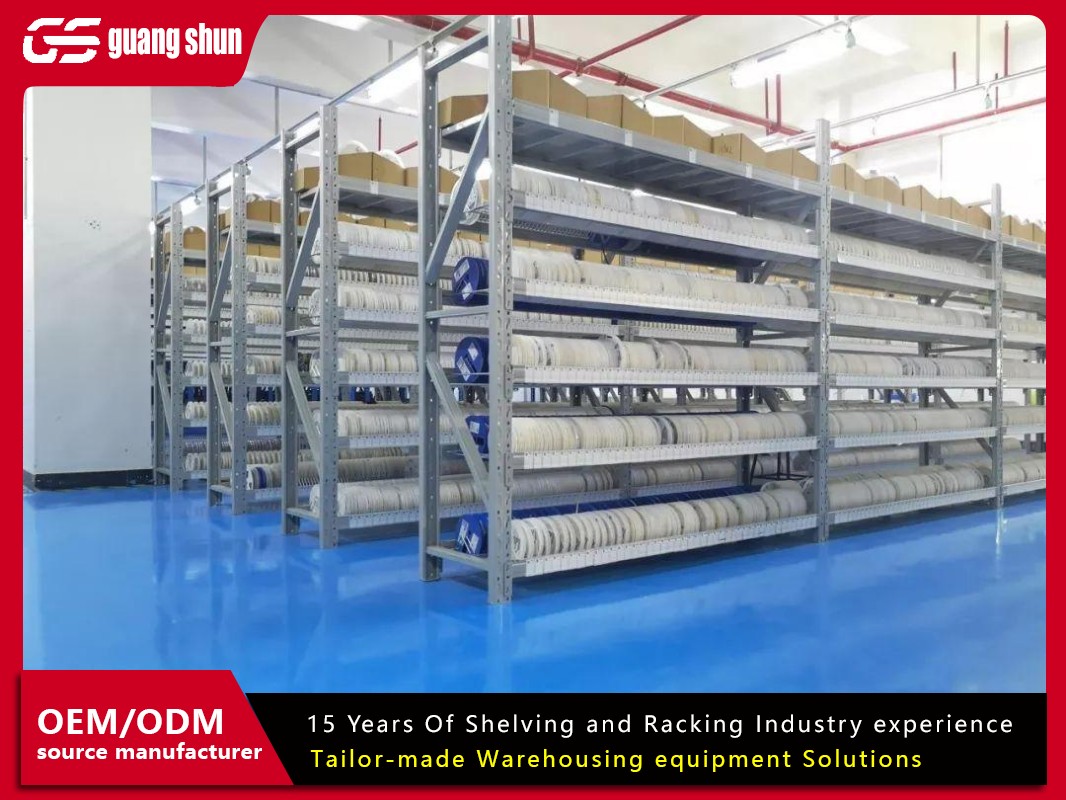
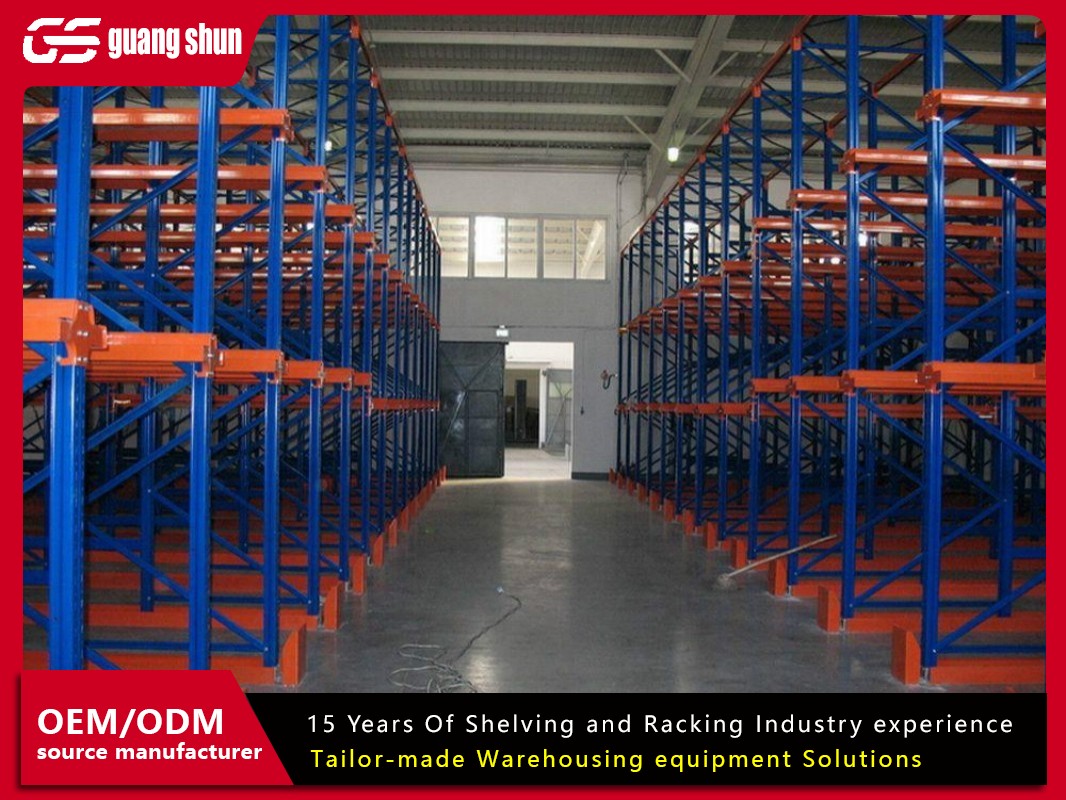
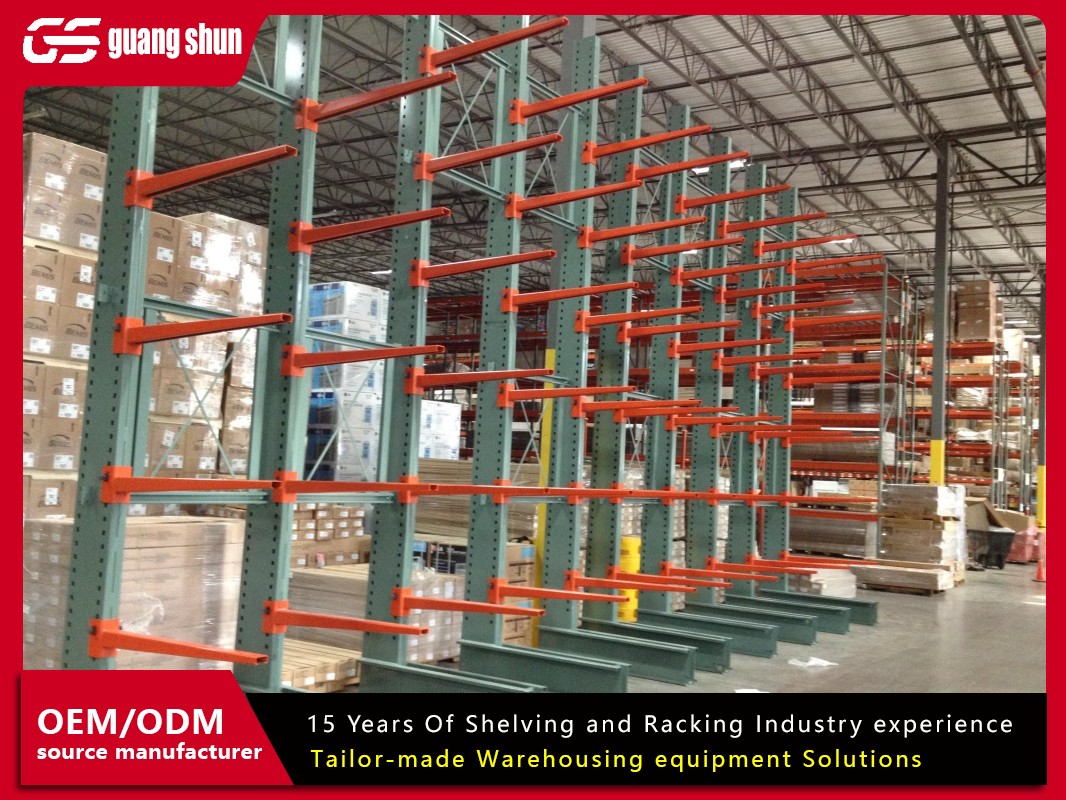
If your operation needs to organize tools, parts, or materials that weigh hundreds of pounds per shelf, you’re beyond the realm of store-bought units. You need heavy duty industrial metal shelving. This category defines the backbone of organized workshops, warehouses, and factories worldwide.
But what actually makes shelving “heavy duty” in an industrial context? And with so many options, how do you choose the right structure for your needs? This isn’t about picking a color; it’s about selecting a critical piece of infrastructure based on engineering and practical application.
Let’s break down the specifics of heavy duty industrial metal shelving, from its core construction to the real-world factors that guide a smart purchase.
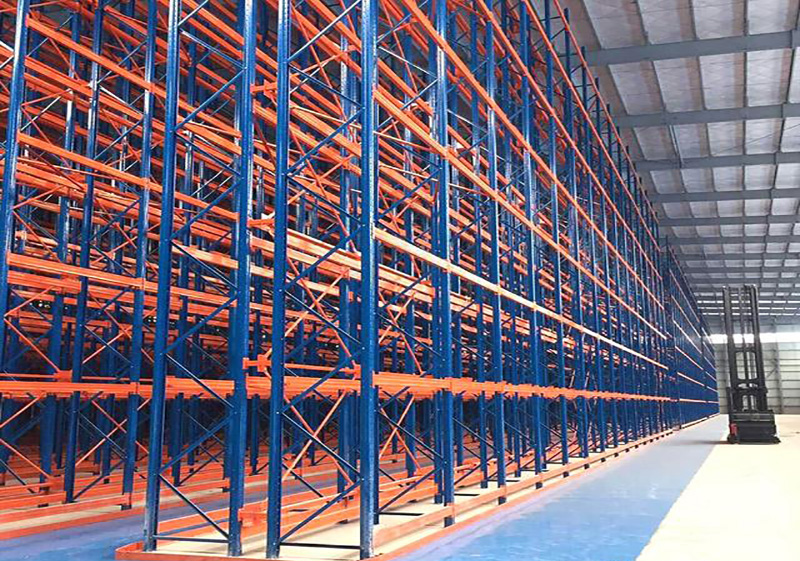
What Defines True Heavy Duty Industrial Shelving?
The term “heavy duty” gets used loosely, but in an industrial setting, it has concrete specifications. It starts with the materials.
First, the steel. Industrial-grade shelving is made from cold-rolled steel, not lighter-gauge sheet metal. The thickness, measured in gauge (with a lower number being thicker), is crucial. True heavy duty industrial metal shelving often uses 14-gauge to 12-gauge steel for uprights and beams. This thickness provides the rigidity to prevent sway and sag under load.
Next, the design. These units are engineered for distributed and point loads. A shelf might be rated for 2,000 pounds, but that weight must be evenly spread. The support structure—be it beams under solid shelves or the weld pattern on wire decks—is designed to handle this stress without permanent deformation.
Finally, the finish. A quality powder-coat finish isn’t just for looks. It provides a hard, durable layer that resists scratches, chipping, and corrosion from oils or moisture commonly found in shops and warehouses.
Primary Types: Bolt-Together vs. Boltless Designs
Within the category of heavy duty industrial metal shelving, you’ll encounter two main assembly methods, each with its merits.
Bolt-Together Shelving is the traditional workhorse. Components are connected using nuts, bolts, and often shelf clips. The advantages are straightforward: it offers extremely high, verifiable load capacities because the bolted joints can be torqued to a specific tightness. The structure is immensely rigid and is often preferred for the most extreme static loads. The downside is assembly time; putting together a large system requires more labor and tools.
Boltless Shelving uses integrated locking mechanisms, like rivets or tabs that slot into keyholes on the uprights. Its biggest advantage is speed. Assembly and, more importantly, shelf-height adjustment can be done in seconds without tools. Modern heavy duty industrial metal shelving in boltless designs has closed the gap on strength, with many models offering per-shelf capacities well over 2,000 lbs. The trade-off can be a slight premium in cost for the engineered connectors.
The choice often comes down to permanence versus flexibility. If your layout is static for years, bolt-together is supremely strong. If you need to reconfigure shelves often to accommodate different items, boltless offers unparalleled adaptability.
Key Applications: Where This Shelving Is Non-Negotiable
This shelving isn’t for light storage. It’s deployed where failure is not an option.
In manufacturing and assembly plants, it holds raw materials, work-in-progress, and machine parts. The ability to handle heavy engine blocks, metal stock, or bins of components is essential.
For warehouse bulk storage, it organizes everything from industrial supplies and janitorial chemicals to packaged goods before they move to pallet racking. Its accessibility makes it perfect for slower-moving but heavy items.
Automotive and equipment repair shops rely on it for tools, transmission parts, and fluid containers. The open design, especially with wire shelving, allows for air circulation and helps keep areas clean.
In archival and record storage, solid-shelf versions provide the necessary strength to hold dozens of heavy file boxes stacked from floor to ceiling, maximizing cubic space in a secure manner.
Critical Selection Criteria: Beyond Just Dimensions
Choosing the right heavy duty industrial metal shelving requires a forensic look at your needs. Here are the key questions to answer.
What is your true load requirement? List the heaviest items you’ll store. Then, add a safety margin. If the heaviest bin weighs 800 lbs, target shelving rated for at least 1,200 lbs per shelf. Always check the per-shelf and per-level rating, not just a vague total unit capacity.
What shelf type makes sense? Solid steel shelves offer a continuous surface for small items and maximum distributed load capacity. Wire mesh or grid decks allow light and air to pass, prevent dust accumulation, and are easier to clean around. They also let you see contents from below.
How will you access the items? For hand-loading or using carts, standard depths (24”, 36”, 48”) work. If you need forklift access, you must consider aisle width and may need shallower shelving or a different system altogether. Also, measure your ceiling height to utilize vertical space fully.
What are your environmental conditions? A standard powder coat is fine for most settings. In environments with high humidity, chemical exposure, or washdowns (like food processing), you may need a specialized finish, such as an epoxy coating or galvanized steel.
Understanding Cost and Long-Term Value
The price of heavy duty industrial metal shelving is a direct reflection of its construction. It’s an investment in organization and safety.
The primary cost driver is material and capacity. Shelving made from 12-gauge steel with a 3,000-lb shelf rating costs significantly more than an 18-gauge unit rated for 800 lbs. You are paying for the raw material and the engineering that ensures it won’t fail.
Features and design add to the cost. Boltless convenience commands a premium over basic bolt-together. Wire decks can sometimes cost more than solid sheets. Additional accessories like end panels, dividers, or label holders increase the final price.
Consider the total cost of ownership. This includes freight for the heavy steel, assembly labor (though boltless reduces this), and the long-term value. A properly specified heavy duty industrial metal shelving unit will last for decades with minimal maintenance, protecting your inventory and employees. Cheaping out can lead to catastrophic failure, product damage, and injury—costs that dwarf the initial price difference.
Installation and Safety Best Practices
Even the strongest shelving is only as good as its installation. Proper setup is non-negotiable.
First, assemble on a level floor. An uneven base will twist the frame, compromising integrity and making shelves unlevel. Use shims designed for this purpose if necessary.
Second, follow the manufacturer’s instructions precisely. For bolt-together, use the correct torque. For boltless, ensure every locking tab or rivet is fully seated and audible “clicks” are heard. Do not use makeshift parts or skip steps.
Third, secure the unit. Anchor tall units to the wall or to each other to prevent tipping, especially in seismic zones or areas with possible impact from equipment.
Finally, load shelves correctly. Place the heaviest items on the lower shelves. Distribute weight evenly. Never exceed the posted load capacity. Perform regular visual inspections for signs of damage, sagging, or loose connections.
Frequently Asked Questions (FAQs)
Q1: What is the typical load capacity for heavy duty industrial metal shelving?
A1: True industrial-grade shelving typically offers load capacities ranging from 1,000 to 5,000 pounds per shelf level, with common ratings between 2,000 and 3,000 lbs. The exact capacity depends on the steel gauge, design, and whether it’s a boltless or bolted style. Always defer to the manufacturer’s specific rating for the model you select.
Q2: Can this type of shelving be used with a forklift?
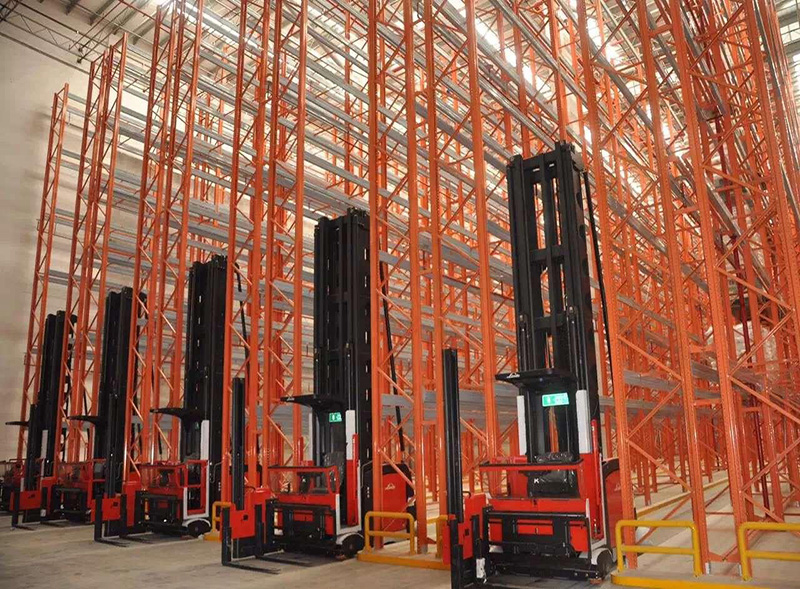
A2: Generally, no. Heavy duty industrial metal shelving is designed for hand-loading or loading with material handling carts. It is not engineered to withstand the lateral impact and concentrated point loads of a forklift tine making contact. For palletized storage that requires forklift access, you need a dedicated pallet racking system.
Q3: Is boltless shelving as strong as bolted shelving?
A3: For most industrial applications, modern high-quality boltless shelving is comparably strong, with many models matching the load ratings of bolted units. The strength comes from the engineered lock mechanism and thick-gauge steel. Bolted shelving may still hold an advantage for exceptionally high, static loads (e.g., over 4,000 lbs per shelf), but for the vast majority of needs, a reputable boltless system is both strong and more adaptable.
Q4: How do I maintain and clean this shelving?
A4: Maintenance is minimal. Regularly inspect for loose connections, damage, or rust. Clean with a damp cloth and a mild detergent. Avoid abrasive cleaners that can scratch the powder-coat finish. For wire deck shelving, you can often vacuum or blow debris through the grid. The key is to address any spillage, especially of corrosive materials, promptly.
Q5: Can I customize the dimensions of my shelving unit?
A5: Most manufacturers of heavy duty industrial metal shelving offer a range of standard widths, depths, and heights. While you typically select from these pre-set dimensions, the modular nature of the systems allows for significant configuration flexibility. True custom fabrication (non-standard sizes) is possible but will be substantially more expensive and is usually only necessary for highly specialized applications.