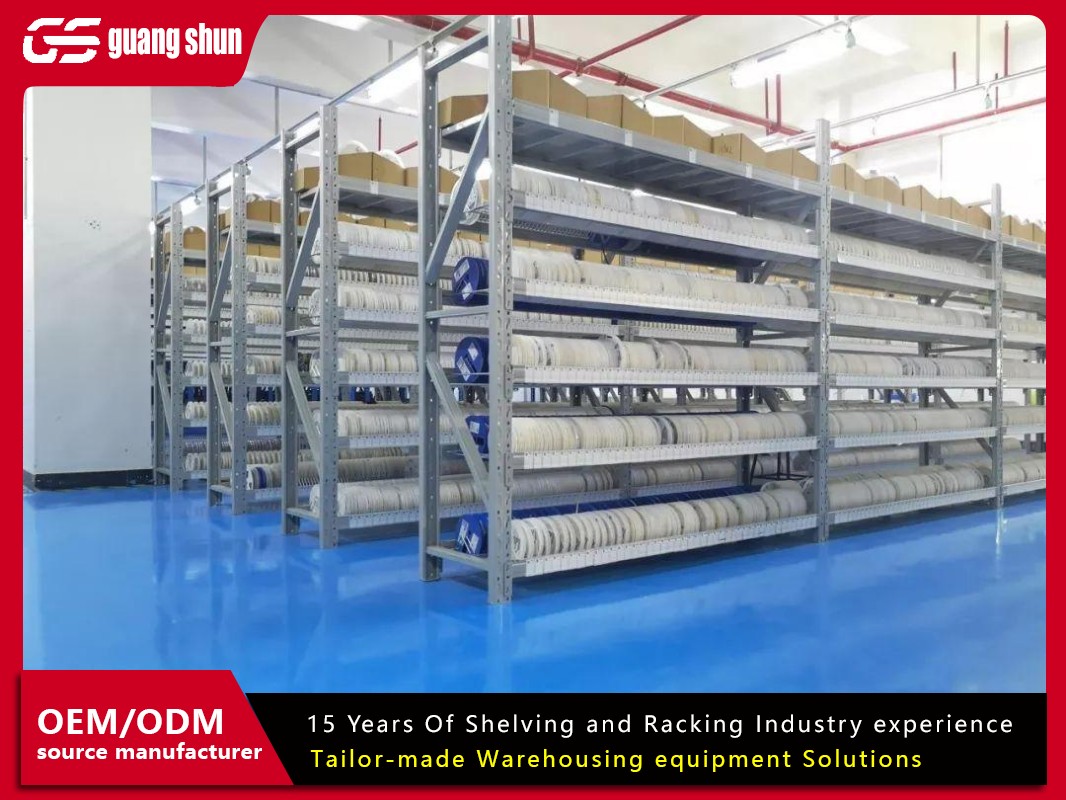
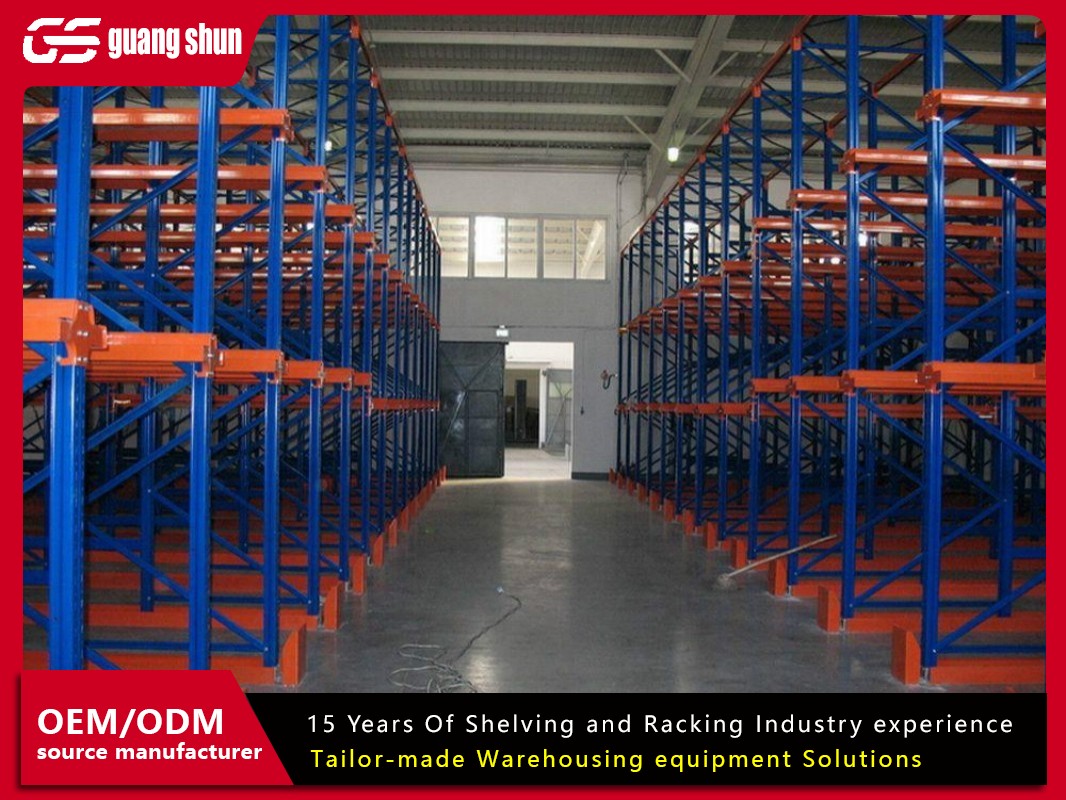
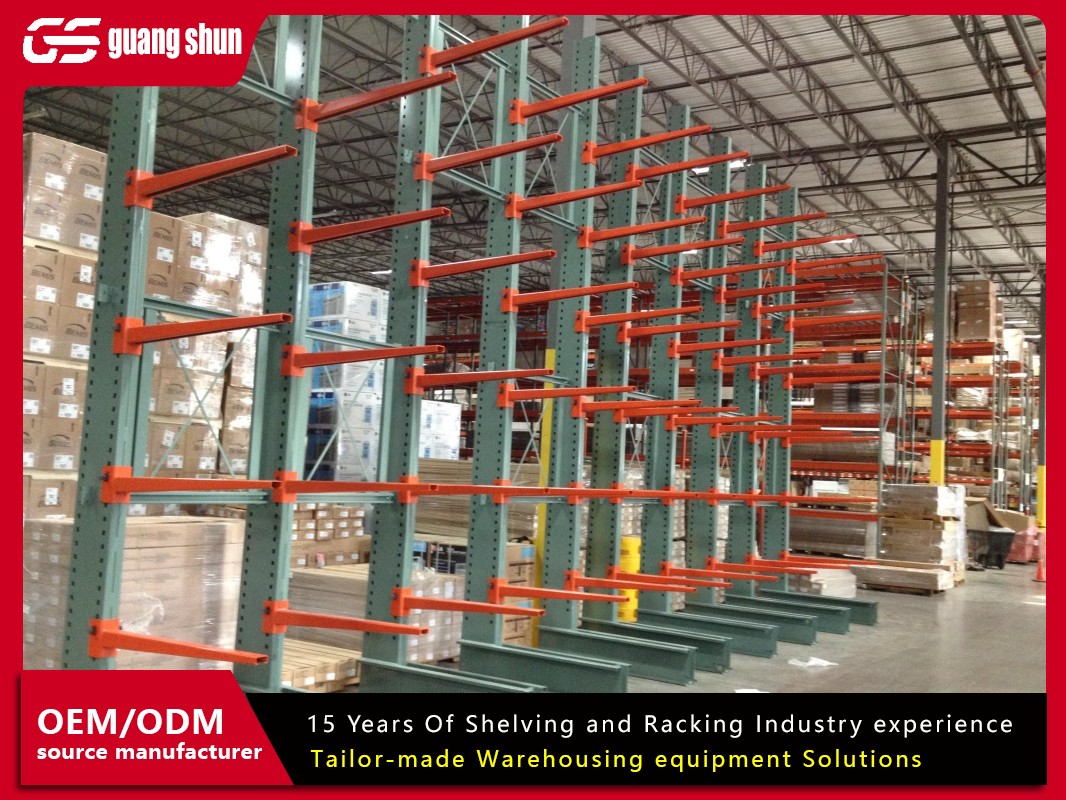
Steel Heavy Duty Racking: Safe, Durable & High-Capacity StorageWhen managing a busy warehouse or distribution centre, the structure you choose for storing goods directly impacts safety, productivity, and space utilisation. Steel heavy duty racking is the backbone of modern logistics, engineered to handle substantial loads while maintaining stability over years of use. Unlike light-duty shelving, these systems are built from high-grade steel and designed for rigorous environments. Selecting the right configuration requires understanding load requirements, aisle space, and the types of materials you handle. This article covers the essential aspects of these robust storage solutions, helping you make informed decisions for your facility.
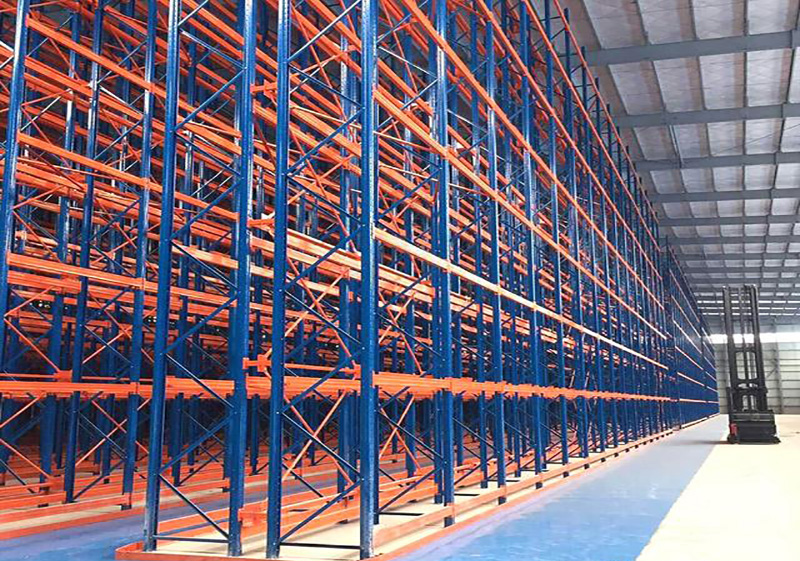
Defining Features of Steel Heavy Duty Racking
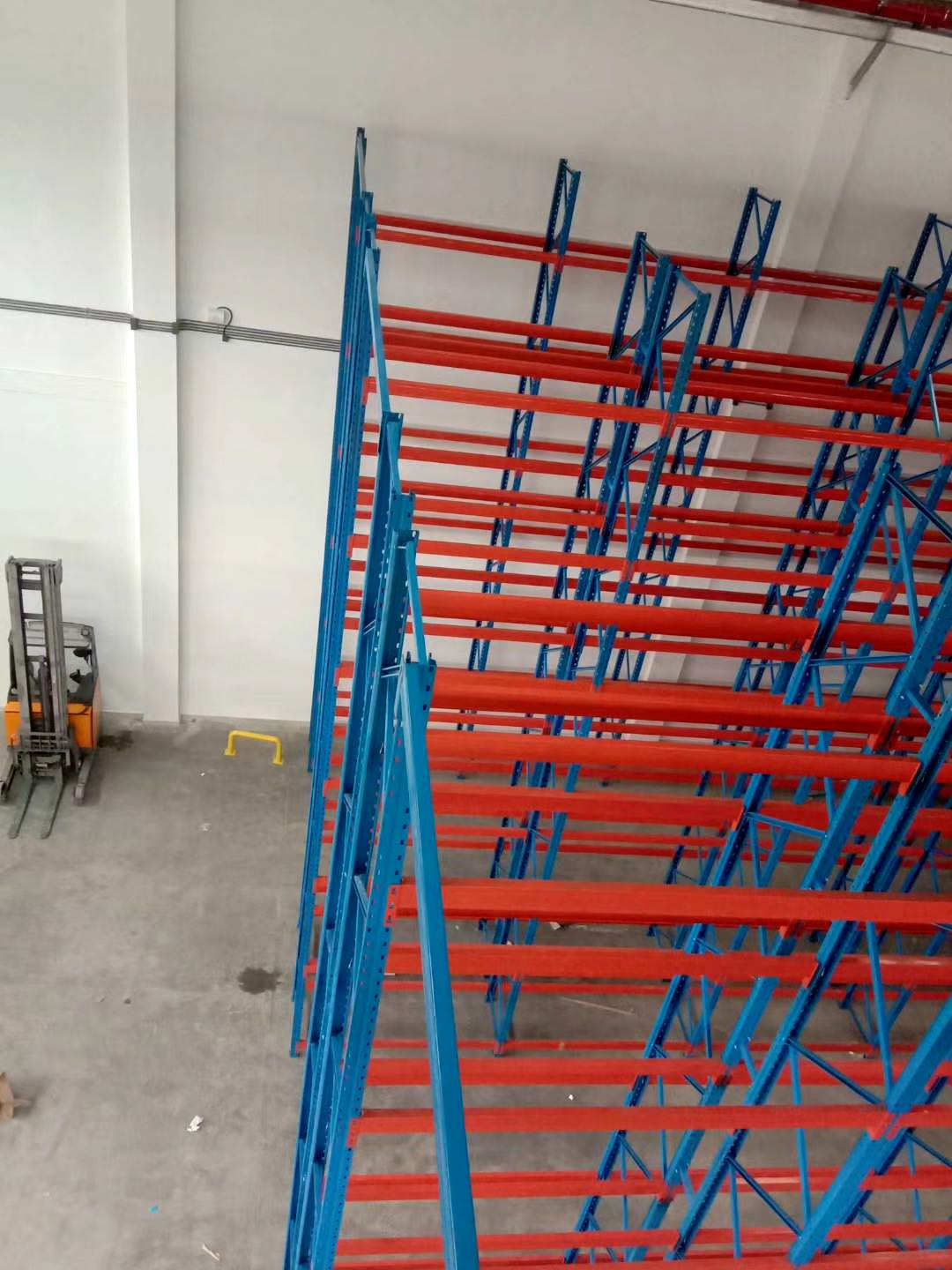
Not all storage systems offer the same level of strength. Steel heavy duty racking stands out due to its material composition and engineering. Frames are typically made from cold-formed or hot-rolled steel columns, cross-braced for rigidity. Beams feature integrated safety locks to prevent accidental dislodgement. The surface is often treated with anti-corrosion paint, suitable for various environments.
Core structural elements
Upright frames: Perforated columns that allow beam adjustment every 50 mm or 100 mm, providing flexibility for different pallet sizes.
Step beams: Rolled steel sections with welded end connectors; they support pallets and distribute weight evenly.
Frame bracing: Diagonal and horizontal struts that resist sway and improve overall stability, especially in seismic zones.
Base plates and anchors: Heavy-gauge foot plates bolted to the floor, ensuring the system stays upright under load.
These components work together to create a system that can withstand dynamic forces from forklift trucks and seismic events. Regular inspections should focus on bent uprights or damaged beam locks, as these compromise safety. Many facilities opt for a hot-dip galvanised finish when storing food products or operating in humid conditions.
Common Types of Steel Heavy Duty Racking
Warehouse layouts vary, so manufacturers have developed several configurations. Below are the most widely used styles, each serving a specific storage strategy.
Selective pallet racking
This is the most common type, offering direct access to every pallet. It consists of rows of frames and beams, with aisles between each row. Ideal for high-turnover stock, it provides 100% selectivity but uses more floor space compared to dense storage alternatives.
Double-deep racking
Designed to reduce aisle count, double-deep systems store pallets two deep. They require special forklifts like reach trucks with deep-reach attachments. This style increases storage density while maintaining reasonable accessibility.
Drive-in / drive-through racking
For very high-density storage, drive-in racks allow forklifts to enter the structure. Pallets are stored on rails, with the last pallet in being the first out (LIFO). Drive-through versions support FIFO by having entry and exit points at opposite ends. Ideal for homogeneous products.
Push-back racking
Push-back systems use nested carts on inclined rails. Forklifts place pallets on the carts, pushing previous ones back. When retrieving, the cart rolls forward. This offers high density and selectivity for LIFO inventory.
Pallet flow racking
Gravity-powered rollers or wheels move pallets from the loading end to the unloading end. Perfect for perishable goods where FIFO is critical. The system ensures continuous stock rotation and reduces handling time.
Each type has unique load specifications, so consulting with a supplier is crucial. steel heavy duty racking from reputable manufacturers typically includes load charts and seismic certification.
How to Choose the Right Steel Heavy Duty Racking
Selecting a system involves more than just measuring your available floor space. You need to consider the weight of unit loads, the dimensions of pallets, the type of forklift, and the required throughput. Below is a checklist to guide your decision.
Load capacity per level: Calculate the maximum weight per beam level. Standard beams support between 2,000 kg and 5,000 kg, but heavy-duty variants can exceed that.
Pallet size and type: Measure the depth, width, and height of your pallets, including overhang. Allow 100 mm to 150 mm clearance around each pallet for safe handling.
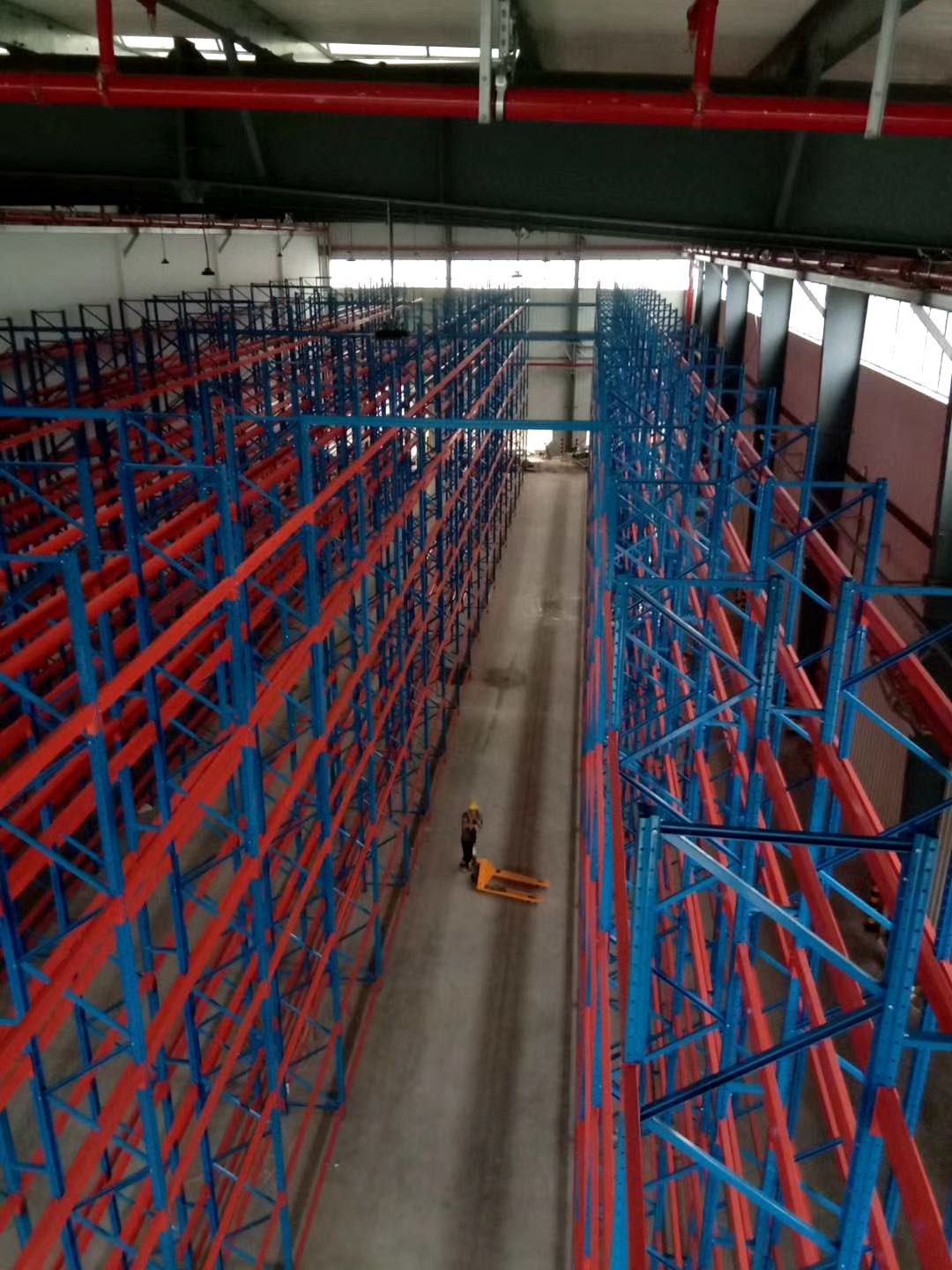
Aisle width: Very narrow aisles (VNA) require specialised turret trucks but maximise density. Wide aisles allow standard counterbalance forklifts but reduce storage positions.
Building specifications: Check ceiling height, floor flatness, and column positions. Racking must be anchored into a sound concrete slab.
Seismic requirements: If located in an earthquake zone, choose systems tested for seismic resilience. They often include additional bracing and heavier base plates.
Many suppliers offer design software that simulates your warehouse layout. Take advantage of these tools to visualise rack placement and ensure compliance with local safety regulations. A well-planned installation reduces material handling costs and improves workflow.
Installation and Maintenance Best Practices
Proper installation is as important as the quality of the racking itself. Even the strongest frame can fail if anchors are incorrectly torqued or beams are not level. Professional installation teams follow strict guidelines to guarantee structural integrity.
During installation
Ensure the floor is clean and level before marking anchor points.
Use the specified anchor type and depth—concrete expansion anchors are common, but epoxy anchors may be required for cracked slabs.
Check beam alignment with a spirit level; sloping beams can cause pallets to slide.
Install row spacers or wall ties where racks are back-to-back or adjacent to walls.
Routine maintenance
Conduct monthly visual inspections for bent uprights, loose anchors, or damaged beam end connectors.
Replace any component showing signs of impact, even if it appears minor—steel can fatigue.
Keep aisles clear of debris and ensure forklift operators are trained to avoid collisions.
Repaint scratched areas promptly to prevent rust, especially in cold storage environments.
Regular maintenance extends the lifespan of your system and protects workers. Log all inspections and repairs in a dedicated file. If you notice recurring damage in a specific aisle, consider adding column protectors or bollards.
Safety Guidelines for Steel Heavy Duty Racking
Warehouse safety depends heavily on correct usage of storage equipment. Overloading, improper pallet placement, and forklift impacts are leading causes of racking collapse. Adhering to safety protocols reduces these risks significantly.
Never exceed the rated capacity: Each beam level has a posted capacity. Distribute weight evenly and avoid point loading.
Use safety pins or clips: Ensure beam locks are engaged after every pallet placement.
Install protective guards: Upright protectors and guard rails absorb impacts and prevent structural damage.
Display load signs: Post maximum unit load per bay in a visible location.
Train operators: Teach forklift drivers to travel slowly in aisles and check for overhanging loads.
European standards (EN 15512) and American standards (RMI) provide detailed safety requirements. Many insurance companies require regular audits to maintain coverage. If you suspect any damage, isolate the bay and have a qualified engineer assess it immediately.
Applications Across Different Industries
The versatility of steel heavy duty racking makes it suitable for numerous sectors. In cold storage warehouses, galvanised finishes resist corrosion from condensation. Automotive parts distribution relies on double-deep systems to handle bulky components. Food and beverage facilities use pallet flow racks to manage expiry dates. Even retail distribution centres with high SKU counts depend on selective racking for quick picking. The adaptability of beam heights and add-ons like wire decks or back panels allows the same basic structure to serve diverse roles.
Case in point: manufacturing plants
Manufacturers often store raw materials like coils or heavy castings. Here, cantilever racking (a variant) might be used, but standard steel heavy duty racking with reinforced beams can also handle sheet metal or large containers. The key is matching beam thickness to the load.
Third-party logistics (3PL)
3PL providers need flexible storage that can adapt to different clients. Adjustable racking allows quick reconfiguration when a new customer brings different pallet sizes. Investing in high-quality frames ensures long-term usability.
In summary, steel heavy duty racking is not a one-size-fits-all product. Its strength and adjustability make it the preferred choice for operations that demand reliability and efficiency.
Investing in robust storage directly improves warehouse throughput and worker safety. Steel heavy duty racking provides the durability needed for heavy loads and the flexibility to adapt to changing inventory. From selective to drive-in configurations, each system offers unique advantages. Regular maintenance and adherence to safety guidelines ensure your racking serves your business for decades. When planning your next storage upgrade, consult experienced suppliers and prioritise structural integrity over short-term cost savings.
Frequently Asked Questions (FAQ)
Q1: What is the typical load capacity of steel heavy duty racking?
A1: Load capacity varies by design. Standard beams usually support 2,000 to 5,000 kg per level. Some heavy-duty profiles can handle up to 10,000 kg per beam, depending on the span and thickness. Always refer to the manufacturer’s load chart for exact figures.
Q2: Can steel heavy duty racking be installed in warehouses with uneven floors?
A2: Minor floor irregularities can be adjusted using shim plates under the base plates. However, significant slopes or dips may require floor grinding or a structural assessment before installation. Racking must be plumb and level to distribute loads correctly.
Q3: How often should I inspect my racking for damage?
A3: Experts recommend a formal visual inspection at least once a month, plus a detailed annual inspection by a qualified engineer. After any known forklift impact, the affected area should be examined immediately, even if no obvious damage is visible.
Q4: Is it possible to add more levels to existing steel heavy duty racking?
A4: Yes, if the upright frames have extra capacity and the beam connectors fit the perforations. You must verify that the frame height and load limits are not exceeded. Adding levels may also require recalculating seismic loads and checking anchor adequacy.
Q5: What is the difference between hot-rolled and cold-formed steel racking?
A5: Hot-rolled steel is shaped at high temperatures, resulting in thicker, stronger sections—often used for very heavy loads. Cold-formed steel is produced at room temperature, offering precise dimensions and higher strength-to-weight ratios for medium-to-heavy applications. Both are used in heavy duty racking, depending on the required capacity.
Q6: Do I need fire sprinklers if I install steel heavy duty racking?
A6: Building codes typically require sprinkler systems in warehouses, especially with high storage. Racking can obstruct sprinkler spray, so in-rack sprinklers may be necessary. Consult a fire protection engineer to design a system compliant with local regulations.
Q7: Can steel heavy duty racking be disassembled and moved to a new location?
A7: Yes, these systems are designed to be reusable. Carefully disassemble, label all components, and inspect for damage during the process. When reinstalling, new anchors are usually recommended because old anchor holes may not align with the new floor layout.