When clutter takes over your garage, warehouse, or basement, flimsy storage solutions just don't cut it. They buckle under weight, wobble with every bump, and become a safety hazard. For anyone needing to organize serious weight—from industrial parts and tools to bulk supplies and archived files—the answer is a proper heavy duty steel shelving unit.
This isn't about a lightweight closet organizer. It’s about investing in permanent, reliable infrastructure for your space. Choosing the right unit, however, requires looking beyond the basic description. The wrong choice can lead to underutilized space or, worse, a dangerous collapse.
This article walks through the key features, common types, and practical considerations to help you select a shelving system that will last for decades.
Why Steel is the Standard for Heavy-Duty Storage
Other materials have their place, but for unwavering strength and longevity, steel is unmatched. A well-made heavy duty steel shelving unit offers advantages that plastic or particleboard simply cannot.
The primary benefit is exceptional load capacity. These units are engineered to bear significant weight per shelf, often ranging from 800 to over 2,000 pounds when properly assembled and loaded. This allows you to store engine blocks, pallets of material, or rows of filled filing boxes without concern.
Durability is another key factor. High-quality steel with a proper finish—like powder-coating or electroplating—resists corrosion, scratches, and impacts. It won't warp from moisture, splinter, or degrade under UV light, making it suitable for demanding environments like garages or workshops.
Safety and stability are built-in. A robust industrial shelving unit features wide bases, integrated bracing, and secure connection systems. This design prevents tipping and ensures the structure remains rigid even when fully loaded and bumped by equipment.
Finally, they offer fire resistance and are generally non-combustible, an important consideration for storing valuable or hazardous materials compared to wooden alternatives.
Key Features to Examine When Comparing Units
Not all heavy duty steel shelving is created equal. To find a quality unit, you need to inspect its construction details.
Gauge and Construction
Steel gauge refers to the thickness of the metal. A lower gauge number means thicker, stronger steel. For true heavy-duty use, look for posts and beams made from 12- to 18-gauge steel. Thin, 20-gauge or higher metal is better suited for lighter-duty storage.
The construction method matters too. Boltless shelving, where components snap or wedge together, is popular for its tool-free assembly and clean look. Bolted shelving uses nuts and bolts at every connection, which some users prefer for its perceived rigidity and ability to be disassembled and reassembled repeatedly.
Finish and Coating
The finish protects against rust and wear. A high-quality powder-coated finish is excellent for most environments, providing a tough, even layer that resists chipping. For damp areas like basements or unheated garages, a zinc-plated or chrome finish offers superior corrosion resistance.
Shelf Type and Design
You typically choose between wire grid decks or solid steel shelves. Wire shelving offers excellent ventilation, prevents dust accumulation, and allows light and sprinkler systems to pass through. Solid steel shelving provides a continuous surface for very small items and is easier to clean of fine debris.
Many commercial shelving units feature a slight lip or ridge around the shelf edge to prevent items from sliding off.
Adjustability and Accessories
A good system is adaptable. Look for units with shelves that are easily adjustable on 1- or 2-inch increments. This lets you customize the vertical space to fit tall or short items perfectly.
Consider useful add-ons like end panels, divider walls, locking casters for mobility, or label holders for organization. These accessories can transform a basic steel storage rack into a tailored organizational system.
Common Types and Their Best Uses
The term "heavy duty" covers several distinct styles, each suited for different tasks.
Industrial Duty Boltless Shelving
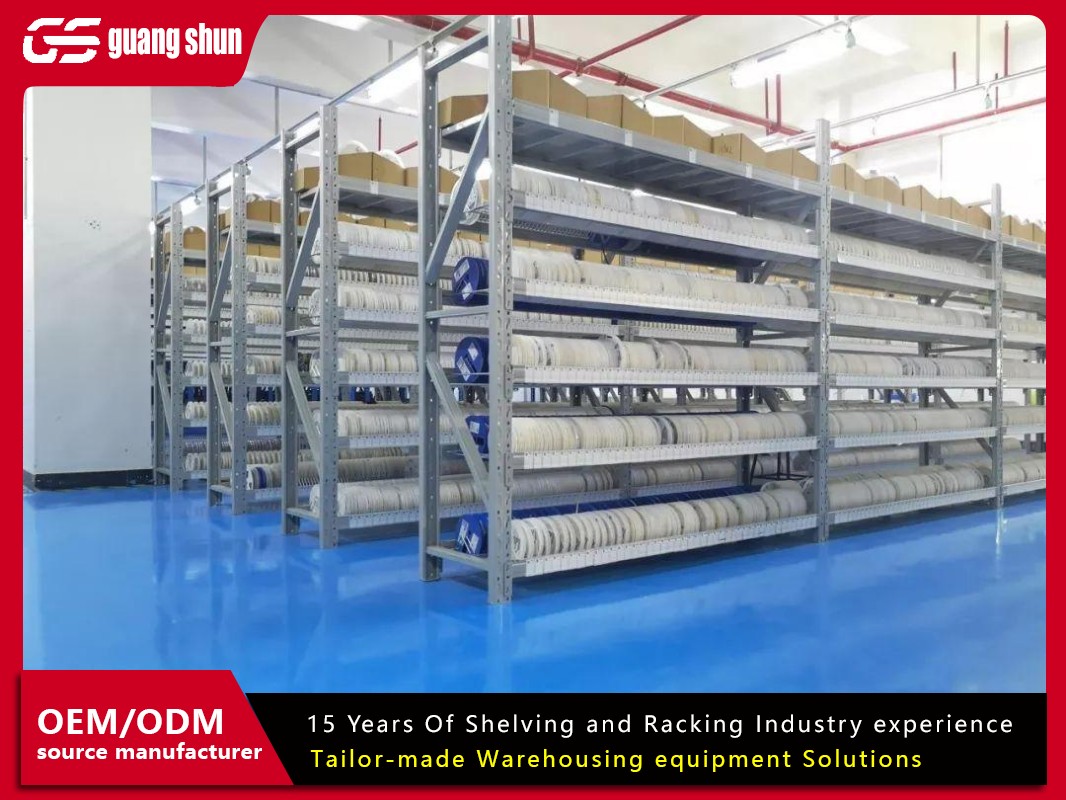
This is the quintessential heavy duty steel shelving unit for warehouses, stockrooms, and workshops. Its clean lines, high weight capacity, and easy assembly make it a favorite. Shelves are typically supported by strong, lock-in-place beams. It’s ideal for boxes, bins, and medium-weight industrial supplies.
Heavy-Duty Pallet Racking
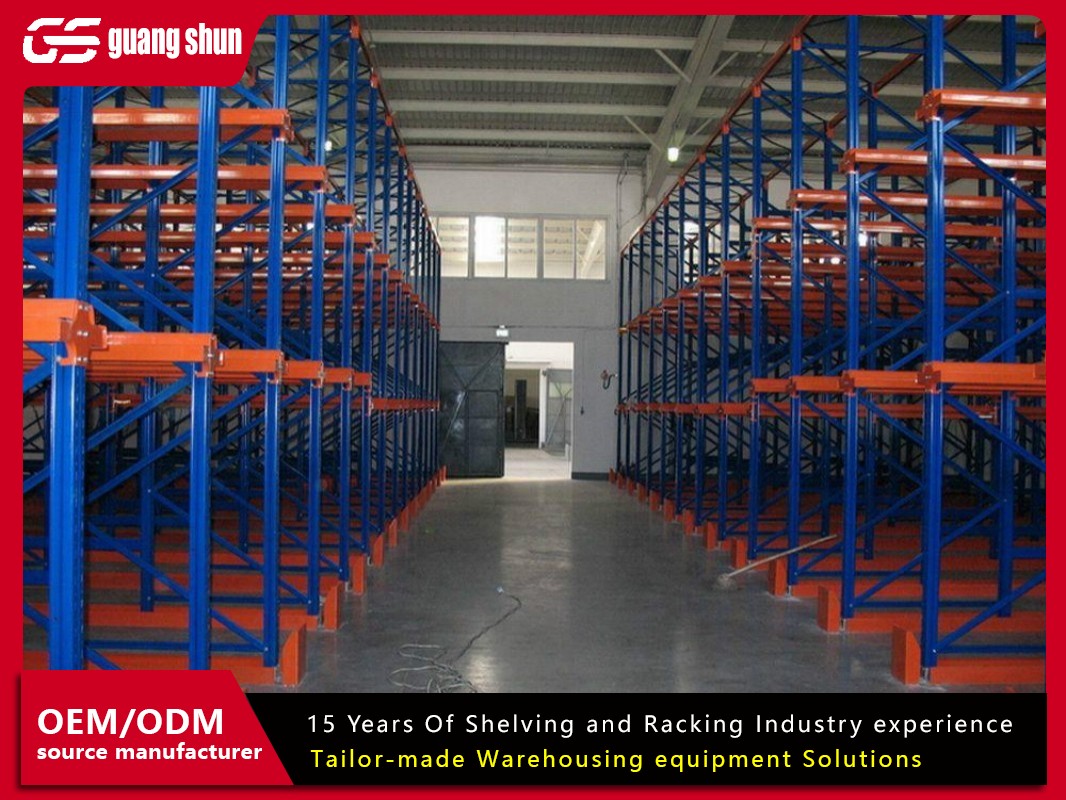
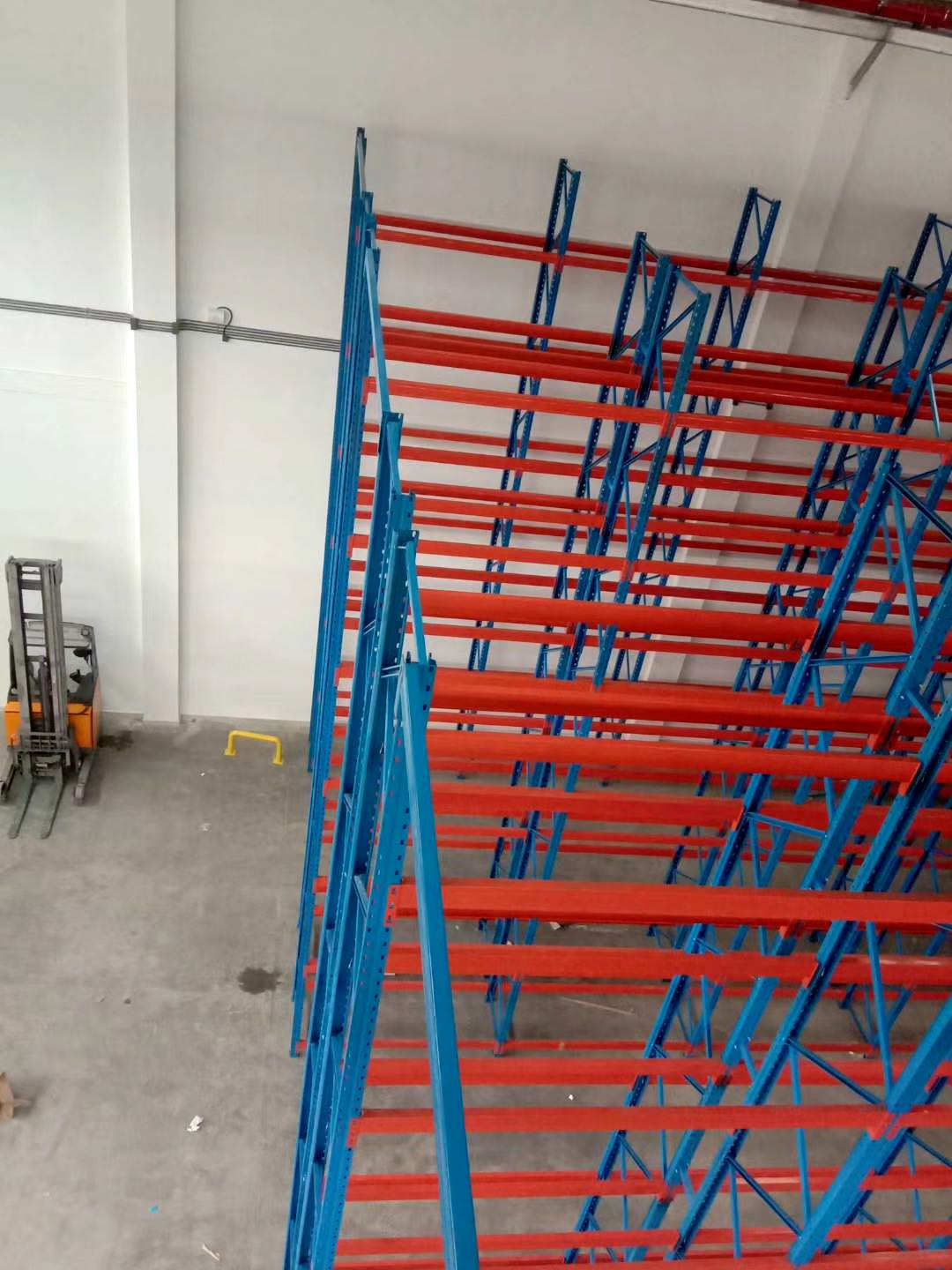
When you need to store entire pallets, this is the system. It’s designed for forklift access and can handle extreme weights. While often used in large warehouses, a heavy duty pallet rack can be perfect for a small business storage room handling palletized goods.
Mobile Aisle Shelving Systems
For maximizing space in archives or parts rooms, mobile systems place shelving units on carriage tracks. Aisles are created only where needed. While a significant investment, a high density storage system like this can effectively double your storage capacity in the same floor space.
Garage and Workshop Shelving
These units are often more compact and may feature a combination of solid and wire shelves. They are built to withstand the demands of a home garage—storing tools, automotive fluids, gardening supplies, and sports equipment. Durability and resistance to temperature fluctuations are key here.
How to Choose the Right Unit for Your Space
Selecting the perfect heavy duty steel shelving unit requires a practical assessment of your needs.
First, measure your available space precisely. Note the width, depth, and, crucially, the ceiling height. Remember to account for clearance needed to place items on the top shelf. A unit that’s too tall is useless.
Next, calculate your storage needs. What are the heaviest items you’ll store? What are their dimensions? Estimate the total weight per shelf to ensure you choose a unit with a generous safety margin over your estimated load. It’s always better to over-specify.
Then, consider your environment. Is it a dry warehouse, a damp basement, or a dusty garage? The environment dictates the necessary finish (e.g., zinc for damp areas). Also, think about access—do you need wide aisles for pallet jacks, or is it for manual picking?
Finally, think long-term. Is your inventory likely to change? A system with highly adjustable shelves offers more future flexibility. Investing in a slightly larger or more robust industrial shelving unit now can prevent the need for a second purchase later.
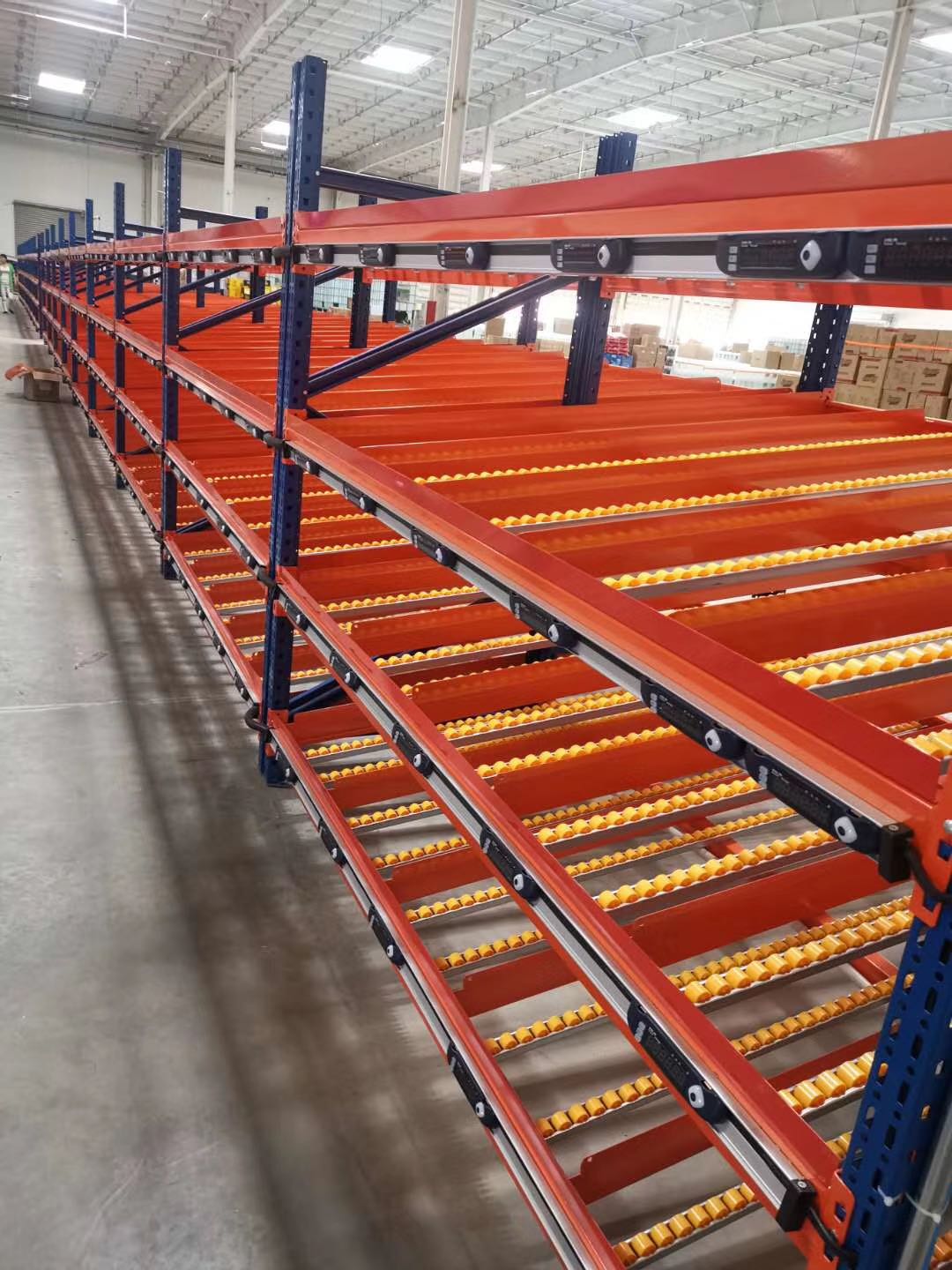
Assembly, Installation, and Safety Best Practices
A heavy duty steel shelving unit is only as strong as its assembly. Proper setup is critical for safety and performance.
Always assemble the unit on a level, solid floor. Concrete is ideal. If placed on an uneven surface, the frame can be stressed, leading to instability. Use shims under the base if minor leveling is needed, but significant slopes should be addressed first.
Follow the manufacturer’s instructions meticulously. Tighten all bolts or ensure all boltless connections are fully seated and locked. Do not skip steps or omit parts like stabilizer braces. These are essential for the structural integrity of the steel storage rack.
Load the shelves correctly. Always place the heaviest loads on the bottom shelves. This lowers the center of gravity and prevents tipping. Distribute weight evenly across each shelf and avoid exceeding the rated capacity per shelf or for the entire unit.
Secure tall units to the wall. Any freestanding unit over 4-5 feet tall, especially in an area prone to vibration or accidental impacts, should be anchored to wall studs using manufacturer-provided or appropriate seismic straps. This is a simple step that prevents tragic tip-overs.
Perform regular inspections. Periodically check for loose connections, damage, or signs of corrosion. Ensure the unit has not been overloaded or improperly loaded over time.
Frequently Asked Questions (FAQs)
Q1: What does "heavy duty" actually mean for a steel shelving unit?
A1: For a heavy duty steel shelving unit, it typically means a load capacity starting around 800 pounds per shelf and going much higher. It involves construction with thicker steel (lower gauge, like 12-18 gauge), reinforced uprights and beams, and a design intended for industrial, commercial, or severe garage use—not light residential storage.
Q2: Are boltless shelves as strong as bolted ones?
A2: Modern, well-engineered boltless shelving is extremely strong and suitable for most heavy-duty applications. The strength comes from the precision fit and locking mechanisms of the beams into the posts. Some users prefer bolted systems for extreme, constant maximum loads or environments with severe vibration, as the bolted connection can feel more permanently fixed.
Q3: Can I put a heavy duty shelving unit on a wooden or garage floor?
A3: Concrete is the best substrate. For a wooden floor in a sturdy shed or garage, ensure the floor joists and structure can support the immense concentrated weight of a fully loaded steel storage rack. It’s often advisable to place a distributed load plate under the feet. For typical home garage concrete slabs, they are almost always suitable.
Q4: How do I clean and maintain my steel shelving?
A4: For routine cleaning, wipe down with a damp cloth. For grease or grime, a mild detergent is fine. Avoid abrasive pads or harsh chemicals that can damage the protective finish. The main maintenance is to periodically check and tighten any fasteners and immediately address any chips in the finish with touch-up paint to prevent rust.
Q5: Is it safe to disassemble and reassemble a unit if I move?
A5: Yes, but with caveats. Bolted units are generally easier to reassemble multiple times. With boltless shelving, repeated disassembly can sometimes wear the locking mechanisms. Always keep the assembly instructions, label parts if possible, and inspect all components for damage or deformation before reassembling. The integrity of the heavy duty steel shelving unit depends on all parts fitting together perfectly.