Industrial storage efficiency depends on matching structural systems to
real-world load profiles, access frequencies, and SKU diversification. Among
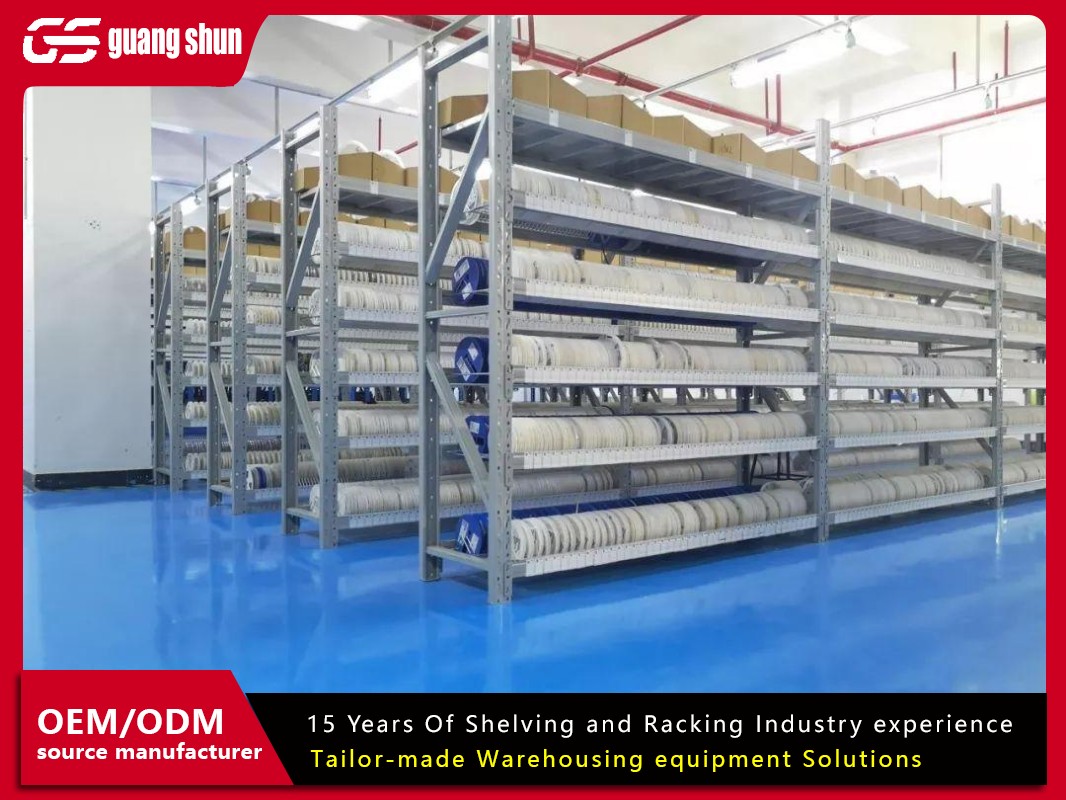
medium‑duty to heavy‑duty solutions, long span shelving occupies a critical segment: it
bridges the gap between light‑duty boltless shelving and full‑pallet racking.
This article provides a quantitative technical overview—material gauges,
load‑bearing calculations, span optimization, and comparative cost‑per‑position
analysis—drawn from actual project engineering data. For facility planners and
operations managers, understanding these parameters directly affects picking
accuracy, floor space utilization, and structural safety.
1. What Defines Long Span Shelving? – Engineering Distinctions
Unlike standard clip‑in shelving (rated ≤300 kg per level) or selective
pallet racking (≥2,000 kg per position), long span shelving typically supports 500–1,500 kg per shelf level with beam spans
from 1.8 m up to 3.6 m. The defining characteristics include:
Upright frames: Roll‑formed steel, commonly 80×40 mm or
90×45 mm section, thickness 1.5–2.5 mm (Q235B or higher grade).
Box beams or step beams: 60×40 mm or 80×50 mm rectangular
tubes with punched slots for tool‑free height adjustment (every 50 mm).
Panels or particle boards: 0.7–1.2 mm steel decking or 25
mm thick laminated wood with anti‑slip coating.
Surface protection: Electrostatic powder coating (60–80 μm
thickness), salt spray resistance ≥500 hours (ASTM B117).
These features allow long span shelving to handle mixed palletized
goods, bulk containers, and heavy components while maintaining manual or
light‑vehicle accessibility. In contrast to pallet racking, long span designs
reduce aisle width requirements (down to 1.2 m for counterbalanced forklifts or
0.8 m for reach trucks).
2. Technical Specifications & Load Performance Data
Certified load capacities depend on three interdependent variables: span
length, beam profile, and deck type. Based on EN 15512 and FEM 10.2.02
standards, the following table summarizes typical safe working loads (SWL) for a
standard 2.5‑m high frame with four shelf levels.
2.1 Span vs. Load Curve – Realistic Limits
1.8 m span: 1,200–1,500 kg uniformly distributed load (UDL)
per level using 80×50×1.5 mm beams.
2.4 m span: 800–1,000 kg UDL per level – optimal for
automotive parts bins or hardware boxes.
3.0 m span: 550–700 kg UDL per level – suitable for light
pallets (e.g., e‑commerce reserve storage).
3.6 m span: 350–450 kg UDL per level – max span for bulky
but moderate weight items.
Dynamic loads (forklift impact, seismic forces) require an additional safety
factor of 1.5–1.8. Guangshun Guangshun designs every long span
shelving configuration with FEA‑validated connections, exceeding SEMA
and RMI guidelines. Third‑party tests confirm that frame distortion stays below
H/1000 under full rated load.
2.2 Material and Coating Specifications
Steel grade: DX51D+Z (hot‑dip galvanized) or Q235B with pre‑treatment
(nanoceramic conversion).
Beam deflection limit: L/200 at maximum UDL (e.g., for 2.4 m span, max
deflection ≤12 mm).
Base plate thickness: 4 mm with expansion anchor provisions (M12 or M14
bolts).
3. Industry Pain Points Solved by Long Span Engineering
Warehouse operators report three recurring inefficiencies that traditional
shelving fails to address: frequent SKU dimension changes,
underutilized cubic space, and high picking error
rates. long span shelving directly
resolves these through adaptive configurations.
3.1 SKU Proliferation and Mixed Loads
In distribution centers handling both heavy dies (30–60 kg each) and
lightweight cartons, fixed‑shelf systems waste up to 35% of vertical space. Long
span designs allow beam repositioning in 50‑mm increments without tools,
enabling mixed‑depth layers. For example, one tier can store four loaded pallets
(1,000 kg total) while the tier above holds small‑part bins.
3.2 Aisle Congestion and Throughput
Narrow aisle forklifts (VNA) require extremely flat floors and high initial
investment. Long span shelving supports manual order picking or electric pallet
stackers in aisles as narrow as 1.5 m. A case study in a Spanish auto parts
warehouse reduced travel time by 22% after switching from selective rack to a
combined long span / carton flow layout.
3.3 Seismic and Point‑Load Risks
Conventional shelving often lacks horizontal bracing or row spacers.
Professional long span shelving integrates X‑bracing on rear
frames and floor fixing clips. Guangshun Guangshun supplies seismic kits with tested
base shear capacity (up to 3.5 kN per upright).
4. Application Deep‑Dive: Sector‑Specific Configurations
The versatility of long span systems allows customization for distinct
operational environments. Below are three high‑demand scenarios with
quantifiable outcomes.
4.1 Automotive Aftermarket Distribution
Challenge: 12,000+ SKUs ranging from 2‑kg sensors to 80‑kg
brake drums. Solution: Multi‑level long span with 2.4 m spans,
800 kg capacity per level, plus wire mesh deck for visibility. Result: Picking
accuracy improved 17%, and damage rate reduced by 40% compared to previous
static rack.
4.2 Hardware and Building Materials
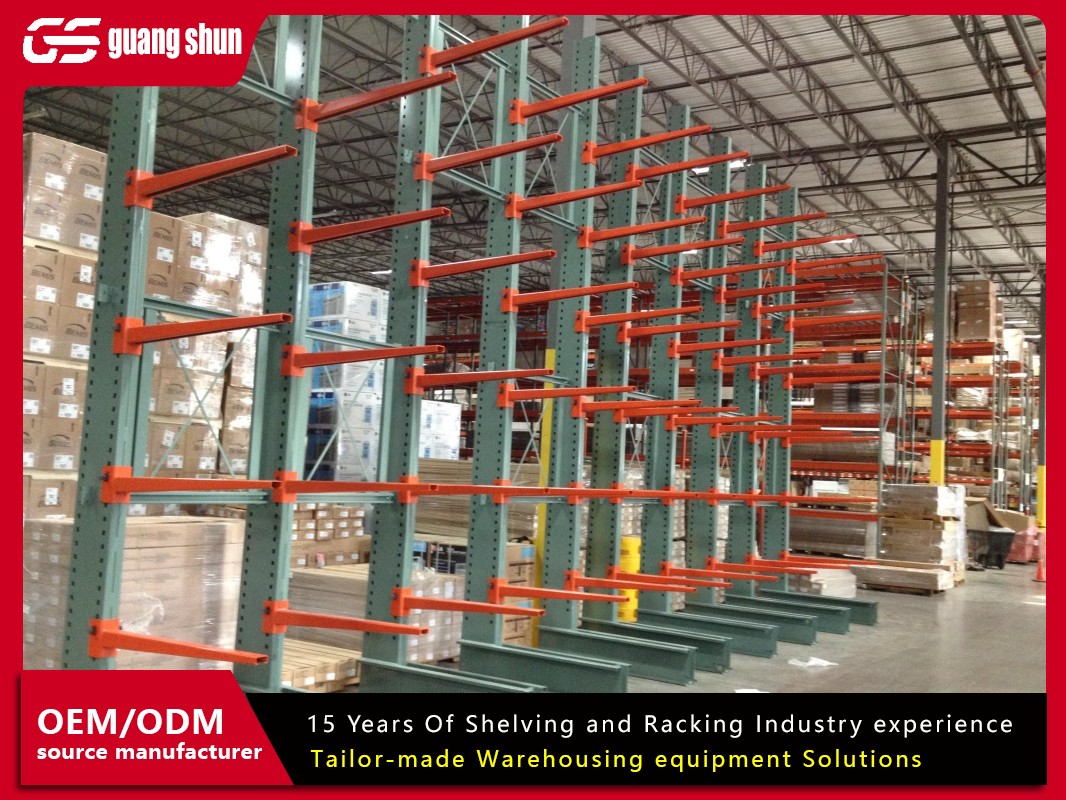
Steel pipes, cement bags, and lumber require long spans to avoid overhang.
Using 3.0‑m span long span units with 700 kg capacity and integrated plywood
deck, a Canadian lumber wholesaler stored 2.4‑m boards without cantilever
over‑extension, freeing 28% floor space.
4.3 E‑Commerce Reserve Storage (Mixed Pallet/Case)
Hybrid operation: lower levels store full pallets (600 kg each) on 2.4‑m long
span beams; upper levels are converted to carton flow tracks via roll‑on
adapters. Throughput increased by 33% during peak seasons, with zero structural
failure over 18 months.
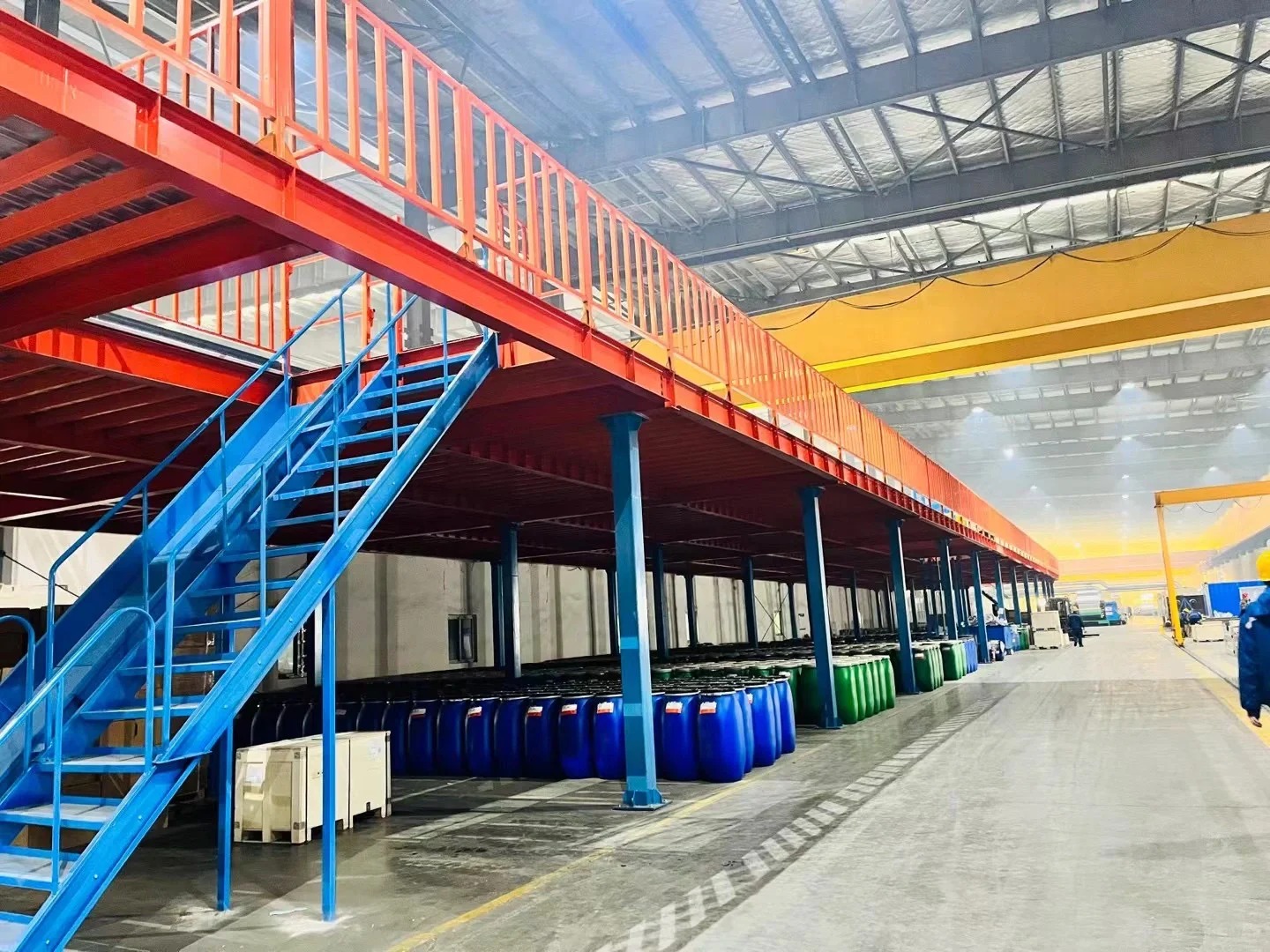
5. Long Span Shelving vs. Alternative Systems – Selection Matrix
Engineers often compare long span shelving with medium‑duty racking,
wide‑span shelving, and pallet racking. The table below summarizes decisive
parameters.
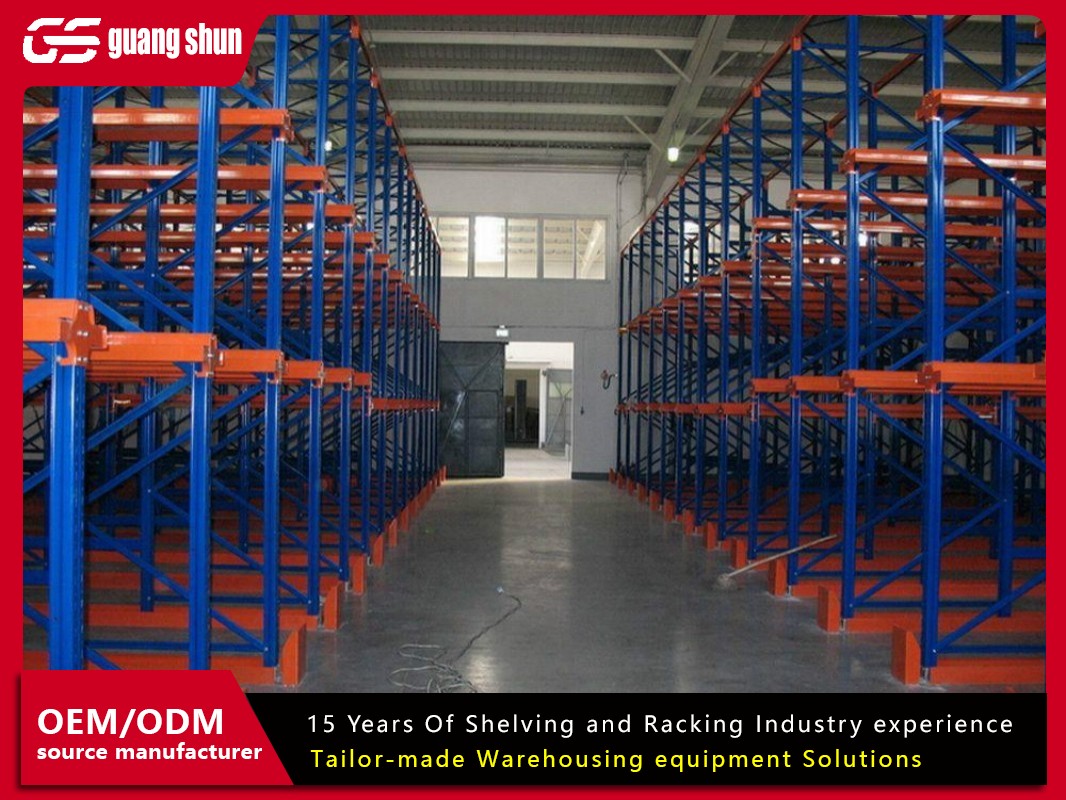
vs. Light‑duty boltless shelving: Long span provides 3–5x
higher load capacity, welded frame nodes, and thicker base plates. Suitable for
industrial environments.
vs. Pallet racking: Long span offers lower cost per linear
meter (approx. 35‑45% less) and better manual pick ergonomics, but cannot
accommodate double‑deep pallet storage or very high bay heights (>8 m).
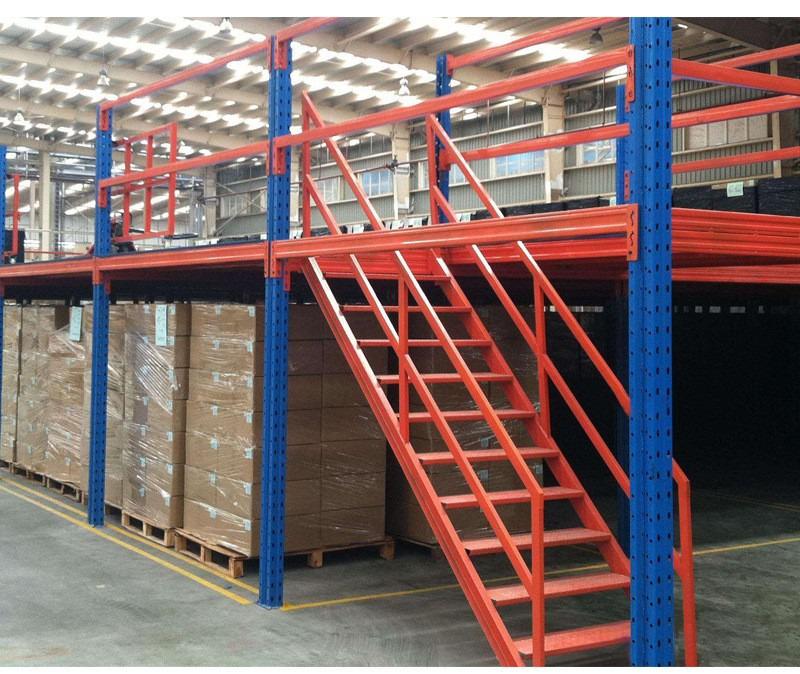
vs. Structural mezzanine: Long span is non‑permanent,
reconfigurable, and does not require fire sprinkler redesign. For loads under
1,500 kg per level, it is the most capital‑efficient choice.
For facilities requiring high density, mid‑weight SKU handling, and
frequent layout changes, long span shelving represents the optimal
technical solution.
6. Installation, Anchoring & Seismic Compliance
Professional installation follows four mandatory steps to ensure structural
integrity and insurance approval:
Floor flatness verification: Tolerance ≤5 mm over 3 m
radius. Shim plates (2–6 mm) correct deviations.
Anchor pattern: M12 expansion anchors at each upright base,
torque 55 Nm (concrete strength ≥25 MPa).
Row alignment: Longitudinal connecting braces (every 3
bays) and horizontal diagonal braces at the first shelf level.
Load testing: Apply 125% of rated load for 24 hours;
measure permanent deformation (acceptance <0.1% of span).
Guangshun Guangshun provides on‑site installation
supervision and laser‑leveling reports, with all anchor points documented per
ISO 9001:2015.
7. Total Cost of Ownership (TCO) and ROI Modeling
While initial capital expenditure for long span shelving is 15‑20% higher
than basic light‑duty shelving, TCO analysis over 10 years shows significant
savings due to durability and reconfigurability.
Reconfiguration cost: Zero parts replacement when moving
beams (manual labour only). Light‑duty systems often require new clips or
uprights after two rearrangements.
Maintenance: Annual inspection and torque check: ~€0.50 per
position. Pallet racking requires certified inspections at higher cost.
Space efficiency: 18‑25% more storage positions compared to
selective rack for mixed SKUs, directly reducing leased area.
Typical payback period: 14–22 months in labour‑intensive picking environments
(e.g., MRO or 3PL).
8. Why Industrial Engineers Choose Guangshun Long Span Shelving
With over 200 long span projects delivered globally (automotive,
pharmaceutical, general warehousing), Guangshun integrates
proprietary roll‑forming lines that achieve consistent beam camber (<0.5
mm/m) and robotic welding for upright connectors. Key engineering
advantages:
Certificate of conformity to EN 15512 and AS 4084‑2012.
Customizable beam lengths (1.2 m to 4.0 m) and depths (0.6 m, 0.8 m, 1.0 m)
without MOQ constraints.
3D modeling and finite element analysis provided before
production.
For project specifications or load calculations, access technical datasheets
via long span shelving resource center.
Frequently Asked Questions – Long Span Shelving Engineering
Q1: What is the maximum safe span length for 800 kg uniformly
distributed load?
A1: Using standard 80×50×1.5 mm beams, the maximum
span to maintain L/200 deflection is 2,400 mm. For spans exceeding 2.7 m,
upgrade to 100×50×2.0 mm beams, which can carry 800 kg up to 3,000 mm. Always
refer to certified load charts from your supplier.
Q2: Can long span shelving be used with automated guided vehicles
(AGVs)?
A2: Yes, but you must specify AGV‑compatible base plates
with chamfered edges and floor‑fixing countersunk anchors. Standard upright base
height of 110 mm allows pallet AGV forks to enter without collision. Many
logistics integrators combine long span shelving with SLAM navigation
landmarks.
Q3: How do I calculate seismic capacity for long span shelving in
seismic zone 3?
A3: According to ASCE 7‑22, you need to attach
horizontal struts at each shelf level and use post‑installed adhesive anchors
(Hilti HIT‑HY 200). For a 2.5 m high frame, the lateral load capacity must
exceed 0.3 × total vertical load. Guangshun provides seismic
design packages with anchor pull‑out tests.
Q4: What deck type offers the best fire resistance for long span
shelving?
A4: Perforated steel deck (1.0 mm thick, 15% open area)
does not add fire load. For sprinklered warehouses, solid particle board
(flame‑retardant class B‑s2,d0 per EN 13501‑1) is acceptable. Never use
untreated plywood in high‑risk environments.
Q5: Does long span shelving require floor
reinforcement?
A5: For a system with 4 levels and total load of
5,000 kg over four footings (each 120×120 mm), the point load per footing is
1,250 kg. Standard industrial concrete slab of C25/30 with 150 mm thickness can
support this without reinforcement. For older slabs, use load‑spreading base
plates (200×200 mm).
Q6: How can I verify if my long span shelving complies with workplace
safety regulations?
A6: Request a static calculation report
(including overturning moment and anchor tension). Additionally, third‑party
inspection per EN 15635 for storage equipment. Guangshun provides full documentation and stamp of certified structural engineer.
Q7: What is the typical delivery lead time for custom long span
shelving projects?
A7: Standard dimension systems (2.4 m span, 2.5 m
height) ship within 15–20 working days. Custom lengths, special colors, or
seismic kits require 25–30 days including CAD confirmation and sample
testing.
---
This technical reference consolidates engineering best practices for long span shelving selection, installation,
and lifecycle management. For project‑specific calculations or layout
optimization, consult Guangshun engineering support via the
official website Guangshun. Accurate structural design
translates directly to operational safety and long‑term ROI.