If you're searching for storage that won't quit, you've likely typed "heavy duty metal shelving" into your browser. This isn't about a flimsy unit for paperback books. This is about solving real storage problems with strength and durability.
From the backroom of a small business to a packed home garage, the right shelving system transforms chaos into order. But with so many options, how do you choose? Let's break down exactly what you need to know before you buy.
This checklist will help you navigate the world of industrial-grade storage.
Understanding What "Heavy Duty" Really Means
In the world of shelving, terms get tossed around loosely. "Heavy duty" has a specific meaning. It refers to shelving built from structural-grade materials, designed to bear substantial loads safely and consistently over years of use.
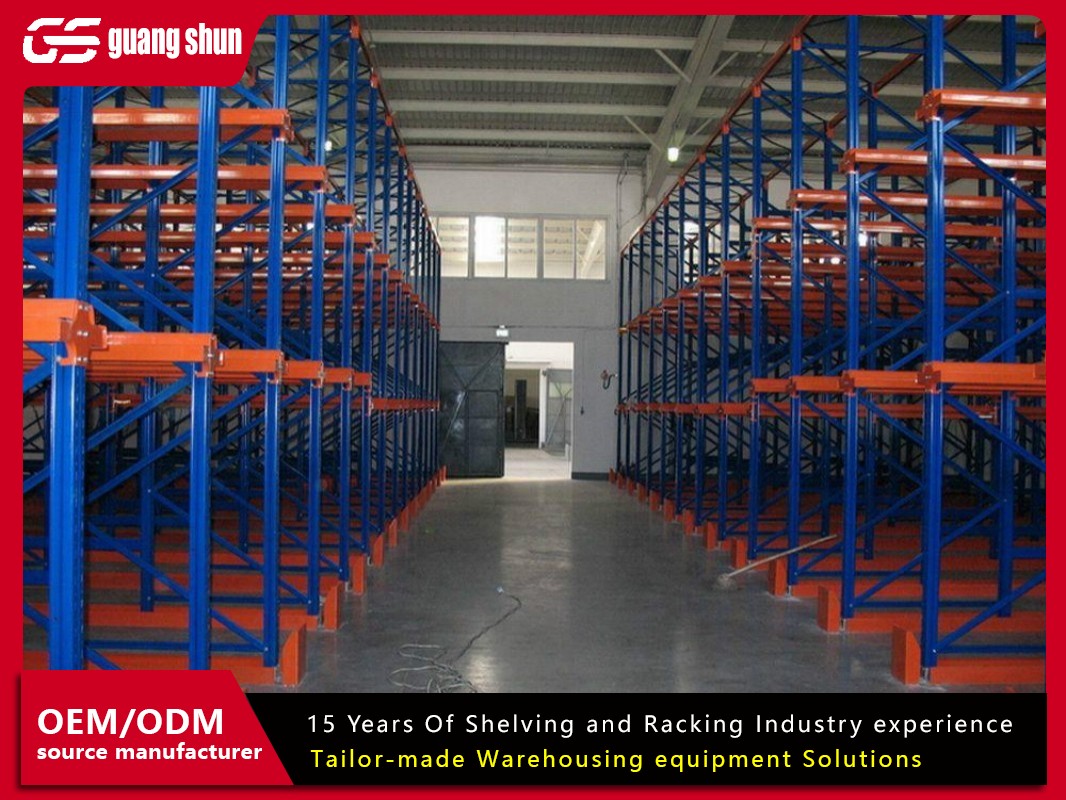
True heavy duty metal shelving is characterized by thick gauge steel, robust welded or bolted connections, and designs that prevent sway and sag. We're talking about shelves that can support pallets of supplies, bins full of automotive parts, or rows of industrial equipment without buckling.
The alternative is often called "light-duty" or "commercial-grade" shelving, which uses thinner metals and simpler designs. For long-term, high-weight storage, investing in a genuinely heavy-duty system is the only sensible choice.
Core Advantages of Metal Shelving Systems
Why does metal remain the go-to material for serious storage? The benefits are clear and tangible.
First is unmatched strength and load capacity. A well-constructed steel shelving unit can hold anywhere from 1,000 to over 4,000 pounds distributed across its shelves. This allows you to store tools, machinery, and inventory with complete confidence.
Durability is another key factor. Metal shelves resist impacts, moisture (especially with proper finishes), and won't warp or crack like wood. They can handle the demanding environment of a workshop or warehouse without deteriorating.
Fire resistance is a practical, often overlooked advantage. Metal will not fuel a fire, providing an added layer of safety for storing flammable materials when proper protocols are followed.
Finally, there's the low maintenance aspect. A quick wipe-down is usually all that's needed. There are no surfaces for pests to burrow into, and they won't absorb spills or odors.
Types of Heavy Duty Metal Shelving Designs
Not all metal shelves are built the same. The design dictates its best use case.
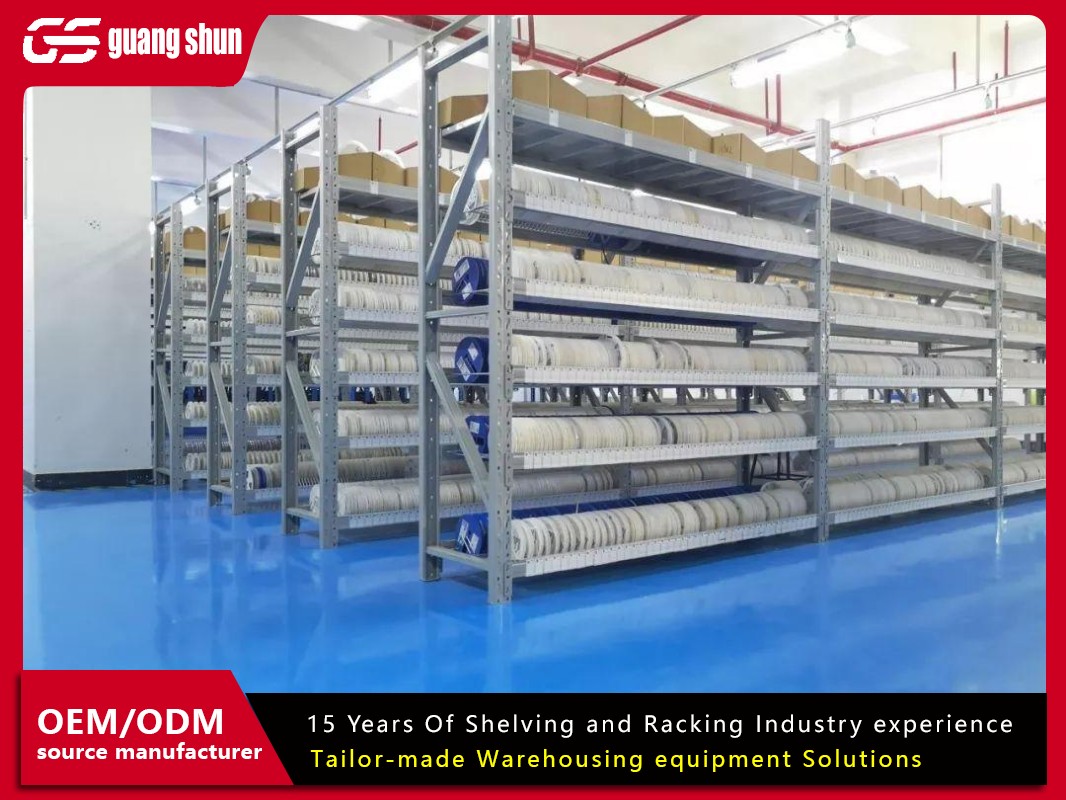
Bolted Shelving is the most common type of industrial shelving. Panels and beams are assembled with bolts and nuts. The huge advantage is adjustability; you can reposition shelves to accommodate items of any height. When properly assembled, it's incredibly strong and versatile.
Welded Shelving comes as a pre-assembled, rigid unit. It's often slightly stronger in frame rigidity since there are no bolts to potentially loosen. It's a great "set it and forget it" option for a permanent storage spot where shelf height adjustment isn't a priority.
Wire Shelving, or heavy duty wire deck shelving, offers excellent ventilation and visibility. Liquids and dust fall through, making it ideal for storage areas that need cleaning or where moisture control is important. Look for models with reinforced edge rails for maximum strength.
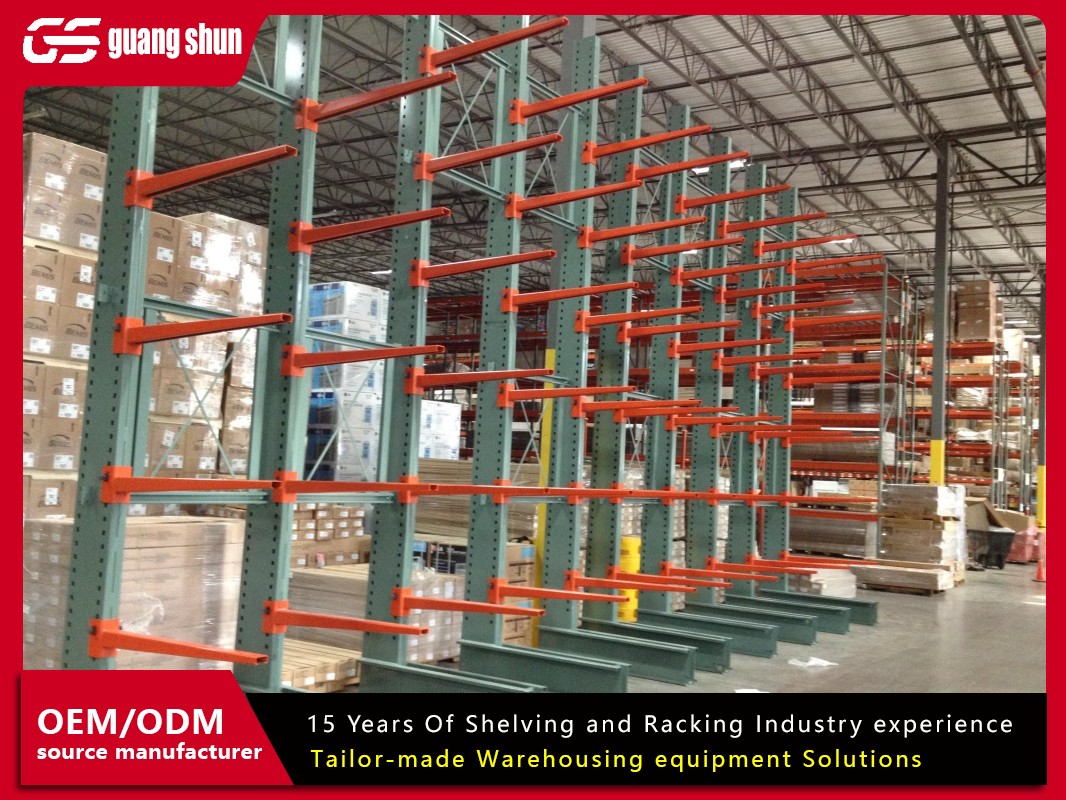
Cantilever Shelving features arms that extend from a central column, leaving the front completely open. This is perfect for storing long, bulky items like lumber, piping, or molding without the obstruction of front uprights.
The Critical Checklist Before You Buy
Walking into a purchase without this information leads to frustration. Answer these questions first.
1. What will you store? List the heaviest items, both in weight and size. Calculate the approximate total weight per shelf. This directly points you to the required load capacity.
2. Where will it go? Measure the space meticulously—width, depth, and height. Remember to account for clearance to walk, open doors, or operate machinery. Consider both floor space and vertical space.
3. How accessible do items need to be? For active inventory, open shelving or wire decks are best. For archived goods or items needing dust protection, consider adding solid metal or particle board decking.
4. What is the environment like? Is it humid, dusty, or exposed to chemicals? This determines the necessary finish. A standard epoxy or powder coat is fine for most settings. For high corrosion areas, look for shelving with a superior galvanized or stainless steel finish.
Installation and Safety Best Practices
A heavy duty metal shelving unit is only as safe as its installation. Never cut corners here.
Start with the foundation. The floor must be level. An uneven floor creates a tipping hazard and places undue stress on the frame. Use shims designed for heavy loads if minor leveling is needed.
Follow the manufacturer's instructions precisely. Use all provided hardware. When assembling bolted racking, tighten bolts incrementally and evenly to ensure the frame squares up correctly.
For freestanding units, always place the heaviest loads on the bottom shelves. This lowers the center of gravity and prevents top-heaviness. Never exceed the stated weight limits per shelf or for the entire unit.
Consider seismic or anti-tip straps. Especially in areas with activity or earthquake risk, anchoring the top of the unit to a solid wall stud is a wise safety precaution. It prevents a potential domino effect.
Maximizing Organization and Efficiency
Your new shelving is a blank canvas. Organize it smartly from the start.
Implement a zoning strategy. Group similar items together—all electrical supplies on one shelf, painting materials on another. This saves countless hours of searching.
Use uniform containers. Clear, stackable bins with strong lids protect contents and maximize vertical space. Label every bin clearly on the side.
Leave an aisle for access. Cramming units tightly together makes it impossible to reach items in the back. A manageable aisle space encourages maintaining the system.
Utilize vertical space fully. One of the biggest advantages of heavy duty steel shelving is the ability to safely build upward. Use shelf step ladders, not ordinary chairs or stools, for safe access to top shelves.
Frequently Asked Questions (FAQ)
Q1: What's the actual difference between "industrial" and "commercial" grade metal shelving?
A1: It primarily comes down to weight capacity and construction. Commercial-grade shelving often uses lighter-gauge steel and simpler connectors, with capacities typically under 800 lbs per unit. Industrial-grade heavy duty metal shelving uses thicker steel, reinforced connectors, and is engineered for capacities ranging from 1,000 lbs to several tons. For machinery, dense inventory, or long-term heavy storage, industrial grade is necessary.
Q2: Can I assemble heavy duty shelving by myself, or do I need help?
A2: While some lighter units are a one-person job, true heavy duty shelving often requires two people. The components are large, bulky, and need to be held in place securely during assembly. Having a helper ensures safety, prevents damage to the components, and makes the process much faster and more accurate.
Q3: How do I properly calculate the weight load for my shelving?
A3: Weigh a representative sample of your heaviest items. Don't guess. Use a freight or bathroom scale. Add up the total weight of items planned for a single shelf, then compare it to the shelf's rated capacity. Always leave a 10-15% safety margin. Remember, the rated capacity is for evenly distributed weight, not a single point load in the center.
Q4: Are there any items I should absolutely NOT store on metal shelving?
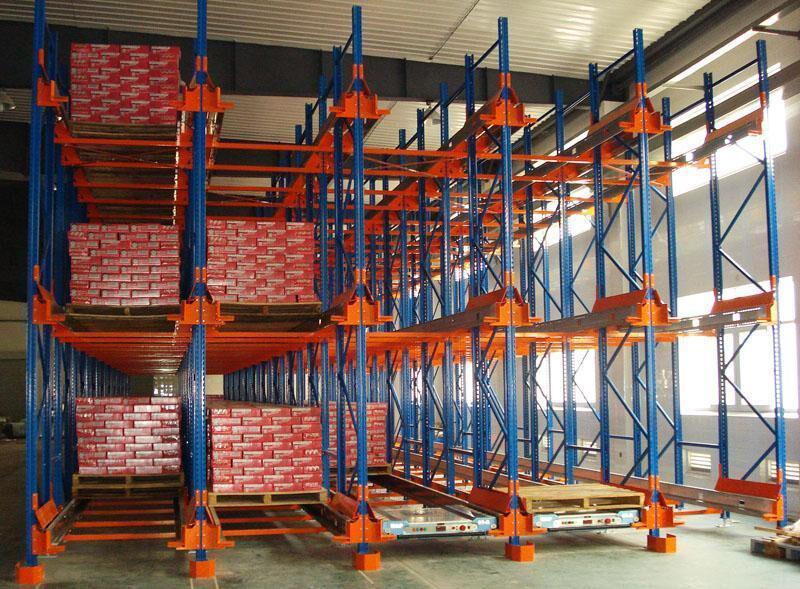
A4: Yes. Extremely heavy, small-footprint items (like a anvils or engine blocks) can exceed the point load capacity of a shelf deck, even if the total weight seems okay. Store these directly on the floor or on a specially reinforced pallet rack. Also, ensure hazardous chemicals are stored according to their specific safety data sheet (SDS) requirements, which may mandate special containment.
Q5: My shelving feels a bit wobbly after assembly. Is this normal?
A5: A minor amount of flex in very tall, bolted units can be normal. However, significant wobble usually indicates an issue. Double-check that all bolts are tightened according to the manual's torque sequence. Ensure the unit is on a level floor. For added rigidity, you can install diagonal braces (if compatible) or securely anchor the top of the unit to a wall stud using manufacturer-approved anti-tip straps. Never use a visibly unstable unit.