If your business is struggling with flimsy shelving that sags under weight or wastes valuable vertical space, it's time to look at a real solution. Heavy duty storage shelves are the backbone of organized warehouses, workshops, and industrial facilities. This isn't about garage storage; it's about professional-grade equipment built to handle serious loads safely and efficiently.
Let's break down what makes these systems essential, how to choose them, and what you can expect when investing in proper industrial storage.
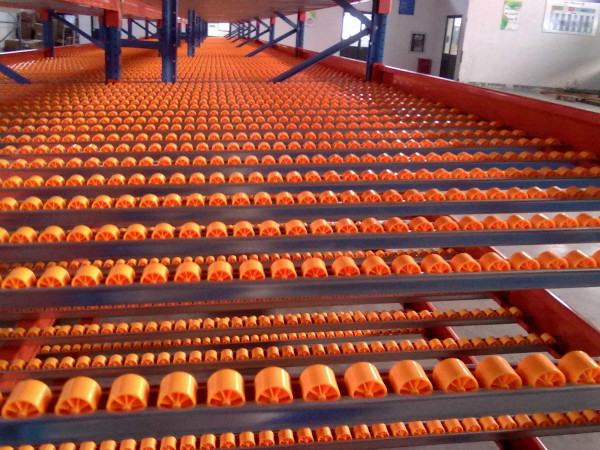
What Defines Heavy Duty Storage Shelves?
When we talk about heavy duty storage shelves, we're referring to a category of industrial shelving designed for substantial weight capacity per level. Unlike light-duty boltless shelving, these units are engineered with durability as the top priority.
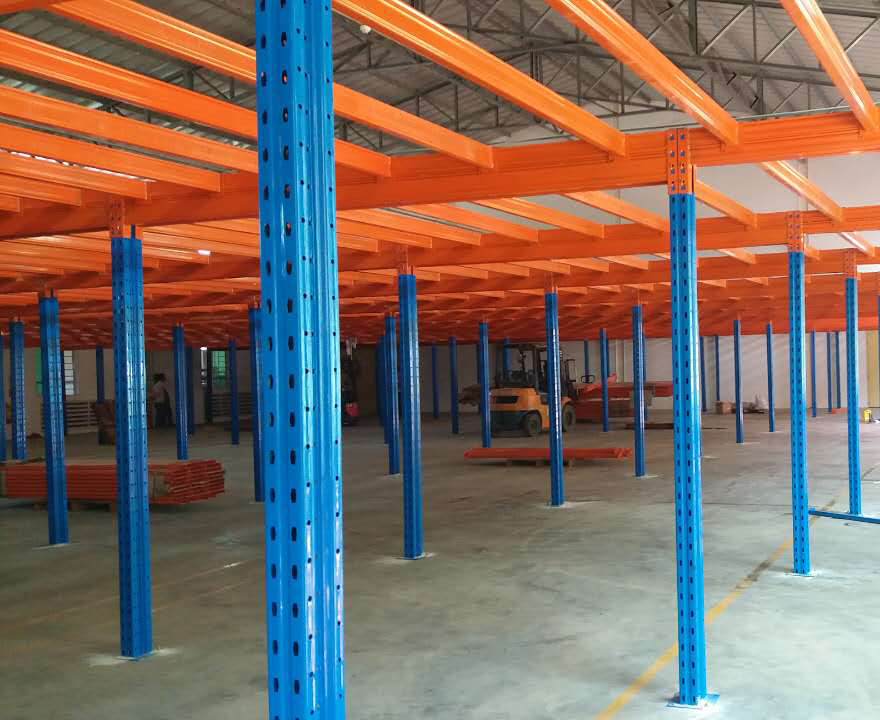
Key characteristics include thick gauge steel upright frames, reinforced beam connectors, and solid steel decking. Capacities often start around 1,000 lbs per shelf and can exceed 5,000 lbs or more. The design prioritizes structural integrity over quick assembly, resulting in a rock-solid storage platform.
Common Types and Their Best Uses
Not all heavy duty storage shelves are the same. The right type depends entirely on what you're storing and how you need to access it.
- Pallet Racking: The quintessential heavy duty shelving for warehouses. Designed to store unit loads on pallets using horizontal beams. It maximizes vertical space and is ideal for bulk storage with forklift access.
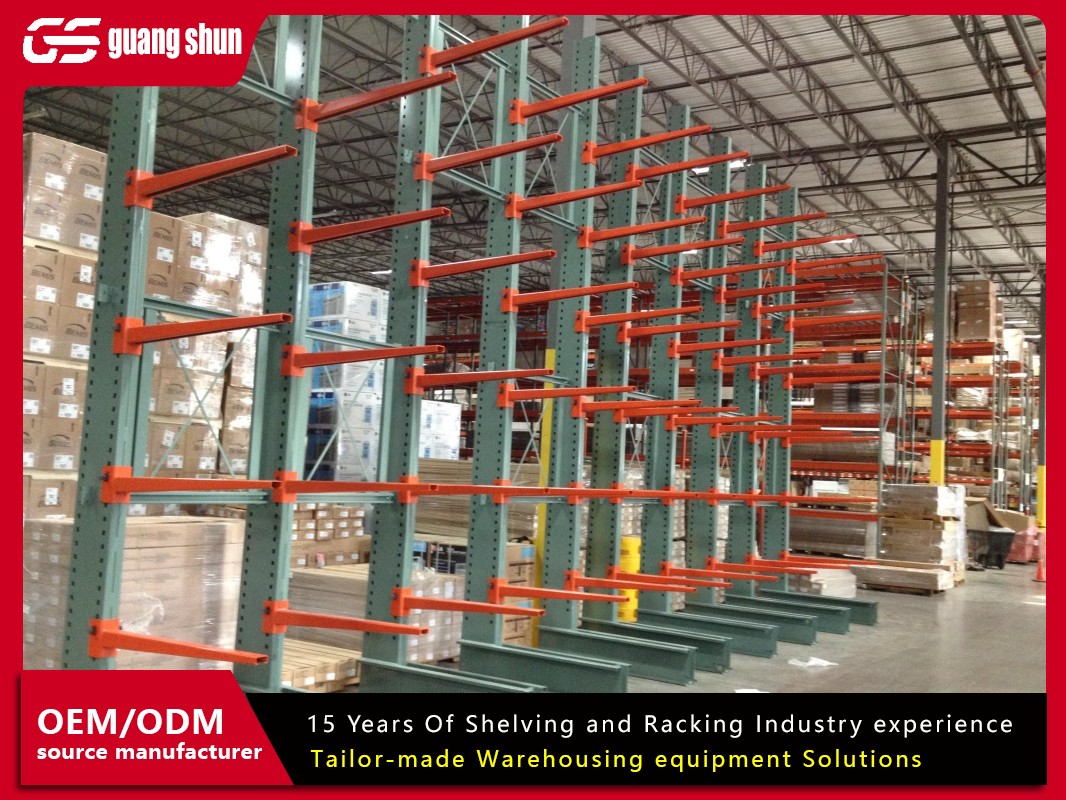
- Cantilever Racking: Features arms that extend from a central column, perfect for storing long, awkward items like lumber, pipes, tubing, or furniture. It provides unobstructed access from the side.
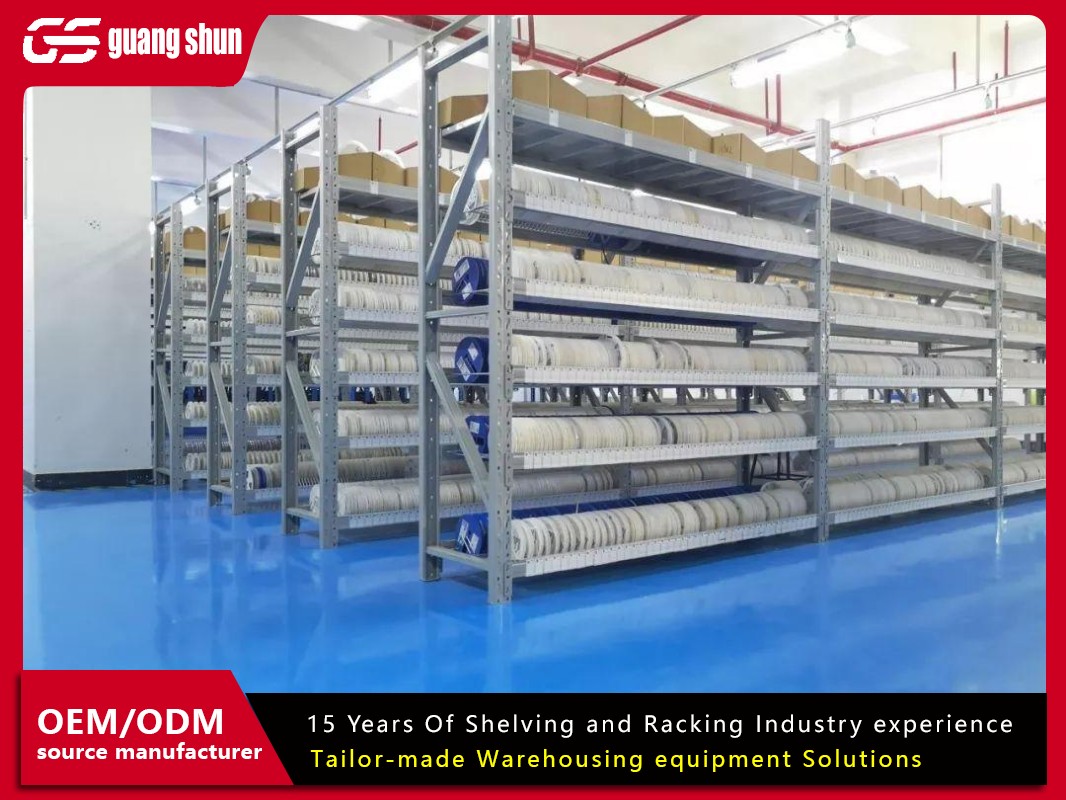
- Rivet or Bolted Shelving: These are the classic heavy duty steel shelving units. They use bolts or rivets for a permanent, rigid connection. Shelves can be fitted with wire mesh decking, particle board, or steel plates to hold boxes, tools, or heavy parts.
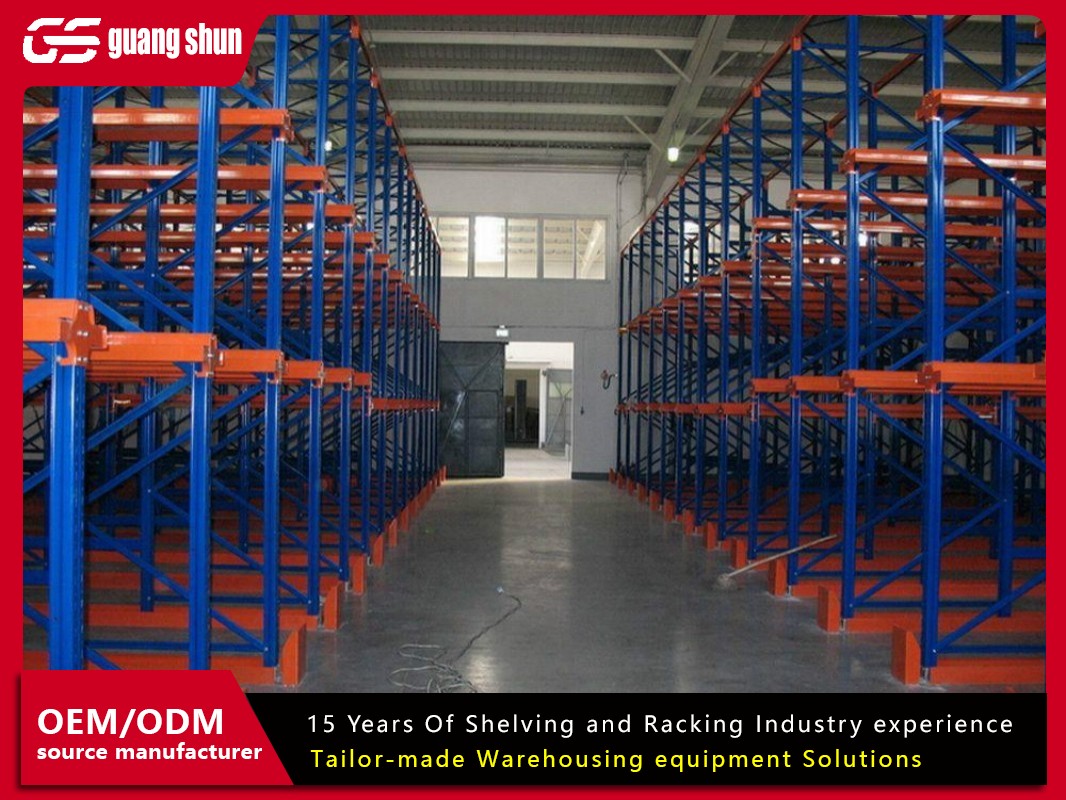
- Drive-In/Drive-Through Racking: A high-density variant of pallet racking where forklifts drive directly into the structure. It's a specialized form of heavy duty storage for large quantities of the same product.
Key Benefits Beyond Just Holding Weight
Investing in proper heavy duty storage shelves delivers measurable returns. The most obvious is maximized space utilization. By going vertical with confidence, you free up crucial floor space for other operations.
Safety is dramatically improved. Properly rated shelves eliminate the risk of catastrophic collapse, protecting both your inventory and, more importantly, your employees. This also leads to better organization and efficiency. When tools, parts, and materials have a designated, sturdy home, workers spend less time searching and more time producing.
Finally, durability means these systems last for decades with basic care, offering a superior long-term value compared to repeatedly replacing lighter units.
How to Select the Right System for Your Needs
Choosing heavy duty shelving isn't about guessing. Follow a logical selection process.
- Calculate Your Load Requirements. This is the most critical step. Determine the maximum weight each shelf level will hold. Remember to include the weight of the shelf decking itself. Always add a safety margin.
- Consider Inventory and Access. What are you storing? Uniform boxes, odd-shaped parts, palletized goods? How will items be retrieved—by hand, with a pallet jack, or a forklift? Answers here will point you to shelving, pallet racking, or cantilever systems.
- Measure Your Space Precisely. Note ceiling height, column locations, and door clearances. Plan your aisle widths based on the equipment used for access.
- Think About Adjustability. Do your storage needs change? Systems with beams that clip into frame holes offer easy shelf-height adjustment without tools.
- Evaluate Environmental Factors. In humid or washdown environments, look for heavy duty storage shelves with galvanized or powder-coated finishes for corrosion resistance.
Understanding Materials and Construction Quality
The quality of heavy duty storage shelves is found in the details. Look for frames made from cold-rolled steel with a higher gauge number (like 12-gauge or lower), indicating thicker, stronger metal.
Beam connections should be robust. Teardrop-shaped slots with safety locks or bolted connections are common for high-capacity units. The decking material matters too: solid steel plate for the heaviest, densest loads; wire mesh for visibility and fire safety; or laminated wood for a cost-effective surface for boxes.
Finish is not just about color. A high-quality powder-coated or galvanized finish protects against rust, scratches, and wear, ensuring a long lifespan even in demanding conditions.
Cost Considerations and Budgeting
The price for heavy duty storage shelves varies widely based on type, capacity, size, and finish. Industrial pallet racking represents a significant investment per bay, while heavy duty bolted shelving units may have a lower initial cost.
Focus on total cost of ownership, not just the purchase price. Cheap, under-specified shelves risk failure, leading to costly damage, injury, and downtime. Quality heavy duty shelves are a capital asset.
Consider installation. Some bolt-together systems can be installed in-house with a team and proper planning. Larger pallet rack installations often require professional installers to ensure seismic and safety code compliance.
Finding a Reputable Supplier
Your supplier should be a partner, not just a vendor. Look for companies that specialize in industrial storage solutions, not general office furniture.
A good supplier will ask detailed questions about your loads, space, and process. They should provide clear load capacity charts and engineering specifications. Many offer complimentary layout design services using CAD software to optimize your space before you buy.
Check for warranties on both materials and workmanship. Ensure they carry a range of compatible accessories like decking, row spacers, and safety netting.
Installation Tips and Safety Best Practices
Even the best heavy duty storage shelves are only as safe as their installation. Always follow the manufacturer's instructions precisely. The foundation is key; ensure floors are level and can support the loaded weight.
Use a torque wrench on all bolts to achieve the specified tightness. Never remove structural components or modify frames. Once installed, respect the rated load capacities. Overloading is the fastest way to cause a dangerous failure.
Perform regular inspections. Look for signs of damage from impacts, corrosion, or any bent or distorted components. Train all employees on safe loading practices, emphasizing even weight distribution.
Frequently Asked Questions (FAQs)
Q1: What's the main difference between "heavy duty" and "industrial" shelving?
A1: The terms are often used interchangeably, but "heavy duty" typically emphasizes the high weight-bearing capacity per shelf. "Industrial" describes the application environment. All true heavy duty storage shelves are industrial-grade, but not all industrial shelving is rated for extreme heavy-duty loads.
Q2: Can I assemble heavy duty bolt-type shelving by myself?
A2: It is strongly discouraged. Due to the weight of components and the critical need for proper alignment and bolting, a team of two or more people is essential for safe and correct assembly. For very large systems or pallet racking, professional installation is recommended.
Q3: How do I know if my floor can support loaded heavy duty storage shelves?
A3: You must consult your facility's building plans or a structural engineer. Industrial floors are rated for pounds per square foot (PSF) load. A supplier can help you calculate the point load of your proposed shelving system, which an engineer can then compare to the floor's rated capacity.
Q4: Are used heavy duty shelves a good option to save money?
A4: They can be, but caution is required. Only purchase from a reputable dealer who inspects and certifies used components. Never mix brands or generations of beams and frames, as they are not engineered to work together. Carefully inspect all pieces for cracks, bends, or significant corrosion before purchase.
Q5: How often should I inspect my heavy duty storage shelves?
A5: Conduct a formal visual inspection at least annually. Additionally, perform a quick check after any seismic event or significant impact from material handling equipment. Any time you reconfigure the shelves, a full inspection of the newly assembled connections is necessary.