Let's be honest. The garage often becomes the final resting place for everything that doesn't have a home inside the house. From holiday decorations and sports equipment to tools, paint cans, and automotive supplies, the clutter accumulates quickly. Ordinary storage solutions buckle under the weight and chaos.
This is where heavy duty garage shelving comes in. It's the foundational step in transforming a disorganized catch-all space into a functional, efficient part of your home. The right system doesn't just store your items; it protects them and gives you your floor space back.
But not all shelving is created equal. Choosing the wrong type can lead to frustration, wasted money, and even safety hazards.
Why Your Garage Needs Heavy Duty Shelving
Typical household shelves are designed for linen closets or books. They aren't built for the demanding environment of a garage. Garage storage faces unique challenges: extreme temperature swings, humidity, dust, and, most importantly, significant weight.
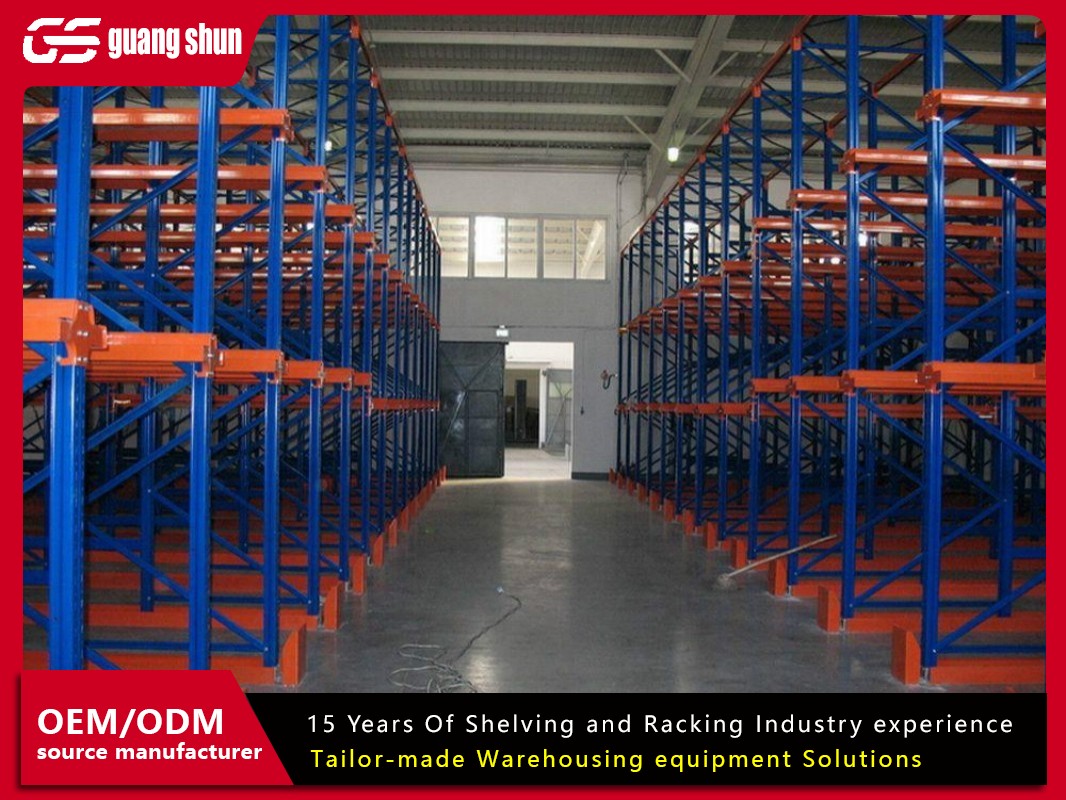
A heavy duty garage shelving unit is engineered specifically for this. It's constructed from robust materials like reinforced steel or industrial-grade polymer. These units are designed to hold hundreds of pounds per shelf, safely supporting bins of tools, cases of motor oil, or bulky power equipment.
Investing in a proper system means no more worrying about shelves bowing or collapsing. It creates a permanent, organized infrastructure for your belongings.
Key Factors When Choosing Your Shelving
Before you buy, assess your needs. A quick walk-through of your garage with a notepad will save you time and money.
First, consider load capacity. This is the most critical spec for heavy duty garage storage. Capacity is usually listed as weight per shelf and total weight for the unit. Be realistic about what you'll store. A shelf holding car parts and a tool chest needs a much higher rating than one for camping gear.
Next, look at dimensions and adjustability. Measure your available wall or floor space carefully. Vertical space is your best friend in garage organization. Shelves with adjustable heights offer flexibility for items of different sizes, from gallon jugs to large plastic totes.
Material and construction are also key. Steel shelving, particularly bolt-together or welded units, offers the greatest strength and longevity. Look for shelves with a powder-coated or epoxy finish to resist rust, scratches, and chemicals. For a corrosive environment (like near coastal areas), stainless steel or high-quality resin shelves are worth considering.
Popular Types of Heavy Duty Shelving Systems
There are several effective designs, each with pros and cons.
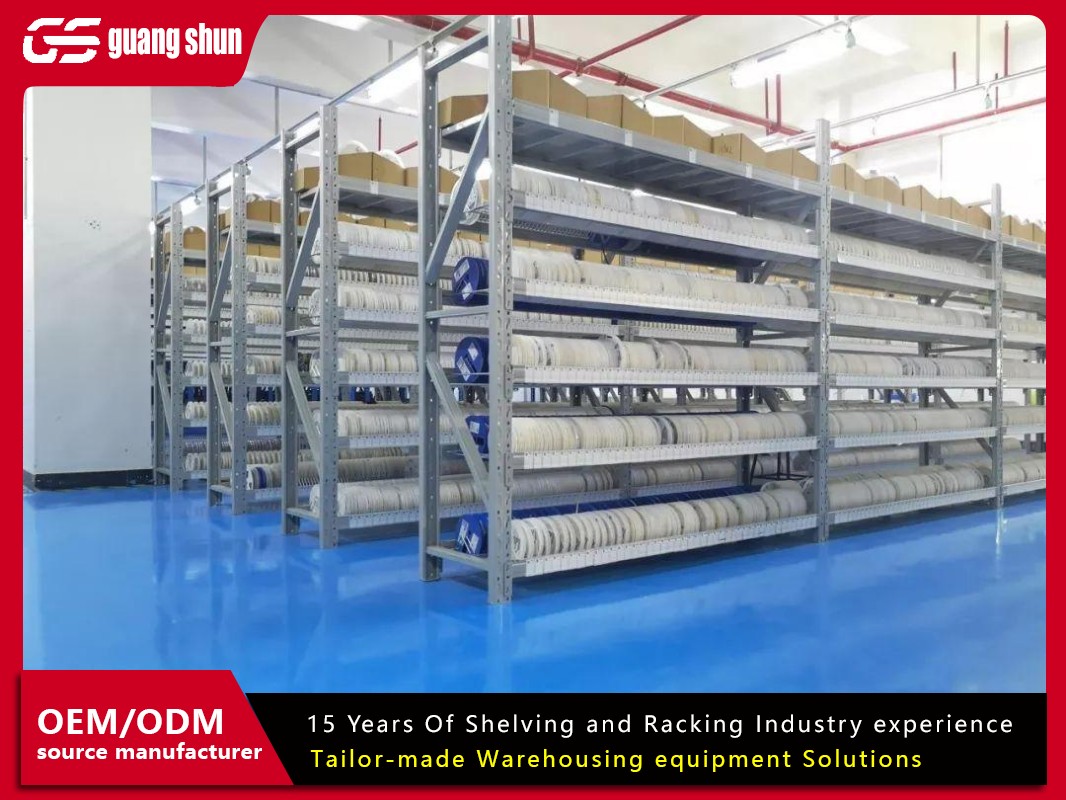
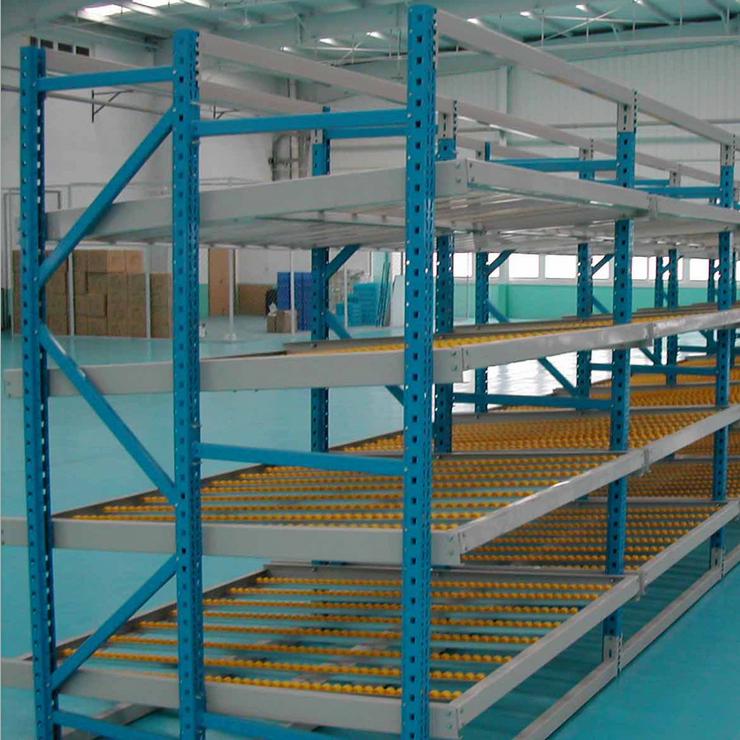
Freestanding shelving units are the most common and versatile. They don't require wall mounting, so you can place them anywhere and even reposition them later. Look for units with reinforced posts and cross-braces for maximum stability. These are ideal for the center of the garage or along a blank wall.
Heavy duty wire shelving provides excellent airflow, which is great for preventing moisture buildup under stored items. The open design also makes it easy to see what's on lower shelves. Ensure the wire grids are thick and supported by a solid frame.
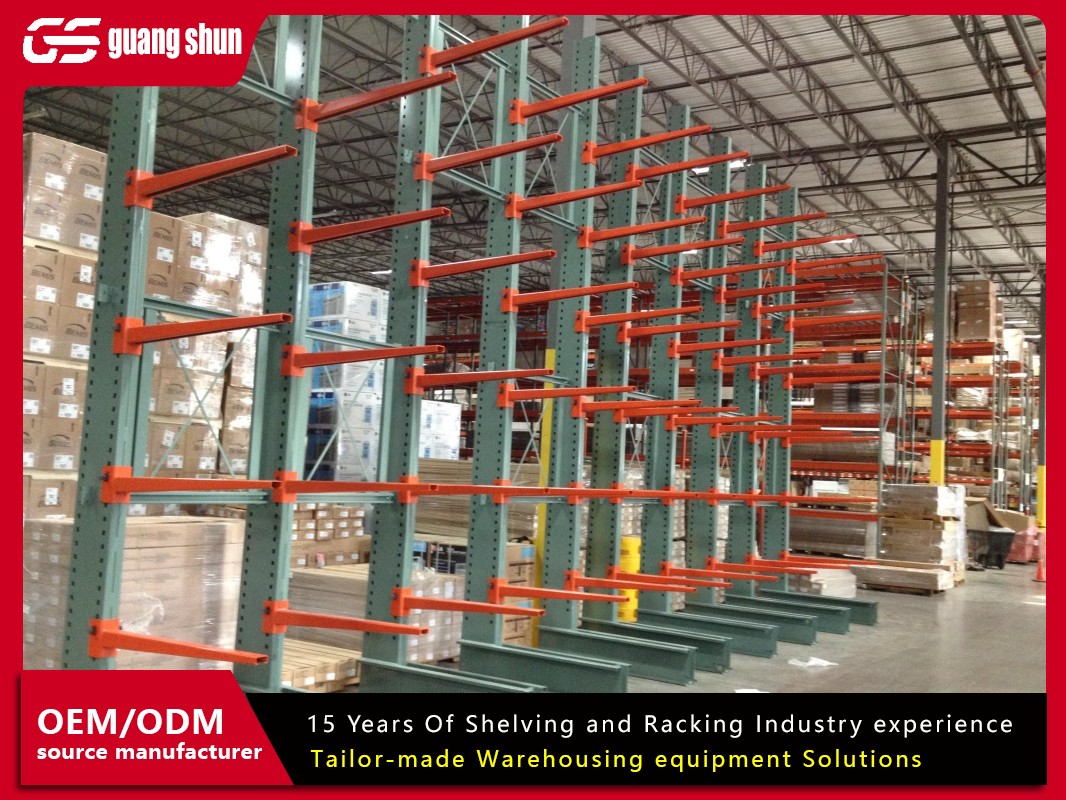
For those who prefer a clean, built-in look, heavy duty bracket shelving is a top contender. This involves mounting solid metal brackets directly into wall studs and then placing wooden or metal shelves on top. The strength comes from the wall itself. This type is perfect for utilizing wall space above workbenches or along the perimeter, keeping the floor completely clear.
Installation Tips for Safety and Longevity
A proper installation is crucial for safety. Start by preparing your space. Clear the area and check the floor for levelness. An unlevel floor can cause a freestanding unit to wobble or distribute weight unevenly.
If you're installing a wall-mounted, heavy duty garage shelving system, always anchor into the wall studs. Drywall anchors are insufficient for heavy loads. Use the appropriate lag bolts or heavy-duty toggle bolts as specified by the manufacturer.
For freestanding units, take the time to assemble it on a flat surface. Tighten all bolts securely. Many units become more stable once weight is evenly distributed, but never skip steps in the assembly instructions. Consider anchoring very tall units to the wall for anti-tip safety, especially in households with children or in earthquake-prone regions.
Maximizing Your Shelving Investment
The right shelving is just the start. How you use it determines its true value.
Use uniform, clear plastic bins with secure lids. They protect contents from dust and pests, and the clear sides let you identify items quickly. Label every bin on at least two sides.
Group like items together. Create zones in your garage: automotive, seasonal, tools, gardening, etc. Place the heaviest, most frequently used items on waist-level shelves for easy and safe access. Lighter, seasonal items can go on the highest shelves.
Don't forget the space underneath. Many heavy duty garage shelving units are tall enough to roll large items like trash bins, wheelbarrows, or garden carts underneath, effectively doubling your storage efficiency.
Leave some aisle space between units. Being able to walk and move around easily makes finding and retrieving items a simple task, not an obstacle course.
Frequently Asked Questions (FAQ)
Q1: How much weight can heavy duty garage shelving typically hold?
A1: True heavy duty garage shelving can vary, but a good benchmark is 500 to 1,500 pounds per unit, with individual shelves holding 150 to 500 pounds each. Always check the manufacturer's specific load rating and never exceed it. Distribute weight evenly and place the heaviest items on the bottom shelves.
Q2: Can I install this shelving on a drywall garage wall?
A2: You can, but the shelving must be anchored directly into the wooden wall studs behind the drywall. The drywall itself cannot support significant weight. Use a stud finder to locate the studs (typically 16 or 24 inches apart) and secure the mounting brackets with long, thick lag screws driven firmly into the studs.
Q3: What's better: bolt-together or welded steel shelving?
A3: Bolt-together shelving is adjustable and can often be disassembled if you move. It's very strong when properly assembled. Welded shelving is exceptionally rigid and stable right out of the box, with no risk of loose bolts, but it is permanent and not adjustable. For most home garage needs, a well-made bolt-together unit provides excellent strength and flexibility.
Q4: How do I prevent my metal shelving from rusting in a damp garage?
A4: Start by choosing shelves with a high-quality powder-coated or epoxy finish. Ensure the garage is as well-ventilated as possible to reduce humidity. Avoid placing wet items directly on the shelves. You can also apply a silicone spray or a car wax to the shelving components periodically to add an extra layer of protection against moisture.
Q5: Is it possible to add casters to a heavy duty shelving unit?
A5: Some units are sold with optional caster kits, which is the safest route. If retrofitting, you must ensure the casters are rated for the total weight capacity of the fully loaded unit. Swivel casters with brakes are ideal. Remember, a tall, mobile unit becomes top-heavy, so move it with extreme caution and only when necessary. For ultimate stability, keep the unit stationary on its feet.