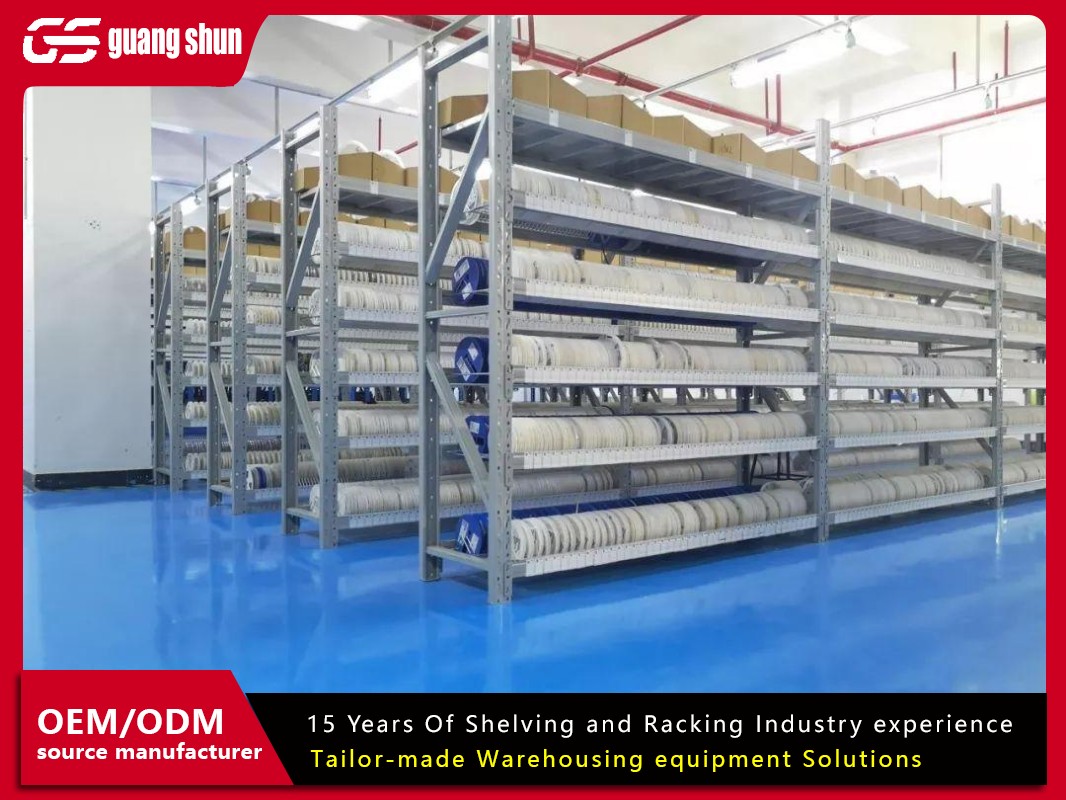
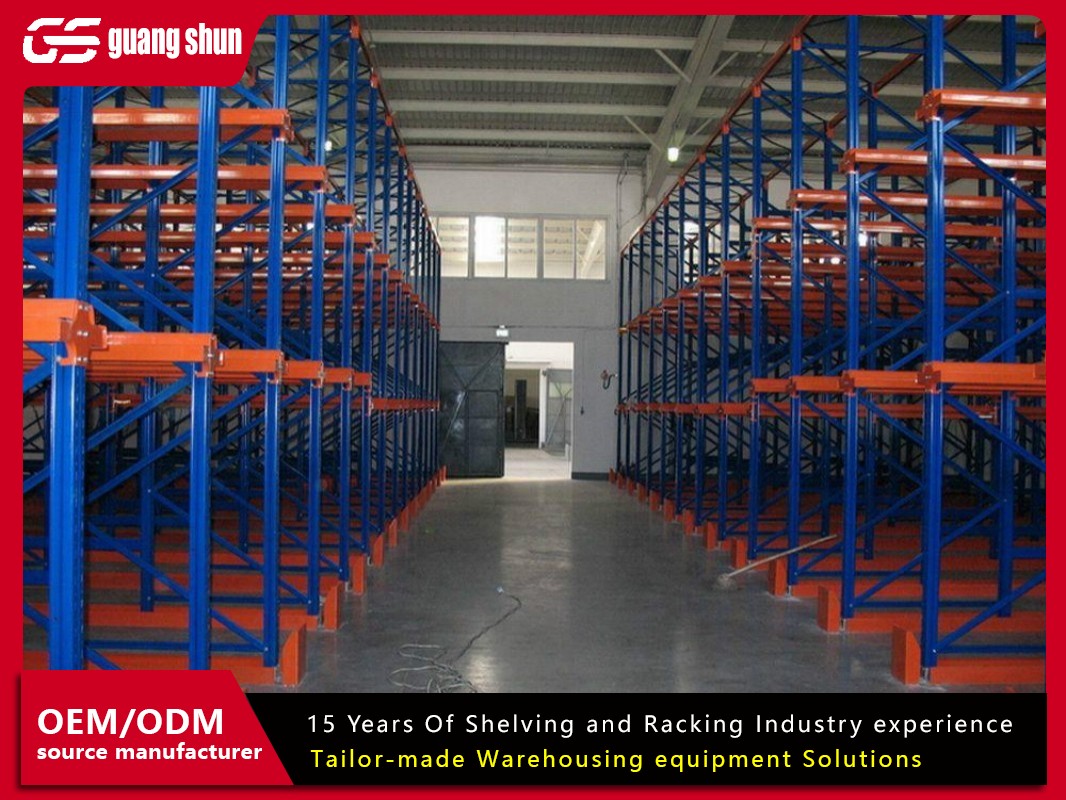
Let's be honest: flimsy storage is a waste of money and space. When boxes start to bow shelves and you hesitate to put anything truly substantial on them, it's time for a real solution. A heavy duty metal shelving unit is that solution. It's the workhorse of warehouses, garages, workshops, and stockrooms for a reason.
But not every unit labeled "heavy duty" is built the same. The wrong choice can lead to safety risks, wasted space, and another costly replacement down the line. This breakdown will help you understand what to look for, so you buy shelves that handle the load for years to come.
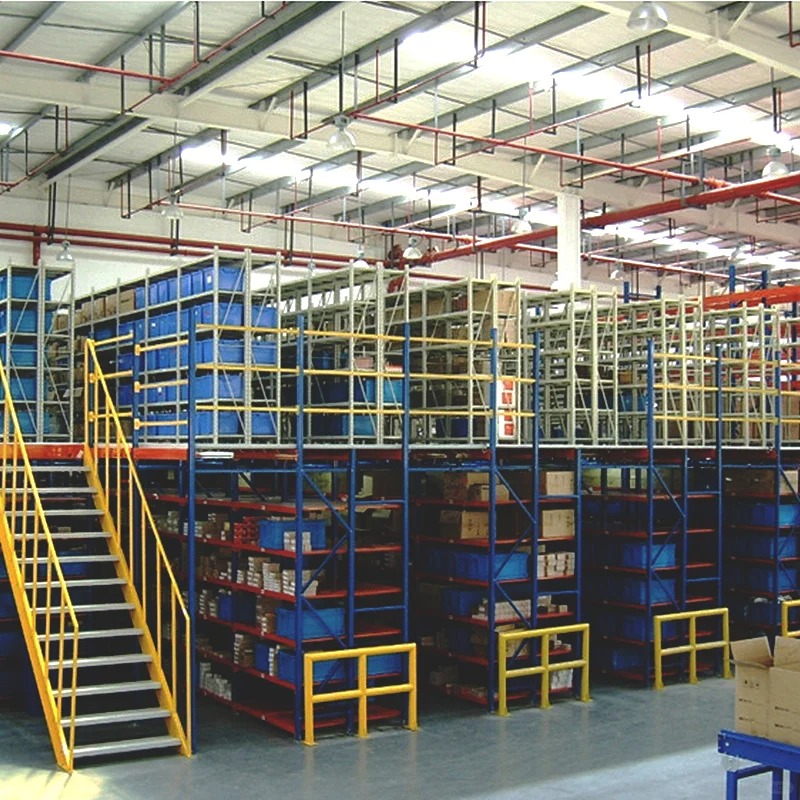
What Defines a True Heavy Duty Metal Shelving Unit?
The term gets thrown around loosely. For us, a genuine heavy duty metal shelving unit is defined by its load capacity and construction. We're talking about units where each shelf can typically support 500 pounds or more, with total capacities reaching several thousand pounds.
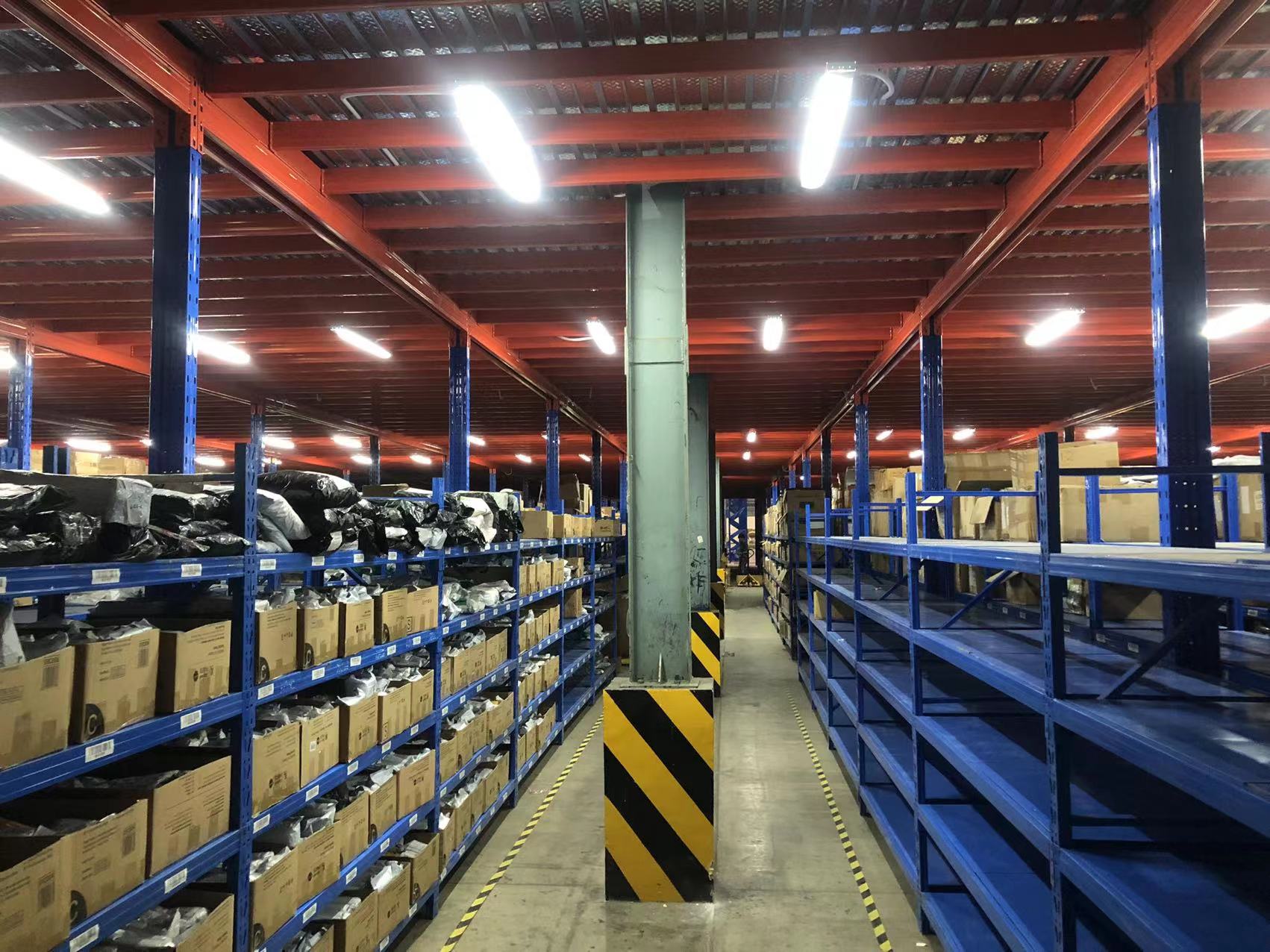
These are not the lightweight, clip-together units from big-box stores. A true industrial shelving unit is built from structural steel, often with a bolted or riveted design for rigidity. The upright frames are robust, the shelves are reinforced, and everything feels substantial. It's designed for commercial and industrial environments where reliability is non-negotiable.
Key Advantages of Choosing Metal Industrial Shelving
Why does metal, specifically, dominate the heavy duty storage world? The benefits are clear.
Strength is the obvious one. Steel provides an unmatched strength-to-weight ratio, allowing these units to hold massive loads without collapsing. This inherent strength also makes them incredibly durable and resistant to impact damage.
They are also highly versatile. Most heavy duty steel shelving systems offer adjustable shelves. You can reconfigure the space as your needs change, accommodating everything from small boxes to tall equipment.
Safety and organization go hand-in-hand. A properly rated unit eliminates the fear of collapse. It also gets items off the floor, reducing trip hazards and making inventory much easier to find and count. For fire safety and cleanliness, metal shelving is non-combustible and easy to wipe down.
Common Types and Their Best Uses
Knowing the main styles helps you match the shelf to the job.
Bolted Shelving is the classic, most robust type. Beams bolt directly into the upright frames, creating an extremely rigid connection. Shelves are usually particle board or steel decking placed on the beams. This is the go-to for the highest weights and uneven loads, like engine blocks or dense palletized goods.
Rivet Shelving (or Boltless) uses rivets or precision clips that snap into pre-punched holes in the uprights. Assembly is faster and requires no tools like wrenches. While very strong, it often has a slightly lower per-shelf capacity than bolted types. It's excellent for organized boxes, bins, and parts in a shop or retail backroom.
Wire Shelving provides maximum ventilation and visibility. It's perfect for environments where dust control or airflow is a concern, like commercial kitchens or paint booths. However, it's less ideal for very small items that could fall through.
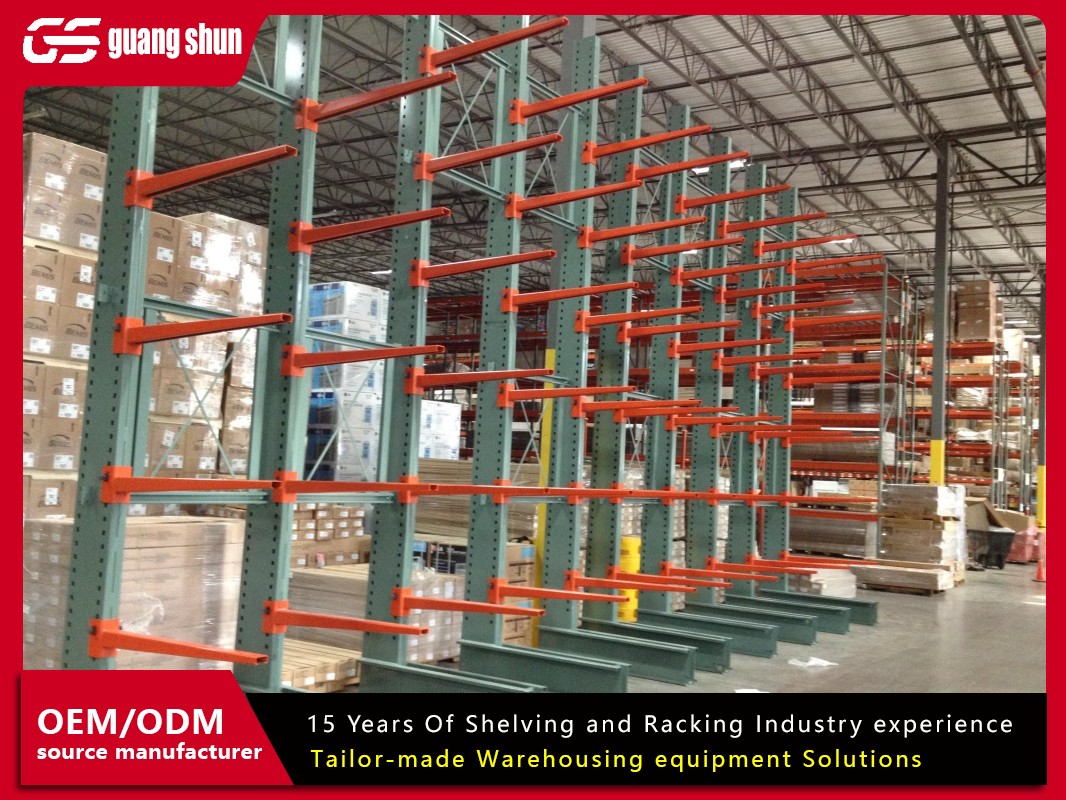
Cantilever Racking is a specialized type for long, bulky items. Arms extend from a central column, allowing unimpeded access to items like lumber, piping, or molding. This isn't a general-purpose storage racking unit, but it's indispensable for specific materials.
Critical Factors in Your Selection Process
Don't just buy the first unit you see. Focus on these specifications.
Load Capacity: This is the most critical number. Look for both per-shelf and overall unit ratings. Always choose a shelf rated for significantly more than your planned load. For a true extra heavy duty shelving unit, expect per-shelf ratings of 1,000 lbs and up.
Dimensions and Adjustability: Measure your space carefully—width, depth, and especially height. Adjustable shelf heights are a must-have feature. Also, consider the shelf depth; standard is 36" or 48", but other sizes exist to fit your space perfectly.
Material and Gauge: The steel's thickness, or gauge, matters immensely. A lower gauge number means thicker steel (e.g., 12-gauge is thicker and stronger than 16-gauge). Look for shelves made from at least 14-gauge steel for heavy-duty applications. A quality powder-coat finish resists rust, scratches, and chemicals.
Safety Features: Stability is paramount. Look for units that include bolt-on stabilizer bars (rear and/or side) and the option to anchor the unit securely to the wall. Some designs feature shelf locks that prevent beams from accidentally being dislodged by a forklift nudge.
Understanding the Real Cost and Value
The price tag on a heavy duty metal shelving unit can vary widely. A lighter-duty rivet unit costs less than a high-capacity bolted pallet rack.
View this as a capital investment, not just an expense. A well-built steel shelving system can last for decades with minimal care. The cost per year over its lifespan is often lower than replacing cheaper units multiple times.
Consider the cost of not having adequate storage: lost productivity, damaged inventory, and safety incidents. The right industrial storage shelving pays for itself by solving these problems. Ask suppliers about bulk discounts if you're outfitting a large space.
Installation Tips and Long-Term Care
Proper setup ensures safety and performance. Assemble the unit on a level floor. If the floor is uneven, use shims under the base plates. Follow the manufacturer's instructions precisely—don't skip bolts or stabilizers.
Use a level during assembly. Once complete, securely anchor the top of the unit to a wall stud. This prevents any chance of tipping, especially important in earthquake-prone areas or if shelves will be climbed on (though this should be discouraged).
Maintenance is simple. Periodically check for loose bolts or connectors. Inspect shelves for signs of overload, such as permanent bowing. Never exceed the posted weight limits, and try to distribute weight evenly across each shelf. A quick occasional wipe-down keeps them looking and functioning well.
Finding a Reputable Supplier
Your source matters. Look for suppliers specializing in commercial and industrial material handling equipment. They should provide clear, detailed specification sheets and be able to answer technical questions about gauge, capacity, and compliance with any relevant standards.
A good supplier will ask about your intended use and help you avoid under- or over-buying. They should offer a range of accessories like shelf liners, bin boxes, or divider rods to complete your system. Read reviews focusing on product durability and the accuracy of shipping and specifications.
Frequently Asked Questions (FAQs)
Q1: What's the real difference between "heavy duty" and "commercial" or "industrial" shelving?
A1: The terms often overlap, but "commercial" might refer to lighter-duty retail backroom use, while "industrial shelving" or "heavy duty metal shelving unit" implies a higher weight capacity and more rugged construction for manufacturing, warehousing, or automotive environments. Always trust the specific load rating, not just the marketing name.
Q2: Can I assemble a heavy duty shelving unit by myself?
A2: It's possible but not recommended for larger units. The upright frames and beams are heavy and awkward to handle alone. For safety and to ensure the unit is square and stable, having at least two people is best. For very large systems, professional installation is a wise investment.
Q3: Are particle board or steel shelves better for a heavy duty unit?
A3: Steel decking is stronger and immune to moisture damage, making it the choice for the heaviest, messiest, or outdoor applications. Particle board is cost-effective and provides a solid surface for small items, but it can warp if wet and has a lower weight limit. Many users opt for steel shelves on lower levels and particle board above.
Q4: How do I safely increase the storage height of my shelving?
A4: First, never exceed the manufacturer's stated maximum height for the unit. To safely utilize vertical space, choose a unit designed for your ceiling height and ensure it is properly anchored. Use a stable safety ladder for access, and always store the heaviest items on the lower and middle shelves to maintain a low center of gravity.
Q5: What should I do if I damage a post or beam on my shelving?
A5: Stop using the damaged bay immediately. Do not attempt to bend it back or weld it yourself unless you are a qualified professional. Contact your supplier or the manufacturer. They can often provide replacement parts to restore the structural integrity of your heavy duty steel shelving. Never use a compromised unit.