Industrial spaces face constant pressure to optimize storage and organization. Without proper systems, efficiency drops, safety risks rise, and productivity suffers. That’s where heavy duty industrial shelving comes into play. These sturdy storage units are designed to handle substantial loads, from machinery parts to bulk materials, ensuring everything has its place. In this article, we’ll dive into the essentials of heavy duty industrial shelving, exploring its benefits, types, selection criteria, and more. Whether you’re managing a warehouse, factory, or workshop, understanding this equipment can transform your storage approach.
What Exactly is Heavy Duty Industrial Shelving?
Heavy duty industrial shelving refers to robust storage systems built to withstand demanding environments. Unlike standard shelves, these units are constructed from high-grade steel or other durable materials. They feature reinforced beams, thick shelves, and secure connections to support heavy items. You’ll often find them in settings like warehouses, manufacturing plants, and logistics centers. The primary goal is to provide safe, organized storage for bulky or weighty goods. Investing in quality heavy duty industrial shelving can prevent accidents and streamline operations. It’s a cornerstone of efficient industrial management.
These shelving systems come in various configurations. Some are adjustable, allowing you to customize shelf heights. Others are fixed, offering maximum stability for static loads. The design focuses on load capacity, often measured in pounds per shelf. When selecting heavy duty industrial shelving, consider the weight of your items. Overloading can lead to collapses, so always check the manufacturer’s specifications. Overall, this shelving is engineered for resilience and longevity. It’s a practical solution for anyone dealing with industrial-scale storage needs.
Benefits of Using Heavy Duty Industrial Shelving
One major advantage is durability. Heavy duty industrial shelving is built to last, resisting wear and tear in harsh conditions. This reduces replacement costs over time. Another benefit is enhanced safety. By properly storing heavy items, you minimize the risk of falling objects and workplace injuries. These shelves also improve space utilization. Vertical storage options let you maximize floor area, crucial in crowded facilities. Efficiency gets a boost too. With organized heavy duty industrial shelving, workers can quickly locate tools and materials. This cuts down on search time and boosts productivity.
Cost-effectiveness is another key point. While initial investment might be higher than for light-duty shelves, the long-term savings are significant. You’ll spend less on repairs and reorganizations. Flexibility is a plus as well. Many heavy duty industrial shelving systems are modular. You can reconfigure them as your needs change. This adaptability supports business growth. Lastly, these shelves help maintain inventory control. Clear organization reduces losses and simplifies stock-taking. In sum, heavy duty industrial shelving offers a solid return on investment through improved safety, efficiency, and space management.
Key Features to Look for in Heavy Duty Industrial Shelving
When shopping for heavy duty industrial shelving, pay attention to load capacity. Each shelf should support the weight you plan to store. Check the ratings carefully. Material quality matters too. Steel is common, but gauge thickness varies. Thicker steel means sturdier shelves. Look for corrosion-resistant coatings, especially in humid environments. The design should include safety features like boltless connections or welded frames. These prevent accidental disassembly. Adjustability is useful for changing storage needs. Some heavy duty industrial shelving allows easy height adjustments without tools.
Consider shelf depth and width. Ensure the dimensions fit your items and available space. Accessibility is crucial. Open designs let you retrieve items quickly, while enclosed options offer protection. For heavy duty industrial shelving, stability is non-negotiable. Look for units with cross-bracing or anchor kits for secure installation. Ease of assembly can save time and labor. Many systems come with straightforward instructions. Don’t forget about compatibility with other equipment, like forklifts. If you move items often, choose shelving that integrates with your workflow. By focusing on these features, you’ll find reliable heavy duty industrial shelving that meets your demands.
Different Types of Heavy Duty Industrial Shelving
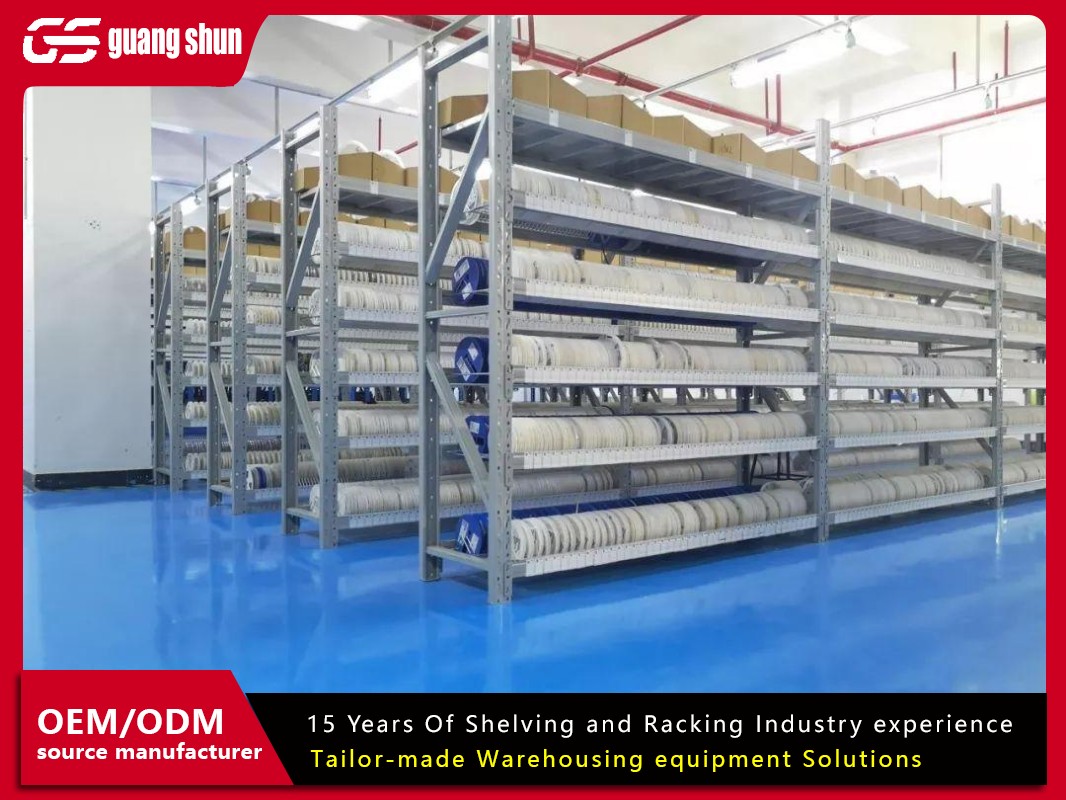
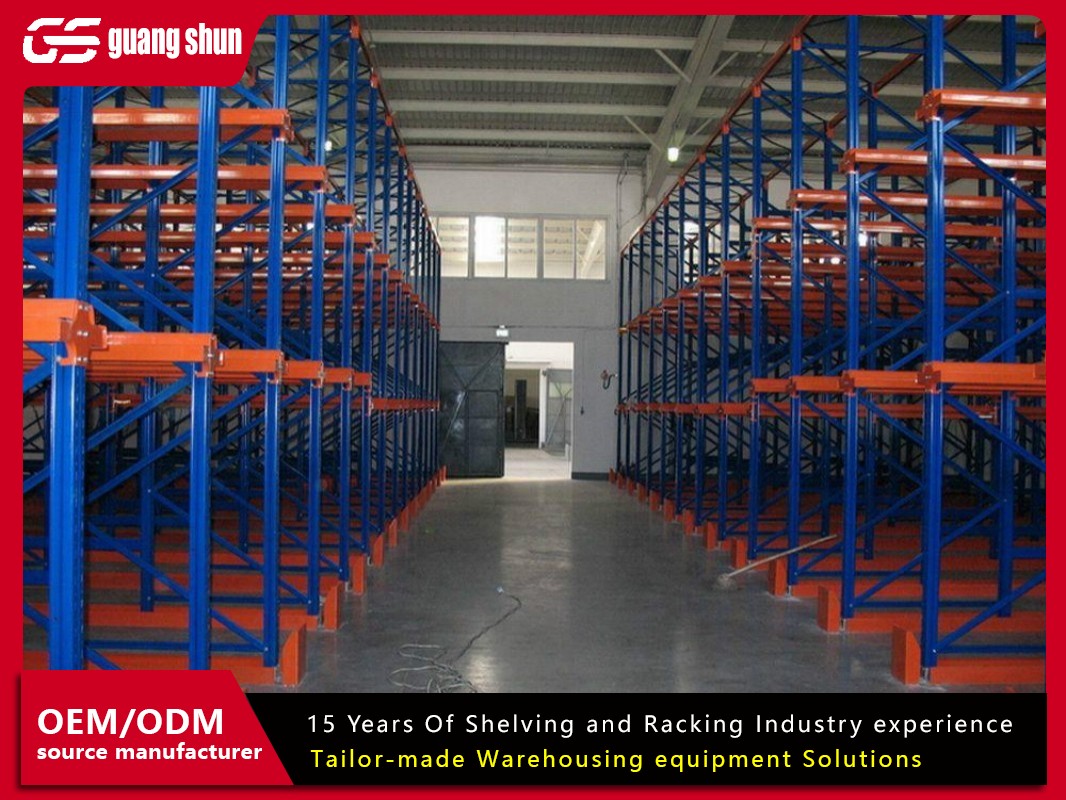
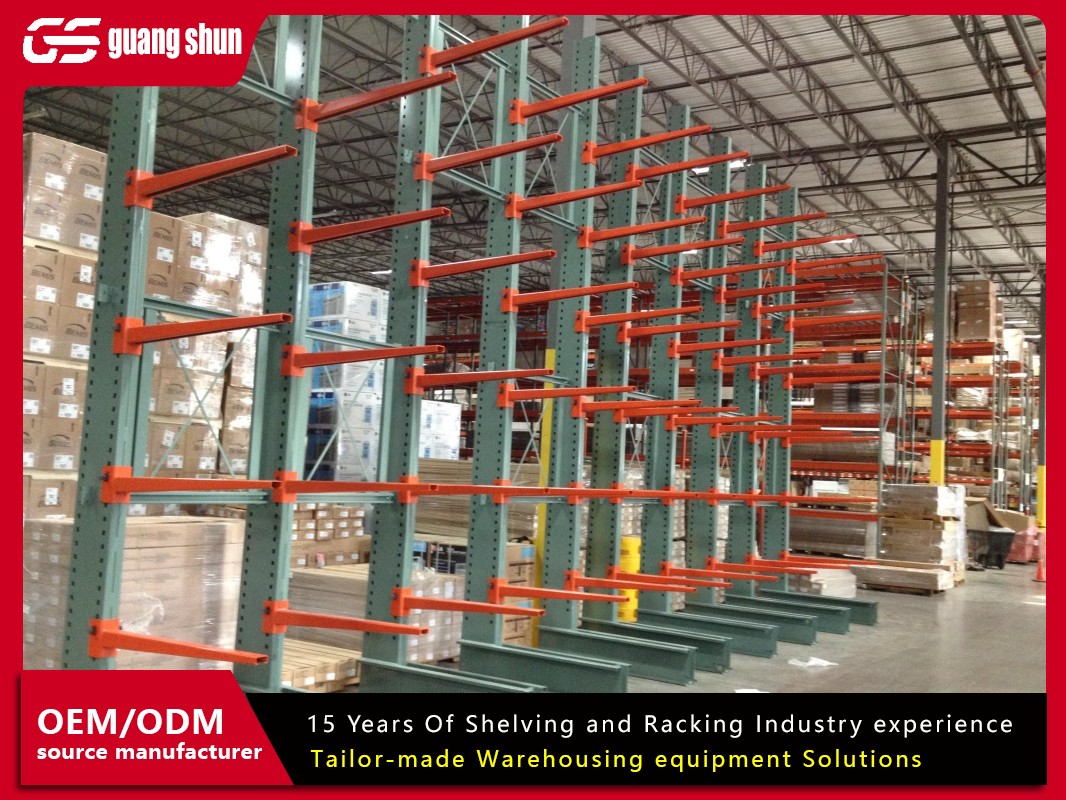
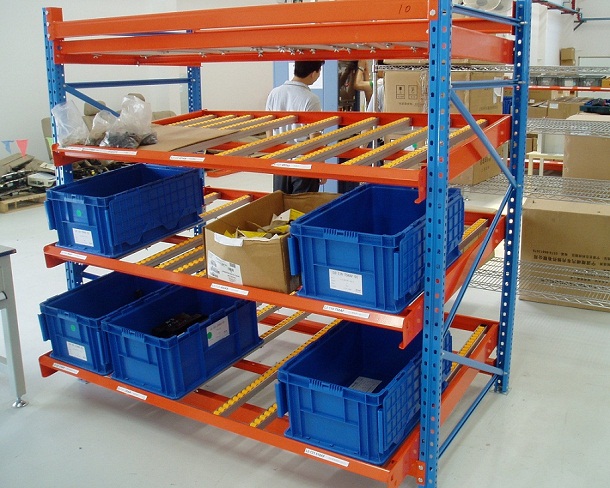
There are several types of heavy duty industrial shelving, each suited to specific applications. Boltless shelving is popular for its easy assembly. It uses clip-in beams, so no tools are needed. This type is ideal for quick setups and reconfigurations. Pallet racking is another variant, designed for storing palletized loads. It’s common in warehouses and works well with forklifts. Cantilever shelving features arms extending from a central column. It’s perfect for long items like pipes or lumber. For smaller parts, consider bin shelving. This heavy duty industrial shelving includes bins or drawers for organized storage of components.
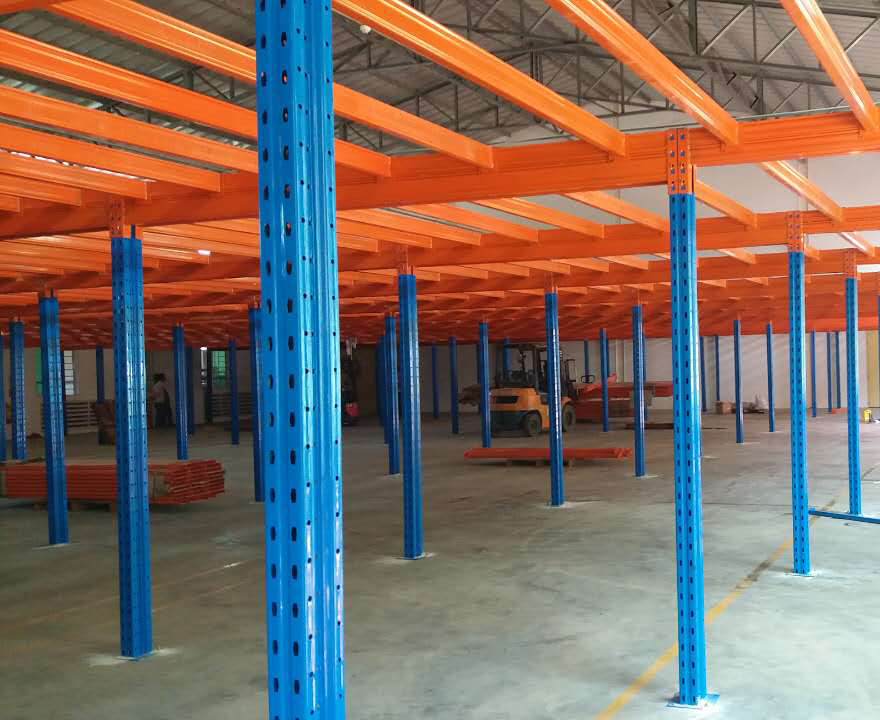
Mezzanine shelving adds a second level, doubling your storage space. It’s great for facilities with high ceilings. Mobile shelving systems save floor area by rolling on tracks. They consolidate aisles when not in use. Wire shelving offers visibility and airflow, useful in clean environments. When choosing a type, assess your inventory and space. Heavy duty industrial shelving should align with your operational needs. Mixing types can optimize storage across different departments. Always prioritize safety and load requirements. With the right selection, heavy duty industrial shelving can transform chaotic storage into an orderly system.
How to Choose the Right Heavy Duty Industrial Shelving
Selecting heavy duty industrial shelving starts with assessing your needs. List the items you’ll store, noting their weight and dimensions. Calculate the total load to determine required capacity. Measure your available space, including ceiling height. This helps decide between single-tier or multi-level shelving. Consider frequency of access. If items are retrieved often, opt for open, accessible designs. For long-term storage, enclosed heavy duty industrial shelving might be better. Budget is a factor too. While cost-effective options exist, don’t compromise on safety. Invest in quality that lasts.
Think about future growth. Choose modular heavy duty industrial shelving that can expand with your business. Check compatibility with existing equipment, like forklifts or conveyors. Read reviews or consult experts for recommendations. Visit showrooms if possible to see units in person. When evaluating products, compare warranties and support services. Installation requirements matter as well. Some heavy duty industrial shelving needs professional setup, while others are DIY-friendly. Finally, consider environmental factors. If your facility is dusty or humid, pick corrosion-resistant finishes. By taking these steps, you’ll find heavy duty industrial shelving that fits perfectly.
Installation Tips for Heavy Duty Industrial Shelving
Proper installation is critical for safety and performance. Start by preparing the site. Clear the area and ensure the floor is level. Uneven surfaces can cause instability. Follow the manufacturer’s instructions closely. If assembling boltless heavy duty industrial shelving, check that all clips are secure. Use anchor bolts to attach units to walls or floors, especially in earthquake-prone regions. This prevents tipping. When installing multiple units, leave adequate aisles for movement and equipment access. Overcrowding can lead to accidents.
Work with a team for large installations. Heavy duty industrial shelving components can be bulky, so lift safely. Use tools like wrenches and levels to ensure accuracy. Double-check alignments before final tightening. After assembly, test the shelves with a gradual load. Add weight incrementally to confirm stability. Regularly inspect connections over time. Loose bolts or beams should be tightened immediately. For complex setups, consider hiring professionals. They can ensure compliance with safety standards. Proper installation of heavy duty industrial shelving maximizes its lifespan and functionality. Don’t rush this step; precision pays off.
Maintenance and Safety for Heavy Duty Industrial Shelving
Routine maintenance keeps heavy duty industrial shelving in top shape. Inspect shelves monthly for signs of damage, like bends or rust. Clean them regularly to prevent dirt buildup, which can weaken structures. Avoid overloading shelves beyond their rated capacity. Distribute weight evenly to prevent stress points. If you notice any issues, address them promptly. Repair or replace damaged components immediately. Lubricate moving parts, such as in mobile shelving, to ensure smooth operation. For heavy duty industrial shelving in humid areas, check for corrosion more often.
Safety is paramount. Train staff on proper use of heavy duty industrial shelving. Emphasize load limits and safe retrieval practices. Use protective gear when handling heavy items. Install warning signs for weight capacities. Keep aisles clear to prevent trips and falls. In seismic zones, secure shelves with additional bracing. Implement a reporting system for any hazards. Regular audits can identify risks early. By maintaining your heavy duty industrial shelving, you extend its life and protect your workforce. A proactive approach reduces downtime and costs.
Cost Considerations for Heavy Duty Industrial Shelving
The price of heavy duty industrial shelving varies based on factors like material, size, and features. Basic units may be affordable, but high-capacity systems cost more. Consider long-term value rather than just upfront cost. Durable heavy duty industrial shelving saves money by reducing replacements. Look for energy-efficient options if lighting is integrated. Bulk purchases often come with discounts. Compare prices from different suppliers, but avoid sacrificing quality. Hidden costs include installation, maintenance, and potential upgrades. Factor these into your budget.
Leasing or financing might be options for tight budgets. Some companies offer rental programs for heavy duty industrial shelving. This can be useful for short-term projects. Assess total cost of ownership, including repairs and energy use. Investing in versatile shelving can adapt to future needs, avoiding extra purchases. Read contracts carefully for warranties and return policies. By planning financially, you can acquire reliable heavy duty industrial shelving without overspending. It’s an investment that pays off through improved efficiency and safety.
Environmental Impact of Heavy Duty Industrial Shelving
Heavy duty industrial shelving can be eco-friendly if chosen wisely. Look for products made from recycled materials. Steel shelving is often recyclable at end-of-life. This reduces landfill waste. Opt for manufacturers with sustainable practices, like energy-efficient production. Durable heavy duty industrial shelving minimizes resource consumption by lasting longer. Some coatings are low-VOC, improving indoor air quality. Consider shelving that promotes efficient space use, reducing the need for larger facilities and lowering energy usage.
Proper disposal is important. When replacing old heavy duty industrial shelving, recycle components whenever possible. Donate usable units to other businesses or charities. By selecting environmentally responsible options, you contribute to sustainability. This aligns with green initiatives and can enhance your brand image. Heavy duty industrial shelving doesn’t have to harm the planet. With careful choices, it can support both your operations and environmental goals.
FAQs About Heavy Duty Industrial Shelving
Q1: What is the typical weight capacity of heavy duty industrial shelving?
A1: Weight capacity varies by model and design. Generally, heavy duty industrial shelving can support from 500 to 5,000 pounds per shelf. Always check the manufacturer’s specifications for exact ratings and avoid exceeding them to ensure safety.
Q2: How do I determine the right size of heavy duty industrial shelving for my space?
A2: Measure your available floor area and ceiling height. Consider the dimensions of items you’ll store. Choose shelving units that fit comfortably, allowing for aisles and equipment access. Modular heavy duty industrial shelving can be customized to fit odd spaces.
Q3: Can heavy duty industrial shelving be used outdoors?
A3: Yes, but only if it’s specifically designed for outdoor use. Look for heavy duty industrial shelving with weather-resistant coatings, such as galvanized steel, to prevent rust and corrosion from exposure to elements.
Q4: How often should I inspect and maintain heavy duty industrial shelving?
A4: Perform visual inspections monthly and thorough checks annually. After any impact or overload, inspect immediately. Regular maintenance includes cleaning, tightening bolts, and checking for damage to extend the life of your heavy duty industrial shelving.
Q5: Is it difficult to assemble heavy duty industrial shelving on my own?
A5: It depends on the type. Boltless heavy duty industrial shelving is often easy to assemble with basic tools. For larger or complex systems, professional installation is recommended to ensure stability and safety. Always follow the provided instructions.