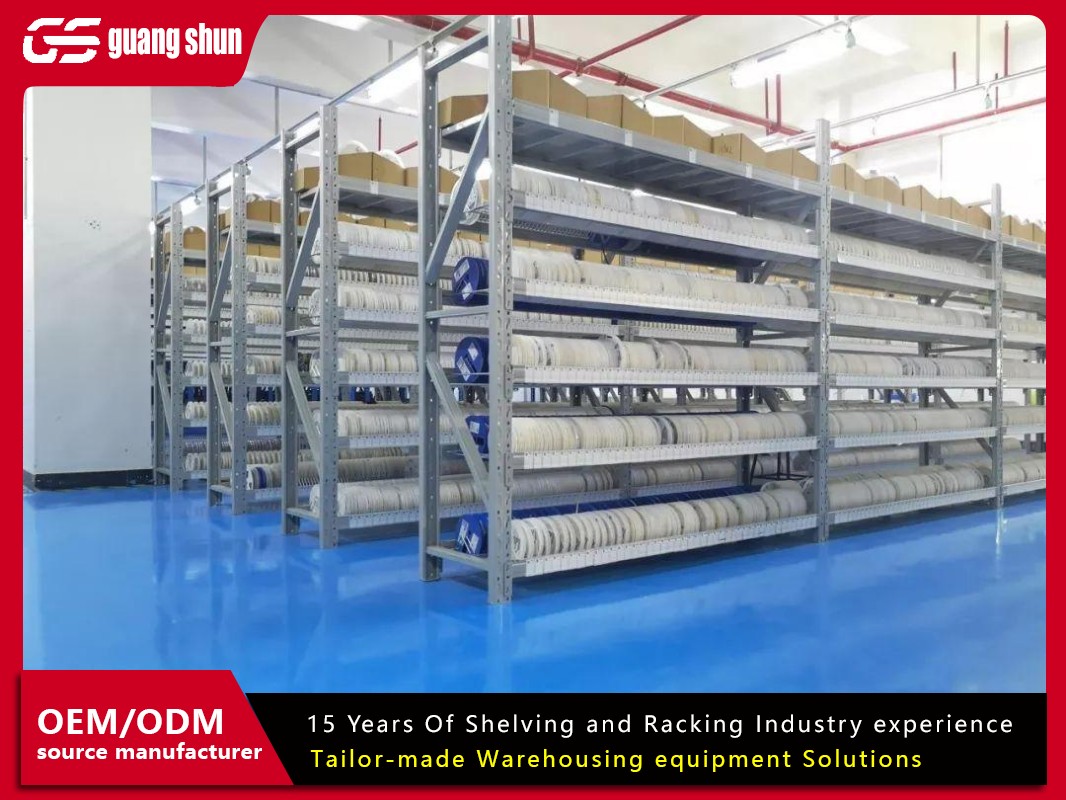
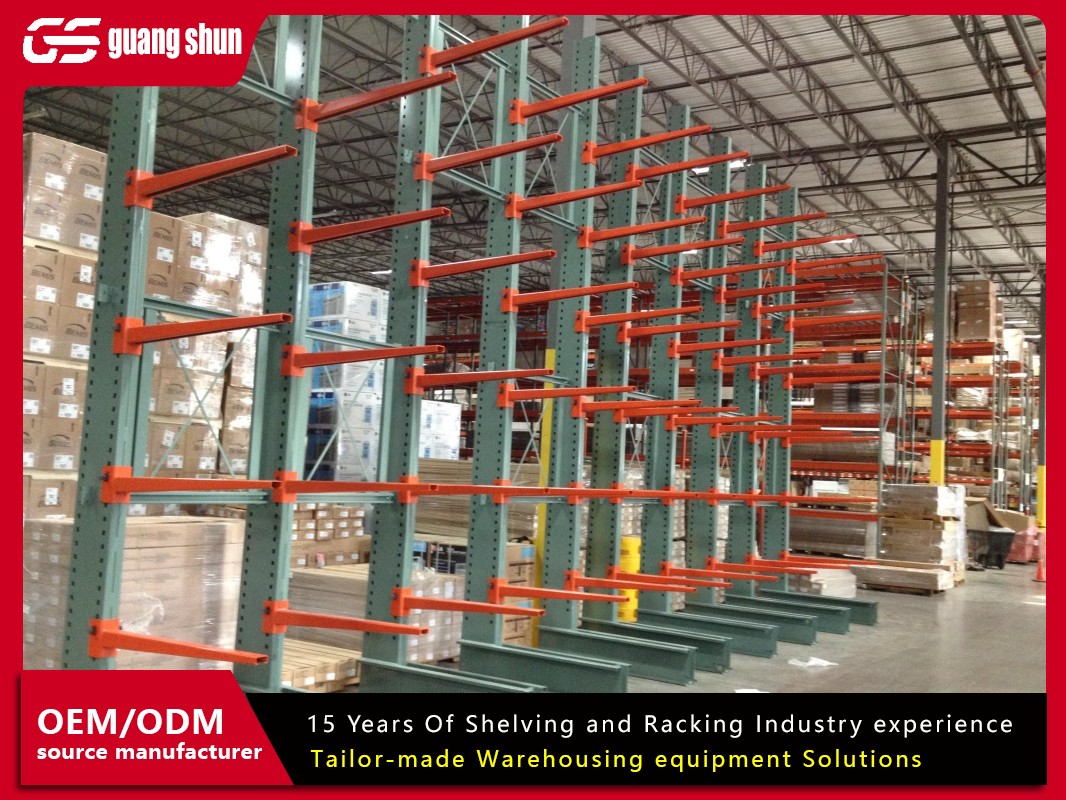
Your storage area is a mess. Boxes are stacked precariously. Finding anything takes forever. That flimsy rack in the corner is starting to bend.
You know you need a real solution. You need strength, durability, and organization that lasts.
That solution is heavy duty steel shelving. But not all steel shelving is created equal. Walking into a purchase without the right knowledge can lead to costly mistakes—from underperforming units to safety hazards.
Let’s cut through the noise. Here are the ten most critical factors you must evaluate before investing in a heavy duty storage system. This isn't just about buying shelves; it's about building a backbone for your operations.
What Exactly is Heavy Duty Steel Shelving?
First, let's define our terms. When we say heavy duty steel shelving, we’re talking about a class of storage built from cold-rolled or structural-grade steel. It's designed for substantial, sustained weight—far beyond what you’d put on a closet shelf.
Think warehouse pallet storage, industrial parts, bulk automotive supplies, or archive boxes filled with paper. This is the industrial steel shelving you see supporting thousands of pounds, year after year.
Core Distinction: Steel Shelving vs. Wire Shelving
This is a crucial first decision. People often confuse heavy duty steel shelving with heavy duty wire shelving. They serve different masters.
Heavy duty wire shelving offers excellent airflow and visibility, perfect for kitchens or storing items that need ventilation. It’s great for uniformly shaped loads.
Heavy duty steel shelving, particularly with solid decking, is the brute. It’s for uneven, ultra-dense, or small-item storage where containment and maximum load-bearing are key. A solid steel shelf won't let a bolt or a small tool fall through. It distributes weight across its entire surface.
Factor 1: Understand the Load Capacity (The Non-Negotiable)
This is your starting point. Capacity is always listed as per shelf. You’ll see ratings like 1,000 lbs, 2,500 lbs, or more.
Here’s the critical rule: Never plan to load a shelf to its exact rated capacity. Always have a buffer—aim to use only 70-80% of the listed weight. This accounts for uneven loading, dynamic forces (like placing items down), and long-term metal fatigue.
Calculate the weight of your heaviest single item category per shelf.
Factor 2: Decode the Steel Gauge and Type
Thickness matters. Steel gauge works inversely: a lower number means thicker, stronger steel. For true heavy duty shelving, look for posts and beams in the 12-gauge to 7-gauge range.
Also, ask about the steel type. Cold-rolled steel is stronger and has a better finish than hot-rolled. It’s more common in higher-end commercial steel shelving.
Factor 3: The Shelf Deck: Your Storage Surface
This is where you customize for your items.
- Particle Board (MDF) Decking: Common, cost-effective. Good for boxes and evenly distributed weight. It can warp if wet.
- Steel Plate Decking: The pinnacle of heavy duty steel shelving. Handles point loads (like machinery parts), liquids, and extreme weight. Used in automotive and manufacturing.
- Wire Grid Decking: A hybrid; a steel frame with a wire mesh. Offers some containment with airflow.
Factor 4: Upright Design and Beam Connection
The upright frames are the legs of your system. Look for robust, box-shaped columns or reinforced “teardrop” designs. The connection between the beam (the arm that holds the shelf) and the upright is vital.
A bolt-together system is the gold standard for the heaviest loads. It uses pins, bolts, and locking clips for an immovable connection. Snap-in or clip-style beams are faster to assemble but typically suit lighter-duty applications.
Factor 5: Adjustability and Future-Proofing
Your needs will change. A quality industrial shelving system allows you to move shelves up or down in small increments (usually 1-inch or 2-inch). This lets you accommodate items of various heights.
Check how easy it is to re-adjust shelves once the unit is loaded. Some designs require partial disassembly.
Factor 6: Size and Configuration: Fitting Your Space
Measure your space meticulously. Consider width, depth, and overall height. Leave ample aisle space for access and safety.
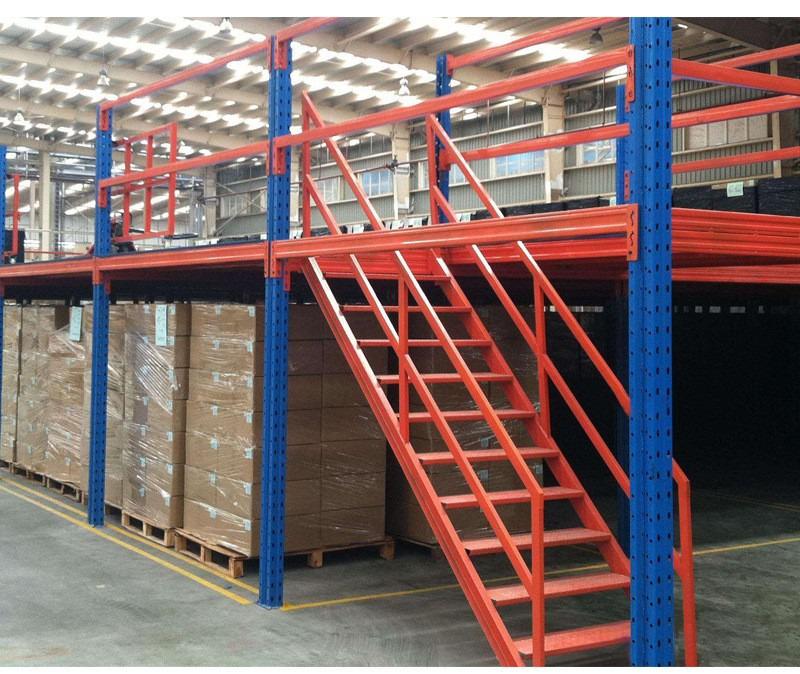
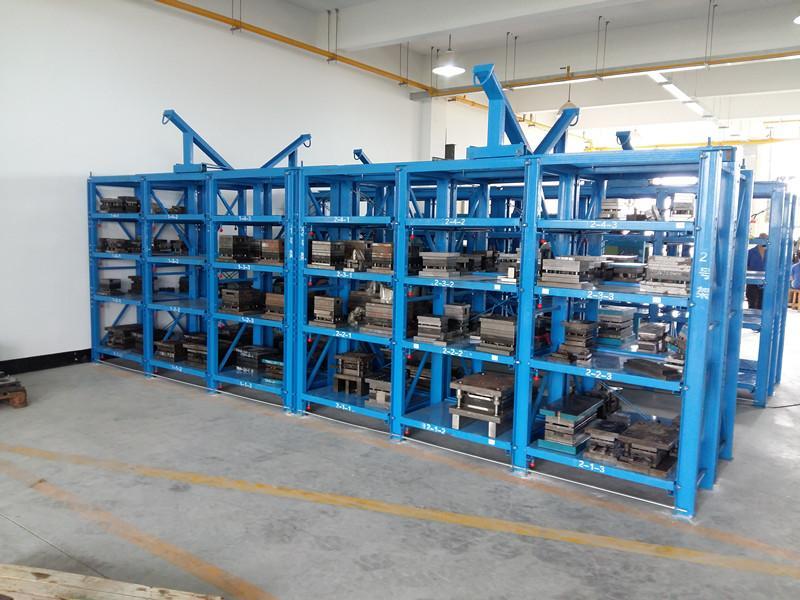
Heavy duty steel shelving is often sold as modular components: upright frames, beams, and decks. You can create single bays, long rows, or even multi-level mezzanines. Think about your floor plan.
Factor 7: The Importance of a Quality Finish
Raw steel will rust. A proper finish protects your investment.
- Powder Coating: An electrostatic paint applied and baked on. Highly durable, resistant to chipping and corrosion. Available in many colors (gray, blue, red are common).
- Epoxy Coating: A good, lower-cost alternative for dry indoor environments.
- Galvanization: A zinc coating that provides superior rust resistance, ideal for damp warehouses or unheated garages.
Factor 8: Assembly, Stability, and Safety
This is serious furniture. Assembly is a two-person job. All hardware should be included. Clear instructions are a must.
For ultimate stability, especially for very tall units, anchor the shelving to the wall or floor. This prevents tipping and is a critical safety step, particularly in earthquake zones or busy workplaces.
Factor 9: Total Cost of Ownership (Not Just Price Tag)
The cheapest option is often the most expensive in the long run. Consider:
- Initial Purchase Price
- Freight/Shipping Costs (these units are heavy)
- Longevity: A properly gauged, well-finished unit lasts decades.
- Safety Cost: Failure of a overloaded, cheap shelf can cause injury and product loss.
Factor 10: Matching the Shelving to Your Specific Application
Where will this heavy duty steel shelving live?
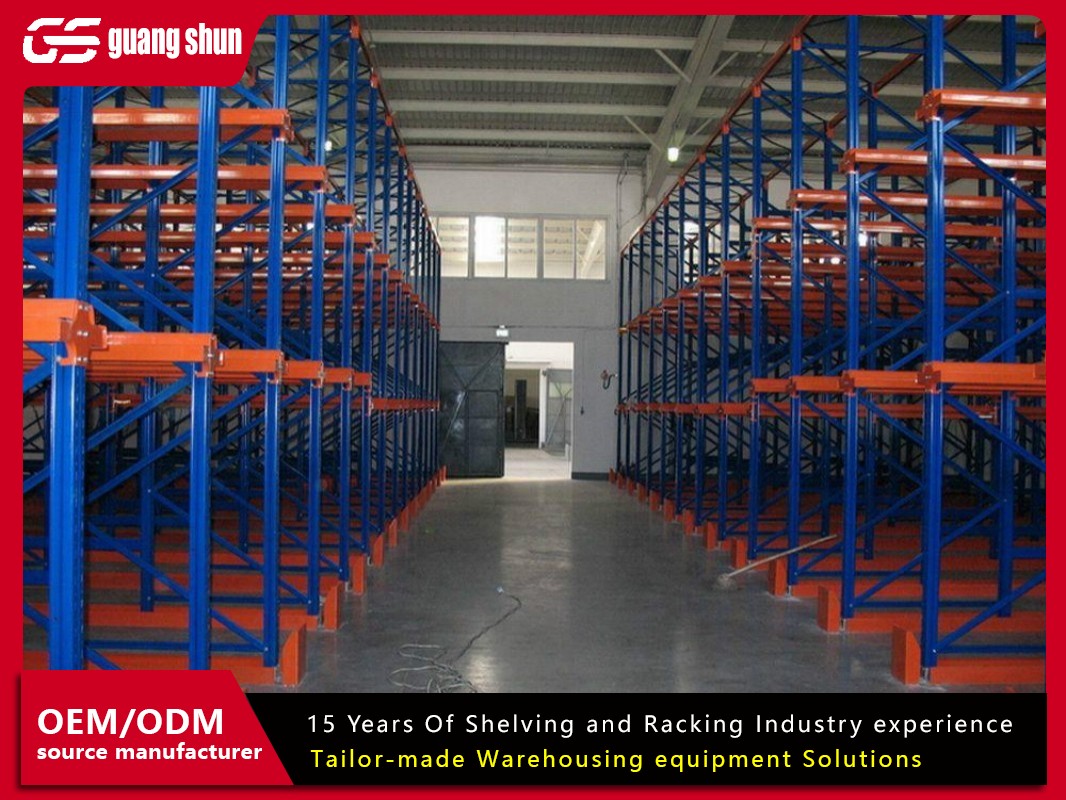
- Warehouse Pallet Storage: Requires beam-style steel pallet racking, a close cousin, designed for forklift access.
- Automotive Shop: Needs steel plate decks for oily, heavy engine parts and tools.
- Document Archive: Uses particle board decks for uniform box storage, with careful attention to load limits per shelf.
- Retail Stockroom: Benefits from adjustable shelves for mixed product sizes.
Final Walkthrough Before You Order
Double-check your load calculations. Confirm the steel gauge and deck type. Visualize the assembly and anchoring process. Ensure the dimensions work on your floor plan with proper clearance.
Choosing the right heavy duty steel shelving is an investment in efficiency, safety, and peace of mind. By methodically working through these ten factors, you’ll secure a storage system that won’t just hold your items—it will hold up your business.
Frequently Asked Questions (FAQ)
Q1: What's the real difference between "bolt-together" and "rivet" or "clip-style" steel shelving?
A1: Bolt-together heavy duty steel shelving uses separate bolts, pins, and clips to physically lock the beams into the upright frames. This creates the strongest, most rigid connection for extreme loads. Rivet or clip-style systems have pre-attached tabs that snap into holes; they are faster to assemble but generally have lower weight ratings and can be less rigid over time.
Q2: Can I mix and match shelf deck types on the same unit?
A2: Absolutely. This is a smart way to customize your industrial steel shelving. You might have a steel plate deck on the bottom for heavy motors, particle board in the middle for boxes, and a wire deck on top for lighter, bulkier items. Just ensure all decks are compatible with your beam system.
Q3: How do I properly anchor my heavy duty shelving to a concrete floor?
A3: You will need a hammer drill, concrete anchor sleeves (like wedge anchors or sleeve anchors), and a wrench. Drill holes through the base plate of the upright into the concrete, insert the anchor, and tighten. This prevents any forward tipping and is crucial for safety in active environments.
Q4: Is there a risk of overloading my shelving even if I stay under the "per shelf" capacity?
A4: Yes. You must also consider the total unit capacity. A shelf might hold 2,000 lbs, but the entire frame might be rated for 8,000 lbs. If you have five shelves, maxing out each one would put 10,000 lbs on a frame rated for 8,000 lbs, which is unsafe. Always check both ratings.
Q5: Can I add casters to heavy duty steel shelving to make it mobile?
A5: You can, but with major caveats. You must use industrial-grade casters rated for the shelving's fully loaded weight. Adding casters significantly changes the structure's dynamics and lowers its static load capacity. It also raises the center of gravity, so mobility must be slow and cautious. It's often better to purchase a unit specifically designed as mobile heavy duty storage.