Every warehouse, workshop, or factory reaches a point where the clutter becomes a problem. Boxes pile up, tools go missing, and floor space vanishes. This chaos isn't just frustrating—it costs time and money. The solution often lies in a fundamental piece of equipment: industrial storage shelves.
Selecting the right shelving system is a critical decision. Get it wrong, and you face inefficiency, safety risks, and wasted investment. Get it right, and you transform your operations. This article breaks down everything you need to know about industrial storage shelves. We’ll look at the different types, key features, and how to match them to your specific needs. Let's find the perfect storage backbone for your workspace.
What Are Industrial Storage Shelves?
Industrial storage shelves are heavy-duty shelving units designed for commercial and industrial environments. They are built to store substantial weight and withstand demanding conditions. You won't find these in a home garage. They are constructed from robust materials like steel and often feature boltless designs for easy assembly.
The core purpose of industrial storage shelves is to maximize vertical space. They turn empty wall space and crowded floors into organized, accessible storage. Common items stored include raw materials, tools, parts inventory, finished goods, and packaging supplies. In short, they bring order to industrial-scale storage challenges.
Unlike retail shelving, these systems prioritize load capacity and durability over display. They form the unsung heroes of logistics centers, manufacturing plants, and auto repair shops worldwide.
Key Benefits of Installing Industrial Storage Shelves
Why invest in a proper shelving system? The advantages go far beyond simple organization.
First, they dramatically improve space utilization. By going vertical, you free up valuable floor space for production, assembly, or other equipment. This can delay or eliminate the need for a costly facility expansion.
Safety is a major benefit. Storing heavy items securely on industrial storage shelves prevents piles from collapsing. It reduces tripping hazards and creates clear, navigable aisles. A safer workplace often means lower insurance costs and fewer accidents.
Efficiency sees an immediate boost. Workers spend less time searching for items. Inventory control becomes simpler, reducing loss and shrinkage. With everything in a designated spot, order picking and stocktaking are faster and more accurate.
Finally, durability means long-term value. High-quality industrial storage shelves last for decades with minimal maintenance. They represent a capital investment that pays off daily through smoother operations.
Common Types of Industrial Storage Shelves
Not all shelving is the same. The right choice depends entirely on what you’re storing. Here are the most common types of industrial storage shelves you’ll encounter.
Boltless Shelving (or Rivet Shelving)
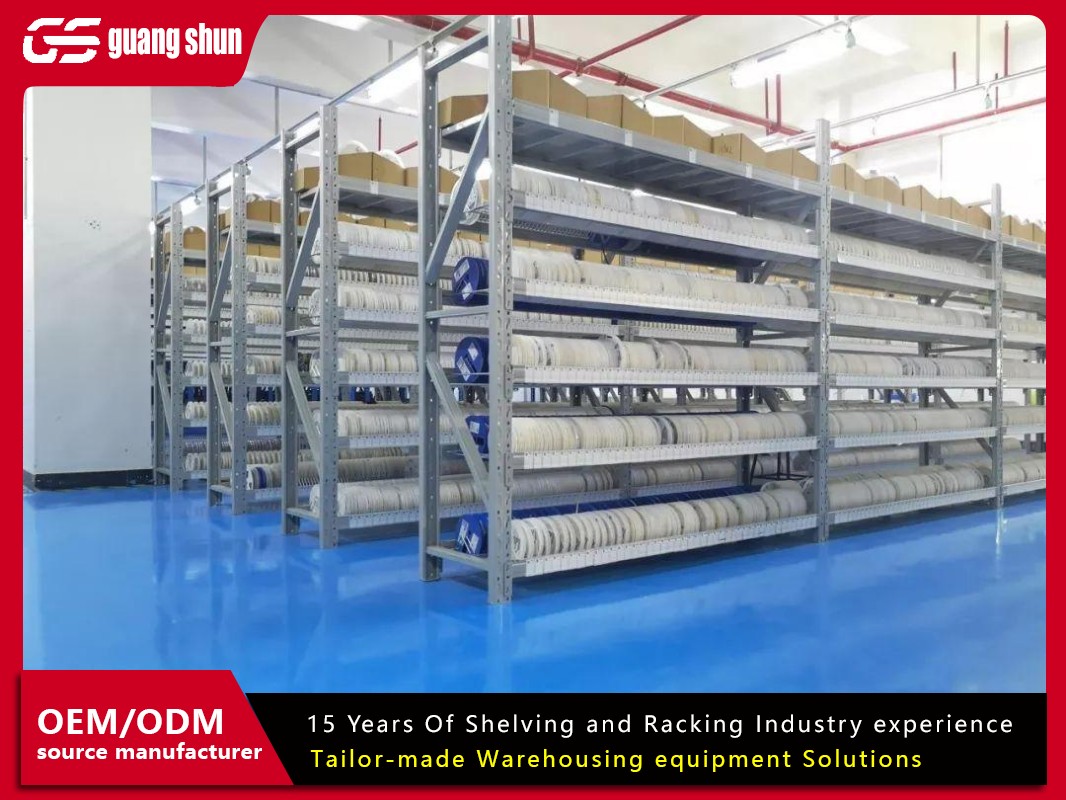
This is the most versatile and popular type. Beams clip into upright frames using rivets or tabs, requiring no bolts or tools for assembly. Boltless industrial shelving is adjustable, strong, and perfect for a wide range of items from boxes to medium-weight parts. It’s the go-to choice for general warehouse storage.
Pallet Racking
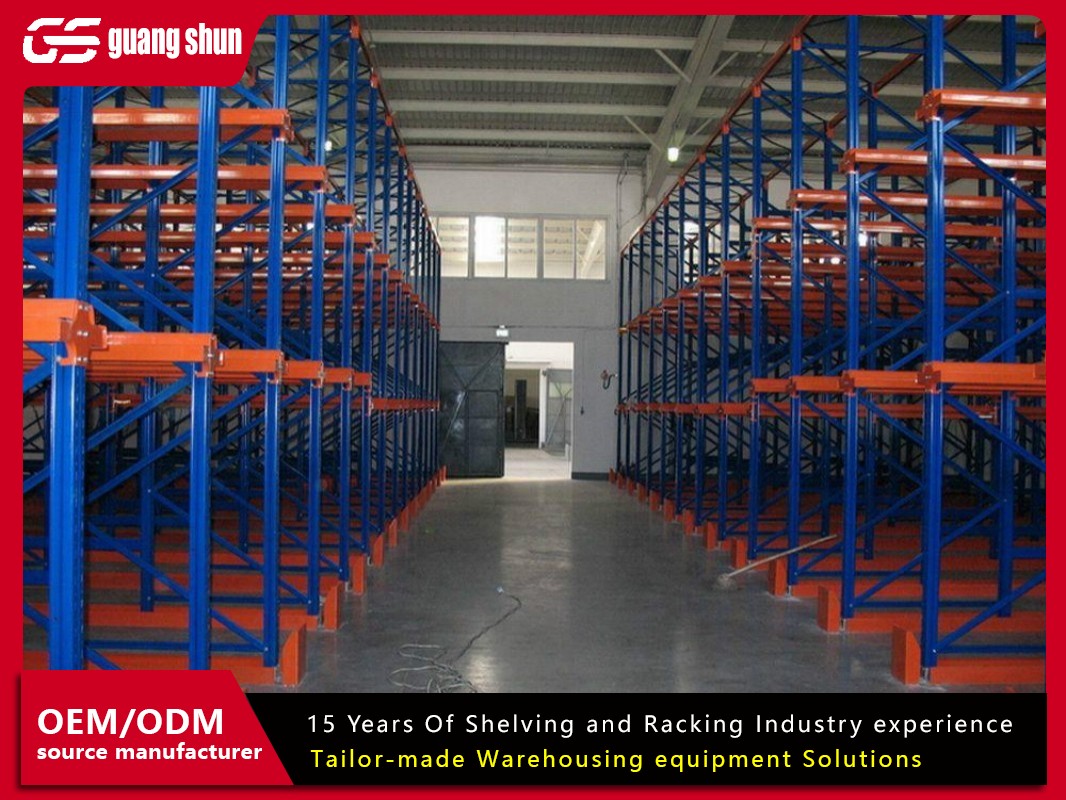
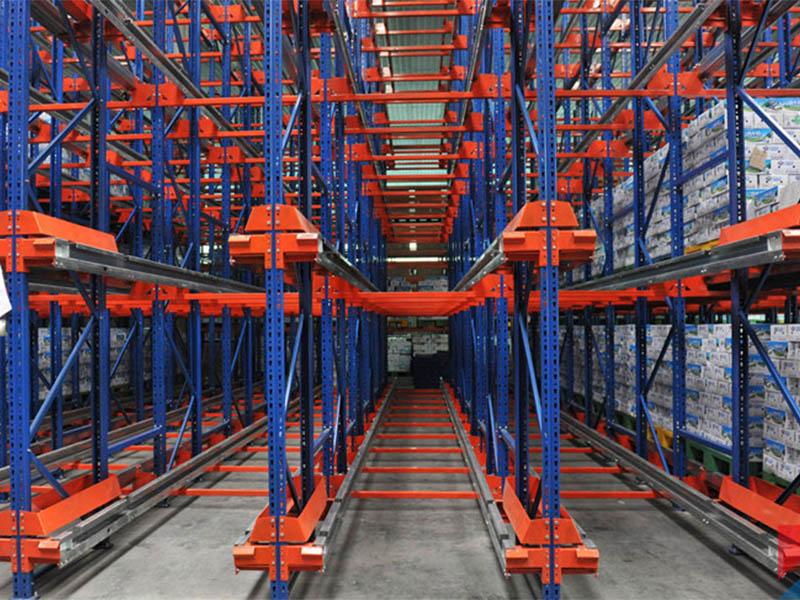
Designed specifically for storing palletized loads. This system uses horizontal beams to support pallets, which are typically accessed by forklifts. There are many subtypes (selective, drive-in, push-back), each optimizing different aspects of density and accessibility. This is for bulk, heavy pallet storage.
Cantilever Shelving
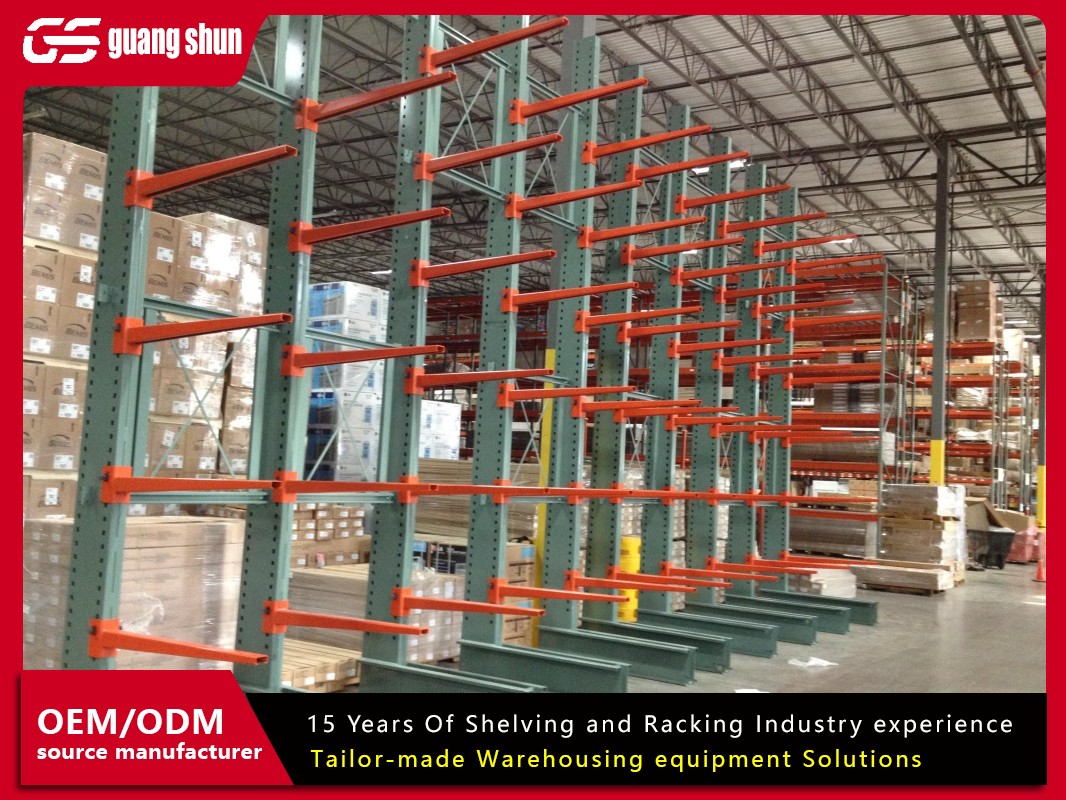
Features long arms that extend from a central column. This design is ideal for storing long, awkward items like pipes, lumber, molding, or furniture. The open front provides completely unobstructed access to the entire length of the stored material.
Wire Shelving
Constructed from welded wire mesh. These industrial storage shelves offer excellent visibility and airflow. They are easy to clean and are often used in environments where sanitation or dust control is important, like food processing or pharmaceutical settings.
Mezzanine Shelving
This system incorporates a raised platform (a mezzanine) with shelving on top and sometimes underneath. It effectively creates a second floor for storage, doubling your capacity without increasing your facility's footprint.
Essential Features to Consider Before You Buy
Shopping for industrial storage shelves involves more than just picking a type. Pay close attention to these specifications.
Load Capacity
This is the most critical number. Capacity is usually listed as “per shelf” and “per bay.” Always calculate the total weight you plan to store on each level, and add a safety margin. Never exceed the manufacturer’s rated capacity.
Dimensions and Adjustability
Measure your space and your items. Consider the shelf depth, width, and height between shelves. Adjustable shelving offers future flexibility as your inventory changes. Check the incremental adjustability—some systems allow changes every inch or two.
Material and Finish
Most industrial storage shelves are made from steel. The gauge (thickness) of the steel matters; a lower gauge number indicates thicker, stronger metal. A good powder-coat or enamel finish resists rust, chipping, and scratches, which is vital in harsh environments.
Safety and Stability
Look for features like integral safety locks on beam connections. Ensure the design includes options for anchoring the unit to the floor, especially in seismic zones or for very tall installations. Cross-bracing adds significant rigidity.
Accessibility
Will you need forklift access? Are items picked manually? Open designs allow for quick grabbing, while shelves with solid decking or wire grids prevent small items from falling through.
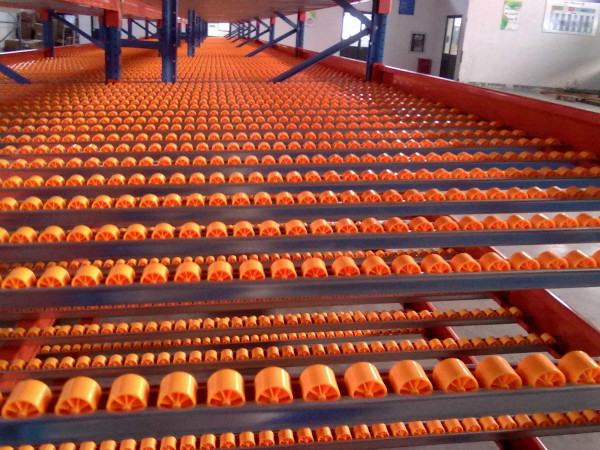
Matching Shelving to Your Specific Industry
The best industrial storage shelves for your business depend on your daily operations.
For Warehousing and Distribution: A mix is common. Use pallet racking for bulk goods in the rear and boltless shelving for smaller, pick-and-pack items in the forward picking area.
For Manufacturing and Assembly: Organization of parts is key. Smaller bin shelving or light-duty boltless industrial storage shelves near assembly lines keep components within reach. Heavier raw materials might be stored on pallet racks.
For Automotive and Repair: Cantilever shelving is perfect for exhaust pipes, metal stock, and long mouldings. Heavy-duty boltless shelves can hold engines, tires, and toolboxes.
For Retail Backrooms: Boltless shelving with solid shelves or wire decks helps manage inventory overflow, promotional materials, and packaging in an organized, accessible way.
Think about workflow. The goal is to place the right type of shelving where it will minimize movement and maximize efficiency for your team.
Installation and Maintenance Best Practices
Proper setup ensures safety and longevity. While many industrial storage shelves are designed for DIY assembly, don't underestimate the task.
Always start with a level, clean floor. An uneven base will compromise the entire structure’s stability. Follow the manufacturer’s instructions meticulously—don't skip steps. For large systems, professional installation is a wise investment.
Use a team to erect the shelves safely. Secure the uprights to the floor using the provided anchor kits, especially for units over 8 feet tall. This prevents tipping. Once assembled, load the shelves gradually and evenly. Avoid placing all the heavy weight on one side.
Maintenance is straightforward but important. Conduct regular visual inspections. Look for any signs of damage: bent beams, cracked welds, or rust spots. Check that beam connectors are fully seated and secure.
Keep shelves clean and promptly clean up any spills. Immediately replace any damaged component; never operate with compromised industrial storage shelves. A simple monthly walk-around can prevent major failures.
Cost Analysis and Budgeting
The price of industrial storage shelves varies widely based on type, capacity, and size. Boltless shelving is generally the most cost-effective entry point. Pallet racking and cantilever systems represent a higher investment due to their specialized heavy-duty construction.
Think in terms of total cost, not just purchase price. Factor in delivery, any required installation labor, and future add-ons. High-quality shelves may cost more upfront but last 20+ years, offering a far better lifetime value than flimsy alternatives.
Consider the cost of not investing. Inefficiency, lost inventory, workplace accidents, and wasted space have real financial impacts. Quality industrial storage shelves provide a clear return on investment through improved productivity and organization.
Many suppliers offer design services to help you plan an efficient layout at no extra charge. Utilizing this service can prevent costly mistakes and ensure you buy exactly what you need.
FAQs About Industrial Storage Shelves
Q1: How much weight can typical industrial storage shelves hold?
A1: Capacity varies greatly. Light-duty boltless shelves may hold 300-800 lbs per shelf. Medium-duty can handle 1,000-2,500 lbs per shelf. Heavy-duty pallet racking can support several thousand pounds per level. Always check the specific load rating for the model you choose.
Q2: Can I reconfigure my shelving later if my needs change?
A2: Yes, most boltless industrial storage shelves are designed for reconfiguration. You can adjust shelf heights, add or remove beams, and even add additional units to create longer runs. This modularity is a key advantage.
Q3: What’s the difference between “boltless” and “welded” shelving?
A3: Boltless shelving uses a tab-and-slot connection system for easy assembly and adjustment. Welded shelving has its frames and beams permanently welded together, offering extreme rigidity for ultra-heavy loads but with no adjustability.
Q4: How tall can industrial shelving units safely be?
A4: For standard boltless shelving, free-standing units up to 15-20 feet are common, provided they are properly anchored. Very tall installations require specific engineering and often must be tied to the building structure. Always follow manufacturer guidelines and local safety regulations.
Q5: Are used industrial storage shelves a good option?
A5: They can be, if inspected carefully. Check for rust, beam deformation, cracked welds, and worn connectors. Ensure all parts are present and that the manufacturer’s load ratings are still valid. Used pallet racking requires particularly careful inspection for forklift damage.