If you are setting up a new warehouse, organizing a maintenance shop, or simply running out of usable storage space, you have likely searched for a robust storage solution. The term heavy duty industrial shelving racks comes up immediately. But what does it really mean, and more importantly, how do you choose the right system without overspending or underbuying?
Selecting the wrong shelving can lead to safety hazards, wasted space, and wasted money. This article breaks down the critical aspects you need to evaluate. We will move beyond basic descriptions and focus on the practical factors that dictate success in an industrial environment.
The goal is to help you make an informed decision that balances capacity, space, and workflow for the long term.
What Exactly Are Heavy Duty Industrial Shelving Racks?
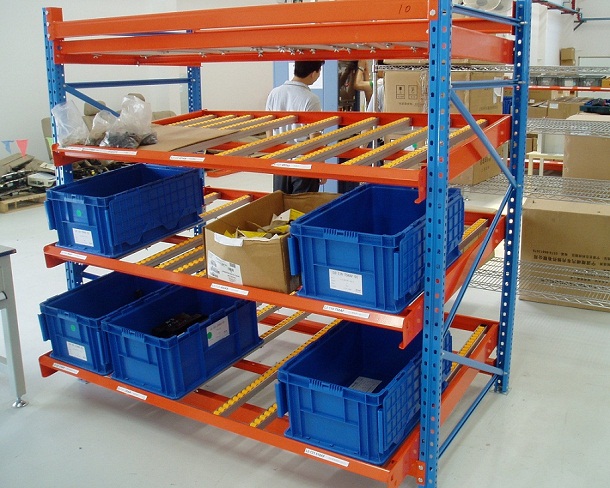
In essence, heavy duty industrial shelving racks are storage structures designed to hold significant weight in demanding environments. They are the backbone of organization in warehouses, manufacturing facilities, automotive shops, and wholesale distributors.
Unlike retail or light-duty shelving, these systems are constructed from thick, cold-rolled or structural steel. They feature reinforced upright frames, robust beams or decks, and secure connection methods. The primary purpose is to safely store palletized loads, heavy parts, bulky tools, and dense inventory.
Think of them as the workhorses of material storage. When you need to store engine blocks, barrels of chemicals, stacked pallets of supplies, or hundreds of boxes of parts, standard shelving will fail. Industrial shelving racks are built for this exact challenge.
Common Types and Their Best Uses
Not all heavy duty shelving is the same. The type you choose should directly reflect what you are storing and how you need to access it.
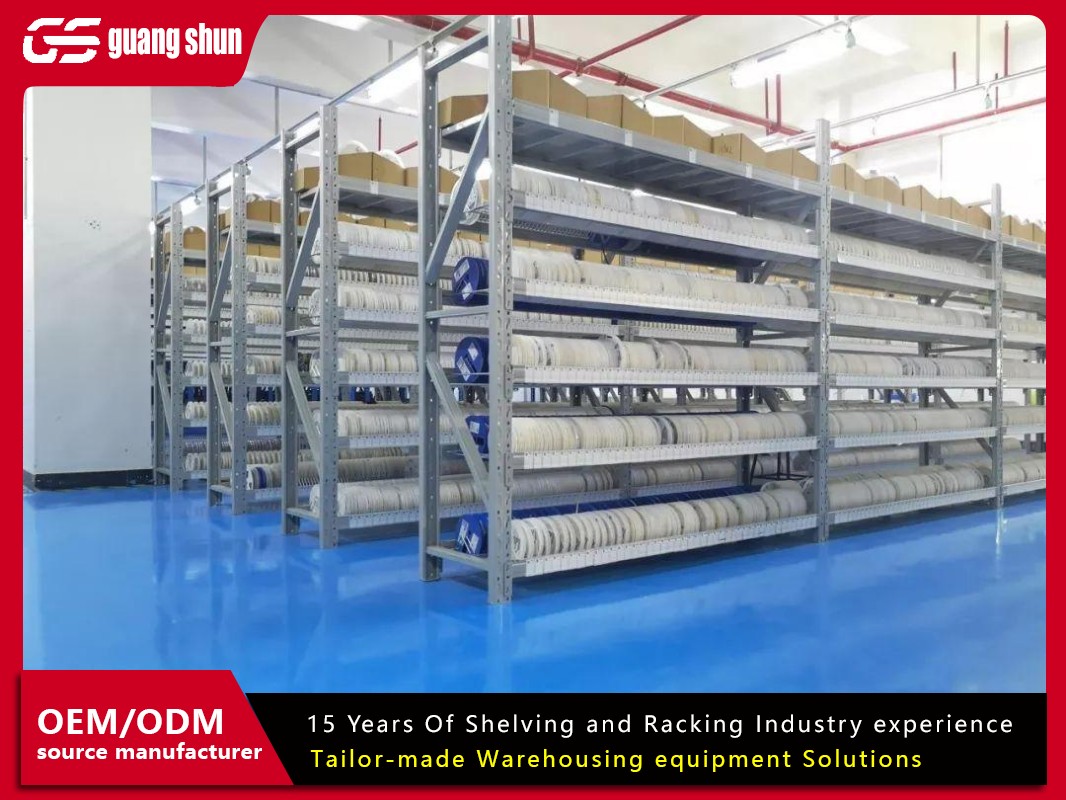
Boltless Shelving (Clip-Style)
This is the most common and versatile type. Beams with integrated clips snap into uprights with precision-punched holes, allowing for tool-free assembly and adjustment. It offers a clean look and excellent flexibility.
Best for: General warehouse storage, boxed goods, medium-weight parts, and environments where shelf heights may need to change frequently.
Structural Steel Shelving
This is the strongest option available. It uses hot-rolled structural C-channel or L-beam frames that are bolted together. Shelves are typically heavy-gauge steel decking or thick particle board supported by these structural beams.
Best for: Extreme loads like metal stock, engine blocks, heavy drums, and any application where maximum weight capacity and permanent, rigid storage are required.
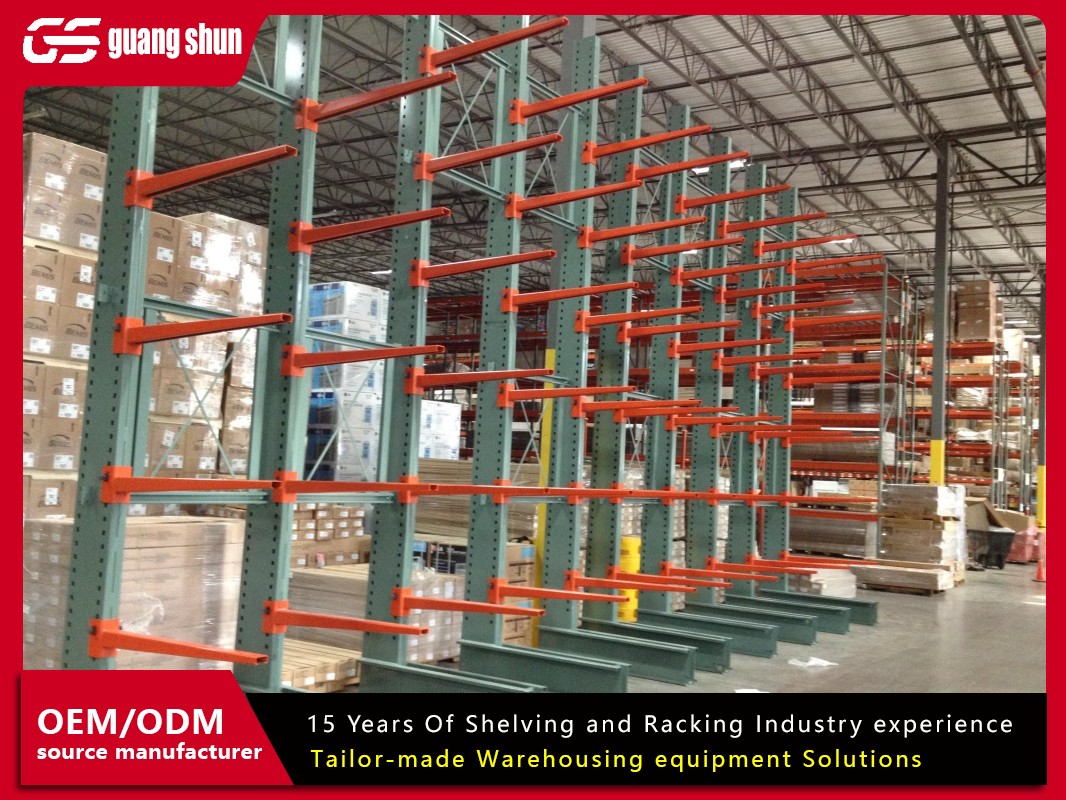
Cantilever Shelving
This system features a central vertical column with arms that extend outward. There are no front posts, allowing for unobstructed side access to long items.
Best for: Storing lumber, piping, bar stock, furniture, rolls of carpet, and other lengthy or bulky materials that are difficult to handle on standard shelving.
Wire Shelving
Constructed from welded heavy-gauge wire grids, this shelving offers superior visibility and airflow. In its industrial-grade form, it supports substantial weight.
Best for: Environments where cleanliness, sanitation, or drying is crucial, such as food & beverage storage, pharmaceutical areas, or parts washing stations.
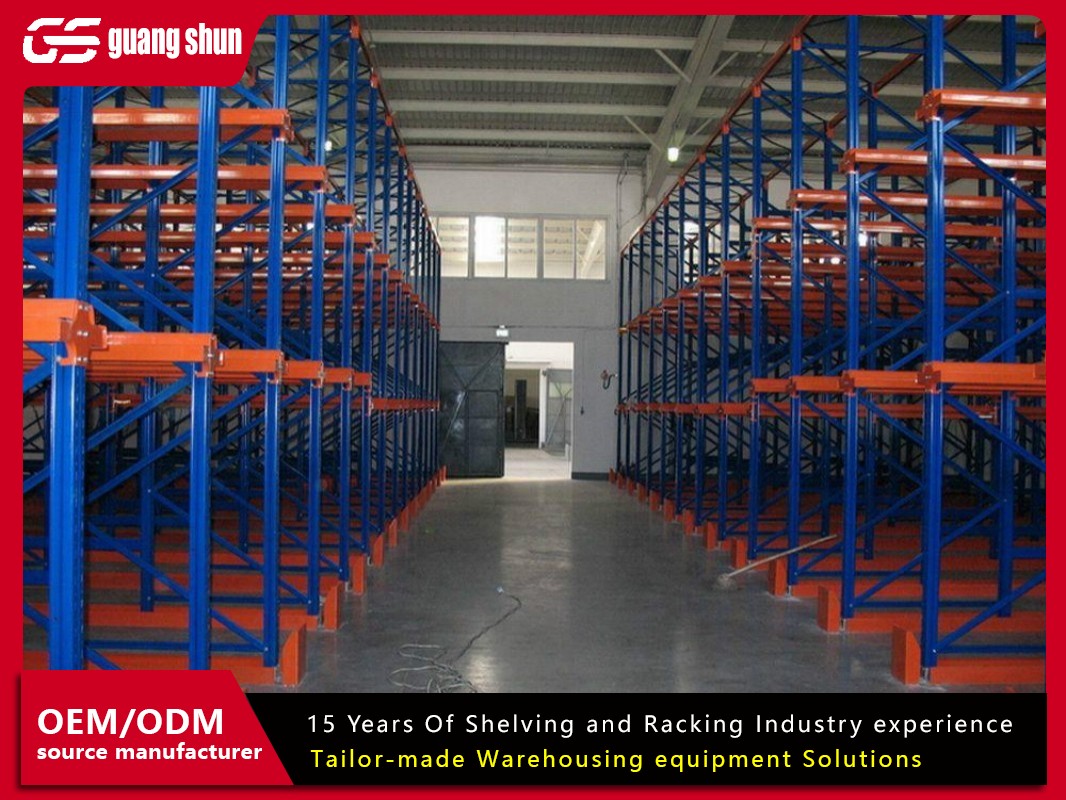
Pallet Racking (As a Comparison)
It's important to distinguish this from shelving. Pallet racking is designed specifically for storing unitized loads on standard pallets, with access primarily by forklift. Heavy duty industrial shelving racks are often used for smaller, hand-stacked items or smaller pallets that might be placed by a pallet jack.
Factor 1: Load Capacity and Your Inventory
This is the most critical starting point. Misjudging capacity is a safety and financial risk.
You must understand two types of load: uniformly distributed load (the total weight spread evenly across the shelf) and concentrated load (the weight of the heaviest single item or point load on the shelf). Your shelving must be rated to exceed both.
Begin by auditing your heaviest items. Weigh them if possible. Estimate the total weight you plan to place on a single shelf. Then, add a safety margin of at least 20-30%. Never, under any circumstances, load a shelf to its absolute maximum published rating. This leaves no room for error or future heavier items.
For industrial storage racks, choosing a system with a higher capacity than you initially think you need is a wise long-term investment.
Factor 2: Dimensions, Layout, and Space Utilization
Measure twice, buy once. This old adage is essential for industrial shelving.
First, measure your inventory. Note the dimensions of your largest, smallest, and most frequently accessed items. This determines the necessary shelf depth and height between shelves.
Next, measure your space. Document the total floor area, ceiling height, and note the location of columns, doors, sprinkler heads, and electrical panels. Your layout must accommodate clear aisles for people and equipment.
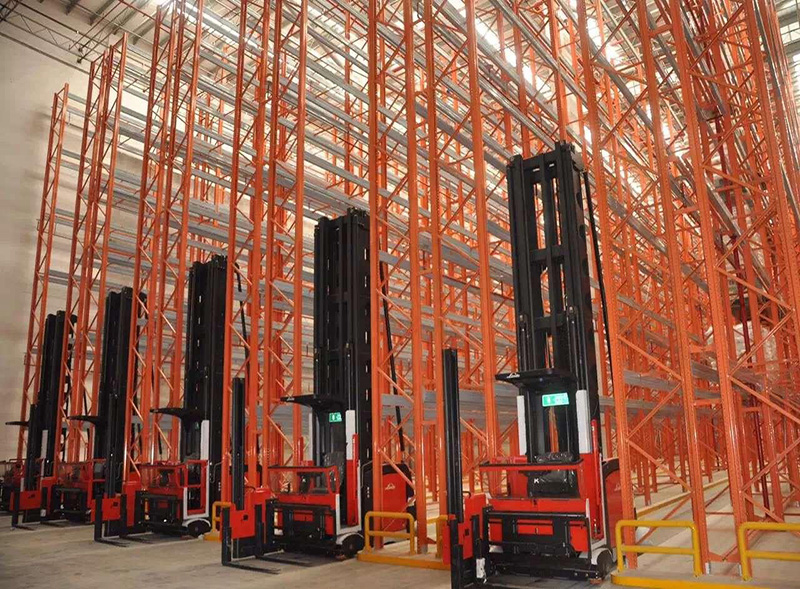
The goal is to maximize your cubic space—using both floor area and vertical height. Taller heavy duty shelving units can free up valuable floor space, but only if your equipment (like order pickers) can safely reach the top shelves.
Factor 3: Material, Durability, and Environment
The environment where the shelving racks will live dictates the required materials and finishes.
For most general warehouses, a standard powder-coat finish on steel is sufficient. It provides good resistance to chipping and corrosion.
For cold storage facilities, humidity-controlled environments, or places where the shelving will be frequently washed down, galvanized steel is necessary. The zinc coating prevents rust formation.
In highly corrosive environments—like certain chemical storage areas, plating shops, or food processing plants where acidic cleaners are used—stainless steel shelving, while more expensive, may be the only viable long-term option.
Factor 4: Access, Workflow, and Safety Features
Storage is not just about holding items; it's about enabling efficient workflow. Consider how items will be placed on and retrieved from the industrial shelving racks.
Will workers access them by hand, requiring narrower aisles? Will they use ladders or rolling staircases? Will a forklift or pallet jack be needed? Aisle width is determined by your chosen access method.
Safety should be integrated. Look for features like column protectors, sturdy safety clips to lock beams in place, and the option for end aisle guard rails. For very tall systems, seismic bracing or mandatory floor anchoring might be required by code.
Factor 5: Assembly, Maintenance, and Long-Term Value
Consider the total cost of ownership, not just the purchase price.
Some boltless shelving racks can be assembled in-house with a crew and rubber mallets, saving on installation costs. Structural shelving almost always requires professional installation due to the weight of components and the need for precise bolting.
Plan for maintenance. All heavy duty industrial shelving should be part of a regular inspection schedule. Look for bent beams, damaged uprights, or loose connections. A simple monthly walk-through can prevent major accidents.
The long-term value comes from durability and adaptability. A slightly more expensive, robust system that lasts 20 years and can be reconfigured is a better investment than a cheaper system that fails in 5 years and needs full replacement.
Frequently Asked Questions (FAQs)
Q1: What's the real difference between "shelving" and "racking" in an industrial context?
A1: The terms are often used loosely, but a key distinction exists. Industrial shelving racks typically refer to systems with solid or wire deck shelves designed for hand-stacked items, bins, or boxes. Pallet racking is a structural system designed specifically to store standard palletized loads, using horizontal beams without solid decks. Some heavy-duty shelving can handle pallets, but racking is engineered for it.
Q2: How high can I safely stack heavy duty industrial shelving?
A2: Safe stacking height depends entirely on the manufacturer's specifications for the specific model and your ceiling clearance. Never exceed the manufacturer's stated maximum height for a freestanding unit. For systems over 15-20 feet, professional engineering review and likely floor anchoring are required to prevent tipping.
Q3: Can I mix and match components from different manufacturers to save money?
A3: No. This is strongly discouraged and often dangerous. Components from different brands are not engineered to work together. Tolerances, steel gauges, and connection mechanisms differ. Mixing systems compromises structural integrity and voids warranties, leading to potential collapse.
Q4: How do I properly calculate the load capacity I need for storing boxes of parts?
A4: First, determine the weight of a single full box. Then, calculate the maximum number of boxes you would place on a single shelf, both side-by-side and front-to-back. Multiply the box weight by the total number. Then, add a 25-30% safety margin. This final number is the minimum uniform load capacity your shelf must have.
Q5: Are used or refurbished heavy duty shelving racks a good option?
A5: They can be a cost-effective option if sourced carefully. However, you must inspect each component thoroughly for damage like bends, cracks, or significant rust. Ensure you are getting all necessary parts and that the system's load ratings are documented. For critical, high-weight applications, new shelving with a full warranty is often the safer choice.