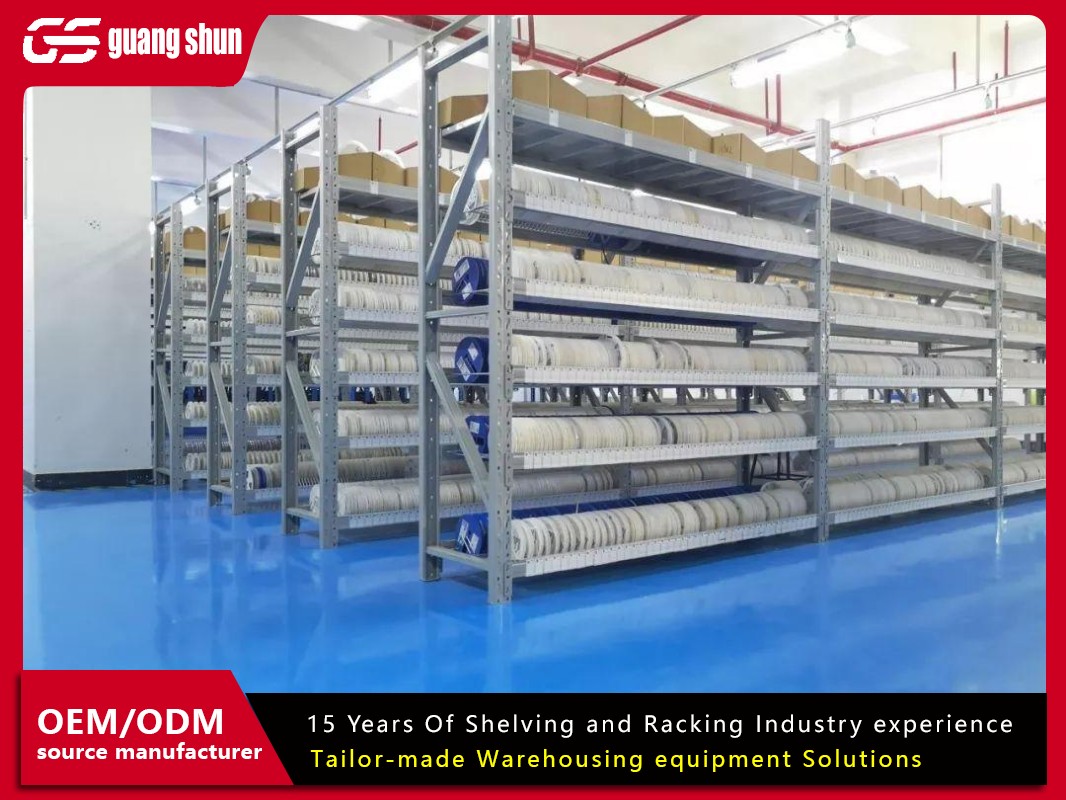
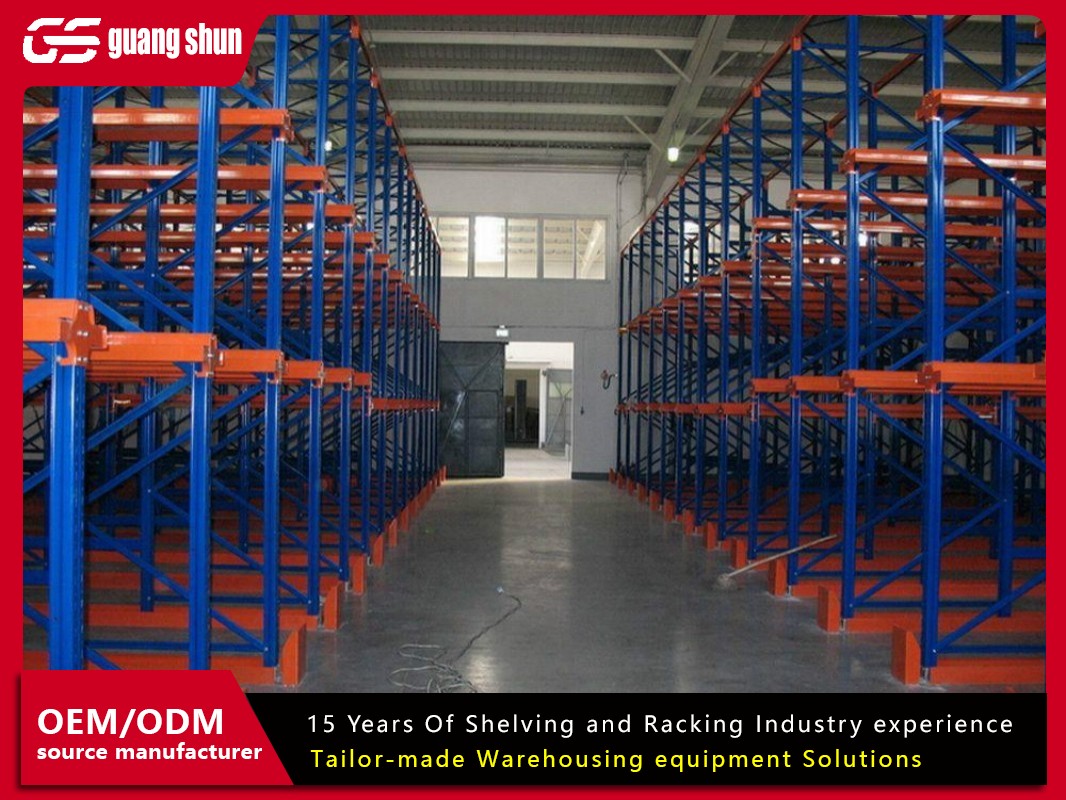
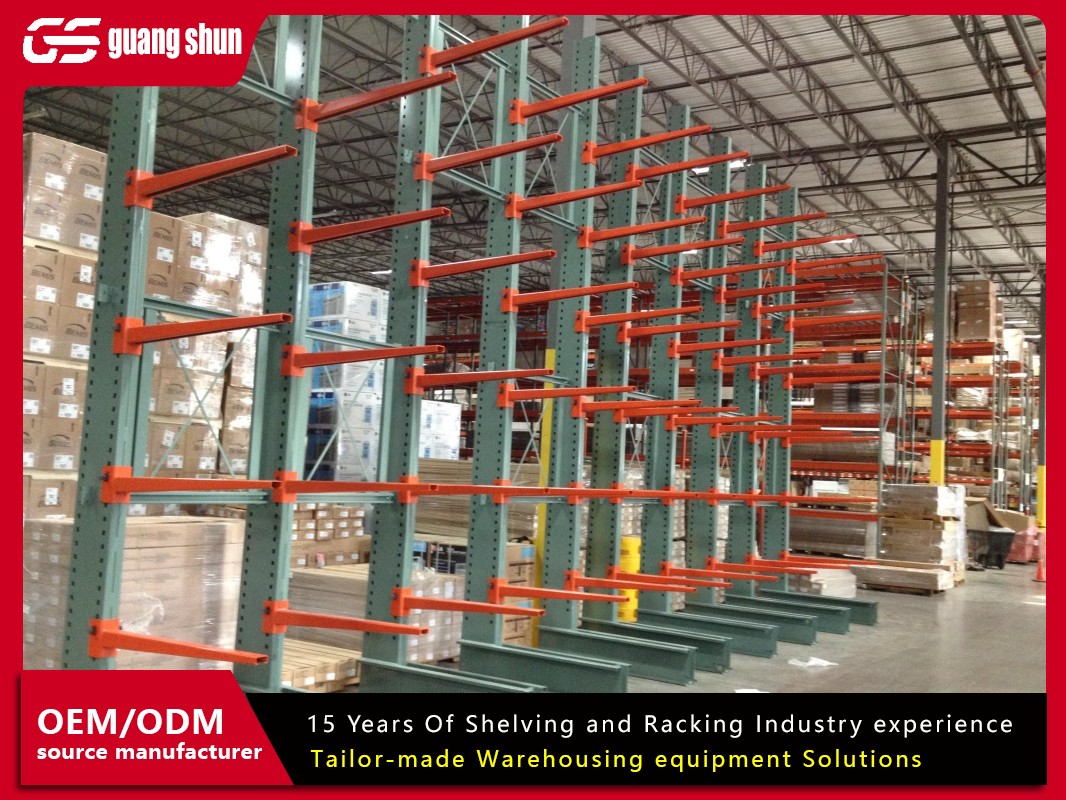
Selecting commercial warehouse
shelving involves far more than comparing price per bay. For
distribution centers, third‑party logistics (3PL) providers, and manufacturing
storage areas, the shelving system must withstand continuous loading cycles,
forklift impacts, seismic forces, and fire suppression requirements—all while
maintaining accessibility and inventory accuracy. This article breaks down the
engineering parameters, regulatory standards, and operational trade‑offs that
define durable, cost‑effective shelving solutions, supported by field data and
failure analysis from recent industrial audits.
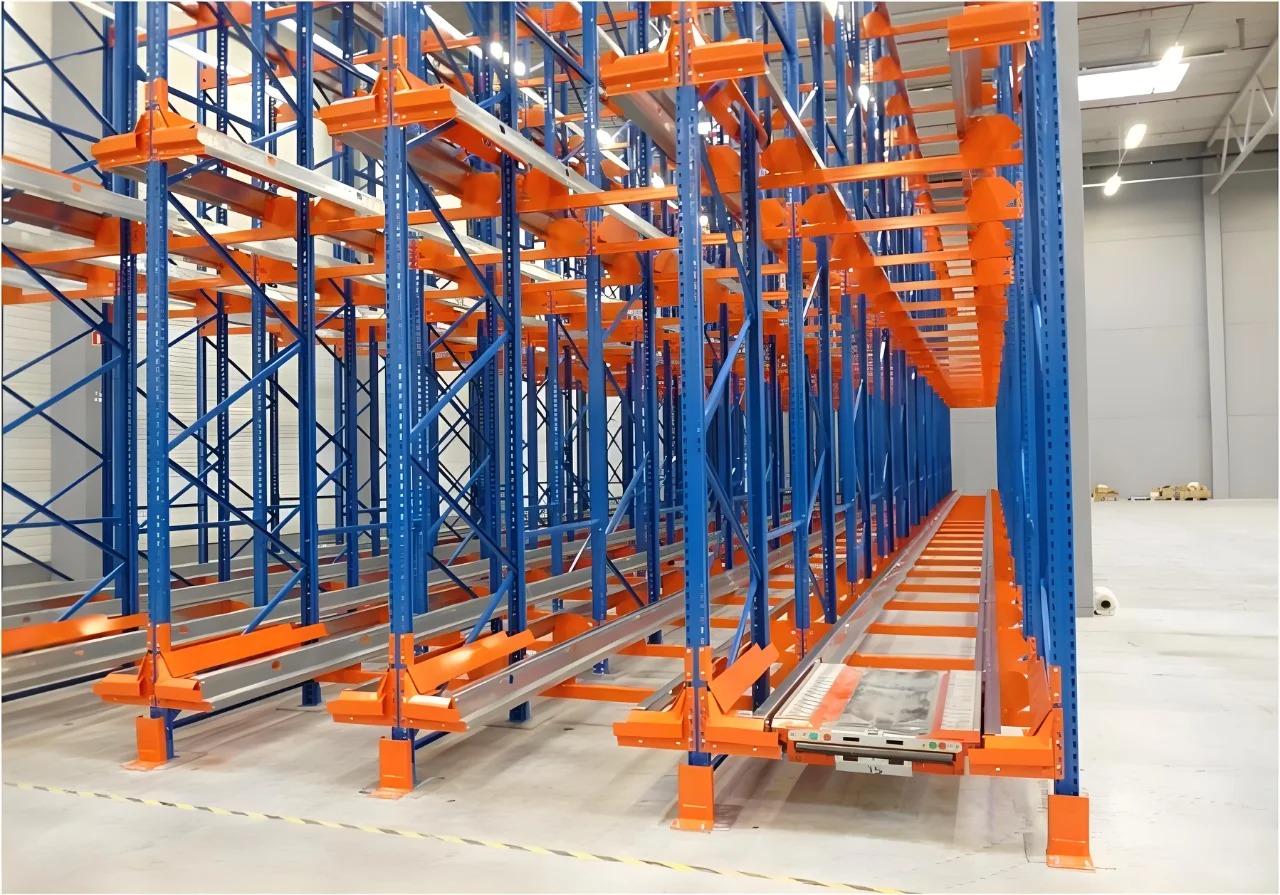
1. Material Grades and Section Properties for Commercial Shelving
The backbone of any commercial warehouse
shelving system is cold‑formed steel, typically conforming to ASTM
A653 or EN 10346. Yield strengths range from 220 MPa (commercial grade) to 350
MPa (high‑strength) for uprights and beams. However, the effective capacity is
governed by the section’s radius of gyration and the perforation pattern—factors
that dictate buckling resistance under eccentric loads.
Upright column profiles: Roll‑formed C‑sections with
staggered holes (usually 38 mm pitch) allow beam height adjustment in 50 mm
increments. The column thickness (1.5–3.0 mm) must be matched to the maximum
beam load and the number of beam levels. A 2.0‑mm column supports approximately
30% more axial load than a 1.5‑mm column of the same width, according to
compression tests per AISI S100.
Beam construction: Box‑section beams with welded end
connectors provide superior torsional rigidity—important when pallets have
uneven overhang. Open C‑section beams are lighter but prone to twisting under
side‑thrust from forklifts, which can reduce the effective load rating by 12–15%
in real‑world conditions.
Surface protection: Pre‑galvanized Z275 coating (275 g/m²)
suffices for dry interiors, but in cold storage or high‑humidity zones, a
post‑galvanized or polyester powder coating (≥80 µm) is recommended. Salt‑spray
tests (ISO 9227) show that powder‑coated samples resist red rust for over 1,000
hours, compared to 480 hours for standard galvanized steel.
Material selection directly influences the system’s service life. A 2024
study of 45 warehouses in coastal regions revealed that shelving with
epoxy‑polyester coating had a corrosion‑related repair rate of 2.3 incidents per
1,000 bays per year, versus 9.7 incidents for standard galvanized racks—a
four‑fold improvement.
2. Static and Dynamic Load Ratings: Beyond the Sticker
Every commercial warehouse
shelving system comes with a published Safe Working Load (SWL) per
beam level and per upright frame. However, these values assume uniform
distributed loads and perfectly centered pallets. In practice, dynamic
factors—forklift acceleration, uneven floor flatness, and off‑center
loading—amplify stresses.
Dynamic amplification factor (DAF): For manual handling,
DAF = 1.1; for powered industrial trucks, DAF = 1.25 per EN 15512. This means a
beam rated for 2,000 kg static should not exceed 1,600 kg under frequent
forklift operation.
Eccentricity effects: Pallet overhang beyond the beam front
edge induces a torsional moment. A 100‑mm overhang reduces beam capacity by
approximately 8–10%, as confirmed by strain‑gauge measurements at a German
testing institute.
Floor flatness tolerance: Uneven floors (deviation > ±10
mm over 3 m) cause uneven load distribution across the base plates, leading to
premature anchor fatigue. Regular floor laser‑level surveys are recommended,
with shim packs installed as needed.
Operationally, adopting a load color‑coding system (green ≤80% SWL, yellow
80–95%, red >95%) helps floor staff avoid overloading. In a 12‑month trial at
a Midwest US distribution center, this visual system reduced overload incidents
by 61% without additional training costs.
3. Fire Protection and Sprinkler Clearance Compliance
Fire safety is a non‑negotiable aspect of commercial warehouse
shelving design. NFPA 13 (Standard for the Installation of
Sprinkler Systems) mandates specific clearances for water penetration:
Longitudinal flue spaces: At least 150 mm between rows of
shelving to allow sprinkler spray to reach the aisle floor.
Transverse flue spaces: A minimum of 75 mm between adjacent
loads on the same beam level.
Obstruction rules: Shelving components (beams, supports)
cannot deflect sprinkler discharge more than 1.0 m below the deflector. In‑rack
sprinklers become mandatory when the top of storage exceeds 7.6 m (for
ordinary‑hazard commodities).
Field inspections have shown that nearly 20% of warehouse fires with
significant damage were exacerbated by shelving configurations that blocked or
diverted water flow. To mitigate this, many engineers now integrate sprinkler
piping within the shelving uprights, using factory‑prepared holes and brackets.
This approach adds about 4–6% to the initial cost but reduces installation
conflicts and future modifications.
4. Seismic Bracing and Anchorage for High‑Seismic Zones
In regions with peak ground acceleration (PGA) ≥ 0.2g (per ASCE 7), commercial warehouse
shelving must incorporate seismic bracing to prevent toppling and
beam dislodgement. The primary failure mechanisms are not collapse but rather
the displacement‑induced loss of pallets and the unseating of beams from
connectors.
X‑bracing in the down‑aisle direction: Diagonal steel
straps or angles are bolted to upright frames at every third bay. The brace
slenderness should be limited to 200 to prevent buckling under cyclic
loading.
Anchor bolt selection: Mechanical expansion anchors (wedge
or undercut types) maintain grip during repeated shaking, whereas friction‑based
anchors (drop‑in) lose pre‑tension after several cycles. Post‑earthquake
inspections from the 2023 Turkey‑Syria events revealed that mechanical anchors
had a 73% lower failure rate than standard drop‑in anchors.
Beam locking clips: Spring‑loaded or bolted clips prevent
beams from jumping off connectors. Regular torque checks (every 6 months) are
advised, as clip loosening was observed in 22% of shelving systems inspected
after the 2022 Chile earthquake.
The additional cost for seismic‑rated anchoring and bracing typically ranges
from 5% to 9% of the total shelving budget. However, considering the average
replacement cost of inventory ($200–$400 per pallet position) plus structural
repairs, this premium pays for itself after a single moderate seismic event.
5. Modular Adjustability and Configuration Flexibility
Modern warehouses demand shelving that adapts to changing SKU profiles.
Adjustable beam heights are a standard feature, but the frequency of
reconfiguration and the associated labor costs are often underestimated.
Tool‑less beam adjustment: Some systems use spring‑loaded
pins that allow beam relocation without wrenches—reducing changeover time from
45 minutes to 8 minutes per bay, as measured in a 2025 efficiency study.
Add‑on accessories: Wire decking, dividers, and shelf
liners can be retrofitted without structural modification, provided the column
perforations are compatible. This flexibility reduces the need for full system
replacement when inventory dimensions change.
Module compatibility: Standard bay widths (2.4 m, 2.7 m,
3.0 m) and depths (0.8 m, 1.0 m, 1.2 m) are recommended to ensure component
interchangeability across suppliers. However, mixing brands is risky unless
cross‑certification exists—even minor differences in hole pitch (e.g., 38 mm vs.
50 mm) render beams incompatible.
At Guangshun, we engineer modular systems that
allow up to 15 different beam‑height configurations per upright frame, using a
standardized hole pattern that matches European and North American connector
standards. This interoperability has reduced our clients’ reconfiguration costs
by an average of 27% over a five‑year period.
6. Installation Tolerances and Post‑Construction Verification
Even the best‑engineered commercial warehouse
shelving can underperform if installation tolerances are not
controlled. Verticality deviation must be within ±10 mm per 10 m of height (per
FEM 10.2.02). Excessive leaning induces second‑order bending moments that reduce
column capacity by up to 12%.
Laser alignment tools should be used during erection, with daily calibration
logs.
Bolted connections (class 8.8 or 10.9) must be torqued to 80% of yield
strength, verified with a calibrated wrench.
Load testing of a representative bay at 125% SWL for 24 hours confirms
deflection criteria (beam deflection ≤ L/200).
A 2025 industry survey showed that warehouses with formal installation
verification protocols experienced 41% fewer structural modifications within the
first three years of operation, translating to lower downtime and repair
budgets.
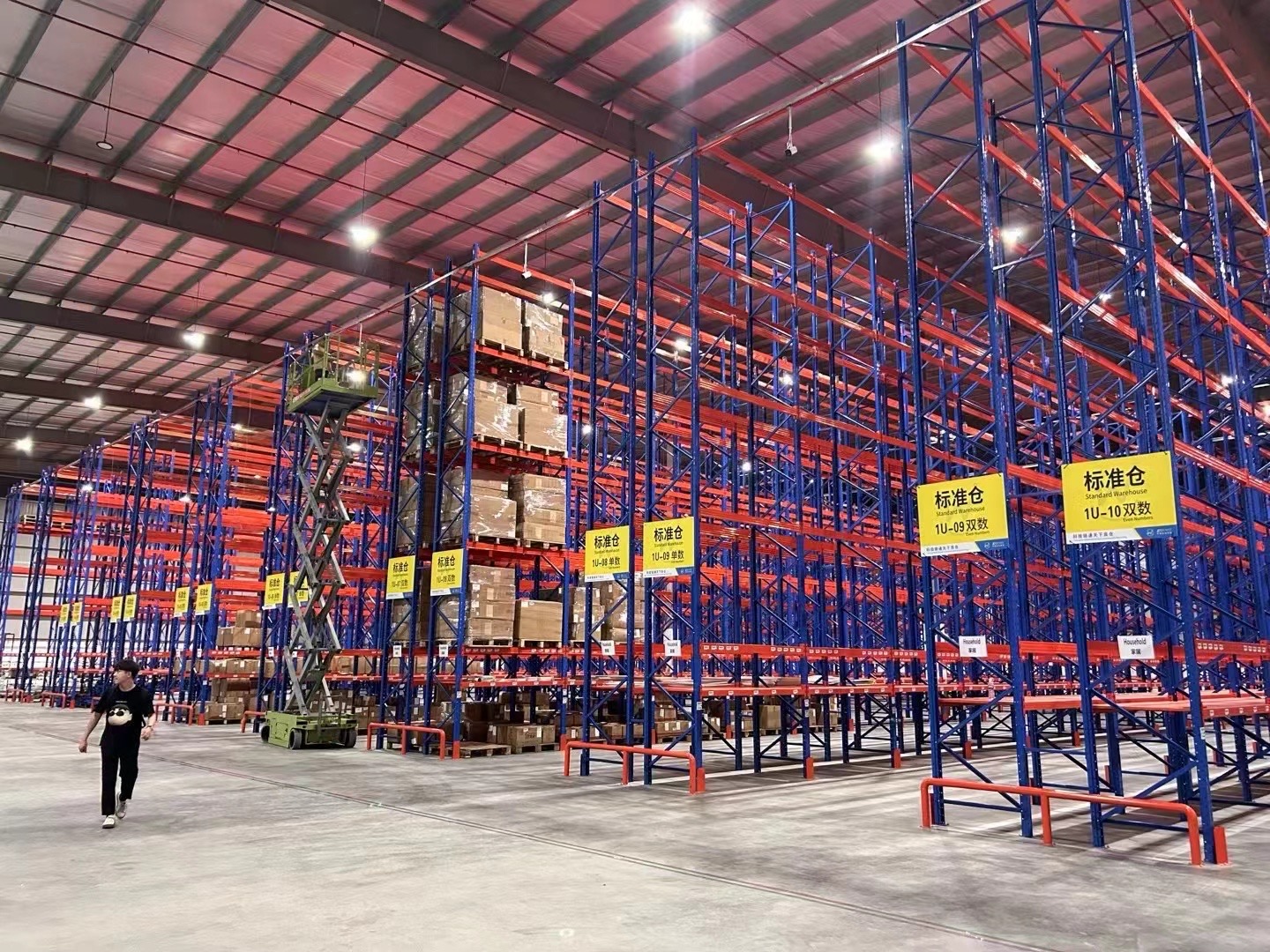
7. Lifecycle Cost Analysis: Initial Price vs. Total Cost of Ownership
When evaluating commercial warehouse
shelving proposals, the lowest upfront quote often conceals higher
long‑term costs. A comprehensive TCO model over 15–20 years should include:
Maintenance and repair frequency: Systems with thinner
steel (≤1.8 mm) require more frequent straightening after impacts. Data from 120
warehouses show that 2.0‑mm uprights have a 35% lower repair rate than 1.5‑mm
ones.
Energy implications: Shelving with solid decking obstructs
airflow, potentially raising HVAC costs by 2–4% in climate‑controlled
facilities. Perforated or wire decking improves air circulation but may not
support small items without dividers.
End‑of‑life scrap value: Steel shelving retains about
15–20% of its original material value at recycling, which can offset
decommissioning expenses.
In one comparative case, a 10,000‑position warehouse chose a higher‑grade
shelving system with reinforced corners and powder coating. The initial cost was
8% higher than the cheapest alternative, but over 12 years, the TCO was 14%
lower due to fewer repairs, less downtime, and lower insurance premiums.
Guangshun provides detailed TCO calculators
that factor in local labor rates, energy costs, and seismic risk, enabling
procurement teams to make data‑driven decisions. Our engineering documentation
includes finite‑element analysis reports and third‑party load test
certificates—transparency that we consider essential for professional
procurement.
8. Forklift Impact Protection and Column Guards
Forklift collisions are the leading cause of shelving damage—accounting for
nearly 70% of all structural repairs. Column guards (fixed or spring‑loaded)
absorb impact energy and prevent upright deformation.
Spring‑loaded guards: These deflect on impact and return to
position, reducing damage severity. A 2024 study found that warehouses with
spring guards had 52% fewer column replacements than those with rigid guards or
none.
Corner bumpers: Placed at aisle intersections, they protect
vulnerable end‑of‑row uprights. They are particularly effective in narrow‑aisle
configurations where turning radii are tight.
Regular inspection: After any noticeable impact, the
affected column should be checked for verticality and local dents. Dents
exceeding 5 mm depth or 25 mm length require structural evaluation per RMI
guidelines.
Integrating impact protection into the initial design adds approximately 2–3%
to the project cost but reduces the average annual repair budget by more than
40%, as evidenced by data from a 3PL operator with 8 warehouses across
Europe.
Prioritizing Engineering Rigor Over Commodity Pricing
The selection of commercial warehouse
shelving is a capital decision with operational safety and
productivity consequences that persist for decades. By focusing on material
thickness, corrosion protection, seismic bracing, fire clearance, and impact
protection, facility managers can minimize total cost of ownership and protect
their workforce. The data consistently shows that a 5–10% higher initial
investment in quality design yields a risk‑adjusted return that far exceeds any
savings from under‑specified alternatives.
We encourage procurement teams to request detailed engineering submittals,
including FEA summaries, coating test reports, and seismic certification.
Suppliers who cannot provide these documents should be viewed with caution, as
their products may not meet the rigorous demands of modern warehouse
operations.
Frequently Asked Questions (FAQ) on Commercial Warehouse Shelving
Q1: What is the recommended clearance between shelving and the
building wall for fire safety?
A1: According to
NFPA 13, a minimum of 450 mm (18 inches) is required between the top of storage
and the ceiling sprinkler deflector, and at least 100 mm clearance from the wall
for maintenance access. However, if the shelving is adjacent to an exterior
wall, a 600‑mm clearance is often mandated to allow sprinkler water to reach the
wall area and for firefighter access. Always verify with the local authority
having jurisdiction (AHJ) and the building’s fire protection engineer.
Q2: How do I determine the correct beam capacity for uneven pallet
loads?
A2: The published beam capacity assumes a
uniformly distributed load (UDL) across the entire beam span. For concentrated
loads or unevenly distributed pallets (e.g., heavy items on one side), you must
apply a load reduction factor. For a point load at mid‑span, the effective
capacity is roughly 50% of the UDL rating. Use the beam’s section modulus and
perform a simple bending calculation (M = P×L/4 for point load). Alternatively,
request the manufacturer’s point‑load capacity chart, which is often available
for standard spans.
Q3: Can I install in‑rack sprinklers on any shelving
system?
A3: Not all systems are designed to support
the additional weight and piping of in‑rack sprinklers. The uprights and beam
connectors must have factory‑prepared mounting holes and sufficient load margin.
Retrofitting sprinklers often requires structural reinforcement, which can be
expensive. It is best to specify sprinkler integration at the design stage,
ensuring the manufacturer provides pipe routing clips and clearance for
deflector positioning per NFPA 13 guidelines.
Q4: How often should I perform a structural inspection of commercial
shelving?
A4: A visual inspection (checking for
dents, loose anchors, missing beam pins, and column leaning) should be conducted
monthly. A comprehensive engineering inspection—including torque verification,
plumb measurement, and load‑bearing assessment—must be performed annually by a
certified inspector. Additionally, any seismic event above PGA 0.1g or a
documented forklift impact requires an immediate targeted inspection. Compliance
with RMI (Rack Manufacturers Institute) or SEMA (Storage Equipment
Manufacturers’ Association) standards is highly recommended.
Q5: What factors affect the total cost of ownership for a shelving
system?
A5: Beyond the purchase price, TCO includes
installation labor, annual maintenance and repairs, downtime costs during
reconfiguration, energy consumption (due to airflow obstruction), insurance
premiums (which may be higher for non‑compliant systems), and eventual
decommissioning and scrap recovery. A robust TCO analysis should also factor in
the expected lifespan—typically 15–20 years for well‑maintained steel
shelving—and the frequency of SKU changes that drive reconfiguration labor.
Q6: Is it safe to mix shelving components from different
brands?
A6: Mixing is strongly discouraged unless
the components are explicitly cross‑tested and certified by a structural
engineer. Even if the column and beam profiles appear similar, the hole pitch,
pin diameter, and locking mechanism tolerances vary. Incompatible connections
can reduce the load capacity by up to 40% and may void the manufacturer’s
warranty. If expansion is needed, either order matching components from the
original supplier or engage a qualified engineer to design a transition
interface.
Q7: What is the typical lead time for a custom commercial shelving
project?
A7: For standard configurations (selective
shelving under 8 m height), lead times range from 4 to 10 weeks from order to
delivery, plus 2–4 weeks for installation. Projects with seismic design,
non‑standard depths, integrated sprinkler supports, or custom colors typically
extend to 14–20 weeks. At Guangshun, we offer
expedited engineering reviews for urgent orders, compressing the design phase to
12 working days without compromising our quality verification protocols.