Your business is growing, and the storage situation is becoming a problem. Cardboard boxes are stacked precariously, inventory is getting lost, and floor space is disappearing. It's clear that flimsy retail-grade racks won't cut it anymore.
You need a professional solution built for the demands of a real business. This is where heavy duty commercial shelving enters the picture. But buying the wrong system can be a costly mistake that leads to safety issues and more disorganization.
Choosing the right shelving isn't just about picking the strongest-looking option. It's about asking the right questions upfront. Here are the six critical questions you need to answer before making your purchase.
What Exactly is Heavy Duty Commercial Shelving?
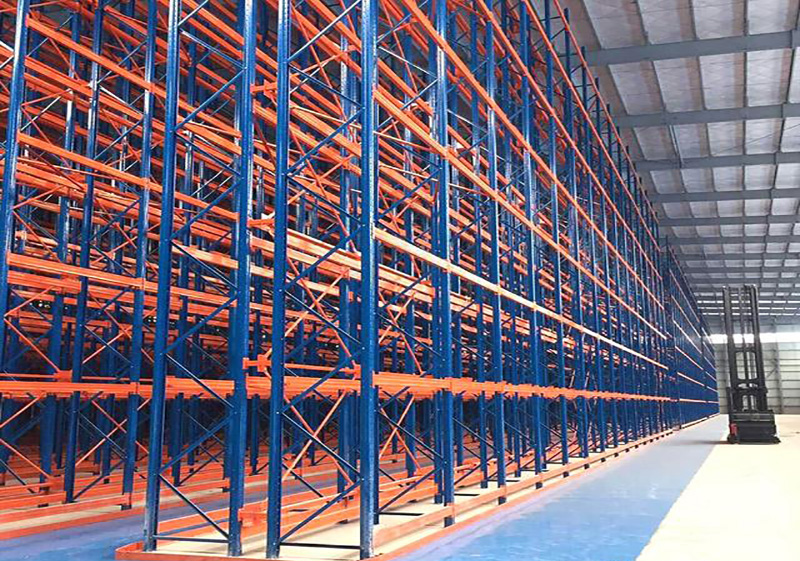
Let's define the term clearly. Heavy duty commercial shelving refers to storage systems engineered for continuous, demanding use in business and industrial environments. It's designed to hold substantial weight—often hundreds to thousands of pounds per shelf—and withstand the rigors of daily operation.
This category is distinct from light-duty retail or closet shelving. Think thicker steel gauges, robust bolt-together or clip-style connections, and designs that can handle pallet jacks, forklift bumps, and constant loading and unloading. It’s the backbone of organized warehouses, stockrooms, workshops, and distribution centers.
The Impact of Getting It Right
Investing in the correct commercial grade shelving does more than just hold your stuff. It directly impacts your bottom line and operational safety.
Proper shelving maximizes your available cubic space, pushing storage upward and freeing valuable floor area for other uses. It drastically improves inventory visibility and access, speeding up picking times and reducing errors. Most importantly, a correctly specified and installed heavy duty storage system mitigates the severe risk of collapse and injury that comes from overloading inadequate racks.
The right choice creates a safer, more efficient, and more professional working environment.
Question 1: What is the True, Tested Load Capacity?
This is the most important question. The advertised "total unit capacity" can be misleading. You must find out the uniformly distributed load (UDL) capacity per shelf level.
A unit rated for 4,000 lbs with 4 shelves means each shelf must hold 1,000 lbs spread evenly across the entire deck. Ask for the manufacturer's official load charts and engineering data. How was it tested? Reputable companies will provide this.
Also, consider dynamic load. A shelf holding 800 lbs of static weight is different from one that has that weight placed and removed by machinery several times a day. True heavy duty commercial shelving is built for this cycle.
Question 2: What Type of Shelving Best Fits My Operation?
Not all heavy duty shelving is the same. The style you choose depends entirely on your inventory and workflow. Here are the main types:
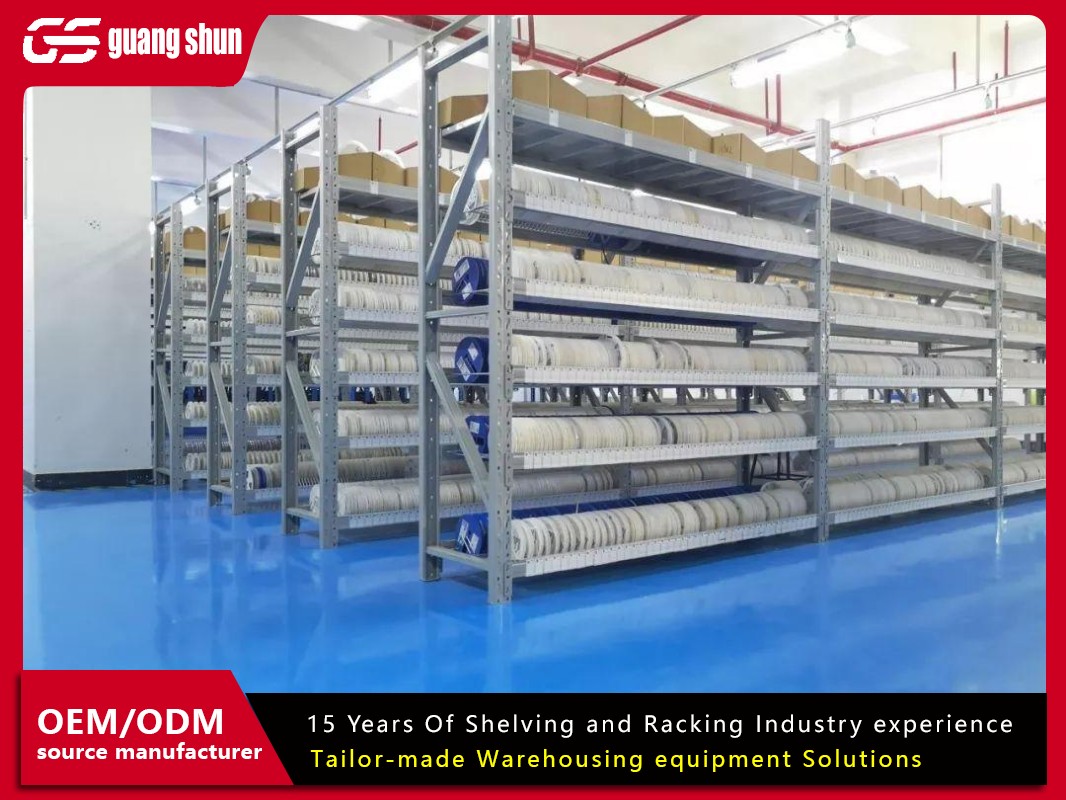
- Clip-Style or Rivet Shelving: Common for general warehouse storage shelving. Shelves are supported by clips on vertical posts, allowing easy height adjustment without tools. Ideal for boxes, parts, and bulk items.
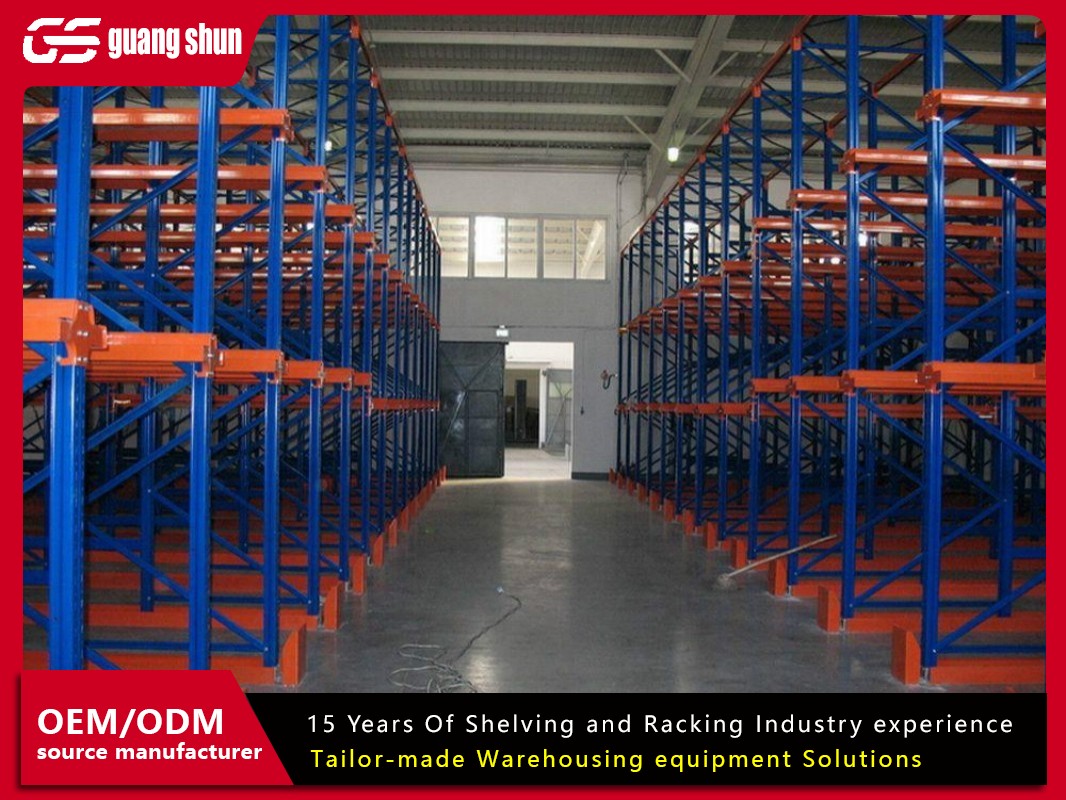
- Bolt-Together Shelving: Offers exceptional strength and stability. Shelves are bolted directly to the frame, creating a more rigid, permanent structure for extremely heavy, dense loads.
- Wire Shelving: Provides excellent airflow and visibility. Perfect for environments requiring cleanliness (like commercial kitchens or medical supply rooms) or where dust/debris needs to fall through.
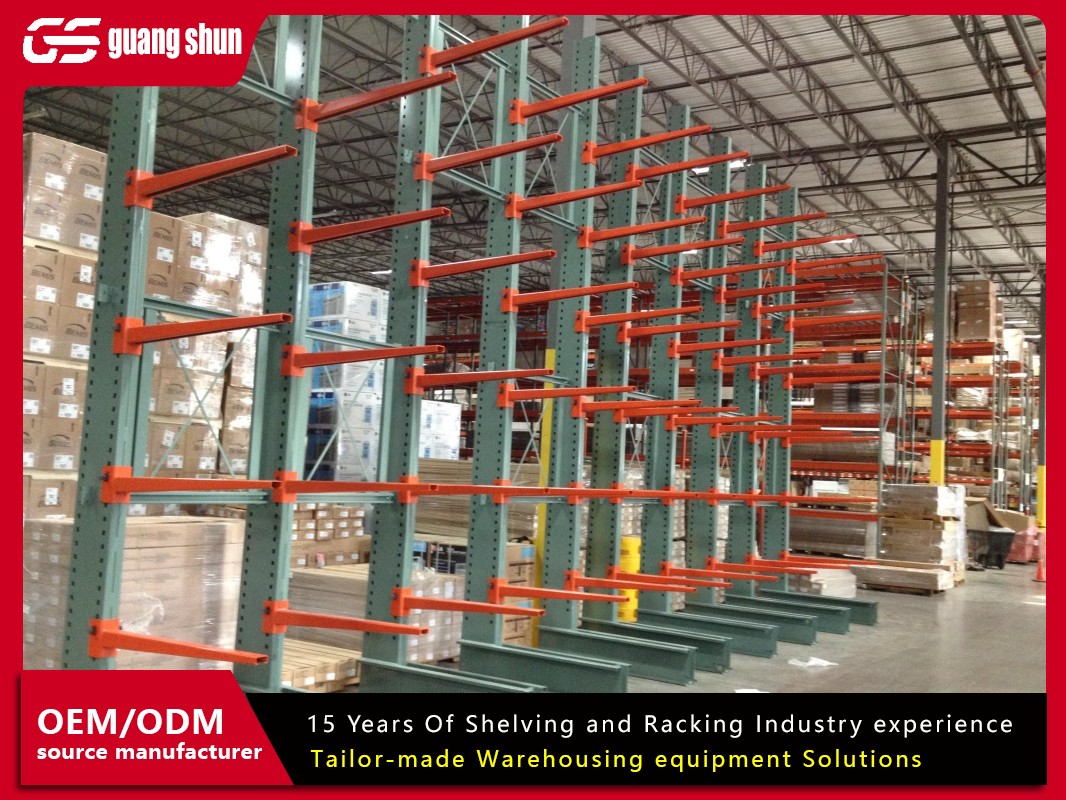
- Cantilever Shelving: Features arms extending from a central column, ideal for storing long, awkward items like lumber, piping, or furniture.
Question 3: How Important are Safety and Compliance?
Safety cannot be an afterthought. Your industrial shelving units must be inherently safe and compliant with relevant standards.
Ask if the system meets industry standards. In the U.S., look for design references to RMI (Rack Manufacturers Institute) standards. Inquire about safety features like integrated locking clips, optional shelf lips or barriers, and column protectors.
The single most critical safety step is proper anchoring. Any tall commercial shelving unit must be securely anchored to the concrete floor to prevent tipping. This is a non-negotiable installation requirement for safety and liability.
Question 4: How Adaptable is the System to Future Changes?
Your business will evolve. Your storage system should be able to adapt with minimal cost and hassle. This makes adjustability a key feature of versatile heavy duty commercial shelving.
Look at the adjustment increments. Can shelves be moved every inch, or only every few inches? Finer adjustments allow for perfect space optimization. Check if the system is compatible with add-ons like bin dividers, drawer units, or label holders.
A modular system that allows you to add more units or reconfigure existing ones in the future offers the best long-term value.
Question 5: What are the Total Costs, Beyond the Purchase Price?
The initial quote for the heavy duty shelving units is only part of the financial picture. Consider the total cost of ownership.
Factor in freight and delivery costs, especially for large orders. Will you need professional installation, or can your team assemble it? What about the cost of decking material—particle board, steel mesh, or wire grids? Particle board is a lower upfront cost but may need replacing sooner.
Consider durability. A slightly more expensive unit with a superior powder-coated finish may last twice as long in a humid environment, saving replacement costs down the line.
Question 6: What Materials and Finish Will Last in My Environment?
The environment dictates the required materials. A dry warehouse has different needs than a damp basement or a refrigerated space.
Steel gauge is crucial. A lower gauge number means thicker steel (e.g., 12-gauge is stronger than 16-gauge). The finish protects the steel. Electroplated zinc (galvanized) offers good rust resistance for most indoor use. Powder coating is a thicker, baked-on finish that provides excellent resistance to chipping, chemicals, and moisture—ideal for heavy duty commercial shelving in demanding conditions.
For food service or chemical storage, you may need specific FDA-approved or chemically resistant finishes.
Making an Informed Decision
Purchasing heavy duty commercial shelving is a significant investment in your operational infrastructure. Rushing the decision often leads to regret.
Take the time to honestly answer these six questions. Gather precise data on your weight requirements and inventory types. Consult with suppliers who ask you these detailed questions—it shows they understand the engineering behind the product.
By prioritizing true capacity, correct style, safety, adaptability, total cost, and environmental suitability, you’ll select a storage system that serves as a reliable, safe, and efficient foundation for your business growth for years to come.
Frequently Asked Questions (FAQ)
Q1: What’s the typical lifespan of heavy duty commercial shelving?
A1: With proper selection, installation, and loading, high-quality heavy duty commercial shelving can last 15 to 25 years or more. The lifespan is heavily influenced by the environment (exposure to moisture, chemicals) and how well the stated load limits are respected.
Q2: Can I move or reconfigure this shelving easily?
A2: Modular clip-style commercial shelving is designed for easy reconfiguration and relocation. Bolt-together systems are more permanent and labor-intensive to move. While durable, all shelving should be completely unloaded before attempting any move or major reconfiguration to ensure safety.
Q3: How do I know if I need to anchor my shelving units?
A3: As a universal safety rule, any industrial shelving unit over 4 feet tall should be anchored to the floor. This is especially critical in seismic zones, areas with heavy machinery vibration, or for units with high load centers. Anchoring prevents catastrophic tipping.
Q4: What’s better for a warehouse: particle board or wire decking?
A4: Wire decking is generally preferred for active warehouse storage shelving. It allows for air circulation, sprinkler system water to pass through, and dust/debris to fall, aiding in cleanliness. Particle board provides a solid surface for very small items but can degrade if wet and doesn’t allow for fire suppression water flow.
Q5: How much space should I leave between shelves?
A5: Leave enough vertical clearance to easily place and remove your tallest common item, plus a few inches of “hand space” for safe handling. This is where adjustable heavy duty commercial shelving proves its value, allowing you to customize this spacing perfectly and change it as your inventory mix changes.