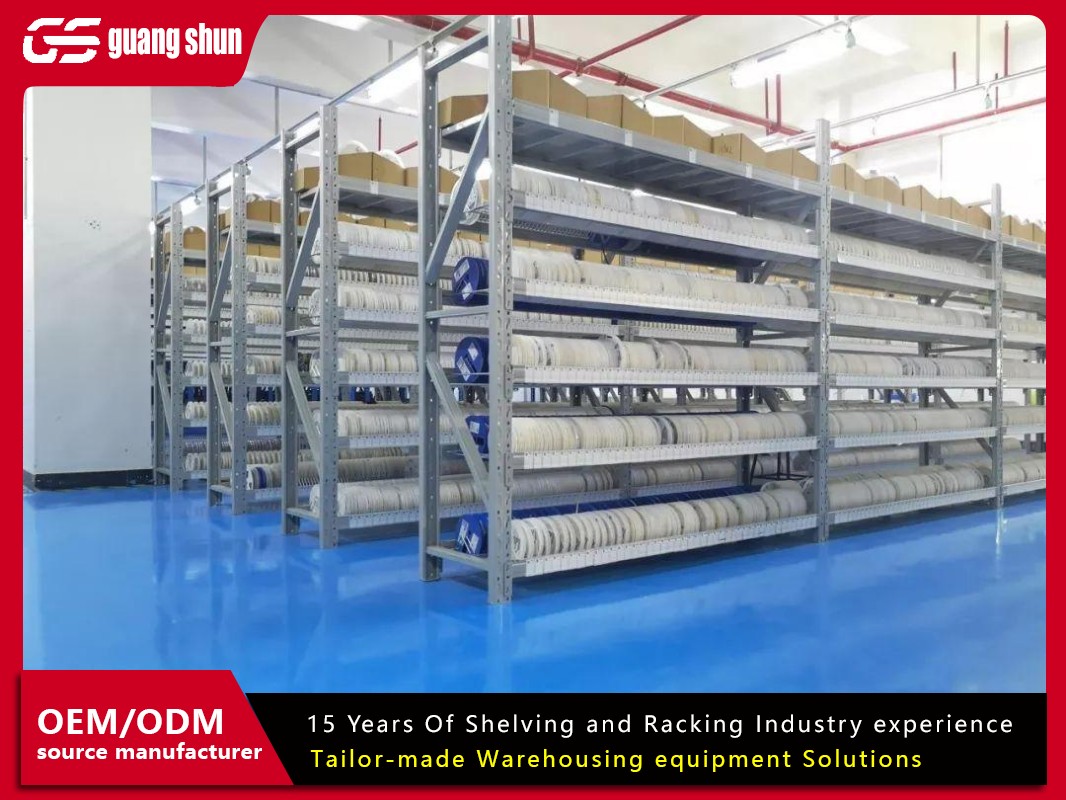
If you've ever spent hours assembling shelving with a wrench, only to find it wobbles under weight, you know the frustration. For businesses needing serious storage that can be set up quickly, heavy duty boltless shelving offers a compelling alternative. This isn't your garage shelving; it's an industrial-grade storage system built for speed, strength, and adaptability.
The core idea is simple: shelving that uses integrated locking mechanisms instead of nuts, bolts, and tools for assembly. But the execution is what makes it suitable for demanding environments. Let's examine what makes this shelving different, where it shines, and what you need to know before buying.
Defining Heavy Duty Boltless Shelving
At its heart, heavy duty boltless shelving is a prefabricated storage system. The key components—upright frames, beams, and shelves—connect via precision-engineered tabs, clips, or locking pins that snap or slide securely into place.
The "boltless" part refers to the primary assembly method. No separate fasteners are needed for the main structure. The "heavy duty" designation comes from the materials and design. These units are typically constructed from thick, cold-rolled steel and are engineered for load capacities far exceeding light-duty retail shelving.
You'll often see load ratings per shelf level ranging from 1,000 pounds to over 2,500 pounds for truly robust models. This strength, combined with tool-free adjustability, is the system's main appeal for many warehouses, workshops, and industrial settings.
The Key Advantages: Why Choose This System?
The benefits of heavy duty boltless shelving extend beyond just skipping the wrench. They translate into real operational efficiencies.
First, incredibly fast assembly and reconfiguration. A trained crew can erect a large bay of shelving in minutes. Moving shelves up or down to accommodate different sized items is just as quick. This flexibility is invaluable in dynamic environments where storage needs change.
Second, inherent strength and stability. The locking mechanisms, when properly engaged, create a rigid, shear-resistant connection. The design often includes double-wall or hat-channel shelves that resist sagging under distributed loads. This built-in stability is crucial for safety.
Third, professional appearance and safety. With no protruding bolt heads, the system has a clean, streamlined look. This also minimizes snag hazards for personnel and products. The open design, usually with wire mesh or solid steel shelves, promotes good airflow and light penetration.
Finally, durability and longevity. Made from high-grade steel with durable powder-coat finishes, this shelving resists corrosion, impact, and wear. It’s designed for years of service in challenging conditions.
Common Applications: Where It Fits Best
Heavy duty boltless shelving isn't a one-size-fits-all solution, but it excels in specific scenarios. It's the workhorse of many industrial and commercial spaces.
In warehousing and distribution, it's ideal for storing medium-to-heavy parts, tools in maintenance shops, or packaged goods. The easy adjustability allows for efficient space utilization as inventory profiles shift.
Automotive and manufacturing facilities use it for organizing components, holding work-in-progress, or storing supplies. The open design helps with inventory counts and keeps items visible.
For archival storage and document management, models with solid steel shelves can support immense weight of boxed files or records in a clean, organized manner.
It's also a top choice for commercial kitchens, breweries, or municipal facilities where hygiene and frequent cleaning are priorities. The smooth surfaces and lack of crevices make cleaning easier.
Comparing Boltless to Traditional Bolted Shelving
Understanding the trade-offs helps in decision-making. The main alternative to heavy duty boltless shelving is traditional bolted industrial shelving.
Boltless systems win on speed and flexibility. Assembly is faster, and shelf level changes don't require disassembling entire sections. They offer a cleaner aesthetic and often have a lower risk of parts loosening over time if the locks are robust.
Traditional bolted shelving, however, can sometimes achieve higher absolute load capacities for extreme-duty applications, as the bolted connection can be torqued to a specific standard. For some, the tactile assurance of a tightened bolt is preferred. It can also be slightly more cost-effective in purely material terms for very simple, static configurations.
For the vast majority of applications requiring strength and adaptability, the heavy duty boltless shelving offers a better balance of performance and practicality.
Critical Factors for Selection and Purchase
Choosing the right heavy duty boltless shelving requires more than just picking a size. Overlooking key specs leads to underperformance or safety issues.
Load Capacity is Paramount. Don't look just at the "total unit" capacity. Examine the per shelf and per beam capacity. A unit rated for 5,000 lbs with five shelves holds 1,000 lbs per shelf. Ensure your heaviest items, plus a safety margin, are within this limit.
Gauge and Material Matter. The steel thickness (e.g., 16-gauge, 14-gauge) directly impacts strength. Heavier gauge means stronger shelving. A high-quality powder-coat finish protects against rust and chips.
Shelf Type Influences Use. Wire mesh shelves allow light and air to pass, are lighter, and shed dust. Solid steel shelves provide a continuous surface for very small items and can have higher distributed load ratings.
Measure Your Space and Access. Consider aisle width for forklifts or carts, ceiling clearance, and door sizes for delivery. Also, think about future expansion. Many heavy duty boltless shelving systems are designed to connect side-by-side and back-to-back for seamless growth.
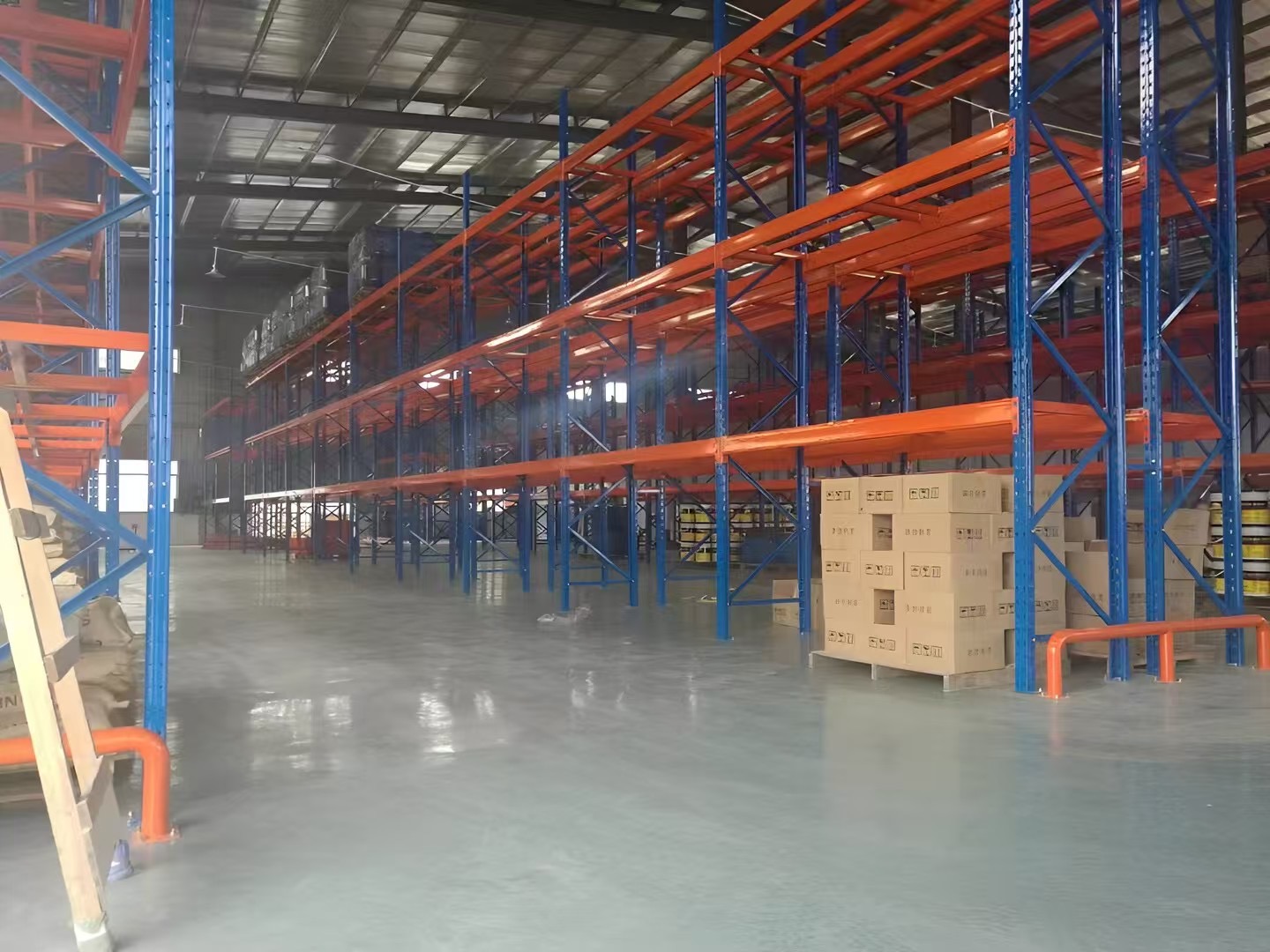
Understanding the Cost Structure
The price of heavy duty boltless shelving is influenced by several clear factors. You're paying for materials, engineering, and functionality.
The single biggest cost driver is steel gauge and overall weight. Shelving made from 14-gauge steel will cost more than 18-gauge. More steel per unit equals higher material cost, but also greater strength.
Load capacity specifications directly correlate with price. A shelf rated for 2,500 lbs costs more to manufacture than one rated for 1,200 lbs due to design and material differences.
Shelving material adds variation. Solid steel shelves are typically more expensive than wire grid. Special finishes or coatings for corrosive environments also add to the cost.
Finally, consider total project cost. This includes the shelving units, any optional accessories (end panels, dividers, label holders), freight/shipping for heavy items, and potential professional installation if your team cannot do it. The speed of boltless assembly can significantly reduce labor costs compared to bolted alternatives.
Frequently Asked Questions (FAQs)
Q1: How much weight can heavy duty boltless shelving actually hold?
A1: True heavy duty boltless shelving typically offers load capacities ranging from 1,000 to 2,500 pounds or more per shelf level. Always check the manufacturer's rated capacity for each specific component (beam and shelf), not just the overall unit. Exceeding these ratings is dangerous.
Q2: Is it really sturdy without bolts? Won't it collapse?
A2: When properly designed and assembled, it is extremely sturdy. The strength comes from engineered locking mechanisms (like rivet tabs or cam locks) that create a secure, shear-resistant connection between beams and uprights. The rigidity of the cold-rolled steel components also contributes to overall stability. Always ensure locks are fully engaged.
Q3: Can I adjust the shelves easily after the initial setup?
A3: Yes, this is one of the key benefits. Shelf heights can be reconfigured without tools or disassembly in most high-quality systems. You simply disengage the locking mechanism, move the beam to a new set of holes or slots on the upright, and re-lock it. This allows for easy adaptation to new storage needs.
Q4: What's the difference between boltless shelving and rivet shelving? Are they the same?
A4: They are very similar and the terms are often used interchangeably. Technically, "boltless" is the broader category. "Rivet shelving" usually refers to a specific type where beams connect to uprights via integrated rivets that slot into keyhole-shaped openings. It's one of the most common and reliable designs within the heavy duty boltless shelving family.
Q5: Is this type of shelving suitable for pallet storage?
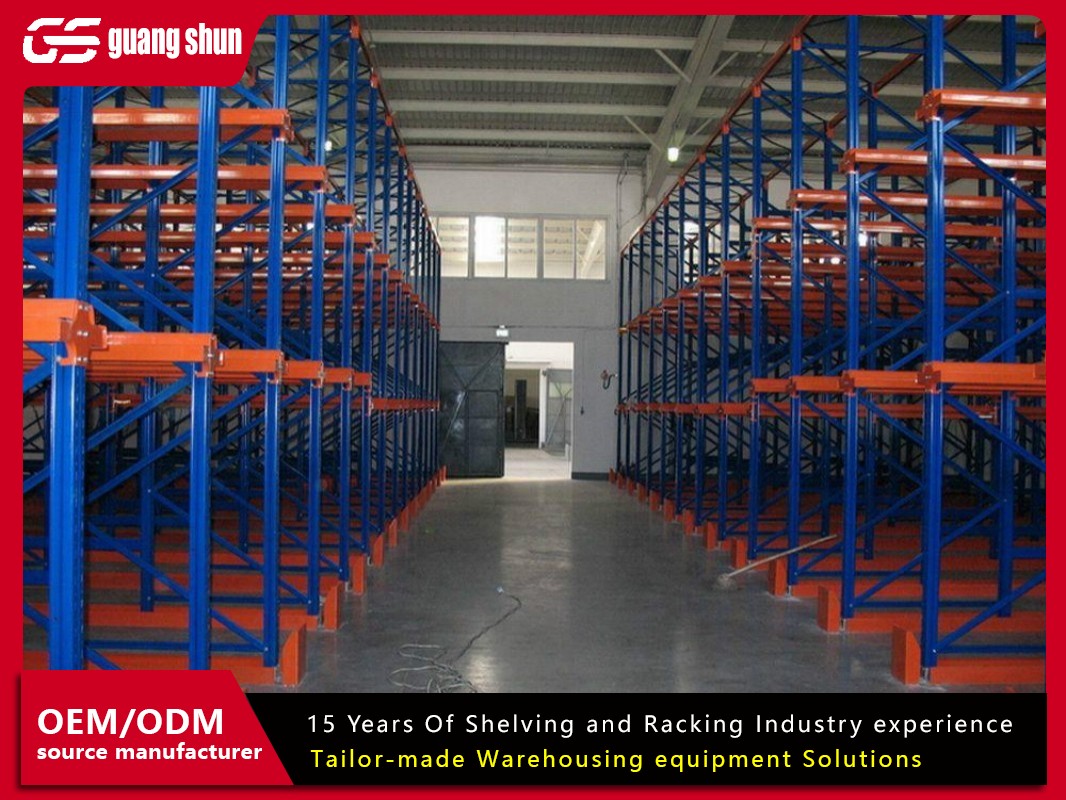
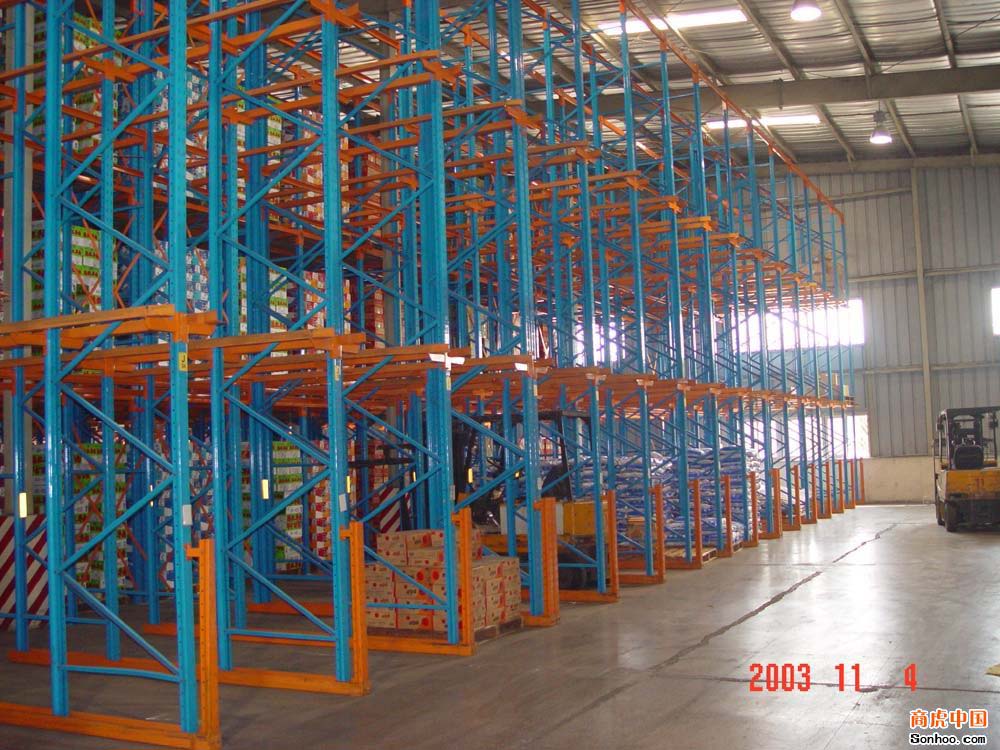
A5: Generally, no. Heavy duty boltless shelving is designed for hand-loaded items or items placed with a pallet jack. It is not engineered to withstand the dynamic impact and concentrated point loads of a forklift placing or retrieving a full pallet. For pallet storage, you need a dedicated pallet racking system designed for that specific use.