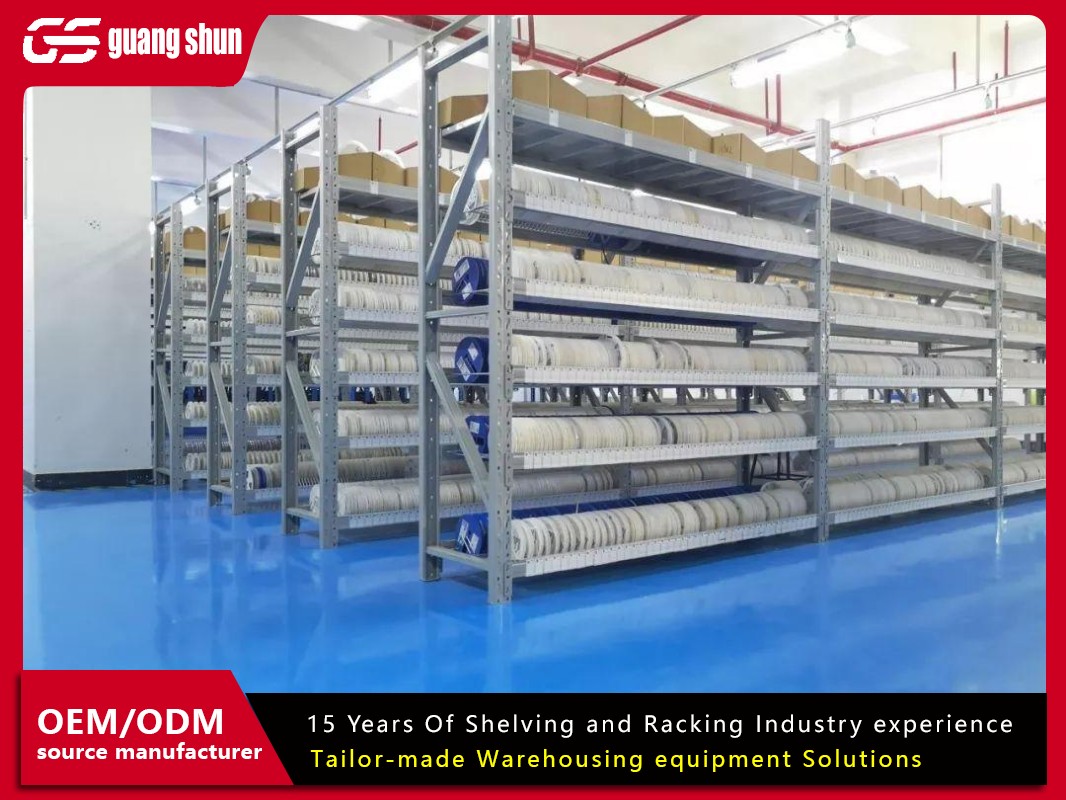
Warehouse managers and business owners know the struggle. You need to store pallets, bulky equipment, or thousands of pounds of inventory, but floor space is expensive and limited. Standard shelving units buckle under the pressure. This is where investing in the right heavy duty racking shelves becomes a critical business decision.
These are not your average garage storage units. Heavy-duty racking shelves form the backbone of industrial storage, designed to transform vertical space into secure, organized, and high-capacity storage zones. Choosing the correct system can mean the difference between a chaotic, inefficient warehouse and a streamlined, productive operation.
Let's look at what these systems are, how they work, and what you need to know to choose the best one for your needs.
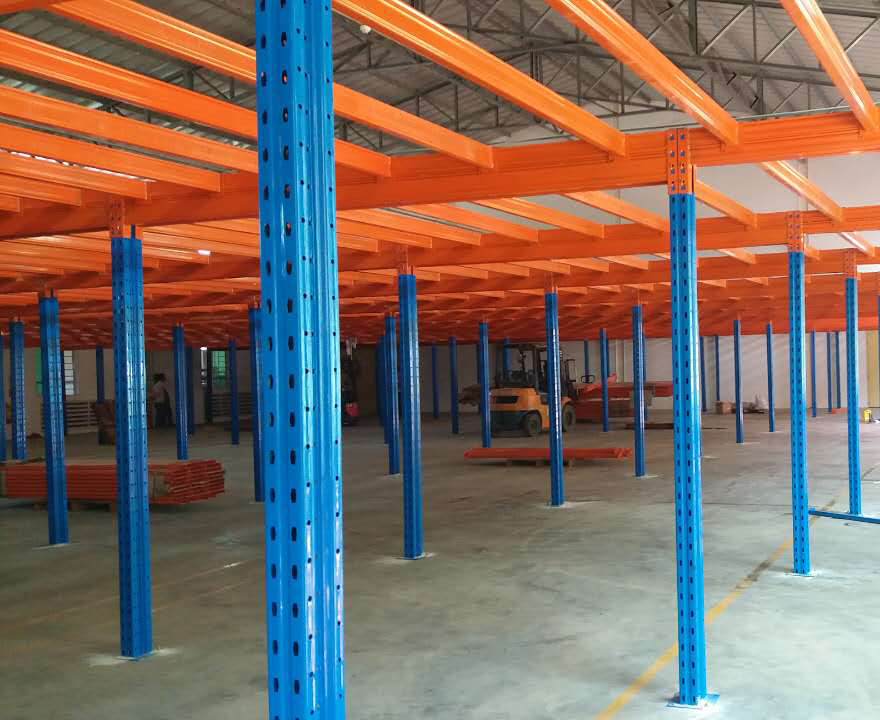
What Are Heavy Duty Racking Shelves?
Heavy duty racking shelves refer to industrial-grade storage structures engineered to support extreme weights. They are constructed from high-grade steel, featuring robust upright frames, strong horizontal beams, and durable decking.
The core purpose is to safely store very heavy or bulky items at height. While light-duty shelving might manage a few hundred pounds per level, a true heavy-duty racking system is built to handle loads measured in thousands of pounds per shelf.
This type of storage is functional, durable, and designed for use with forklifts or other material handling equipment. It's the solution for storing palletized goods, machinery parts, industrial supplies, and large-scale inventory.
Key Types of Heavy-Duty Racking Systems
There are several main designs, each suited for different storage strategies and inventory types. The right choice depends on your access needs and product profile.
Pallet Racking (Selective):
This is the most common form of heavy duty racking shelves. Each pallet sits on two horizontal beams, with direct access from the aisle. It offers excellent selectivity, meaning every single pallet is accessible at all times. It's the go-to for warehouses with a wide variety of SKUs.
Drive-In/Drive-Through Racking:
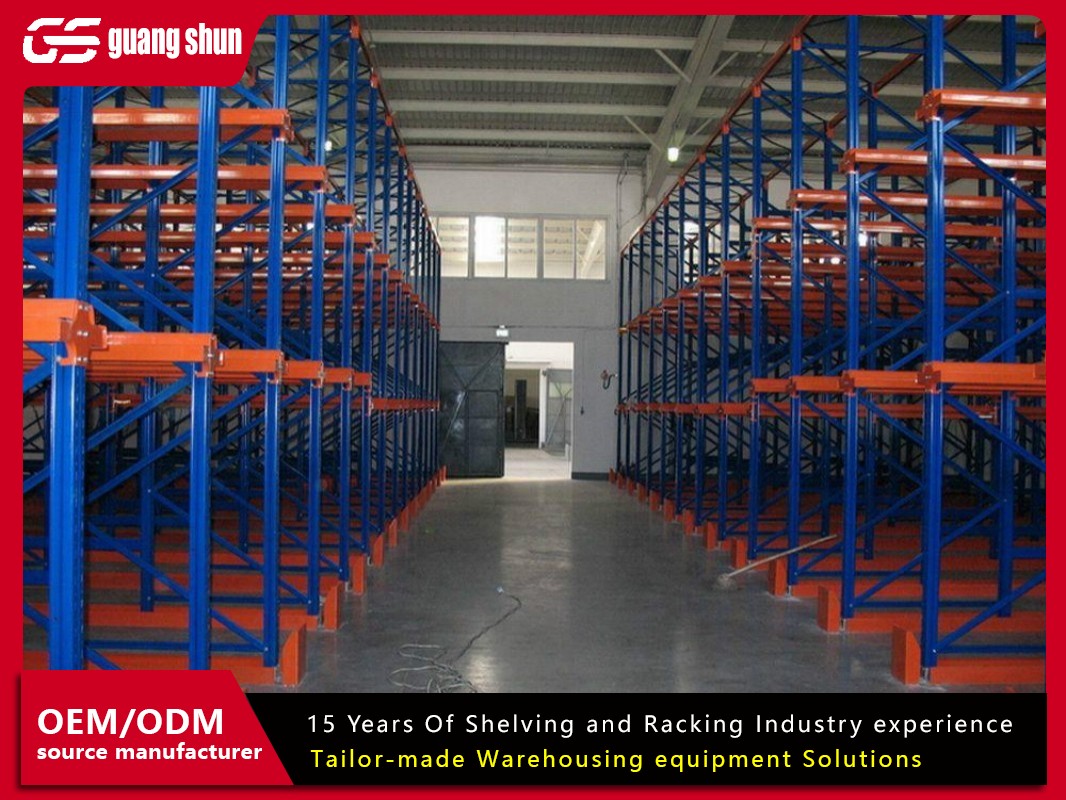
This is a high-density heavy-duty storage solution. Forklifts drive directly into the rack structure to place or retrieve pallets that are stored multiple deep on rails. It maximizes space by eliminating many aisles. Drive-in uses a Last-In, First-Out (LIFO) method, while drive-through allows First-In, First-Out (FIFO) access from opposite sides.
Cantilever Racking:
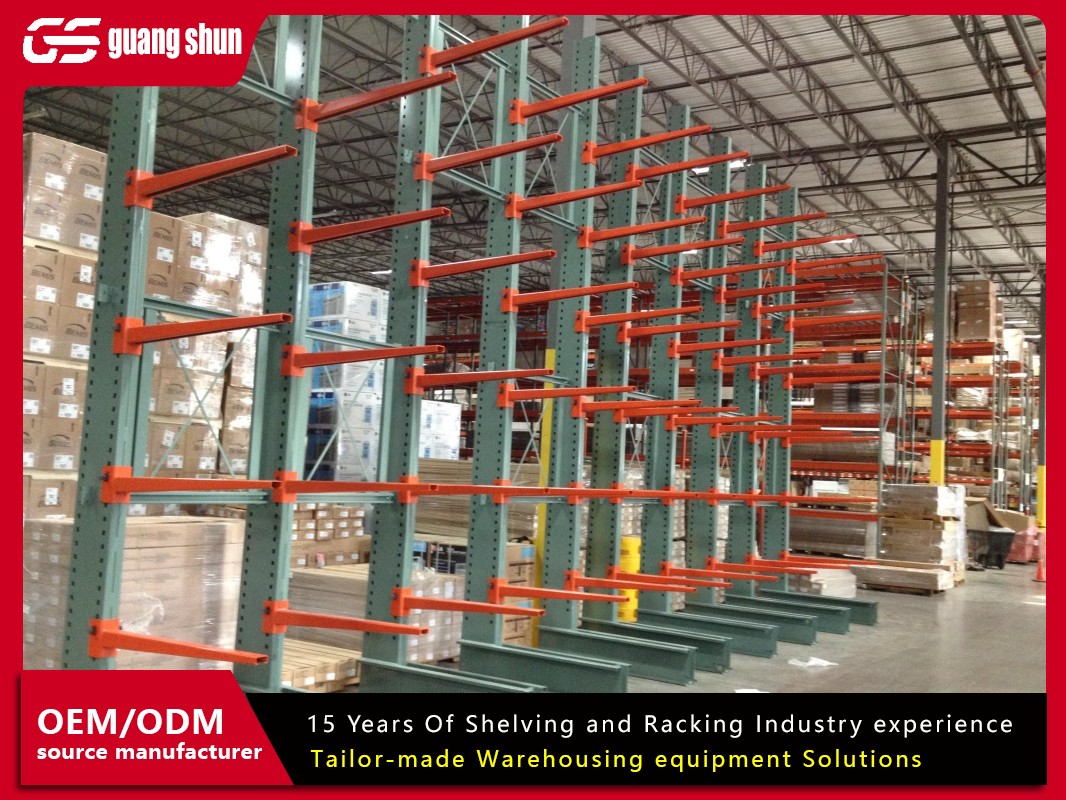
Designed for long, bulky, or irregular items that are difficult to store on standard shelves. Think lumber, pipes, furniture, or rolls of material. Arms extend from a central column, providing clear, unobstructed access from the front. This design is ideal for the storage of heavy long items.
Structural Racking:
This is the most robust type of industrial racking system. It uses hot-rolled steel and bolts together at every connection for maximum strength and stability. It’s often used for the heaviest unit loads, dense materials, or in applications where superior seismic resistance is required.
The Major Benefits of Using Heavy Duty Racking
Why should a business make this investment? The advantages directly impact safety, efficiency, and the bottom line.
Unmatched Storage Density: By safely using vertical space, often up to 40 feet high, you dramatically increase storage capacity without expanding your building's footprint. This is the primary reason businesses choose a heavy-duty racking system.
Improved Organization and Accessibility: A proper system creates a designated place for everything. This reduces search times, speeds up order picking, and simplifies inventory counts. A well-organized warehouse is a more productive one.
Enhanced Safety: Professionally engineered heavy duty racking shelves are designed and rated for specific loads. This prevents catastrophic collapses caused by overloading makeshift storage. It also gets heavy items off the floor, reducing trip hazards.
Durability and Longevity: Constructed from powder-coated or galvanized steel, these systems are built to withstand the harsh environment of an industrial facility. With proper care, a quality industrial shelving system can last for decades.
Scalability and Flexibility: Many systems are modular. You can start with a small installation and add more bays and height as your business grows. Beam levels can often be adjusted without tools to accommodate different product sizes.
Critical Factors When Selecting Your Racking
Choosing the wrong system is a costly mistake. Here are the essential questions to answer before you buy.
1. Understand Your Load Requirements.
This is the most important step. You must know the maximum weight each shelf position will hold. This includes the weight of the product, the pallet, and any containers. Always choose a system with a rated capacity that exceeds your calculated maximum load. Never guess on this point.
2. Analyze Your Inventory and Access Needs.
What are you storing? Palletized goods? Long pipes? Small, heavy parts in bins? How many different SKUs do you have? How often do you need to access each item? Your answers will point you toward the right type of heavy duty racking shelves.
3. Consider Your Space and Equipment.
Measure your available floor space and ceiling height. Factor in the turning radius of your forklifts to ensure aisles are wide enough. The physical dimensions of your building will constrain the layout and height of your heavy-duty racking system.
4. Evaluate Environmental Factors.
Is the storage area in a cold room, a wet environment, or a corrosive atmosphere? Special finishes or stainless-steel components might be necessary for certain industrial racking applications.
5. Plan for the Future.
Think about your business growth. Is your inventory mix or volume likely to change? Selecting a scalable and adaptable system from the start can save you from a complete overhaul later.
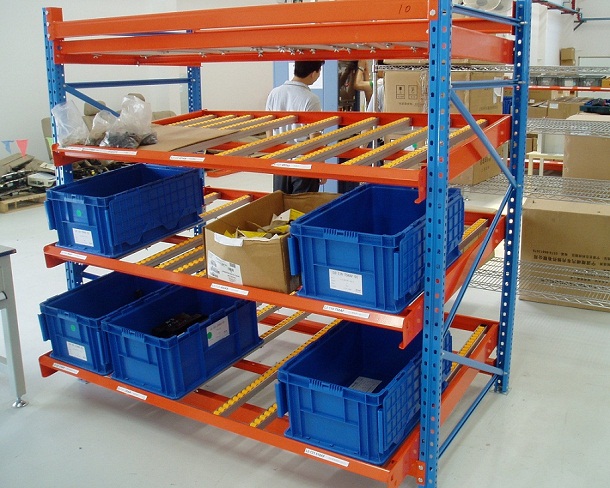
Installation and Safety: Non-Negotiable Priorities
Improper installation of heavy duty racking shelves is a leading cause of failure. This is not a DIY project for amateurs.
Professional Installation is Key. Reputable suppliers use certified installers. They ensure the structure is perfectly level, plumb, and, most critically, properly anchored to a concrete floor. Anchoring prevents tipping and is essential for safety.
Follow All Load Notices. Every rack will have a visible load capacity plaque. These ratings are the law for that structure. Never, under any circumstances, exceed them.
Use Appropriate Decking and Safety Accessories. Beams alone are not a shelf. Use steel wire mesh decking, plywood, or particle board rated for the load. Install column guards, aisle end protectors, and pallet supports to prevent damage from forklifts and secure loads.
Implement a Regular Inspection Program. Designate a person to conduct weekly or monthly visual inspections. Look for signs of damage: bent beams, dents in uprights, loose connections, or misaligned frames. Any damage must be addressed immediately.
Maintenance for Long-Term Performance
A little care goes a long way in extending the life of your heavy-duty racking system.
Keep the area around the racks clear. Encourage forklift operators to drive carefully to avoid impacts. Clean up spills promptly, especially in corrosive environments.
If you need to reconfigure or move the racking, have professionals disassemble and reassemble it. Never weld, drill into, or modify the structural components without consulting an engineer.
Making the Final Decision
Start with a thorough audit of your current and projected storage needs. Map your warehouse floor plan. Get quotes from several established suppliers.
A good supplier will ask detailed questions about your loads, inventory, and equipment. They should provide clear engineering drawings and load calculations. The cheapest option is rarely the best when it comes to the safety and efficiency of your heavy duty racking shelves.
The right system is an investment that pays daily dividends in space, organization, and peace of mind.
Frequently Asked Questions (FAQ)
Q1: How much weight can heavy duty racking shelves typically hold?
A1: Capacity varies greatly by system type and design. Selective pallet racking beams can often hold between 2,000 to 10,000 lbs per pair. Structural racking can handle even more. The critical factor is the specific rating provided by the manufacturer for each component (uprights and beams). You must never exceed these posted ratings.
Q2: Can I install a heavy-duty racking system myself?
A2: It is strongly discouraged. Proper installation requires specialized tools, knowledge of load dynamics, and precision leveling and anchoring. Improperly installed racking is a massive safety hazard. Always use trained, certified installers provided by your supplier or a qualified third-party.
Q3: What is the difference between boltless (rivet) shelving and true pallet racking?
A3: Boltless shelving uses a tab-and-slot design for tool-free assembly and is great for lighter industrial loads and hand-stocked items. True heavy duty pallet racking uses horizontal beams that lock into upright frames with mechanical connections (pins or bolts) and is engineered for forklift use and much higher palletized loads.
Q4: How often should I inspect my racking system?
A4: Formal, documented inspections by a competent person should occur at least annually. However, employees should be trained to perform and report basic visual checks weekly or after any incident (like a forklift impact). Look for bending, damage, missing parts, or leaning frames.
Q5: What type of flooring is required for this racking?
A5: Heavy-duty racking shelves must be anchored to a reinforced concrete floor. The floor must be level and capable of supporting the immense point loads created by the fully loaded uprights. A structural engineer may need to assess older buildings. They cannot be safely installed on asphalt, wood, or uneven floors.