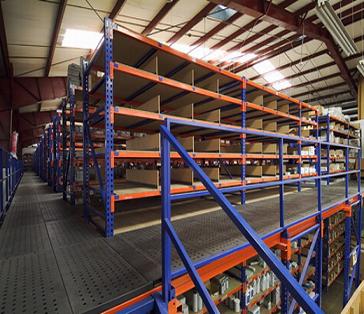
Every square foot of your warehouse is valuable real estate. How you use that space directly impacts your operation's efficiency, safety, and bottom line. The backbone of any organized storage area is its warehouse racks and shelves. Choosing the wrong system can lead to wasted space, difficult access, and even safety hazards.
This article breaks down the different types of racking and shelving systems, key factors for selection, and how to maintain them for long-term performance.
Understanding Different Types of Warehouse Racks
Not all storage needs are the same. The type of inventory you handle dictates the best warehouse racks for the job.
Selective pallet racking is the most common system you'll see. It allows direct access to every single pallet. This is ideal for warehouses with a wide variety of SKUs. You can load and unload any pallet without moving others.
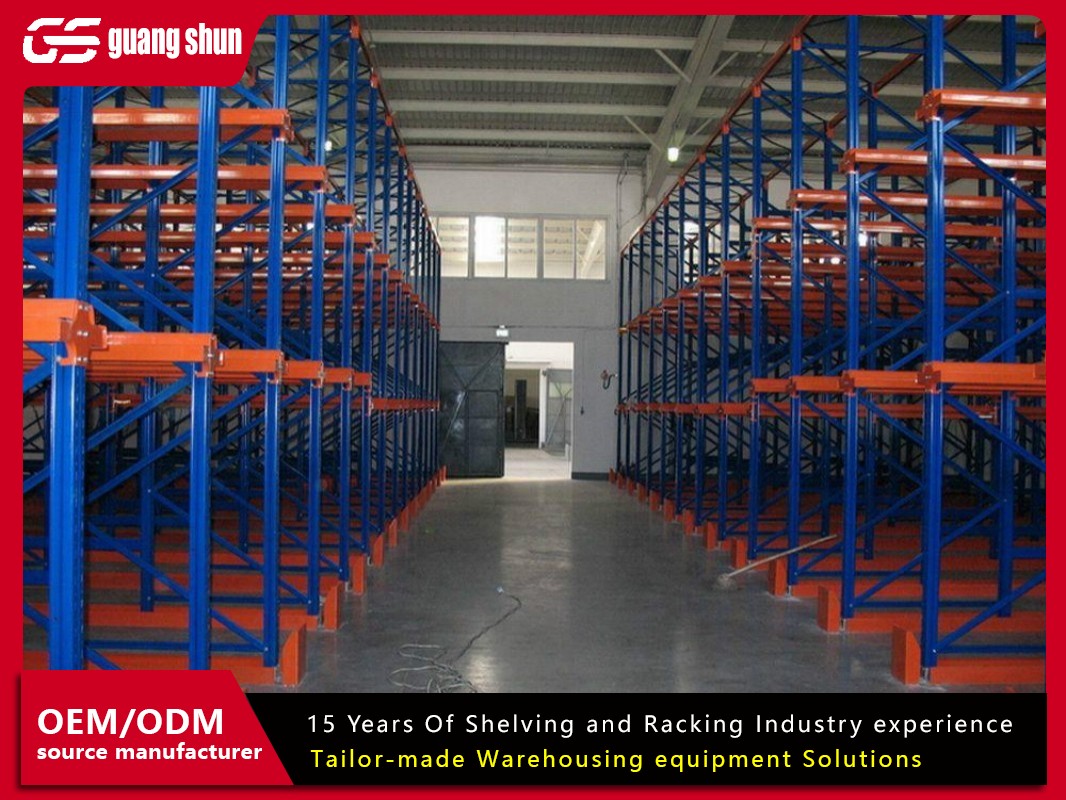
Drive-in and drive-thru racking are designed for high-density storage of similar products. Forklifts actually drive into the structure of the racks to place or retrieve pallets. It's perfect for bulk storage with low SKU counts, like seasonal items. Drive-thru allows access from both sides.
Push-back racking systems operate on a last-in, first-out (LIFO) basis. Pallets are loaded onto nested carts on an inclined rail. When a pallet is removed, the next one rolls forward. This system offers good density while allowing for multiple SKUs per bay.
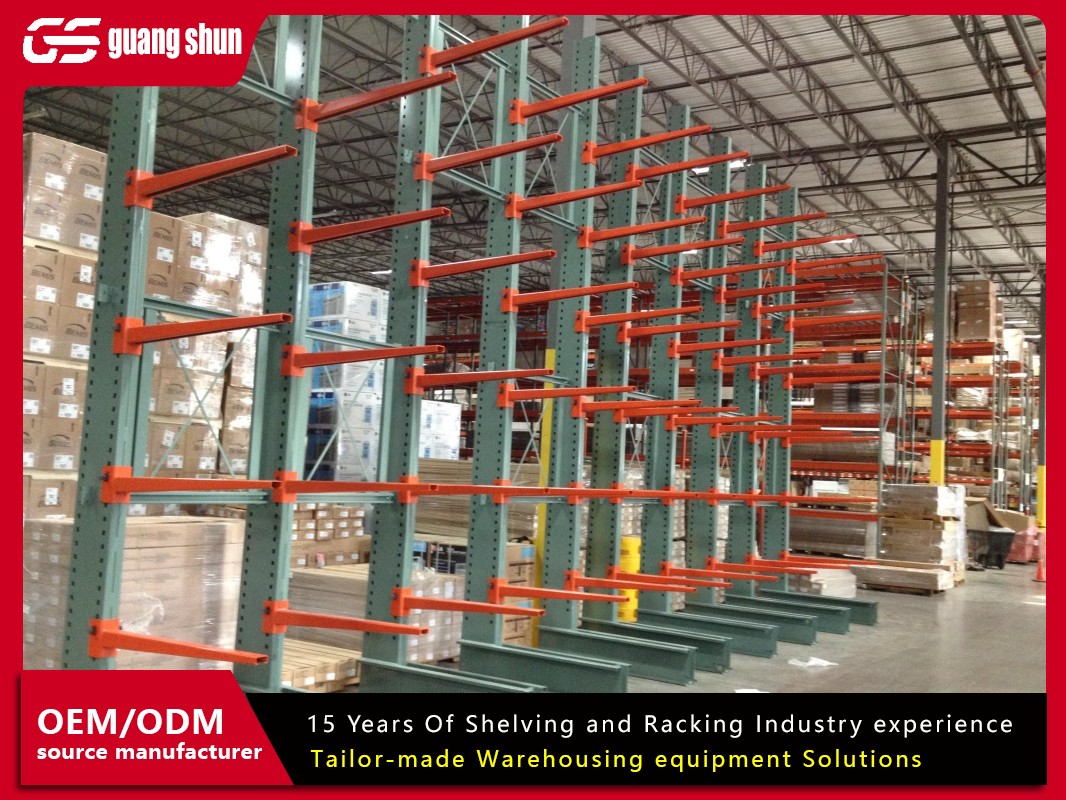
Cantilever racks are the solution for long, bulky items. Think pipes, lumber, or furniture. They feature strong vertical columns with horizontal arms that extend outwards. This creates unobstructed access along the entire length of the stored material.
Exploring Common Warehouse Shelving Options
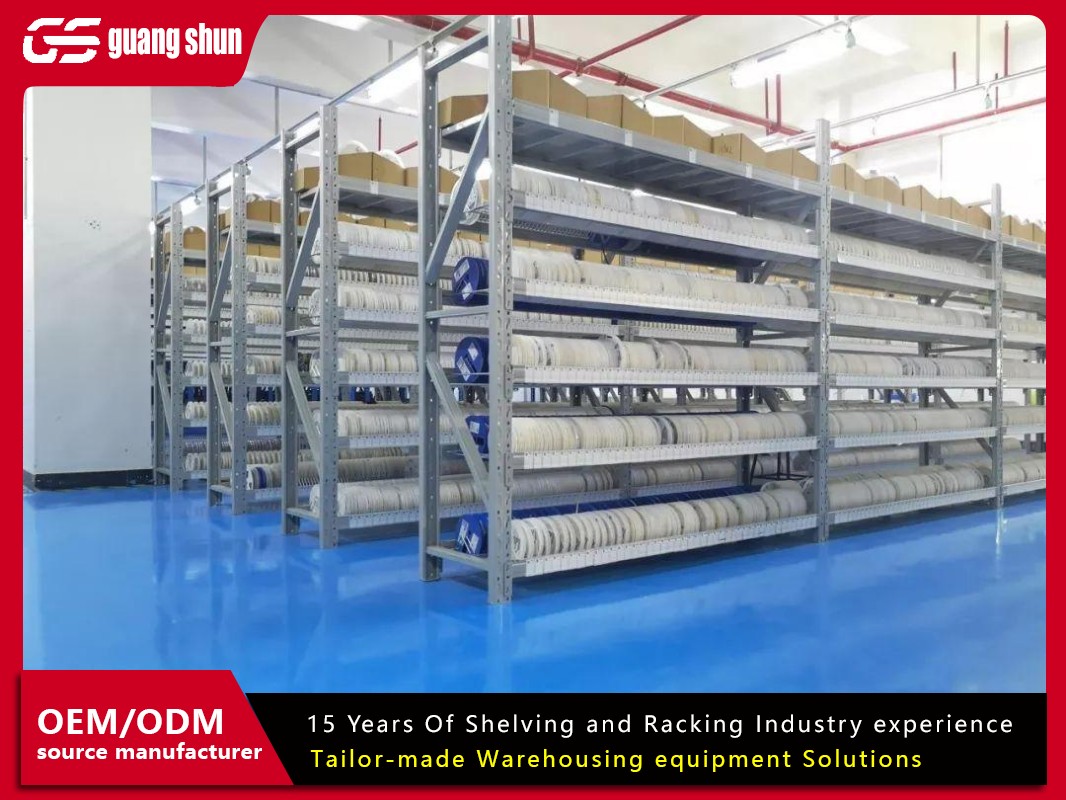
For smaller, lighter items that aren't palletized, warehouse shelves are the go-to choice. They bring organization to parts, tools, and retail stock.
Boltless shelving, or clip shelving, is incredibly popular for its versatility and ease of assembly. Beams and shelves simply clip onto the upright frames without tools. You can quickly adjust shelf heights as your inventory changes. This is a workhorse for many general storage rooms.
Wire shelving offers excellent visibility and airflow. Dust and debris fall through the mesh, making cleaning easier. It's often used in environments where cleanliness or visibility is key, like storing small parts or in food-related facilities.
Heavy-duty steel shelving is built for substantial weight. These systems often have bolt-together construction for maximum strength. They are ideal for storing bulky automotive parts, industrial supplies, or dense boxes.
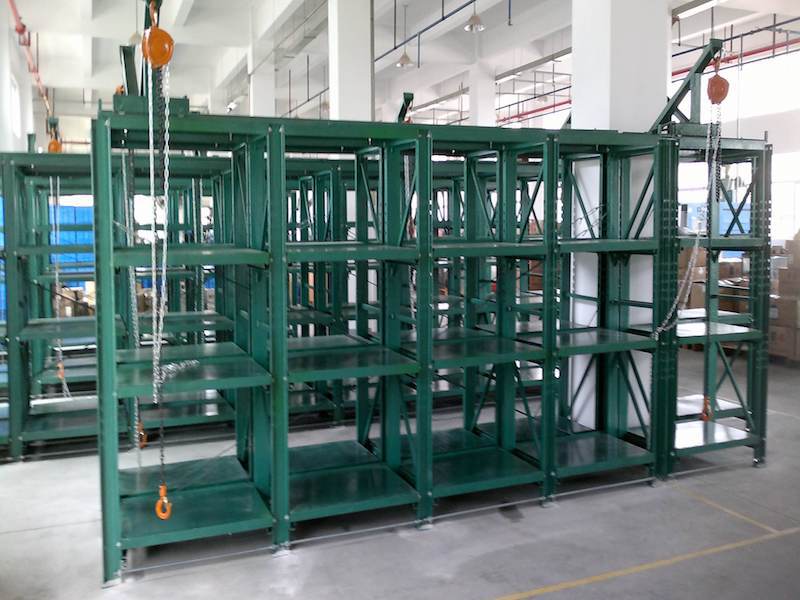
Mobile aisle shelving systems mount standard shelving units on carriages that move on tracks. This eliminates fixed aisles, packing storage density by up to 100%. You only open the aisle you need to access. It's a smart choice for archives or inventory with low pick rates.
Key Factors in Choosing Your System
Selecting between warehouse racks and shelves isn't just about the type of item. Several practical factors must guide your decision.
First, consider inventory characteristics. What are the dimensions and weight of your typical load? Is it uniform or irregularly shaped? You must know the maximum load per shelf or pallet position. Never guess on weight capacity.
Next, analyze your space. Measure your ceiling height carefully. High ceilings allow for taller racking systems, maximizing vertical cube. Also, note the location of sprinklers, lights, and columns that might interfere with installation.
Think about your material handling equipment. The forklifts or pallet jacks you use determine the required aisle width. Some racks, like selective, need wide aisles. Others, like narrow-aisle racking, require specialized equipment but save tremendous floor space.
Finally, define your access needs. Do you need to reach every single SKU at any time (FIFO)? Or are you storing large quantities of the same product (LIFO)? Your answer will point you towards selective, drive-in, or push-back systems.
Safety and Load Capacity: Non-Negotiables
Safety is paramount with any warehouse storage system. Overloading is a leading cause of catastrophic failure. Every beam and upright has a specific load rating. These ratings must never be exceeded.
Always follow the manufacturer's guidelines for safe assembly and use. Ensure that pallets are properly sized and in good condition. An overhanging or damaged pallet can create a major hazard.
Use load beams that are correctly seated and secured. Install column protectors at aisle ends to guard against forklift impacts. Regularly check for damage. A bent beam or dented upright significantly weakens the entire structure.
All warehouse racks and shelves should be inspected routinely by trained personnel. Document these inspections. Address any damage immediately by quarantining the area and having it repaired by a qualified professional.
Maintenance and Longevity of Your Storage Systems
A well-chosen storage system is a long-term investment. Proper care extends its life and keeps your operation safe.
Schedule regular visual inspections. Look for signs of damage, corrosion, or loose connections. Pay special attention to beams that are frequently used.
Keep the area around the racks and shelves clear. Don't allow debris or spilled products to accumulate. This prevents slip hazards and makes inspections easier.
If you need to reconfigure your layout, use only compatible parts from the same manufacturer or a certified supplier. Mixing components from different systems can compromise structural integrity.
Train all employees on safe practices around the storage systems. This includes proper loading techniques, how to spot damage, and the importance of reporting issues immediately.
The Future of Warehouse Storage
Storage solutions continue to evolve. Automation is a major trend. Systems like automated storage and retrieval systems (AS/RS) use robots to store and retrieve items from very tall, dense racking structures.
The demand for real-time inventory data is also growing. This leads to smarter integration between physical storage and warehouse management software (WMS). The right warehouse racks and shelves form the physical foundation that this technology relies on.
Choosing a flexible system today ensures you can adapt to these changes tomorrow. A scalable setup allows for growth and the integration of new technologies without a complete overhaul.
Investing time in selecting the right warehouse racks and shelves pays continuous dividends. It creates a safer workplace, improves operational flow, and protects your valuable inventory. Your storage system should work for you, not against you.
Frequently Asked Questions (FAQ)
Q1: What is the main difference between warehouse racks and shelves?
A1: The primary difference is capacity and what they store. Warehouse racks are heavy-duty structures designed to hold full pallets, often accessed by forklifts, with capacities measured in thousands of pounds. Warehouse shelves are typically for smaller, hand-stacked items like boxes, bins, or parts, with capacities measured per shelf level.
Q2: How do I calculate how much warehouse racking I need?
A2: Start by analyzing your inventory profile. Calculate the total number of pallets or storage positions you need at peak capacity. Consider the footprint of each pallet, required clearances, and aisle space for your equipment. A professional space planning analysis is often recommended to optimize the layout before purchasing.
Q3: Can I mix different types of racks and shelves in the same warehouse?
A3: Absolutely. Most efficient warehouses use a combination. You might have selective pallet racks for fast-moving pallets, bulk shelving for small parts, and cantilever racks for long materials. The key is to zone your warehouse based on product type and pick frequency.
Q4: What are the most important safety checks for warehouse racking?
A4: Key safety checks include: inspecting for forklift damage (dents, bends), ensuring load beams are properly locked and not overloaded, checking that pallets are correctly sized and not damaged, verifying that column guards are in place and secure, and looking for any signs of leaning or misalignment in the structure.
Q5: How often should warehouse storage systems be professionally inspected?
A5: While daily visual checks by staff are crucial, a formal inspection by a competent person should be conducted at least annually. More frequent professional inspections are recommended in high-traffic environments, after any impact incident, or if the racking configuration is significantly altered.