Multi Level Shelving Engineering: Structural Classifications, Load Calculations & Vertical Integration StrategiesIn high-throughput distribution centers and manufacturing facilities, the constraint of horizontal footprint is a primary driver of operational inefficiency. When single-level storage reaches capacity, the economically sound alternative is vertical expansion through engineered multi level shelving. Unlike standard pallet racking, these integrated structures function as intermediate floors, converting airspace into usable picking, packing, or bulk storage zones. Over the past decade, I have overseen structural implementations across automotive logistics, pharmaceutical cold chain, and e-commerce fulfillment, where multi level shelving reduced average travel paths by 38% and increased storage density by 140% compared to conventional layouts. This analysis dissects the engineering classifications, load path mechanics, and safety-critical design parameters that define a high-performance vertical storage infrastructure.
1. Structural Classification: Differentiating Between Boltless Mezzanines and Structural Steel Platforms
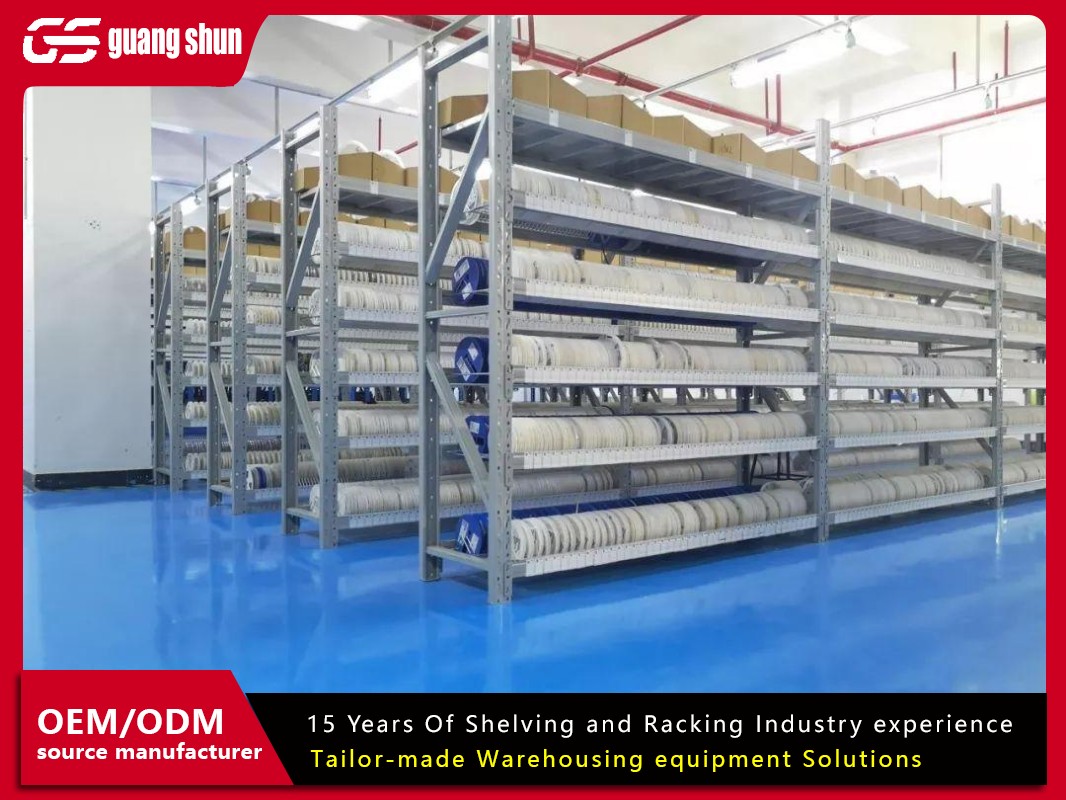
The term multi level shelving encompasses two primary engineering families: roll-formed, boltless mezzanine systems (typically 500–1,500 kg/m² live load) and heavy-duty structural steel platforms (2,500–5,000 kg/m²). The selection hinges on intended use—light assembly or carton storage versus heavy palletized goods.
1.1 Boltless Mezzanine Systems: Rapid Deployment for Light-Duty Applications
These systems utilize cold-formed steel columns and beams with interlocking connections requiring no welding or bolted splices. The engineering advantage lies in modularity; a 300 m² platform can be erected in 5–7 days with a small crew. However, the load path relies entirely on the integrity of tab-and-slot connections. For seismic zones, these systems require supplementary X-bracing or shear walls to resist lateral forces, as the inherent friction connections alone do not provide sufficient diaphragm stiffness.
1.2 Structural Steel Multi Level Platforms: Heavy-Duty Capacity and Seismic Resilience
When the upper level accommodates forklift traffic, palletized goods, or automated conveyors, structural steel construction is mandatory. These systems employ I-beams, welded column base plates, and bolted moment connections. The engineering calculations incorporate composite decking (typically 3-inch or 4.5-inch deep) with concrete fill to achieve required fire ratings (usually 1–2 hours) and vibration dampening. For facilities with Class A floor flatness requirements, the structural steel frame must be independently supported with footings that bypass the existing slab to prevent differential settlement—a critical detail often overlooked in lower-spec installations.
2. Load Path Engineering: Live Loads, Point Loads, and Seismic Force Distribution
A common industry failure point is the underestimation of concentrated point loads from material handling equipment. Standard uniform distributed load (UDL) ratings (e.g., 125 PSF) do not account for a forklift’s axle weight. For multi level shelving intended for equipment access, the structural design must comply with ASCE 7-22 standards for live load, including:
Concentrated Loads: A single axle from a 3,000 kg capacity forklift imposes 1,500 kg over a contact area of less than 0.5 m². The decking must be engineered with at least 12-gauge steel or 4-inch reinforced concrete to distribute this force without permanent deflection.
Seismic Base Shear: In Seismic Design Category C or higher, the structure’s weight (dead load + 25% of storage live load) dictates required base shear. Multi-level systems often require supplemental moment frames or braced frames at 20-foot intervals to meet drift limits (typically 1% of building height under seismic loads).
Vibration Control: For operations with high-speed sorting equipment or robotic shuttles, floor vibration frequency must be analyzed. Natural frequencies below 3 Hz can induce resonance, causing equipment malfunctions and operator fatigue. Structural steel platforms with composite concrete topping achieve frequencies above 5 Hz, mitigating this risk.
3. Spatial Optimization: Vertical Clearances, Mezzanine Integration, and Material Flow
The economic justification for multi level shelving hinges on volumetric efficiency. However, improper clearance planning results in constrained workflows. Critical parameters include:
Vertical Clearances: A minimum of 2.5 m (8.2 ft) between the mezzanine floor and overhead sprinklers or structural building elements is mandated by OSHA 1910.29 for pedestrian areas. For forklift operations, clear height increases to 3.0 m (10 ft) to accommodate mast tilt and operator visibility.
Column Spacing: Standard bay sizes range from 8 ft x 10 ft to 25 ft x 30 ft. Wider spans reduce column interference but require deeper structural members, increasing steel tonnage by 15–20%. A cost-benefit analysis must weigh material cost against long-term operational flexibility.
Stair and Egress Compliance: Any mezzanine exceeding 300 m² or used for employee workstations requires two means of egress. Stairs must conform to IBC 1011 with 42-inch minimum width, 7-inch risers, and 11-inch treads, plus intermediate landings for every 12 feet of vertical rise.
4. Application-Specific Configurations: Addressing Industry-Specific Workflows
The versatility of multi level shelving lies in its ability to be tailored to distinct operational profiles. The following are engineering case examples:
4.1 E-Commerce Micro-Fulfillment: Carton Flow and Pick Modules
For e-commerce operations requiring high pick density, mezzanine systems are configured with carton flow racks on upper levels and packing stations below. The structural design must accommodate conveyor penetrations through the deck—requiring reinforced cut-outs with C-channel framing to maintain diaphragm integrity. A recent installation utilized a three-level multi level shelving structure that reduced pick cycle time from 180 seconds to 97 seconds per line by consolidating fast-moving SKUs on upper levels directly above packing lines.
4.2 Automotive Manufacturing: Tooling and WIP Storage
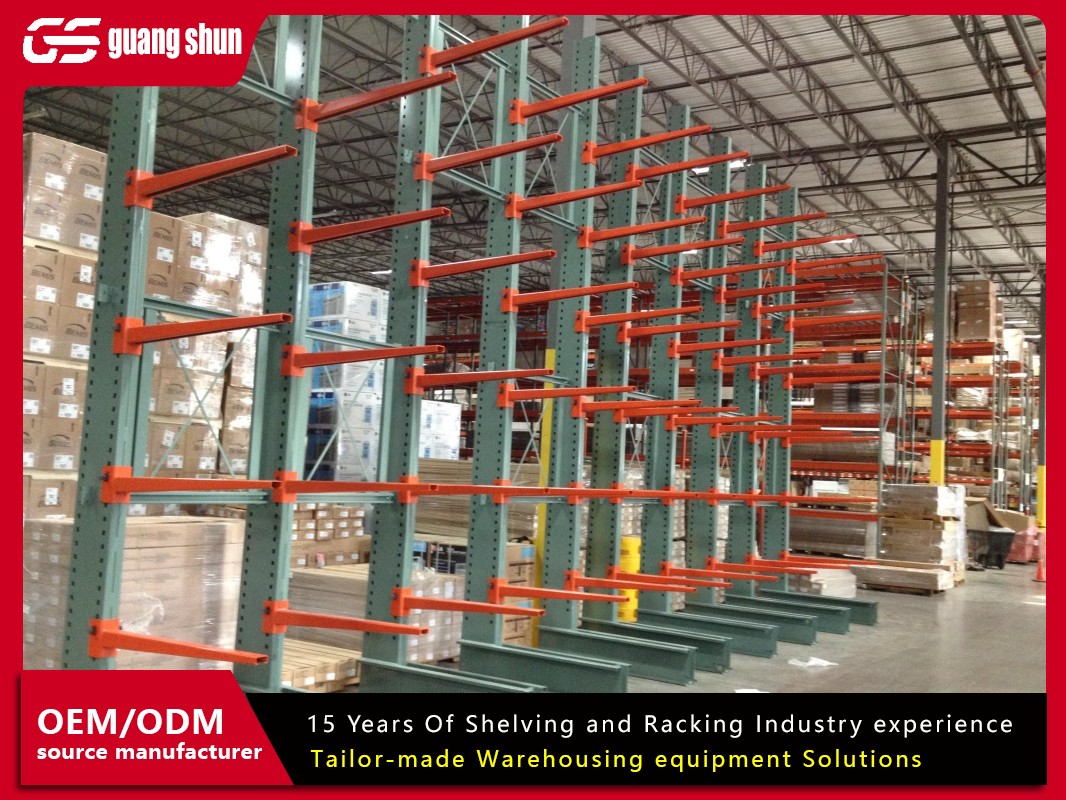
Automotive plants leverage structural mezzanines for work-in-progress (WIP) storage directly adjacent to assembly lines. The loading profile includes heavy jigs and fixtures (up to 1,200 kg per rack position). Here, the integration of cantilever rack arms on the mezzanine columns is a specialized solution that maximizes floor space below while supporting long, bulky components above. Guangshun engineered such a system for a Tier-1 supplier, where the mezzanine doubled available WIP capacity without expanding the building footprint.
4.3 Cold Storage and Pharmaceutical: Thermal Efficiency and Cleanability
In cold storage environments, multi level shelving reduces the cubic volume that requires temperature control by consolidating storage vertically. However, condensation management is critical. The structural steel must be coated with epoxy or zinc-rich primers to resist corrosion in high-humidity, temperature-cycling environments. Additionally, decking must be non-porous and sloped to facilitate washdowns, with floor drains integrated into the structural design to comply with FDA sanitary requirements.
5. Industry Pain Points: Structural Failures, Fire Safety, and Regulatory Compliance
The most frequent industry failures in multi level shelving systems stem from three root causes: inadequate anchoring, under-specified decking for point loads, and fire code violations. Data from facility audits indicate that 22% of multi-level installations lack properly rated fire sprinkler coverage beneath the mezzanine, a direct violation of NFPA 13.
Anchoring Failures: Column base plates must be anchored using chemical epoxy or mechanical expansion anchors with embedment depths calculated based on the slab thickness and concrete compressive strength. A typical failure is the use of wedge anchors in slabs less than 6 inches thick, resulting in pullout under lateral loads.
Fire Sprinkler Deficiencies: NFPA 13 mandates that any mezzanine exceeding 20% of the building floor area or used for storage of combustible materials requires in-rack or ceiling sprinklers below the structure. Solid decking (e.g., plywood or metal with minimal openings) acts as a fire barrier, necessitating sprinklers on both levels.
Fall Protection: OSHA 1910.28 requires guardrail systems on any mezzanine edge with a drop exceeding 48 inches. Guardrails must withstand a 200 lb (89 kg) concentrated force in any direction. Many facilities neglect toe boards, resulting in falling object hazards to workers below.
To mitigate these risks, Guangshun provides comprehensive engineering packages that include stamped structural calculations, fire safety integration plans, and seismic force-resisting system details, ensuring that each multi level shelving project meets or exceeds local building code thresholds.
6. Economic Analysis: Capital Expenditure vs. Operational Efficiency
From a financial perspective, multi level shelving offers a compelling alternative to facility expansion or off-site warehousing. The cost per square meter for a structural mezzanine typically ranges from $280 to $450 USD, inclusive of engineering, steel, decking, and fire protection modifications. By comparison, new warehouse construction averages $850–$1,200 per m² in current markets, excluding land acquisition.
Beyond direct cost savings, these structures reduce travel distances. A distribution center implementing a two-level system with pick-to-light technology on the upper level realized a 44% reduction in labor hours per order. The depreciation schedule for mezzanine structures aligns with 10–20 year asset classifications, and the modular nature allows for future reconfiguration—a critical factor in industries with fluctuating inventory profiles.
Frequently Asked Questions (FAQs)
Q1: What is the maximum height I can achieve with a multi level shelving system before requiring a building permit and full structural engineering review?
A1: In most jurisdictions, any freestanding mezzanine exceeding 12 feet in total height, or exceeding 20% of the building floor area, requires a building permit and engineering stamps. Additionally, if the mezzanine supports any mechanical equipment, HVAC, or is classified as a “floor” for occupancy (more than two levels), it falls under full IBC code compliance. Always verify with local authorities; even smaller structures may require permits if they impact fire egress or sprinkler coverage.
Q2: How do I calculate the required load capacity for a mezzanine that will accommodate both static storage and pedestrian traffic?
A2: The design must account for the greater of either the uniform live load (typically 125 PSF for light storage, 250 PSF for heavy) or the concentrated load from material handling equipment. For mixed-use, ASCE 7-22 specifies that floors used for storage must be designed for the storage load OR the equipment load, whichever is larger. Additionally, consider impact factors: for forklifts, apply a 1.25 impact factor to the live load. A structural engineer should perform a comprehensive load case analysis that includes dead load, live load, seismic, and wind uplift (if roof-connected).
Q3: Can multi level shelving be integrated with automated storage and retrieval systems (AS/RS) or robotics?
A3: Yes, but with critical tolerance requirements. For robotic shuttle systems, the floor flatness must meet Fmin 50–75 (F-number system) to prevent navigation errors. The column placement tolerance must be within ±3 mm over the entire grid. Additionally, the mezzanine must be engineered to resist vibration frequencies generated by high-speed shuttle movements. Pre-engineering consultation is essential to specify the correct deck thickness (typically 4–6 inches of reinforced concrete) and structural steel gauge to achieve the required dynamic stiffness.
Q4: What fire protection measures are mandatory for multi level shelving in warehouses with sprinklered buildings?
A4: Under NFPA 13, mezzanines with solid decks (i.e., no more than 30% open area) require sprinklers both above and below the mezzanine. If the mezzanine is constructed with open grating (e.g., bar grating with at least 50% open area), sprinklers may be required only at the ceiling level, provided the open area allows heat and smoke to rise unimpeded. However, the presence of stored materials on the mezzanine often necessitates in-rack sprinkler arrays regardless of deck type. A fire protection engineer must evaluate the commodity classification and storage arrangement.
Q5: What is the typical lead time for a custom-engineered multi level shelving system, and what factors affect it?
A5: For a standard structural steel mezzanine (500–2,000 m²), engineering and detailing take 2–4 weeks, fabrication requires 4–6 weeks, and installation spans 3–8 weeks depending on complexity. Factors that extend lead times include seismic design requirements (adding 2–3 weeks for specialized connections), integration of conveyor systems (requiring structural modifications), and third-party fire sprinkler modifications. Expedited timelines are possible for boltless, pre-engineered mezzanines, which can be delivered in 2–3 weeks but with lower load capacities.
For detailed structural analyses, load capacity certifications, and turnkey installation coordination, consult the engineering division at Guangshun. Their expertise ensures that your multi level shelving solution maximizes vertical yield while maintaining strict compliance with safety and seismic standards.