If you manage a warehouse, factory floor, or any industrial space, you've likely encountered the term rack industriel. Directly translated as "industrial racking," this term encompasses far more than just shelves. It represents the engineered backbone of storage, the critical infrastructure that turns empty space into organized, accessible, and safe inventory management.
A rack industriel system is not a simple commodity. It is a pivotal investment that directly impacts your operation's efficiency, safety, and bottom line. Choosing the wrong system can lead to wasted space, slower workflows, and even dangerous accidents. This article breaks down what rack industriel truly means, explores the main types available, and provides clear guidance on selecting the right framework for your needs.
What Exactly is Rack Industriel?
At its core, rack industriel refers to heavy-duty, structural storage systems designed to hold substantial weight, typically unitized loads on pallets. Unlike standard shelving meant for hand-picked items, industrial racking is built for integration with material handling equipment like forklifts, pallet jacks, and order pickers.
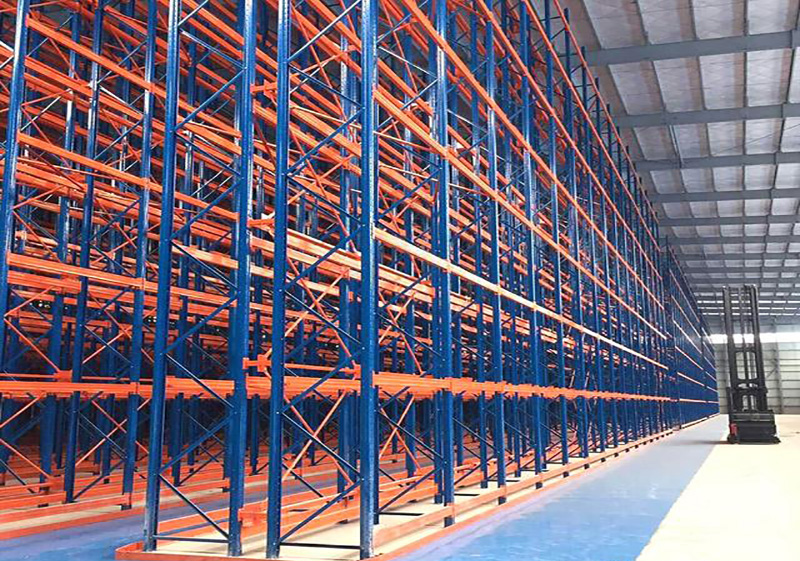
The defining characteristic of a rack industriel system is its combination of upright frames and horizontal beams, creating bays where pallets are stored. These components are manufactured from high-grade steel and are engineered to specific load capacities. The design focuses on maximizing vertical cube, ensuring direct or high-density access, and upholding rigorous safety standards.
Key Types of Industrial Racking Systems
Not all rack industriel is the same. The right type depends entirely on your inventory profile, handling equipment, and storage strategy. Here are the most common configurations.
Selective Pallet Rack
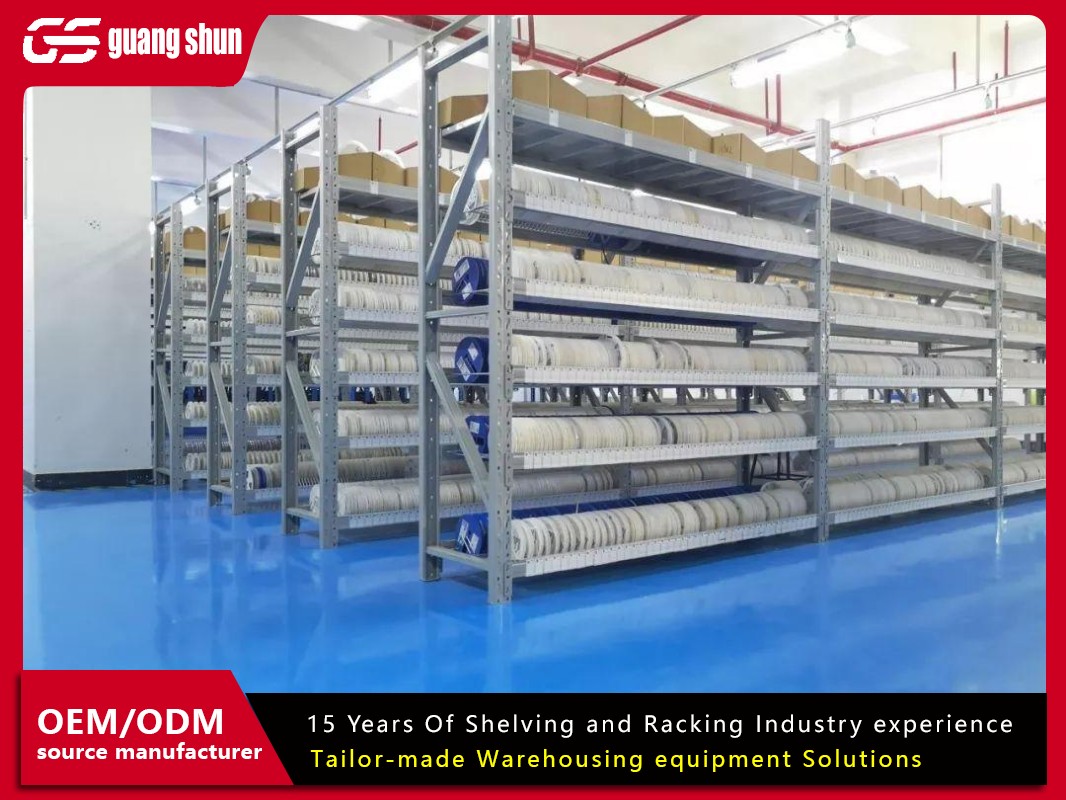
This is the workhorse, the most widely used form of rack industriel. It offers direct access to every single pallet position. While it requires wider aisles for forklift maneuvering, its flexibility for mixed SKUs is unmatched. It's the go-to solution for distribution centers with a vast variety of products.
Drive-In / Drive-Through Rack
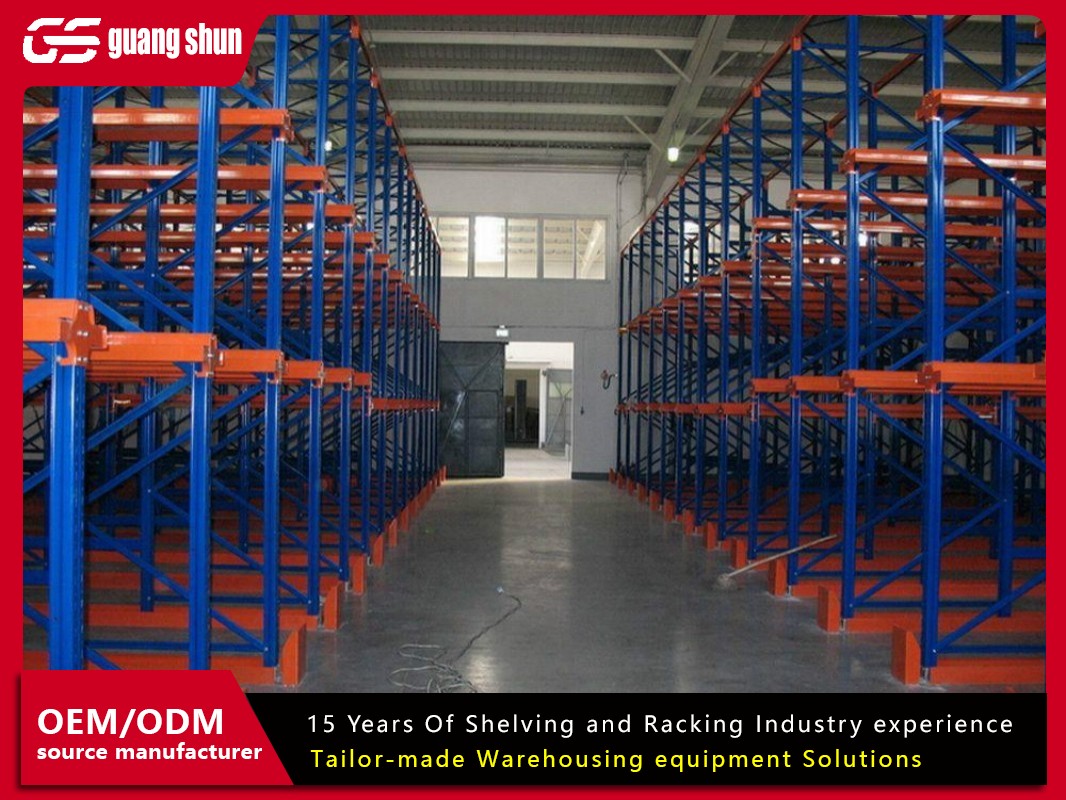
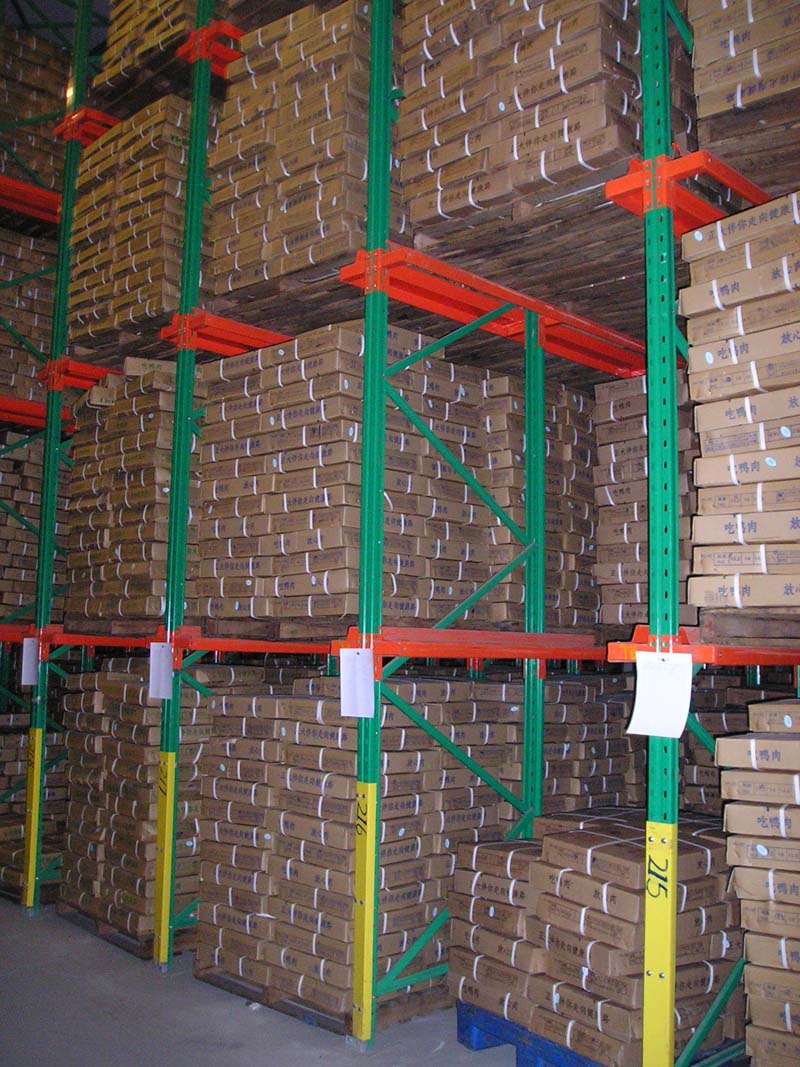
This is a high-density rack industriel solution. Forklifts drive directly into the rack structure to store and retrieve pallets, which are stored on rails or rails. Drive-In rack has an entrance on one side; Drive-Through has access from both ends. It's ideal for bulk storage of homogeneous products with lower SKU counts, like beverages or canned goods.
Push Back Rack
Another high-density option, Push Back rack industriel stores pallets on nested carts on a slightly inclined rail system. When a pallet is placed, it pushes the previous ones back. When retrieved, the next pallet rolls forward. It offers better selectivity than Drive-In systems, as each lane can hold multiple SKUs.
Cantilever Rack
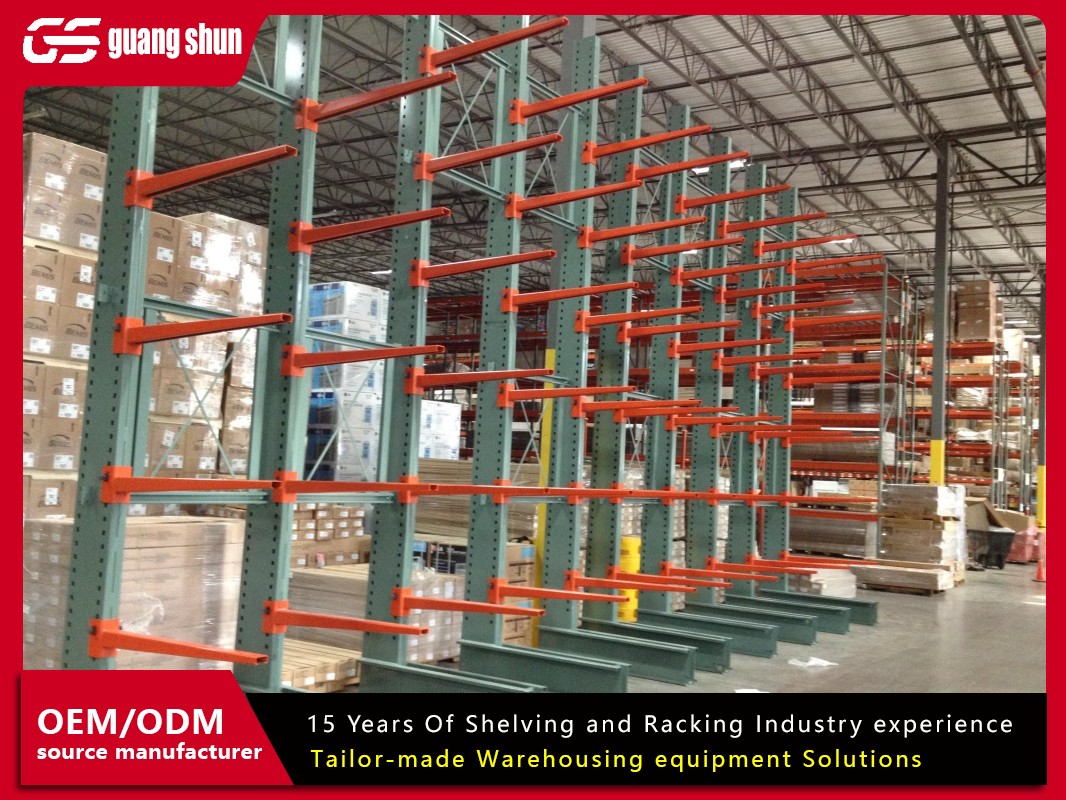
This specialized rack industriel is designed for long, awkward items that would be inefficient on standard pallet rack. Arms extend from a central column, providing clear, unobstructed access to store items like lumber, piping, furniture, or textiles. It is essential for manufacturing and wholesale businesses.
Pallet Flow Rack
A dynamic rack industriel system that uses gravity. Pallets are loaded at a higher rear end and flow gently down rollers or wheels to the picking face at the front. It enforces perfect First-In, First-Out (FIFO) inventory rotation and is excellent for high-throughput operations with perishable goods or date-sensitive products.
Critical Factors in Choosing Your Rack Industriel
Selecting a system is a significant decision. Rushing this process can lead to costly mistakes. Consider these non-negotiable factors:
Load Capacity and Dimensions: You must know the exact weight and dimensions (pallet size, load overhang, height) of your heaviest unit load. The rack industriel must be rated to handle this safely. Never estimate.
Inventory Profile and Accessibility: How many SKUs do you have? Do you need access to every pallet, or do you store large quantities of the same item? Your answers will point you toward selective or high-density rack industriel.
Building Constraints: Measure your clear ceiling height, floor strength, column locations, and sprinkler clearances. Your rack industriel layout must work within these physical limits.
Material Handling Equipment: The type of forklifts you use (counterbalance, reach truck, turret truck) directly determines the minimum aisle width you need. Your rack industriel layout and the equipment are a package deal.
The Importance of Professional Design and Installation
A rack industriel system is a structural asset. Professional design is not a luxury; it's a necessity for safety and optimization. Suppliers use CAD software to create a layout that maximizes your space while adhering to all safety regulations and load specifications.
Professional installation is equally critical. Improperly assembled racking is a major safety hazard. Certified installers ensure beams are correctly seated and locked, frames are plumb and anchored, and the entire system meets the engineered drawings.
Safety and Maintenance: An Ongoing Responsibility
Once your rack industriel is operational, safety depends on consistent practices. Implement a rack protection policy. This includes column guards, end-of-aisle protectors, and proper aisle marking.
Conduct regular visual inspections. Look for any damage, especially dents or bends in the upright frames caused by forklift impacts. Any damaged component must be taken out of service and replaced immediately. Never exceed the posted load capacities or alter the system without engineering approval.
Employee training is key. Ensure all forklift operators and warehouse staff understand how to use the rack industriel safely, including proper load placement and awareness of racking damage protocols.
The Long-Term Value of Quality Rack Industriel
Viewing rack industriel as a mere expense is a short-sighted approach. It is a capital investment that delivers tangible returns. The right system increases storage density, reduces product damage, speeds up order fulfillment, and enhances workplace safety.
Quality rack industriel from reputable manufacturers is durable, adaptable, and often scalable. As your business grows, a well-planned system can often be reconfigured, expanded, or relocated, protecting your initial investment for years to come.
Frequently Asked Questions (FAQ)
Q1: What is the main difference between "rack industriel" and standard warehouse shelving?
A1: The core difference is in purpose and capacity. Rack industriel is engineered for heavy, unitized pallet loads handled by machinery like forklifts. Standard shelving is designed for lighter, individual items or boxes that are picked by hand. Using shelving for pallets is unsafe and can lead to collapse.
Q2: How do I calculate the load capacity needed for my rack industriel system?
A2: You must determine the weight of your heaviest palletized load, including the pallet itself. The rack industriel system's beam and upright capacities must exceed this weight. A professional supplier will help with this calculation, factoring in safety margins and potential future needs.
Q3: Can I install rack industriel myself to save costs?
A3: It is strongly discouraged. Improper installation is a leading cause of racking failure. Professional installers have the expertise, tools, and understanding of load dynamics and safety standards (like EN 15635 in Europe) to ensure the system is structurally sound and safe for use.
Q4: What should I do if a forklift damages a part of my rack industriel?
A4: Immediate action is required. Isolate the area around the damaged upright or beam. Clearly mark it as out of service. Do not load it. Contact your racking supplier or a qualified engineer to assess the damage. The damaged component must be replaced with an approved, correctly rated part before the bay is used again.
Q5: Is it possible to relocate or reconfigure an existing rack industriel system?
A5: Yes, selective pallet racking is designed for a degree of reconfiguration and relocation. However, this should be planned and executed by professionals. Components wear over time, and the new layout must be re-engineered for the specific loads and the conditions of the new location, including floor suitability.