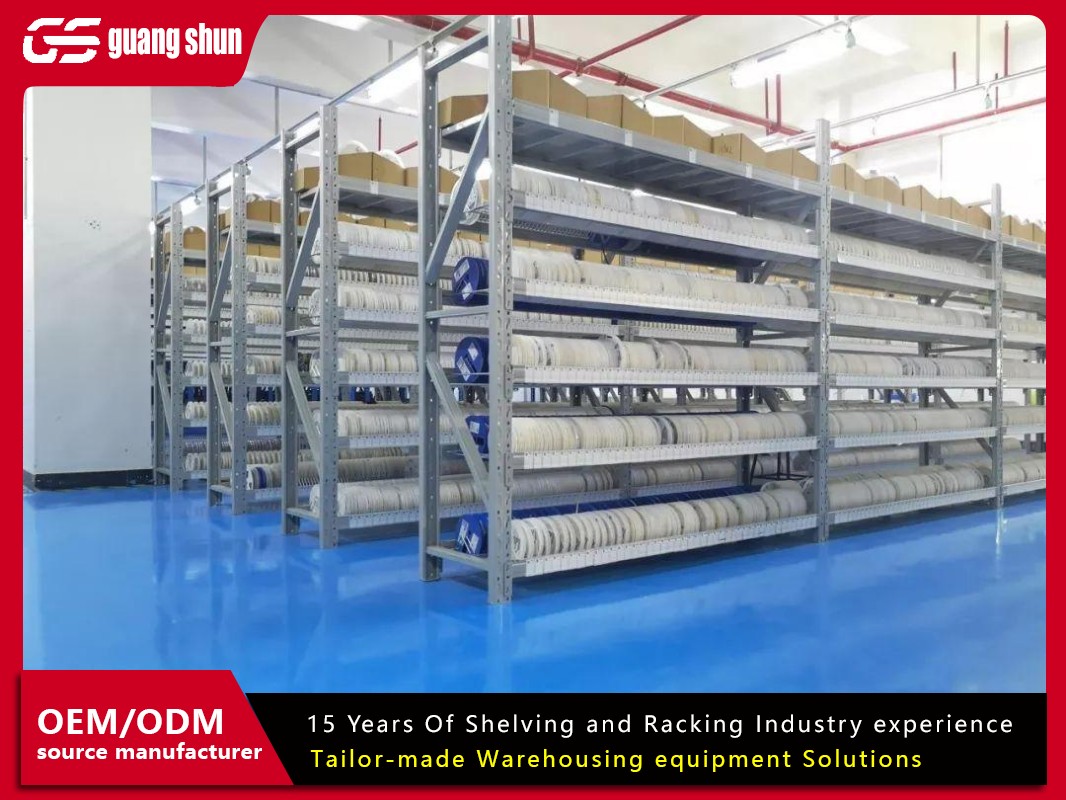
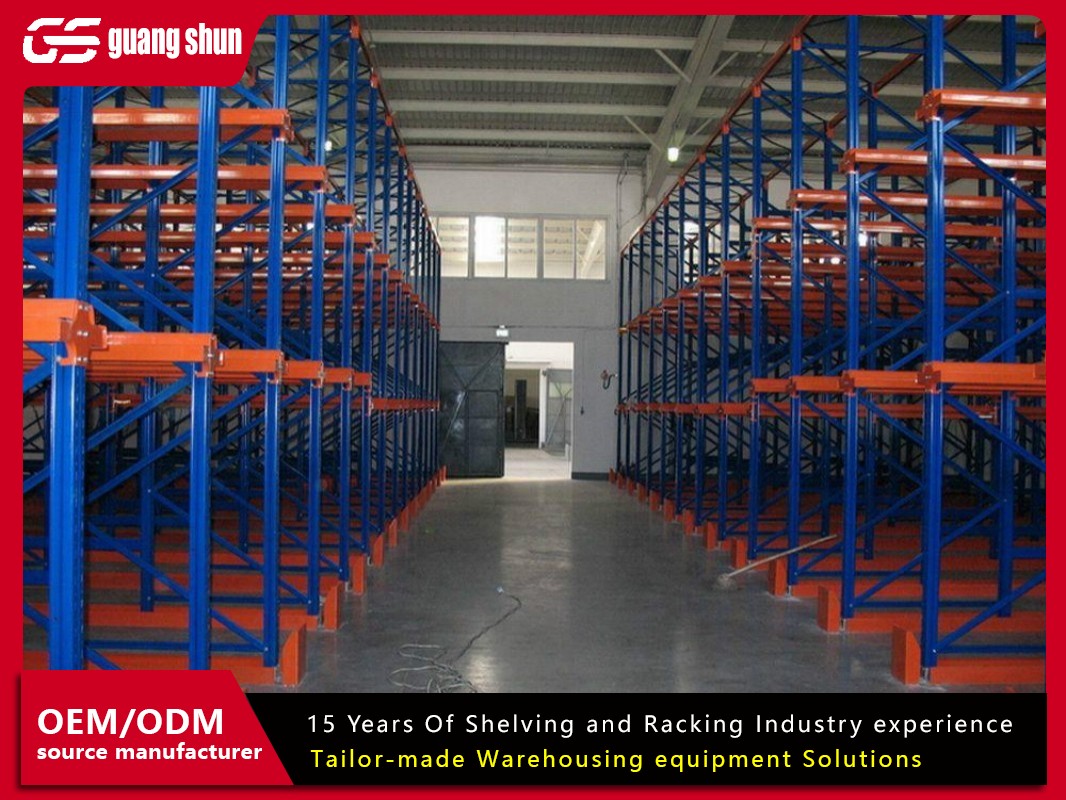
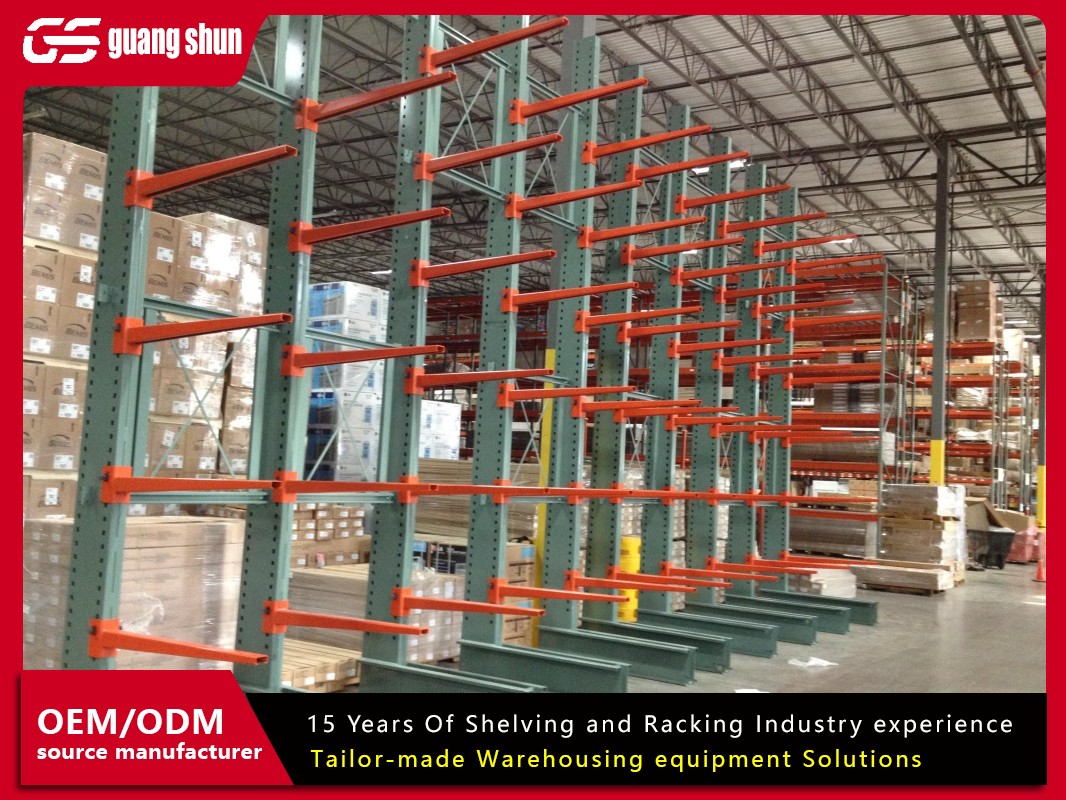
Warehouses and storage facilities are constantly battling for space. When floor area is maxed out, the only way to go is up. This is where high bay shelving becomes a game-changer.
This storage solution is designed for facilities with high ceilings, typically over 12 meters. It transforms unused vertical air space into organized, accessible storage. But picking the right system is crucial.
Let's break down the essential information.
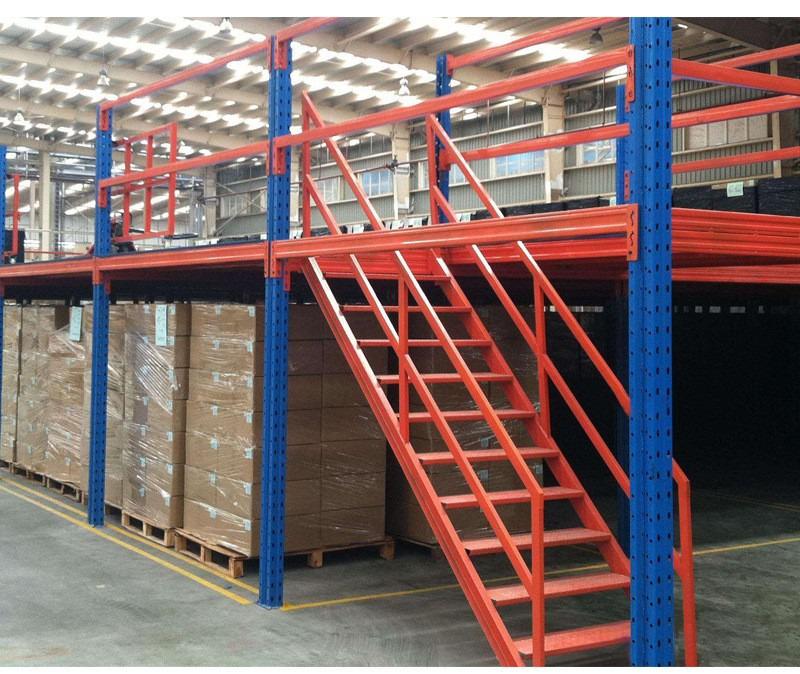
What Exactly is High Bay Shelving?
High bay shelving is a specialized storage system built for extreme heights. Unlike standard shelving, it's engineered for stability and safety at elevations often serviced by specialized equipment like order pickers or very narrow aisle (VNA) forklifts.
The core purpose is vertical storage density. By stacking goods high, you maximize your cubic storage capacity without expanding your building's footprint. This makes it ideal for storing lighter, bulkier items or slower-moving inventory.
Comparing High Bay Storage Options
Not all high-rise storage is the same. The term high bay shelving often overlaps with racking, but there are key distinctions for your warehouse storage strategy.
Selective Pallet Racking vs. High Bay Shelving:
Pallet racking is designed for heavy unit loads on pallets, accessed by forklifts. High bay shelving, often configured with clip-in beams and decks, is better for smaller, individual cases or items. It offers direct access to every single bin or box location.
Mobile Shelving Systems in High Bays:
For the ultimate in space savings, mobile high bay units can be installed. Aisles are eliminated, and units move on tracks. This can double your storage in the same area but requires sophisticated control systems.
Automated Storage and Retrieval Systems (AS/RS):
This is the high-tech end of high bay storage. Robotic shuttles automatically store and retrieve bins from enormous structures. It's for high-volume operations where speed and accuracy are paramount.
Key Applications and Selection Guide
Where does high bay shelving shine? Its use cases are specific.
Ideal Applications:
- Storing spare parts for manufacturing.
- Housing finished goods in distribution centers.
- Archiving documents or retail backstock.
- Managing kits and components in assembly areas.
- Storing lightweight, seasonal products.
How to Choose Your System: A 5-Factor Checklist
- Inventory Profile: What are you storing? Item dimensions, weight per shelf, and total stock-keeping units (SKUs) dictate shelf specifications and load capacities.
- Facility Specs: Ceiling height, column positions, and floor strength are non-negotiable starting points. Don't forget sprinkler and lighting layouts.
- Access Technology: Will you use man-aboard order pickers, ladder systems, or static pick platforms? The equipment determines your aisle width and shelf depth.
- Throughput Needs: How quickly do items move? Fast-moving goods should be at "golden zone" heights (chest to eye level) for pickers.
- Future Flexibility: Can the system be easily reconfigured? Look for bolt-free, clip-in designs that allow you to adjust shelf heights as needs change.
Understanding Costs and Budgeting
The price of a high bay shelving installation isn't just the unit cost. It's a total project investment.
Main Cost Drivers:
- Structure: Height, number of levels, and load capacity are the biggest price factors. More steel and stronger steel cost more.
- Installation: Professional installation is mandatory for safety. Complexity and height dramatically affect labor costs.
- Access Equipment: The cost of a new order picker or forklift must be considered if you don't already own suitable machinery.
- Ancillaries: Stairways, safety gates, decking, and signage add to the total.
Budgeting Tip:
Think in terms of cost per cubic meter of storage created, not just the upfront price. A well-planned, dense high bay storage system often offers a lower cost per stored item than multiple rows of floor shelving.
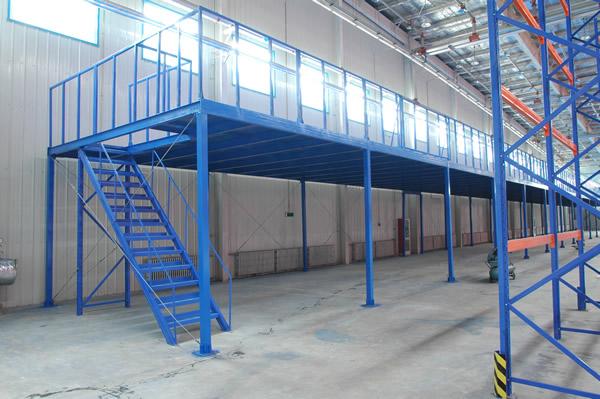
The Technical and Safety Deep Dive
Installing shelving this high involves serious engineering. This isn't a DIY project.
Critical Engineering Factors:
- Seismic & Wind Loads: In certain regions, the structure must be designed to withstand lateral forces.
- Deflection Limits: Shelves must be stiff enough to not sag excessively under full load, ensuring stability and safety.
- Footplate & Anchor Design: The connection to your concrete floor slab is the most critical safety element. It must resist uplift and shear forces.
Non-Negotiable Safety Protocols:
- Professional Design & Approval: Plans must be stamped by a qualified engineer.
- Quality Installation: Use certified installers familiar with working at height.
- Regular Inspections: Schedule periodic checks for loose bolts, beam damage, or column impacts.
- Load Signage: Every bay must be clearly marked with its maximum allowable load.
Finding a Reliable Supplier and Service Partner
Choosing the right partner is as important as choosing the right high bay shelving design.
What to Look For:
- In-House Engineering: Suppliers with certified engineers on staff can provide tailored solutions and stamped drawings.
- Proven Track Record: Ask for case studies or references from similar installations (height, industry).
- Comprehensive Service: Do they offer site surveys, installation, and post-installation inspections?
- Product Range: Can they supply a complete package, including safety accessories and decks?
A good supplier acts as a consultant, helping you navigate the complexities of high bay storage to find a solution that fits your operation today and can adapt tomorrow.
Frequently Asked Questions (FAQ)
Q1: What is the maximum height for high bay shelving?
A1: While there's no absolute universal limit, practical high bay shelving installations commonly range from 12 to over 30 meters. The ultimate height is determined by your building's clear ceiling height, the capabilities of your access equipment (like order pickers), and structural engineering considerations.
Q2: Can high bay shelving hold pallets?
A2: Typically, no. Standard high bay shelving is designed for case picking and smaller items. For full pallet storage at height, you would look into selective pallet racking, drive-in racking, or pallet shuttle systems, which are structurally designed for the concentrated weight of palletized loads.
Q3: How much does a high bay shelving system cost?
A3: Cost varies enormously based on size, specifications, and location. A small to medium system can represent a significant five-figure investment, while large, automated high bay storage warehouses can run into the hundreds of thousands. The most accurate way is to get a detailed quote based on your specific layout and requirements.
Q4: Is high bay shelving safe?
A4: Yes, when properly engineered, installed, and used. Safety is paramount and is ensured through professional structural design, correct installation by trained crews, strict adherence to load limits, routine safety inspections, and proper operator training for any machinery used with the system.
Q5: How long does it take to install a high bay shelving system?
A5: Installation time depends entirely on the project's scale and complexity. A simple, manual system might be installed in a few days. A large, multi-aisle project requiring coordination with other trades could take several weeks. Your supplier should provide a detailed project timeline after the site survey.