If your garage looks like a disaster zone, your stockroom is overflowing, or you just need a smarter way to organize heavy boxes, you’ve probably searched for storage solutions. You might have come across a term that sounds almost too good to be true: the 5 tier boltless shelving unit.
It promises serious storage without the headache of complicated assembly. But is it right for your specific needs? Is it strong enough? This article cuts through the marketing and gives you a straightforward look at what this popular shelving system can and cannot do.
We’ll cover its best uses, key features to look for, and the practical realities of owning one. By the end, you’ll know exactly if a 5 tier boltless rack is the organizer you’ve been waiting for.
What is a 5 Tier Boltless Shelving Unit?
Let's break down the name. "5 Tier" means it has five distinct shelves, offering multiple levels of storage from the floor up. This design maximizes vertical space efficiently.
"Boltless" is the key feature. It refers to a specific construction method where the shelves and frames connect without nuts, bolts, or tools. Instead, they use plastic or metal connectors, locking pins, or tabs that snap into pre-punched holes in the upright posts.
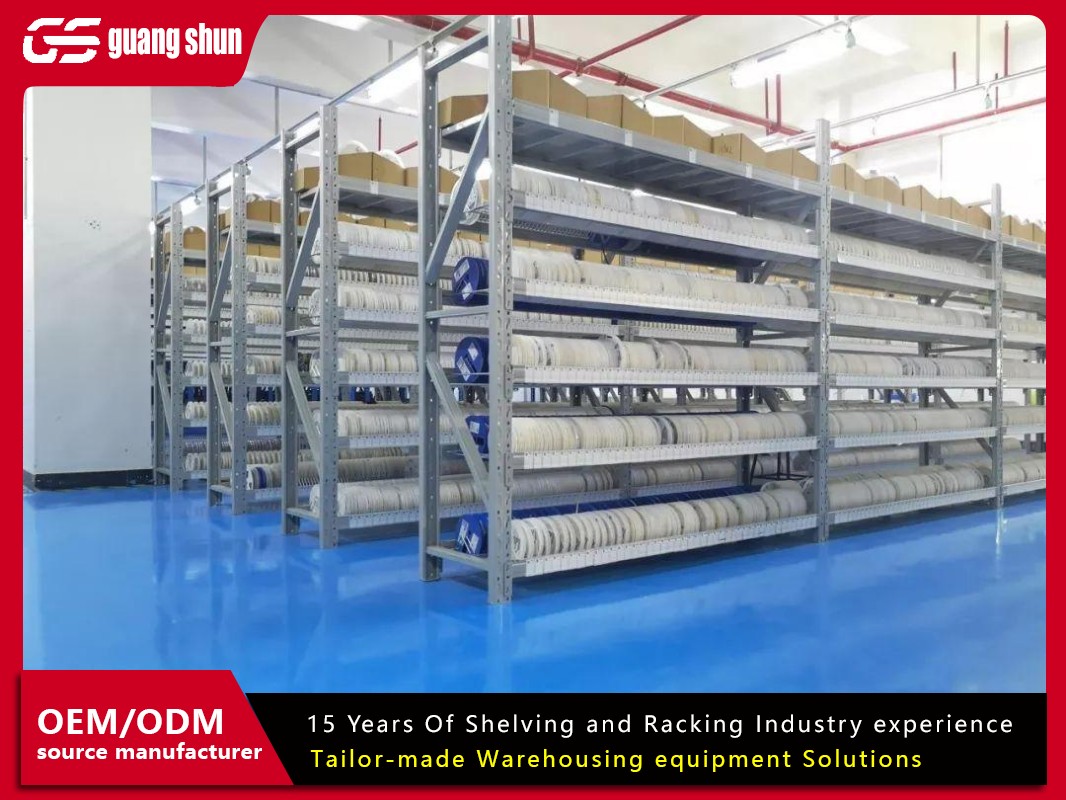
A bolt-free shelving unit is typically made of coated steel and is designed as a freestanding, modular system. It’s a step up from wire shelving in capacity but maintains relatively easy assembly.
Core Advantages: Why This Design Works
The popularity of the 5 tier boltless shelving unit isn’t an accident. It solves several common pain points for both home and business users.
The most obvious benefit is tool-free or minimal-tool assembly. You can often put a unit together in under 30 minutes with just a rubber mallet. This is a major advantage over traditional bolted shelving.
The five-tier design offers excellent storage density. It creates ample space for a wide variety of items without consuming an enormous footprint on your floor. Each level helps categorize and separate your goods.
Furthermore, most boltless shelving is adjustable. While the tier count is fixed at five, the height of each individual shelf can usually be changed. This flexibility allows you to accommodate tall bottles, short boxes, or anything in between on the same unit.
Ideal Uses and Applications
Where does a 5 tier commercial shelving unit of this type make the most sense? Its versatility is a strong point.
In the home garage, it’s perfect for storing automotive fluids, tools, sports equipment, and plastic bins. For a home basement or utility room, it handles holiday decorations, canned goods, and household supplies with ease.
In a retail stockroom or small business back office, it organizes inventory, paperwork archives, and shipping supplies. Light warehouse storage for bulkier, lighter-weight items is also a common application. It’s the go-to choice for organized, multi-category storage in a single footprint.
Critical Specifications to Check Before Buying
Not all boltless shelving units are created equal. To avoid a wobbly, disappointing purchase, you must look beyond the marketing and check the specs.
First, load capacity is everything. Look for the per-shelf capacity, not just a total. A sturdy 5 tier metal shelving unit might hold 300-600 lbs per shelf. Ensure this matches what you plan to store. Heavier items like motor oil cases or toolboxes need a higher rating.
Next, examine materials and finish. Steel thickness (gauge) matters. A powder-coated finish resists rust and scratches far better than a simple epoxy paint, especially in damp garages.
Finally, check the shelf type. Do you want a solid particle board deck for small parts? Or a sturdy wire grid that allows for airflow and dust to fall through? Your use case decides this.
The Assembly Reality: Simple, But Follow the Steps
“Boltless” does mean simpler, but it doesn’t mean “thoughtless.” Proper assembly is critical for safety and stability.
Always assemble on a flat, level surface. Start by connecting the vertical posts and horizontal stabilizers to form the end frames. The shelf beams typically snap or pin into the pre-punched holes. A rubber mallet is often recommended to tap beams securely into place.
Use a level as you go. Do not fully load the unit until all shelves are positioned and the entire structure is square. The number one cause of instability is incorrect assembly, not poor design. Taking your time here is non-negotiable.
Maximizing Safety and Stability
A fully loaded 5 tier shelving unit holds a lot of mass. Treating it safely is paramount.
Always anchor it to the wall. This is the single most important safety step, provided by a small bracket kit. It prevents any chance of tipping, especially if children are around or if you’re placing heavy items on higher shelves.
Respect the load limits. Distribute weight evenly, and place the heaviest items on the bottom shelf. This lowers the center of gravity. Never use the top shelf as a ladder. Periodically check the connections to ensure nothing has worked loose over time.
Comparing to Other Shelving Types
How does a boltless rack stack up against alternatives? It occupies a useful middle ground.
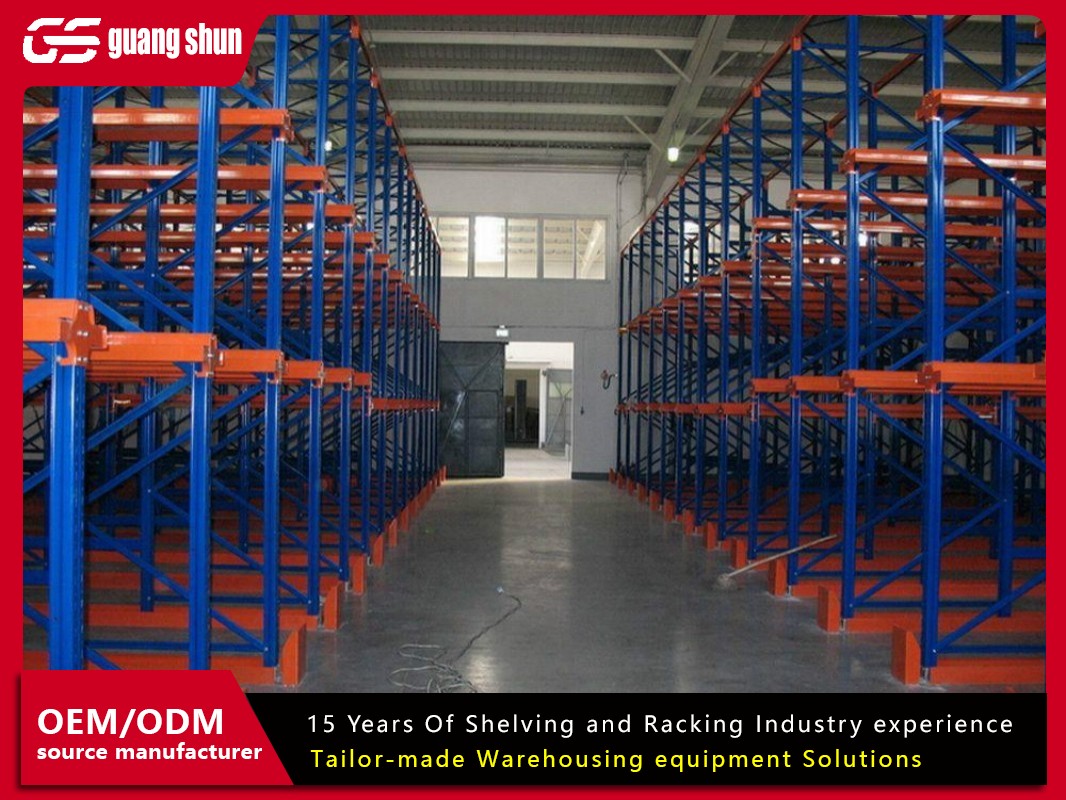
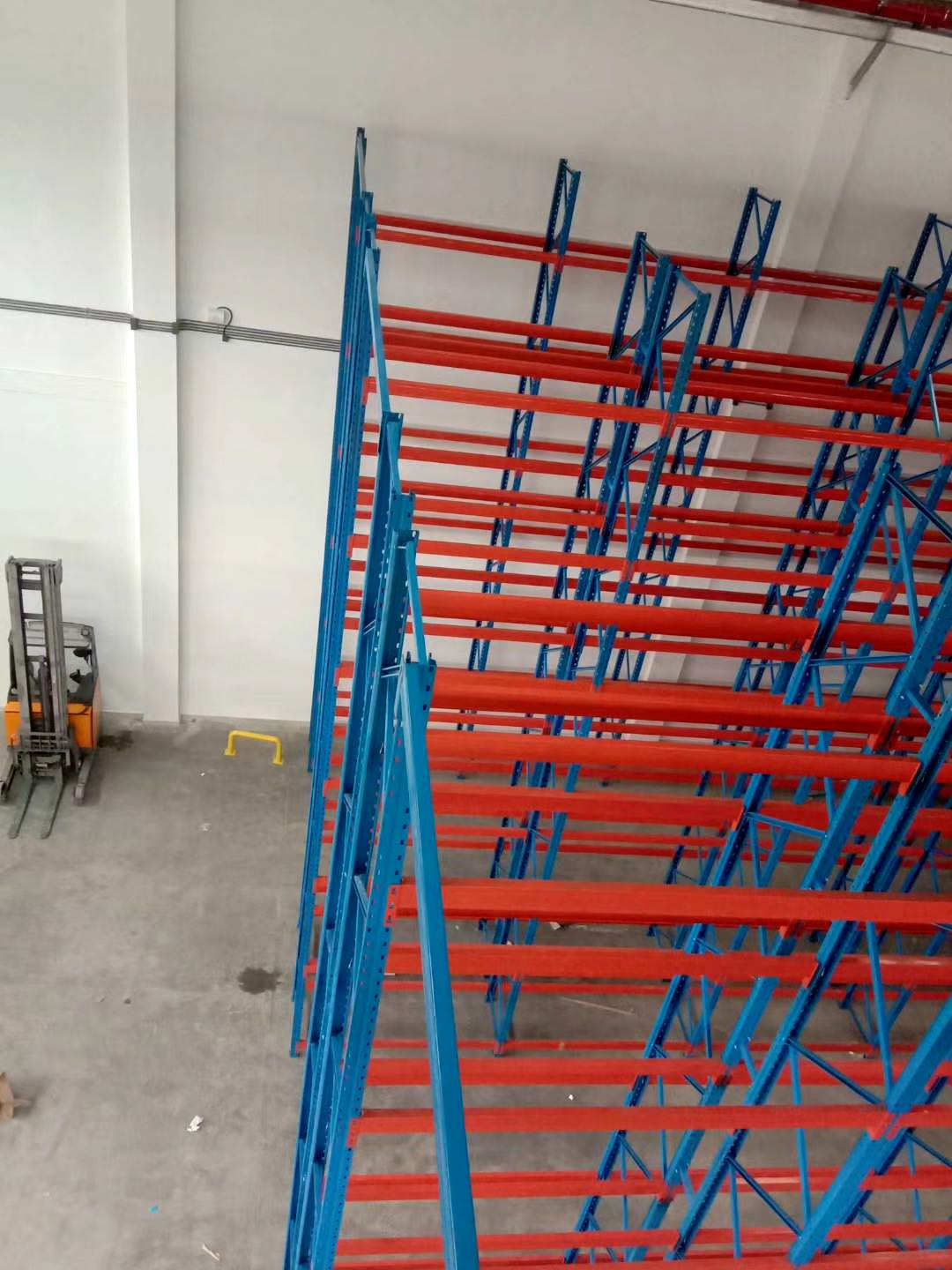
Compared to wire shelving, it is almost always stronger and offers solid decking options. Versus heavy-duty bolted shelving, it is easier to assemble and reconfigure but may have a lower overall weight capacity. It’s less specialized than pallet racking but far more accessible for general use.
For the majority of garage, basement, and light commercial needs, the 5 tier boltless shelving unit hits the sweet spot of strength, convenience, and value.
Long-Term Maintenance and Care
Maintaining your shelving is simple but important. Wipe down the shelves periodically to prevent dust and grime buildup, which can trap moisture against the finish.
Inspect the unit every few months. Look for any signs of sagging on the shelves, especially particle board. Check that all the connecting pins and tabs are still fully engaged. If you move the unit, disassemble it first. Dragging a loaded unit will damage the floor and the shelving itself.
Making the Final Decision
Choosing the right 5 tier boltless shelving unit comes down to a honest assessment of your needs. Match the per-shelf load capacity to your heaviest items. Prioritize a good powder-coated finish if moisture is present. Plan for wall anchoring from the start.
When selected correctly, this type of shelving delivers exceptional organizational value. It transforms cluttered floors into orderly, accessible storage. The five tiers give you plenty of options to sort and separate, while the boltless design means you can have it up and running quickly, without frustration.
It’s a practical, no-nonsense solution that just works.
Frequently Asked Questions (FAQ)
Q1: How difficult is it to assemble a 5 tier boltless shelving unit?
A1: Assembly is generally straightforward and designed for one or two people. Most units require no tools, using a snap-together or pin-and-hole design. A rubber mallet is often helpful to secure connections firmly. Following the instructions step-by-step is key, and assembly typically takes 20-45 minutes.
Q2: What is the actual weight capacity per shelf?
A2: Capacity varies by model and construction quality. A decent 5 tier boltless shelving unit typically supports between 250 to 600 pounds per shelf. You must check the manufacturer's specifications for the uniformly distributed load per shelf, not just the total unit capacity, to be safe.
Q3: Can the shelves be adjusted to different heights?
A3: Yes, adjustability is a standard feature of most boltless shelving. The vertical posts have multiple pre-punched holes at regular intervals (e.g., every 1-2 inches). You can disengage the shelf supports and reposition them at these different heights to customize your storage space.
Q4: Is wall anchoring really necessary?
A4: Absolutely. Wall anchoring is a critical safety step for any tall, freestanding storage unit, especially a 5 tier unit that can hold significant weight. The anchor kit (usually included) prevents the shelving from tipping forward if loaded unevenly or if bumped into. It's a simple installation that prevents a major hazard.
Q5: Are these shelves suitable for a commercial warehouse?
A5: They are suitable for light commercial or warehouse storage of lighter, bulkier items, such as boxed inventory or packaging supplies. For storing very dense, heavy items like engine blocks or industrial parts, a heavier-duty bolt-together shelving unit or pallet racking would be a more appropriate and safer choice. Always match the shelving to the exact load requirements.