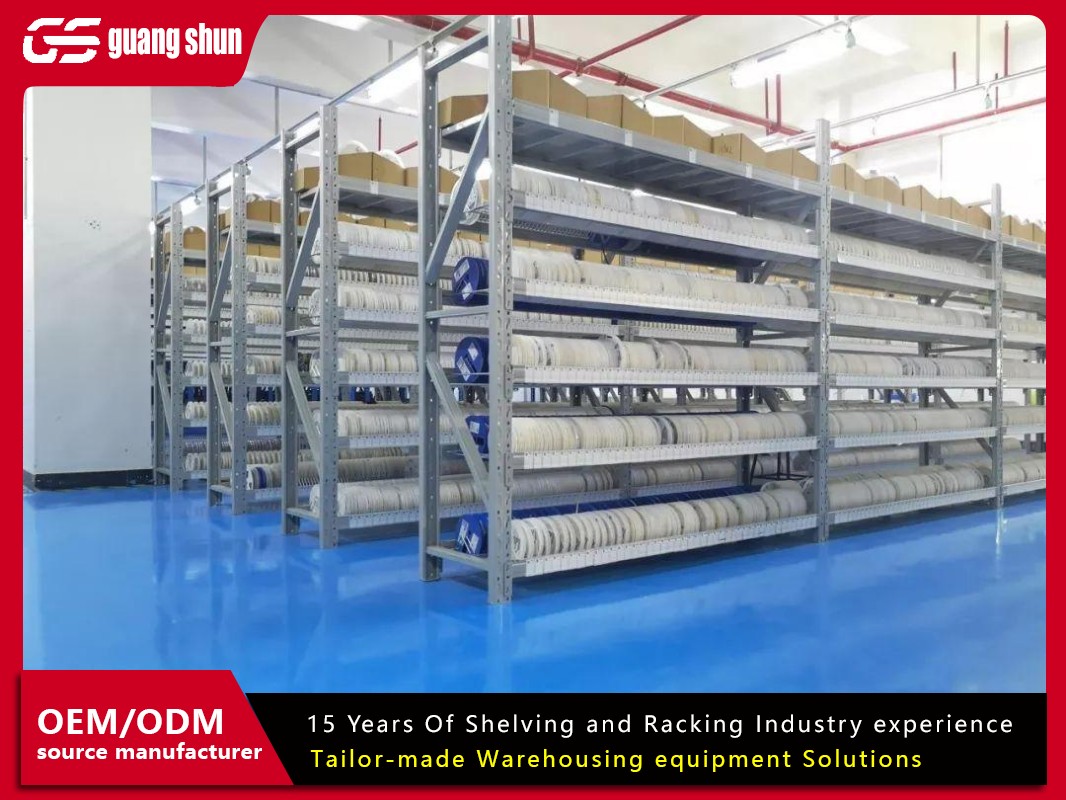
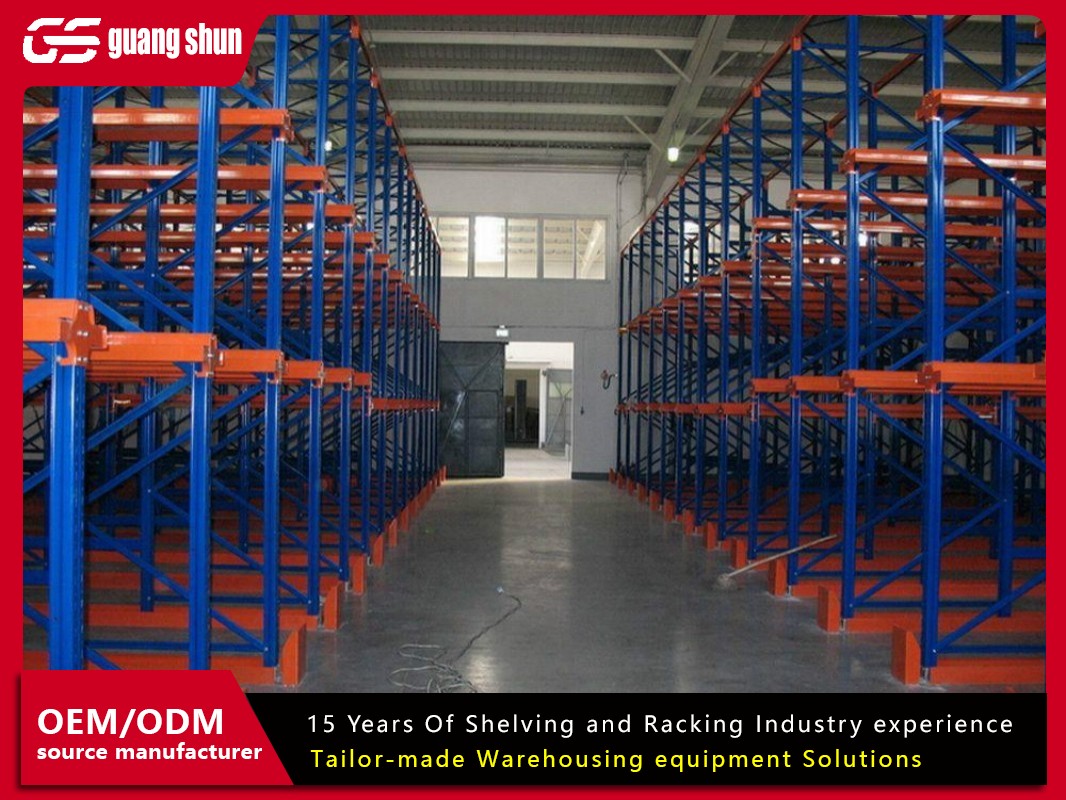
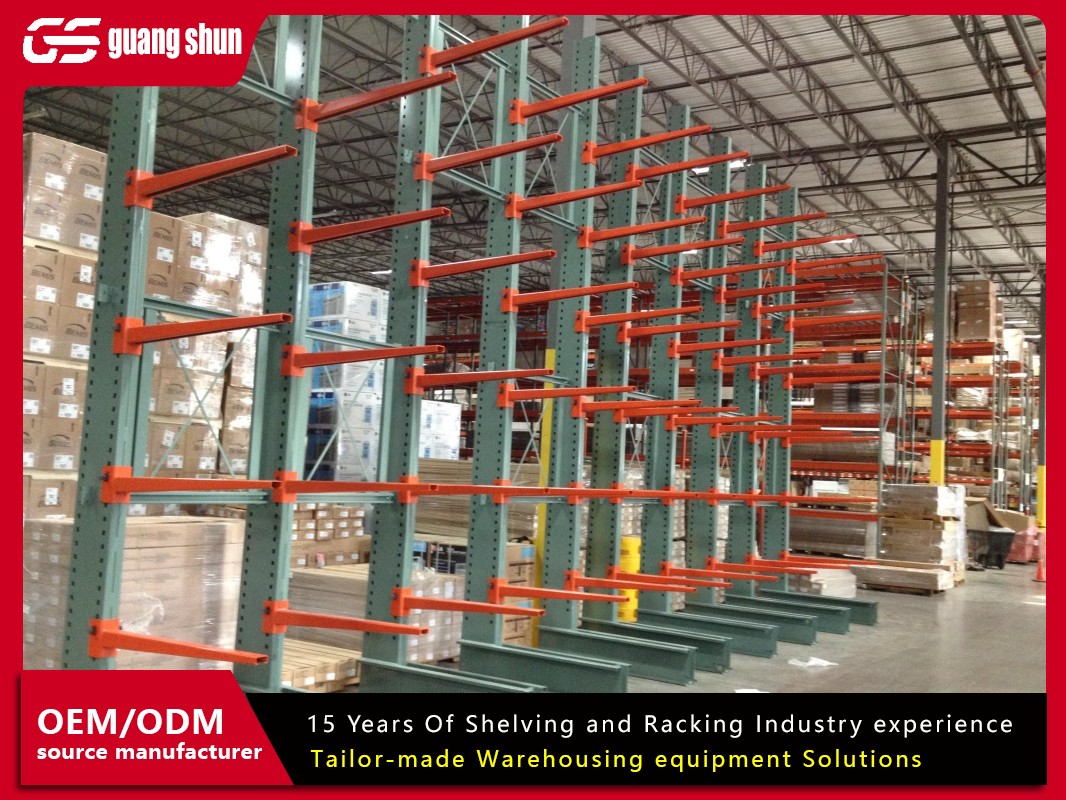
Organizing a warehouse, stockroom, or even a retail back area is a constant challenge. The right storage solution can transform chaos into efficiency, saving time and money. This is where rayonnage pour stockage — storage shelving — comes into play.
It’s more than just putting up some metal shelves. Selecting the correct système de rayonnage is a critical decision that impacts workflow, safety, and space utilization. The wrong choice can lead to wasted space, difficult access, and even dangerous situations.
This article walks through the main types of industrial and commercial shelving, their best uses, and key factors to consider. Whether you're storing pallets, small parts, or long items, understanding your options is the first step to a smarter storage strategy.
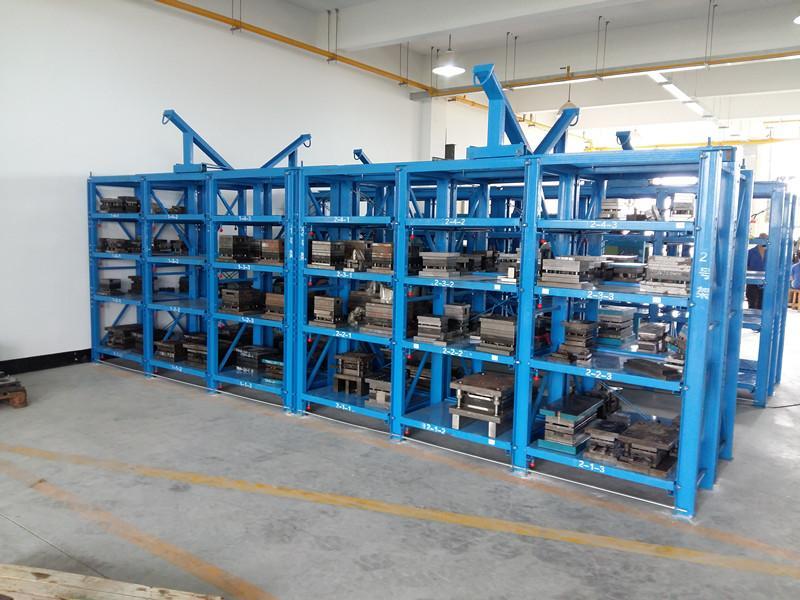
What Exactly is Industrial Storage Shelving?
In a professional context, rayonnage pour stockage refers to engineered storage systems designed for durability and heavy loads. Unlike simple retail shelves, these are built from rolled or structural steel and are modular.
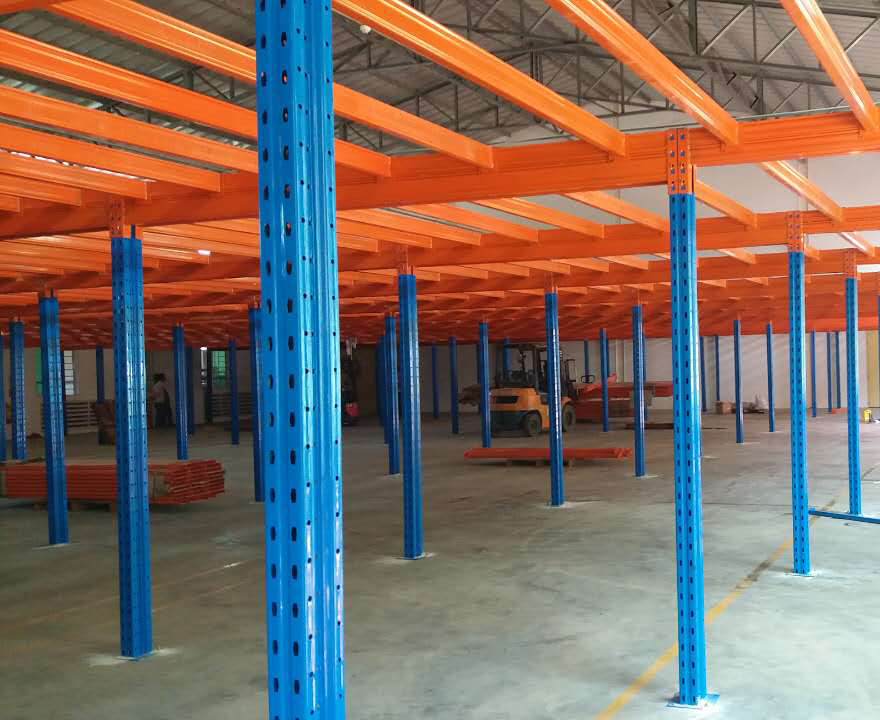
The core components are upright frames and beams. Beams slot into the frames at adjustable heights, creating the support for shelving decks, wire grids, or directly for pallets. This adjustability is a key feature, allowing the system to adapt to changing inventory needs.
These systems are designed with specific load capacities in mind. A true rayonnage industriel is rated to safely hold hundreds or thousands of kilograms per level. Understanding these ratings is fundamental to choosing a safe and effective system.
Main Types of Storage Shelving Systems
Not all storage needs are the same. The most common type is rayonnage pour palettes, or pallet racking. This includes selective pallet racking, where each pallet is directly accessible by a forklift. It’s the backbone of most warehouses for bulk storage.
For smaller items, rayonnage dynamique or live shelving uses inclined rollers. Cartons are loaded from the rear and move forward by gravity as items are picked from the front. This enforces First-In, First-Out (FIFO) inventory management perfectly.
Rayonnage à cantilever (cantilever racking) is essential for long, bulky items like pipes, timber, or furniture. It features upright columns with horizontal arms that extend out, offering clear, unobstructed access without front columns.
Finally, for archives or light industrial parts, rayonnage compact mobile or mobile shelving systems are used. Shelves are mounted on carriages that move on rails, eliminating fixed aisles and dramatically increasing storage density in a given footprint.
Key Factors for Selecting Your Shelving
Choosing the right système de rayonnage starts with asking the right questions. First, analyze what you are storing. What are the dimensions and weight of your typical load? Is it uniform, like pallets, or a mix of box sizes?
Next, consider your handling equipment. Do you use forklifts, pallet jacks, or is everything accessed manually? The required aisle width for your equipment directly determines which rayonnage de stockage type is viable.
Access frequency is crucial. How often do you need to reach each SKU? High-turnover items need to be in easily accessible locations, often in selective racking. Slow-moving or archival stock can be placed in higher locations or in denser compact systems.
Finally, think about future growth. A modular rayonnage métallique system should allow for expansion in height, depth, or by adding more bays. Planning for flexibility can save significant costs down the road.
Understanding Costs and Budgeting
The price of a rayonnage pour stockage system is not just about the per-unit cost of the shelves. It's a project with several cost components. The primary cost is the shelving units themselves, priced by bay or overall project size.
Heavier-duty systems with higher load capacities cost more due to the increased steel used. Specialized systems like rayonnage dynamique have a higher initial cost but offer operational savings.
Installation is a major line item. Professional installers ensure the system is level, plumb, and anchored correctly for safety. For large systems, this is not a DIY job. Always factor in professional assembly costs.
Don’t forget ancillary costs. These include concrete floor anchors, decking (particle board, steel, or wire mesh), safety accessories like column guards or end-of-aisle protectors, and signage. These items are essential for a complete, safe, and functional installation.
The Professional Installation Process
Installing a large-scale rayonnage industriel system is a precise operation. It typically begins with a detailed site plan and layout. The floor plan is marked, ensuring accurate placement and alignment with building columns and doors.
The installation team will then assemble the upright frames, ensuring they are perfectly vertical. Beams are then installed at the specified heights, with locking mechanisms fully engaged to prevent accidental dislodging.
A critical safety step is anchoring the entire structure to the concrete floor. This prevents tipping, especially for tall, narrow configurations. Once the structure is secure, the shelving decks or wire grids are placed.
The final step is often a load test and a safety inspection to verify that everything is installed according to the manufacturer's specifications and engineering plans. Proper installation is non-negotiable for system integrity.
Finding a Qualified Supplier and Partner
Selecting the right company for your rayonnage de stockage is as important as selecting the product. Look for a supplier with a strong track record in your industry. A company that understands warehousing may differ from one specializing in archive solutions.
A reputable supplier will start with a consultation and a site visit. They should ask detailed questions about your inventory, workflow, and growth plans. Be wary of anyone who offers a quote without understanding these fundamentals.
They should provide detailed CAD layout drawings. These drawings allow you to visualize the final installation, optimize space, and identify any potential conflicts with building infrastructure like sprinklers or lighting.
Finally, ensure they offer a complete service: design, supply, professional installation, and after-sales support. A good partner stands behind their work and can provide maintenance, reconfiguration services, and additional components as your needs evolve.
Frequently Asked Questions (FAQ)
Q1: What is the typical lead time for a custom storage shelving system?
A1: Lead times can vary significantly based on system complexity and manufacturer schedules. For standard rayonnage métallique configurations, expect 4 to 8 weeks from order confirmation to delivery. Custom or highly specialized systems, like large-scale rayonnage dynamique, can take 10 weeks or more. Always confirm timelines with your supplier during the planning phase.
Q2: Can I mix different types of shelving in the same warehouse?
A2: Absolutely. This is often the most efficient approach, known as a hybrid layout. You might use rayonnage pour palettes for full-pallet storage in bulk areas, smaller rayonnage de stockage for picking active SKUs, and rayonnage à cantilever in a specific zone for long goods. A good supplier can design an integrated plan that uses each system where it performs best.
Q3: How do I know if my concrete floor is suitable for heavy shelving?
A3: This is a vital question. The floor must have sufficient compressive strength to handle the point loads from the upright frames, especially when fully loaded. A general rule is not enough. Your supplier or installer should evaluate this. They may recommend a professional floor core test to determine the psi rating, which will dictate the required base plates or anchoring system.
Q4: What are the most important safety features to look for?
A4: Key safety features start with proper load capacity labels on every frame and beam. Look for positive beam-to-frame locking mechanisms that can’t be dislodged from below. For pallet racking, consider protections de racking like column guards, end-of-aisle protectors, and pallet backstops to prevent damage from forklifts. Always ensure the final installation is fully anchored to the floor.
Q5: Is it possible to relocate or reconfigure my shelving system later?
A5: One of the main advantages of bolt-together rayonnage pour stockage systems is their reconfigurability. Yes, systems can typically be disassembled, moved, and reassembled in a new layout or new location. However, this requires careful planning and professional labor. Note that components may show wear, and you must verify that the new floor and layout are suitable for the intended loads.