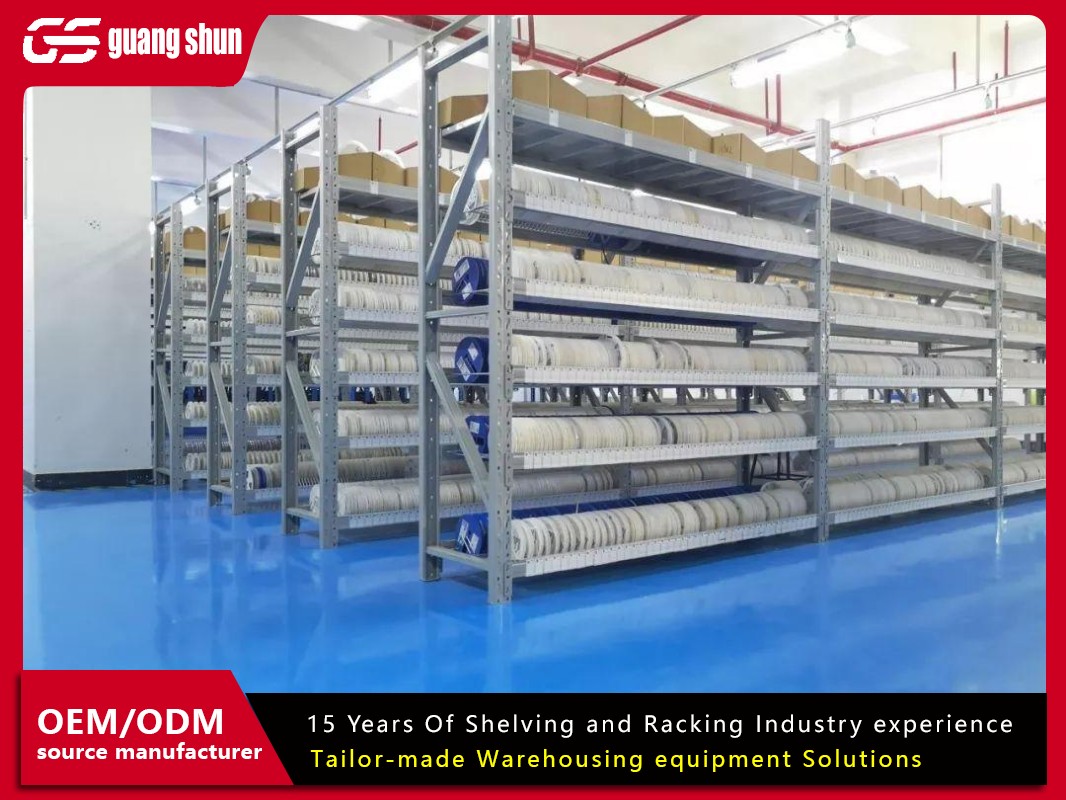
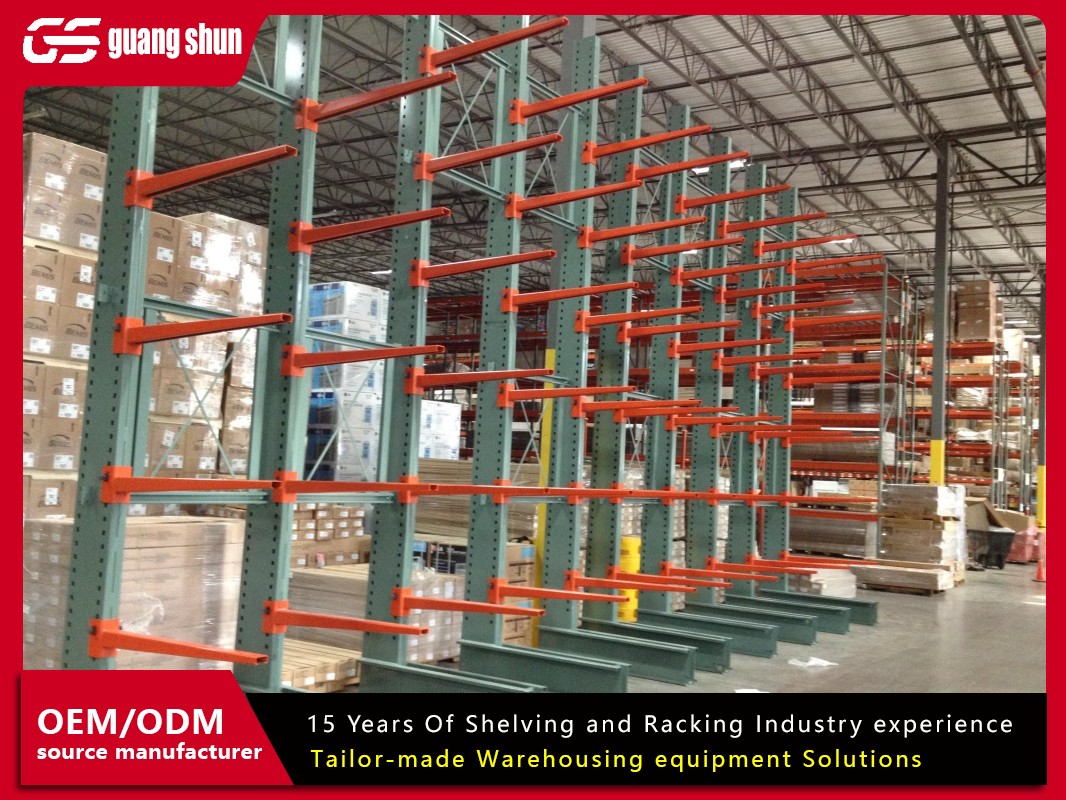
A warehouse is only as good as its storage system. While many factors drive efficiency, the choice of your racks storage warehouse setup is foundational. It determines how much you can store, how quickly you can access it, and how safely your team can operate.
Choosing the wrong warehouse storage systems can lead to wasted space, slower operations, and increased safety risks. It’s a capital investment that directly impacts your bottom line every single day.
This article breaks down five essential types of racking systems. We’ll look at how each one works, where it fits best, and what you need to consider before installation.
What Defines Professional Warehouse Racking?
When we talk about racks storage warehouse, we’re not referring to simple retail shelving. Industrial pallet racking is engineered steel structures designed to hold extreme weights—often thousands of pounds per level.
The core components are upright frames and horizontal beams. These beams create the support levels for pallets or storage containers. The system’s strength comes from its design and the quality of the steel used.
A key feature is adjustability. Beams can be moved up or down the frame to accommodate different load heights. This flexibility allows a warehouse storage rack system to evolve with your inventory needs.
1. Selective Pallet Racking: The Universal Standard
Selective pallet racking is the most common system you’ll see. It’s the workhorse of the racks storage warehouse world. Each pallet sits on a pair of horizontal beams, with direct access to every single pallet position.
This is a first-in, first-out (FIFO) system. It’s ideal for warehouses with a vast number of SKUs where quick, random access to any pallet is necessary. You’ll find it in distribution centers for retail goods and manufacturing facilities.
The main advantage is accessibility. No pallet blocks another. The trade-off is that it requires wider aisles for forklifts to turn into the rack, which uses more of your total floor space.
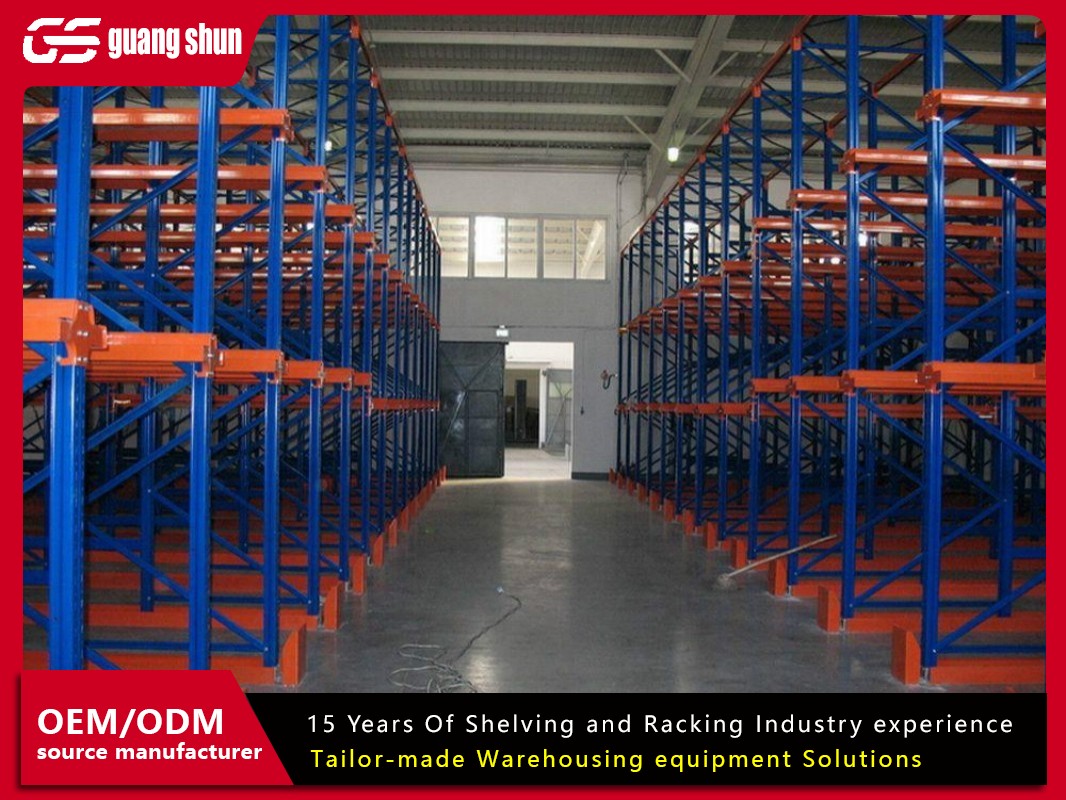
2. Drive-In/Drive-Thru Racking: For High-Density Storage
When you need to store many pallets of the same product, drive-in racking offers a solution. Instead of aisles in front of each pallet, this system uses a series of connected rails.
A forklift drives directly into the rack structure to place or retrieve a pallet. It’s a last-in, first-out (LIFO) system. Drive-thru racking is similar but allows access from both ends, enabling FIFO.
This high-density storage racking is perfect for cold storage or for products with a long shelf life and low SKU variety. It maximizes cube utilization but reduces selective access speed.
3. Narrow Aisle Racking: Maximizing Floor Space
Narrow aisle racking is a variation of selective racking designed for tighter spaces. It uses the same basic upright and beam structure but is typically taller and accessed by specialized forklifts.
These forklifts—like reach trucks or turret trucks—can operate in aisles as narrow as 6 to 8 feet. This design can increase storage capacity by 20-30% compared to standard selective racking with wide aisles.
Implementing this warehouse storage system requires investment in the right equipment and often a very flat, high-quality floor for safe operation. The payoff is significantly better space use.
4. Push Back Racking: A Dynamic Density Solution
Push back racking is a popular compromise between selectivity and density. Pallets are stored on wheeled carts nested at a slight incline on rails. Multiple pallets are stored deep (typically 2-5) per bay.
When a new pallet is loaded, it pushes the previous pallets back. When retrieving, the first pallet comes out, and gravity brings the next one to the front. It’s a LIFO system that offers more selectivity than drive-in.
This type of industrial storage rack is excellent for medium-to-high turnover products where you need multiple SKUs but also want better density than selective racking allows.
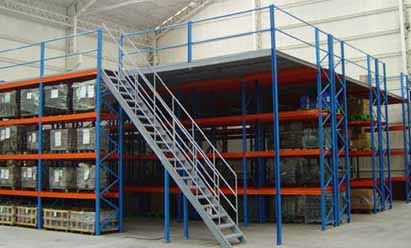
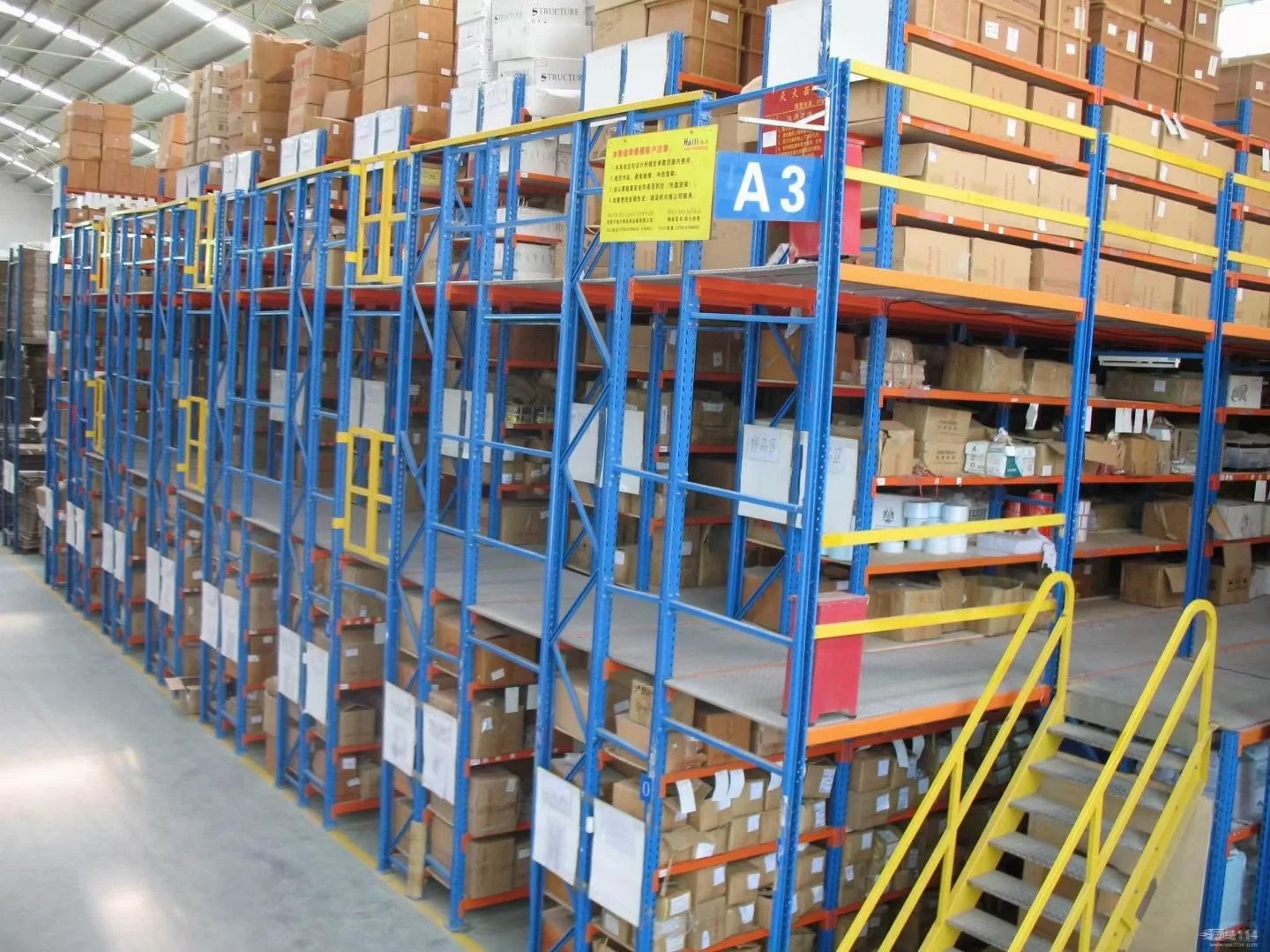
5. Mezzanine and Multi-Tier Racking: Using Air Rights
When floor space is exhausted, look up. A storage mezzanine is an elevated platform installed within your racking system or as a standalone structure. It creates a second or third level for storage or operations.
Multi-tier racking specifically refers to rack-supported structures, where the racking itself forms the support for the new levels. This is a highly engineered solution for maximizing cubic space.
These systems are ideal for storing lighter, slower-moving items, housing packing stations, or creating office space within the warehouse. They represent a major project but can double your effective floor area.
Key Factors in Selecting Your Rack System
Your choice depends on a clear analysis of your operation. First, profile your inventory. What are your pallet dimensions and weights? How many SKUs do you have, and what is their turnover rate (fast, medium, slow)?
Next, consider your material handling. What forklifts do you use now, and are you willing to change? The aisle width required by your equipment will immediately rule certain racks storage warehouse types in or out.
Think long-term. Is your product mix stable? Choose a system that can adapt. A modular adjustable pallet racking system offers more future flexibility than a fixed system like drive-in.
Never forget safety. The design must account for seismic activity if in a relevant zone, and include proper safety accessories like column guards, aisle protectors, and load beams.
Understanding Costs and Budget Realities
The price tag for warehouse storage racks is multi-faceted. The rack components themselves are a major cost, driven by the type of system, its height, and the steel’s weight and quality.
Design and engineering services are critical, especially for tall, dense, or mezzanine systems. These are not optional; they ensure the system is safe and compliant with local building codes.
Professional installation is another significant line item. Proper assembly and anchoring are non-negotiable for safety. Factor in costs for decking (wire mesh, steel), safety accessories, and signage.
Finally, consider potential building modifications. Installing a large racks storage warehouse system might require moving sprinklers, lighting, or reinforcing floors.
The Role of Professional Design and Installation
This is not a DIY project. A proper warehouse storage system requires professional involvement from start to finish. It begins with a detailed site survey and consultation to understand workflow and goals.
Engineers then create layout drawings and structural calculations. These plans are often submitted for a building permit. The installation crew will prepare the site, assemble frames with precision, and ensure everything is perfectly plumb and level.
The final, critical step is anchoring the entire structure securely to a concrete floor that meets specific psi requirements. A post-installation inspection ensures everything matches the engineered plans.
Finding a Qualified Supplier and Partner
Look for a company with deep experience in industrial storage rack systems, not just general contracting. They should ask detailed questions about your inventory, workflow, and growth plans.
A reliable partner provides detailed CAD layouts for your approval. They should explain the rationale behind their design choices. Ask for references from past projects of similar scale and complexity.
Ensure they offer a full suite of services: design, engineering, supply, installation, and post-installation support like inspections and reconfiguration. They should stand behind their work with clear warranties.
Frequently Asked Questions (FAQ)
Q1: Do I need a building permit to install warehouse racking?
A1: Often, yes. Local building departments typically require a permit for permanent racks storage warehouse structures, especially those over a certain height (commonly 8 feet) or that are rack-supported. The permit process ensures the design meets safety and structural codes. Your supplier should manage this submission.
Q2: How high can warehouse racking safely be installed?
A2: The safe height is determined by several factors: the rack design’s engineering, the quality of your concrete floor, the height of your building clearances (sprinklers, lights), and the capabilities of your forklifts. While some systems can go over 40 feet, most warehouses install racking between 20 and 30 feet tall. A professional engineer must specify the safe maximum for your specific conditions.
Q3: How are racks designed for seismic activity?
A3: In seismic zones, warehouse storage racks require special engineering. This includes using thicker steel, different beam connection designs (like moment-resistant connections), increased base plate anchoring, and potentially adding row spacers or other bracing. The design must comply with stringent local seismic codes to prevent collapse during an earthquake.
Q4: Can I mix different types of racking in one warehouse?
A4: Absolutely. This hybrid approach is common and efficient. For example, you might use narrow aisle racking for high-turnover items, push back racking for medium-turnover bulk, and a storage mezzanine for slow-moving goods or packaging supplies. A good designer will create a layout that uses each system where it performs best.
Q5: What is the typical lifespan of a steel racking system?
A5: With proper care and no major impacts, a quality steel pallet racking system can last 20-30 years or more. Lifespan is extended by regular inspections, immediate repair of any damage (especially to upright frames), and not exceeding the rated load capacities. Environmental factors like humidity in a cold storage facility can also affect longevity.