If you’re searching for “pallet racking shelves,” there’s a good chance you’re trying to solve a storage problem. Maybe your floor is crowded, or your team is spending too much time searching for items. You know you need a better system, but the terminology can be confusing.
Let’s clear something up right away. The term “pallet racking shelves” is a bit of a mash-up. In the industry, “pallet racking” and “industrial shelving” are two distinct types of storage systems. Using the wrong one can lead to damaged goods, unsafe conditions, and wasted money.
This article will break down the key differences. By the end, you’ll know exactly which type of system your operation needs.
Defining the Terms: What Are We Actually Talking About?
First, we need to separate the two concepts.
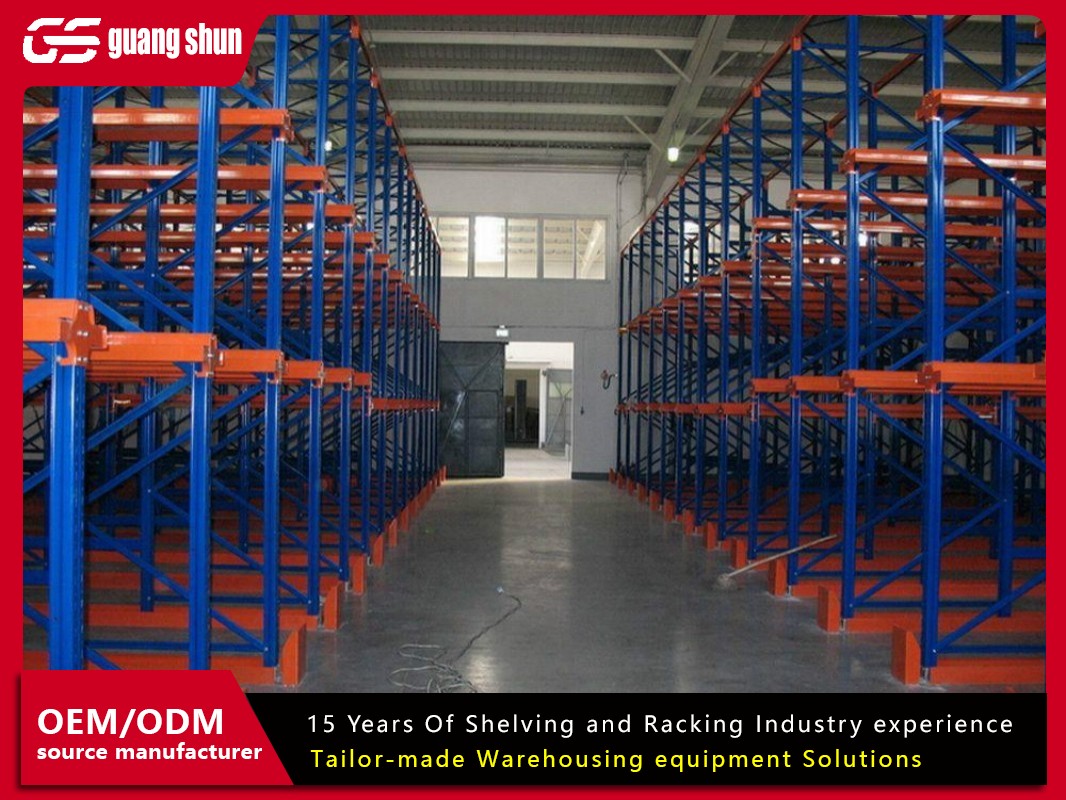
Pallet Racking is a structural system designed specifically to store unit loads on pallets. Its primary components are upright frames and horizontal beams. The “shelf” in a pallet rack is typically just the beams themselves, or it may include wire mesh decking or steel panels. The key point: it is built for forklift access and handles massive weights.
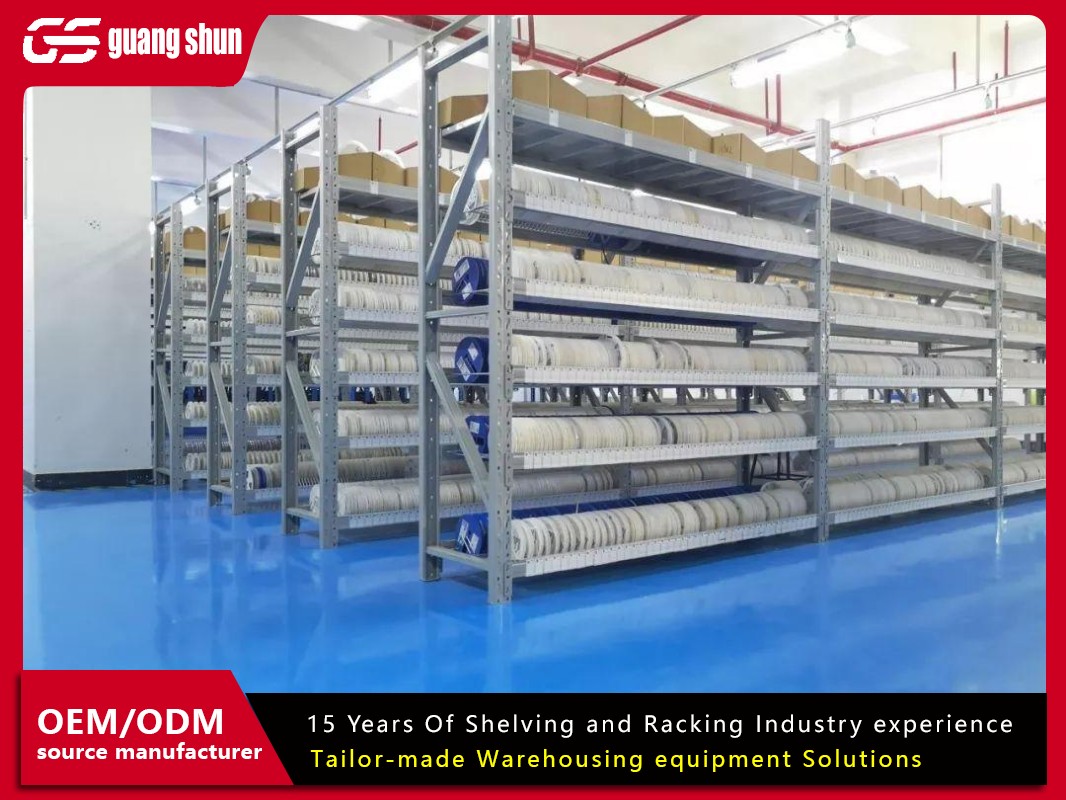
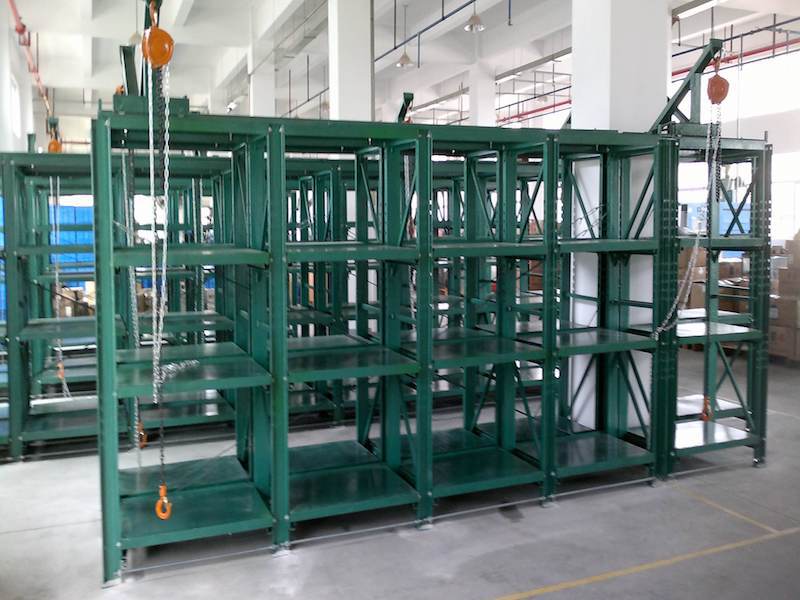
Industrial Shelving refers to heavier-duty versions of the shelving you might see in a garage or retail stockroom. Think of tall, bolted-together units with solid shelves. They are designed for storing smaller, hand-loaded items in boxes, bins, or cases.
When people say “pallet racking shelves,” they often mean the decking or supports within a rack system, or they may be mistakenly referring to the entire rack structure.
Core Difference #1: Weight Capacity and Structural Design
This is the most critical distinction. The design and engineering are fundamentally different.
A standard industrial shelving unit might handle 1,000 to 5,000 pounds total, distributed across several shelves. Each shelf level is a solid, welded piece.
A single beam level in a selective pallet rack system, however, is commonly rated for 5,000 to 15,000 pounds per pair of beams. The entire structure is engineered to handle these concentrated, dynamic loads from forklifts placing and retrieving heavy pallets.
Calling a pallet rack a “shelf” undersells its heavy-duty, structural nature. It’s not a shelf; it’s a building framework for your inventory.
Core Difference #2: How You Load and Access Inventory
Your method of access dictates the right choice.
Industrial shelving is accessed by people. Workers walk up to the unit, pick items from bins by hand, and use carts or hand trucks. The aisles can be relatively narrow.
Pallet racking is accessed by machines. Forklifts, reach trucks, or order pickers are required to place and retrieve the loads. This demands wider aisles and clear overhead space for the machine’s mast. The system is built for speed and efficiency in moving large unit loads.
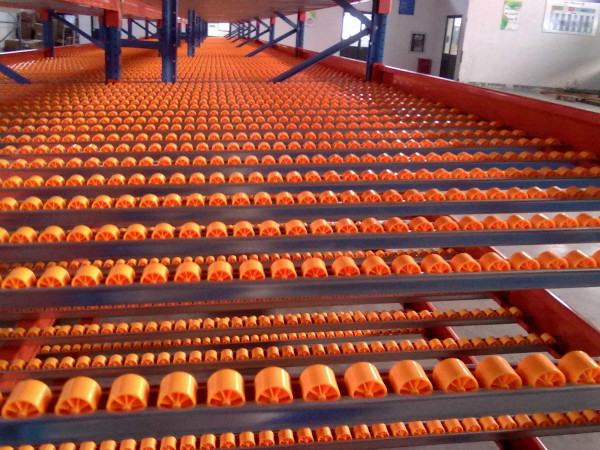
You cannot efficiently use a forklift with standard shelving, and you cannot efficiently hand-pick small items from a deep pallet rack without supplemental carton flow or pick modules.
Core Difference #3: Adjustability and Layout Flexibility
Both systems offer flexibility, but in different ways.
Most industrial shelving is fixed. The shelf levels are welded in place or bolted to fixed upright holes. Adjusting heights often requires disassembling large sections.
Pallet racking beams, in contrast, are designed for easy, tool-less adjustment. They clip into horizontal slots (teardrop-shaped holes) on the upright frames. You can change beam heights in minutes to accommodate different pallet sizes. This makes a pallet rack system highly adaptable as your inventory profile changes.
The layout of shelving is often limited to the unit’s footprint. Pallet racking can be designed in long, continuous rows, drive-in lanes, or multi-level structures, offering far greater layout versatility.
When to Use Industrial Shelving
Choose this system when your operation involves smaller parts and hand-loading.
Perfect examples include maintenance and tool cribs, storing spare parts in a manufacturing plant, holding packing supplies in a shipping area, or organizing retail backstock. If your items are stored in small bins, boxes, or totes, and are picked by a person, shelving is the efficient, cost-effective choice.
It keeps everything visible and accessible without machinery.
When to Choose Pallet Racking
This is the solution for unitized, palletized storage.
If you receive, store, and ship full or partial pallets, you need pallet racking. This is the backbone of warehouses, distribution centers, cold storage facilities, and manufacturing raw material storage. Anywhere you use a forklift, you need a rack system designed to withstand the impact and weight.
High-density systems like drive-in racking or push-back racking are advanced forms of pallet racking designed to store more pallets in a smaller footprint by reducing aisles.
Cost and Investment Considerations
You must think about total cost, not just the purchase price.
Industrial shelving generally has a lower upfront cost per unit. It’s often sold as a standard, off-the-shelf product. Installation is simpler and faster.
A pallet racking system is a larger capital investment. The cost is justified by its immense capacity, durability, and role in operational throughput. The price is influenced by steel prices, required load capacities (beam and frame ratings), decking type, and the complexity of the design and installation.
Remember: putting pallets on industrial shelving is a severe safety hazard that will lead to collapse. The cost of that failure far exceeds the investment in the proper system.
Making the Right Choice for Your Business
Start by analyzing your inventory and processes.
List your stock-keeping units (SKUs). What are their physical dimensions? Are they palletized? What are their weights? How often are they accessed (turnover rate)?
Then, map your workflow. How do items arrive? How are they put away? How are they picked for orders or production? What equipment (forklifts, pallet jacks) is used in each step?
Finally, evaluate your space. What is your clear ceiling height? Is the floor level and strong enough for racking point loads? Where are your dock doors and work areas?
The answers will point you clearly toward either hand-loaded industrial shelving or machine-accessed pallet racking.
Installation and Safety: Non-Negotiable Factors
Safety protocols differ for each system.
Shelving must be securely bolted to the floor and, often, to the wall to prevent tipping. The main risk is overloading a shelf, which can cause it to sag or fail.
Pallet racking safety is more complex. Professional installation is crucial to ensure it is perfectly plumb and level. Ongoing safety requires strict rules: no climbing on the rack, immediate reporting of forklift impacts, and never exceeding the posted load capacity. Column guards and aisle end protectors are essential safety accessories for any rack system.
Regular, documented inspections by a trained person are mandatory for both, but especially for racking.
Frequently Asked Questions (FAQs)
Q1: Can I put pallets on heavy-duty industrial shelving?
A1: No, this is extremely dangerous. Industrial shelving is not designed for the concentrated point load of a pallet or for forklift interaction. The weight of a loaded pallet will almost certainly exceed the capacity of the shelves, leading to catastrophic collapse. Always use a properly engineered pallet racking system for palletized loads.
Q2: What is the “decking” on a pallet rack, and do I need it?
A2: Decking (usually wire mesh or solid steel) is placed on the beams to create a continuous surface. It is required for storing non-palletized items or small boxes. For standard wooden pallets, decking is often not needed, as the pallet itself spans the beams. However, decking adds safety by preventing items from falling and is required for certain fire codes.
Q3: How high can pallet racking safely go?
A3: The safe height is determined by your forklift’s maximum lift height, your building’s clear ceiling height, and the engineering of the rack frames. In many warehouses, racking reaches 20, 30, or even 40 feet high. Each rack upright frame is rated for a specific maximum height and load. Your supplier will provide engineered drawings specifying this.
Q4: Is it difficult to relocate or reconfigure pallet racking?
A4: Selective pallet racking is designed to be reconfigured. Beams can be easily moved to new heights. Entire sections can be disassembled and reassembled in a new location, though this requires careful planning and labor. It is more modular and movable than welded industrial shelving.
Q5: What’s the most common mistake people make when buying storage systems?
A5: The biggest mistake is under-specifying capacity. People often buy based on their current average load weight, not the maximum possible weight they might need to store. Always design your pallet racking system for the heaviest pallet you could ever receive. This provides a safety buffer and ensures the system’s longevity.