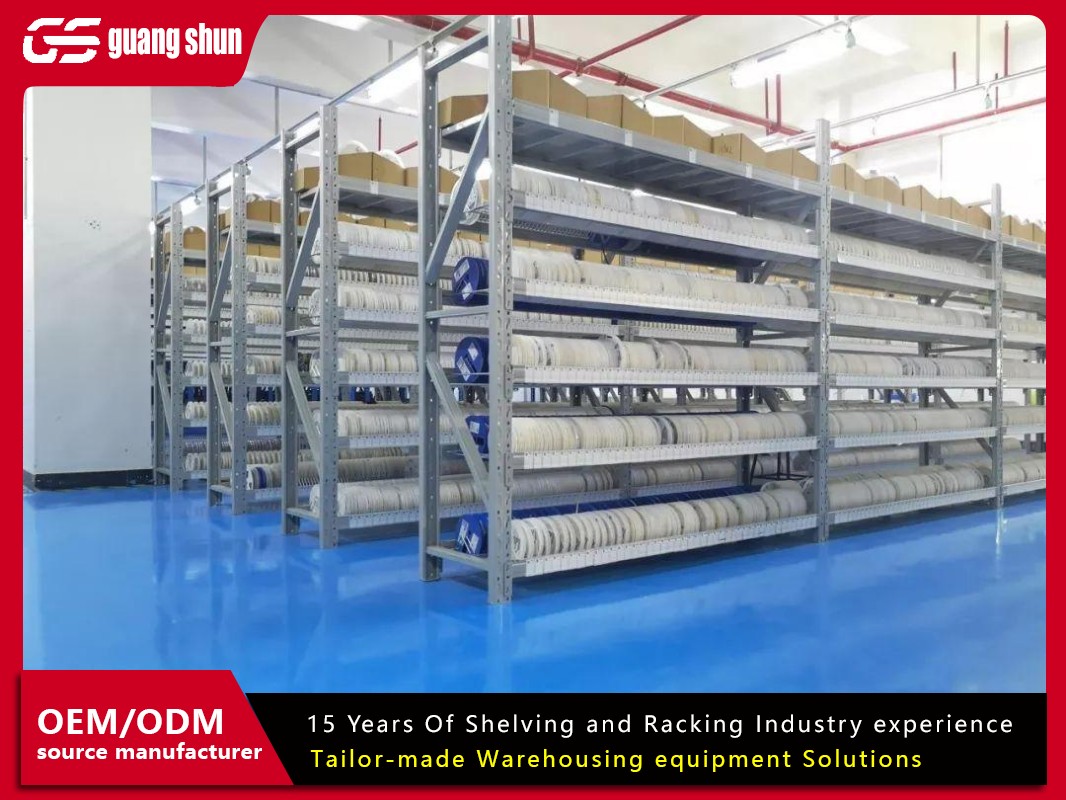
If you manage a warehouse, logistics operation, or industrial facility in a French-speaking region, you’ve likely encountered the term rayonnage stockage. It’s more than just a direct translation for "storage shelving"; it represents a comprehensive approach to organized material handling.
This concept is central to efficient operations. A poorly planned storage area leads to wasted time, damaged goods, and frustrated teams. Implementing the right rayonnage system directly impacts your bottom line.
This article explores what rayonnage stockage entails. We’ll break down the common systems, their ideal applications, and key selection criteria to help you make an informed decision for your space.
What Does Rayonnage Stockage Mean?
Literally translating to "storage shelving," rayonnage stockage refers to the entire ecosystem of racking and shelving solutions used for organized storage. It encompasses everything from simple boltless shelves to complex, high-density automated systems.
The term implies a systematic solution. It's not about a single shelf unit but an integrated systeme de rayonnage designed for a specific purpose. The goal is always the same: to maximize space, ensure safety, and streamline access to goods.
Whether you’re storing pallets of wine in Bordeaux, automotive parts in Lyon, or archival boxes in Paris, the principles of effective rayonnage industriel remain consistent.
Core Types of Rayonnage Systems
Choosing the right system starts with understanding the options. The best rayonnage stockage for your needs depends entirely on what you are storing and how you need to access it.
Rayonnage Palettes (Pallet Racking)
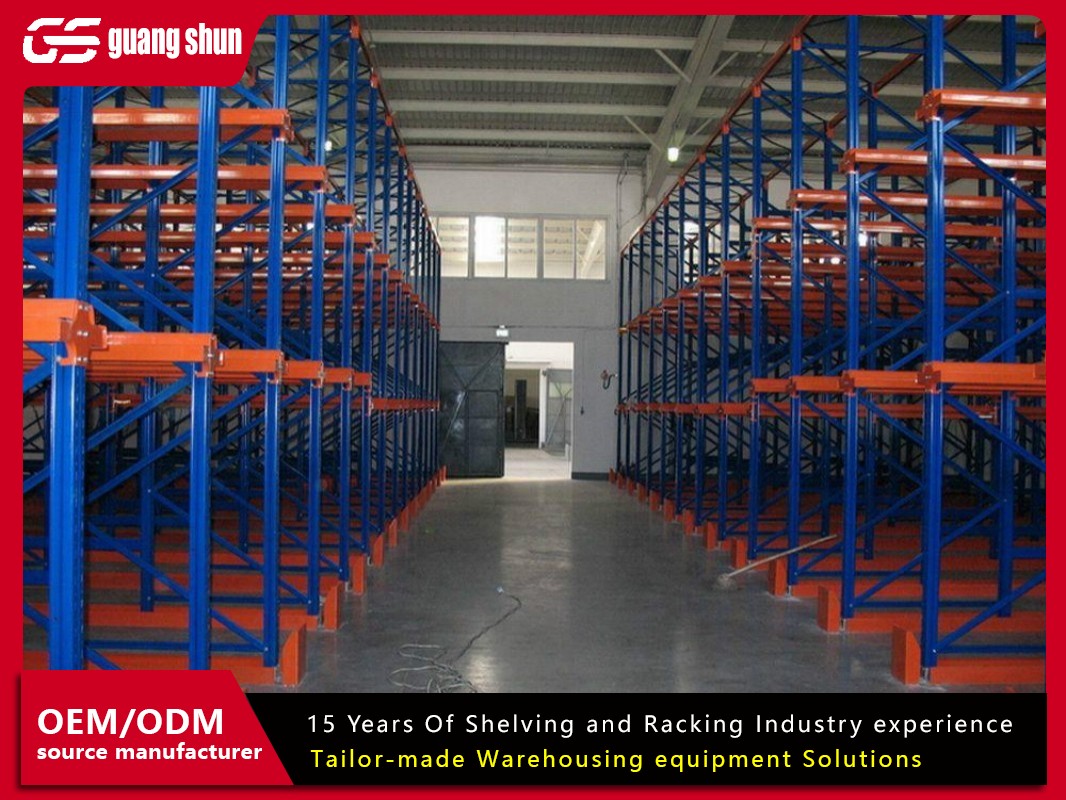
This is the backbone of most warehouses. Designed to store unit loads on pallets, it’s the classic rayonnage pour entrepôt. The most common type is selective pallet racking, allowing direct access to every pallet.
Its adjustability is a key feature. Beams can be moved to accommodate products of different heights, making it a versatile systeme de stockage. For very high-density storage, variants like drive-in racking are also part of this family.
Rayonnage Dynamique (Dynamic Flow Systems)
When rotation is critical, rayonnage dynamique is the answer. This system uses inclined shelves with roller tracks. Products are loaded from the rear and move by gravity to the front picking face.
It enforces a strict First-In, First-Out (FIFO) inventory method. This is ideal for perishable goods, items with expiry dates, or high-turnover SKUs in a entrepôt de logistique.
Rayonnage d’Archivage (Archive Shelving)
For document management, rayonnage d’archivage is designed to handle high volumes of files and boxes in an office or records center. These systems are often static, high-bay units that maximize vertical space.
Mobility is a common feature. Mobile aisle systems, where entire shelving bays move on rails, can dramatically increase storage density in archival spaces.
Rayonnage pour Charges Lourdes (Heavy-Duty Shelving)
Beyond standard pallets, some industries handle extremely heavy, non-palletized items. This is where specialized rayonnage industriel lourd comes in.
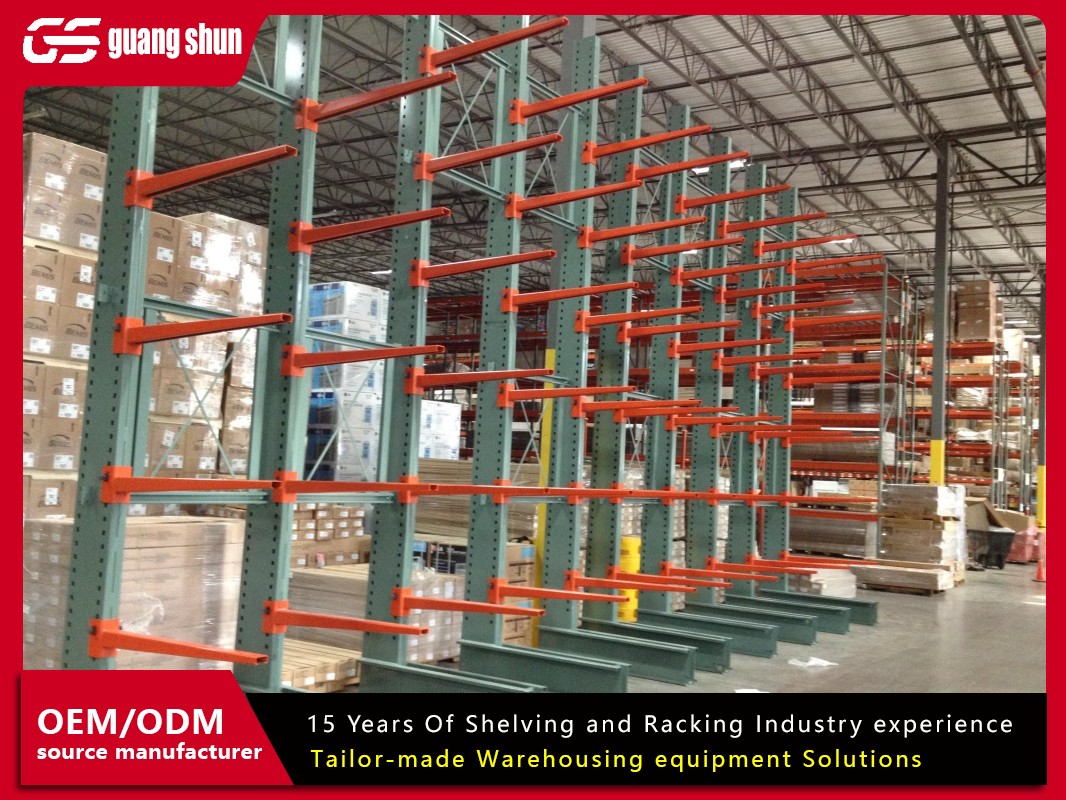
Cantilever racking, with its protruding arms, is perfect for long steel, timber, or pipes. Heavy-duty bolt-together shelving systems are designed for intense loads in manufacturing environments.
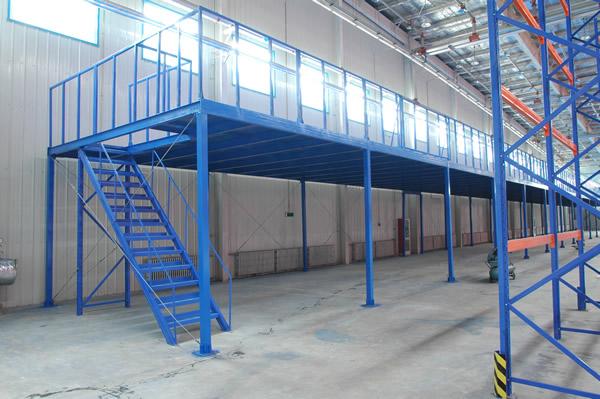
Key Advantages of a Well-Designed System
Investing in proper rayonnage stockage is not an expense; it’s an optimization. The benefits ripple through your entire operation.
Optimization of Space and Volume
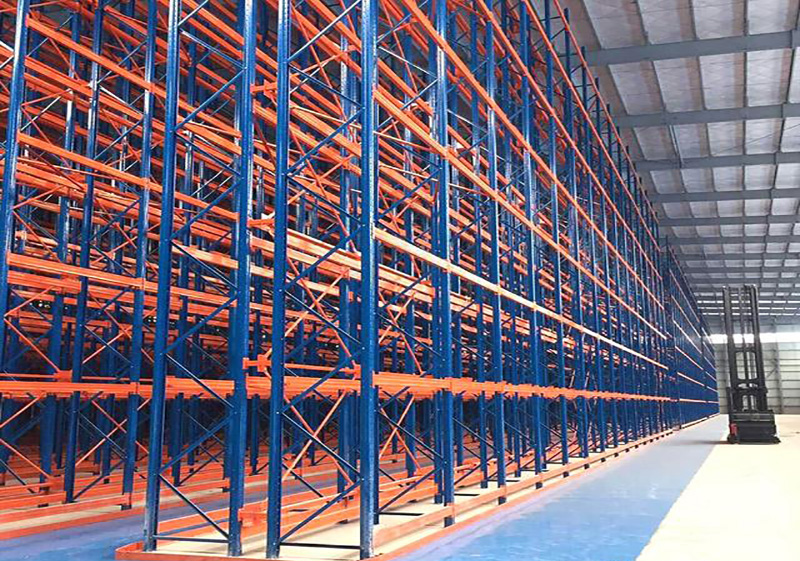
The primary advantage is vertical utilization. A good installation de rayonnage uses the full clear height of your building. This cubic storage approach can often double or triple effective capacity without expanding your footprint.
Improved Operational Efficiency and Safety
Organized storage means faster picking and restocking. Workers spend less time searching and more time doing productive work. A logical systeme de rayonnage also enhances safety by eliminating floor clutter, reducing trip hazards, and providing secure, rated structures for heavy loads.
Enhanced Flexibility and Scalability
Modern rayonnage stockage is modular. You can reconfigure shelves and beams as your inventory profile changes. This adaptability protects your investment and allows your storage to evolve with your business needs.
Critical Factors for Selection
Before purchasing any rayonnage pour entrepôt, a thorough analysis is required. Rushing this step leads to costly mistakes.
Analysis of Stored Products
Start with the basics: What are you storing? Document the dimensions, weight, and packaging (pallet, box, loose) of every item type. Calculate the total volume and required throughput (FIFO, LIFO, or random access).
This profile will immediately point you towards a specific type of rayonnage stockage.
Evaluation of Available Space and Layout
Precise measurements are non-negotiable. Map your floor space, ceiling height, column positions, and door locations. Consider the type of handling equipment (forklifts, pallet jacks) you use and the aisle widths they require.
A layout plan should be created, often with the help of a fournisseur de rayonnage, to ensure optimal flow and capacity.
Defining Performance and Durability Needs
Determine the required load capacity per level and for the overall structure. Consider the environment—is it humid, dusty, or cold? This affects material choices, like powder coating versus galvanized steel.
Also, think about future needs. Selecting a slightly more robust rayonnage industriel than you currently require can save money later.
Installation and Maintenance: Best Practices
The best rayonnage stockage system can fail if installed incorrectly or neglected.
Professional Installation is Recommended
For anything beyond light-duty shelving, rely on certified installers. They ensure the structure is level, plumb, and properly anchored to the floor. This is crucial for safety, especially in seismic zones or for tall installations. They will also ensure compliance with local regulations.
Regular Inspection and Maintenance
Implement a scheduled inspection routine. Look for visible damage: dents or bends in uprights, loose or missing connectors, or signs of overloading like deflected beams.
Immediately tag and unload any damaged section. Keep aisles clear and ensure all safety labels and load notices are legible. Preventive maintenance extends the life of your systeme de stockage for decades.
Understanding Standards and Safety
In Europe and France, storage equipment must comply with stringent norms. Key standards include NF EN 15620 for pallet racking tolerances and NF EN 15635 for its use and maintenance.
Adherence to these standards, often facilitated by your fournisseur, is not optional; it’s a legal and moral imperative to ensure a safe working environment.
Frequently Asked Questions (FAQ)
Q1: What is the difference between "rayonnage" and "étagère"?
A1: While both relate to storage, "étagère" typically refers to a lighter, often standalone shelf or bookcase. Rayonnage stockage implies a heavier, more systematic, and modular storage structure designed for commercial or industrial use, such as a complete warehouse racking system.
Q2: How do I calculate the load capacity needed for my rayonnage?
A2: You must determine the maximum weight each shelf or beam level will support. Weigh your heaviest expected load in its storage configuration. Then, consider how the weight is distributed and add a safety margin. Always choose a rayonnage industriel system where the per-level rated capacity exceeds your calculated maximum weight. Consult a specialist for precise calculations.
Q3: Can I install heavy-duty rayonnage stockage myself?
A3: It is strongly discouraged. Industrial rayonnage pour entrepôt, especially pallet racking over a certain height, requires professional installation. Certified installers ensure the structure is perfectly aligned, securely anchored, and compliant with all safety standards (like NF EN 15635), which is critical for liability and insurance purposes.
Q4: What are the main safety standards for storage systems in France/Europe?
A4: The key European standards are EN 15620 (specifying manufacturing tolerances for pallet racking), EN 15635 (covering the safe use and maintenance of storage equipment), and EN 15512 (for the design of static steel pallet racking). Compliance with these norms is essential for any professional installation de rayonnage.
Q5: My needs have changed. Can I modify or reconfigure my existing rayonnage system?
A5: In most cases, yes—modularity is a key benefit. Beams can often be relocated, and shelves adjusted. However, significant changes, like increasing the height or reconfiguring the layout, require a review by a professional. They must ensure the existing components and floor anchors can handle the new configuration's loads and stability requirements. Never modify a systeme de rayonnage without proper engineering assessment.