That corner of the garage filled with stacked boxes. The backroom at the shop where tools get lost. The warehouse aisle where picking an item becomes a puzzle. Disorganized storage costs time, money, and sanity.
The solution often lies in implementing the right storage systems shelving. But with so many options, the choice can feel overwhelming. This isn't about just buying a shelf. It's about selecting a structural component for your workflow.
This article breaks down the world of industrial and commercial storage shelving systems. We will look at the common types, their best uses, and the key questions to ask before you buy. The goal is to help you match the system to your specific items, space, and needs.
What Exactly Are Storage Systems Shelving?
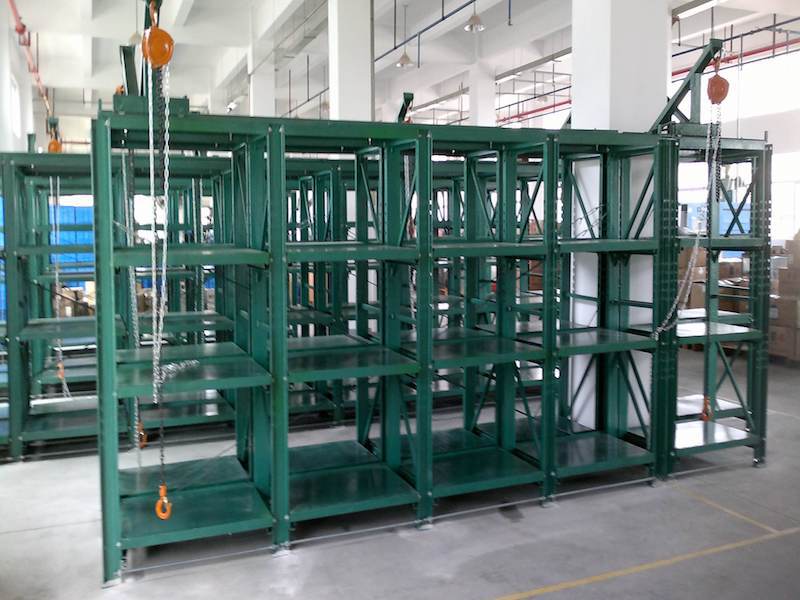
At its core, storage systems shelving refers to engineered structures designed to store items in an organized, accessible, and space-efficient manner. Unlike basic retail bookcases, these are systems meant for heavier use and often allow for customization.
The term "systems" is important. It implies components that work together—upright frames, beams, and decking—that can be configured in various ways. This modularity is what makes storage shelving systems so versatile for different industries.
They form the backbone of inventory management, from small parts in bins to bulky palletized goods.
Common Types of Storage Shelving Systems
Not all shelving is created equal. The type of items you store dictates the best style of storage systems shelving. Here are the most prevalent types you will encounter.
Adjustable Pallet Racking
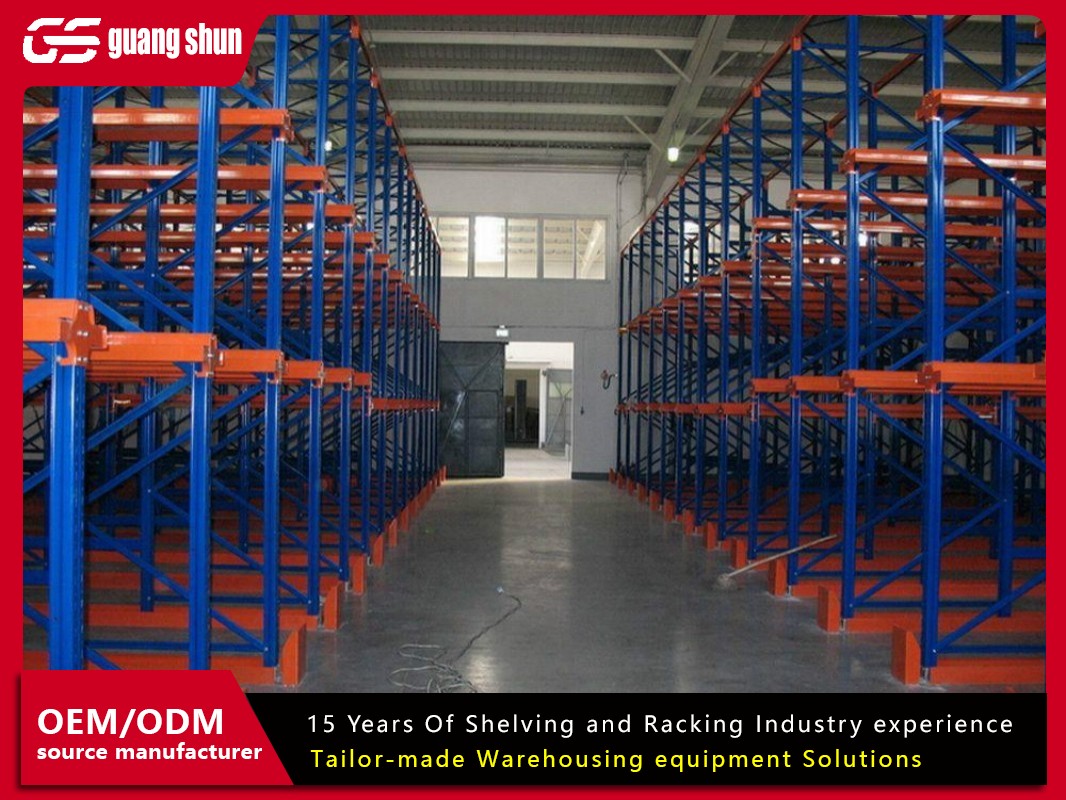
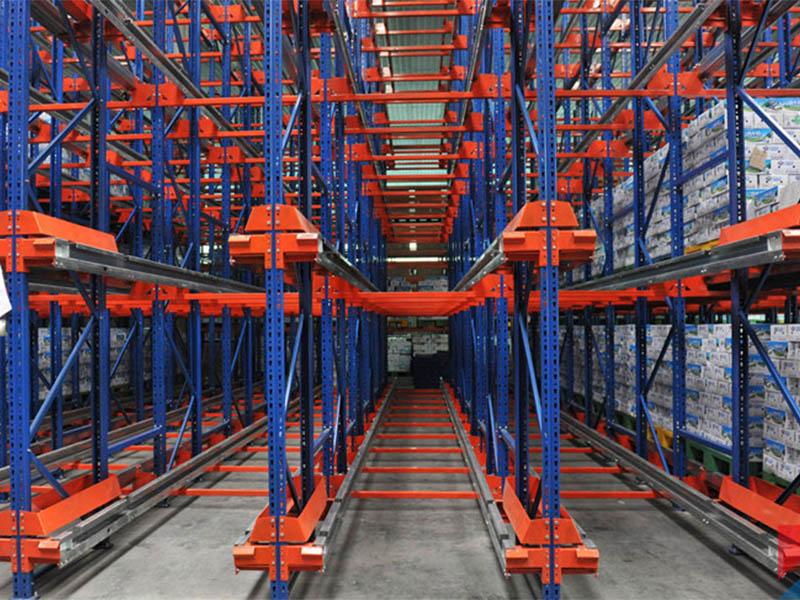
This is the heavyweight champion of the warehouse. It’s designed to store standard palletized loads using forklifts. The system consists of upright frames and horizontal load beams.
The beams are easily adjustable in height, which is why it’s a primary storage system. This allows you to accommodate products of different sizes and maximize your building’s vertical cube. It’s ideal for large quantities of a single SKU.
Selective Pallet Racking
A subset of adjustable racking, this is the most common form. It provides direct access to every pallet location. While it’s very space-efficient for access, it does require wider aisles for forklift turns.
For bulk storage of goods on pallets, this storage shelving system is often the starting point.
Shelving Units (Cantilever, Rivet, Boltless)
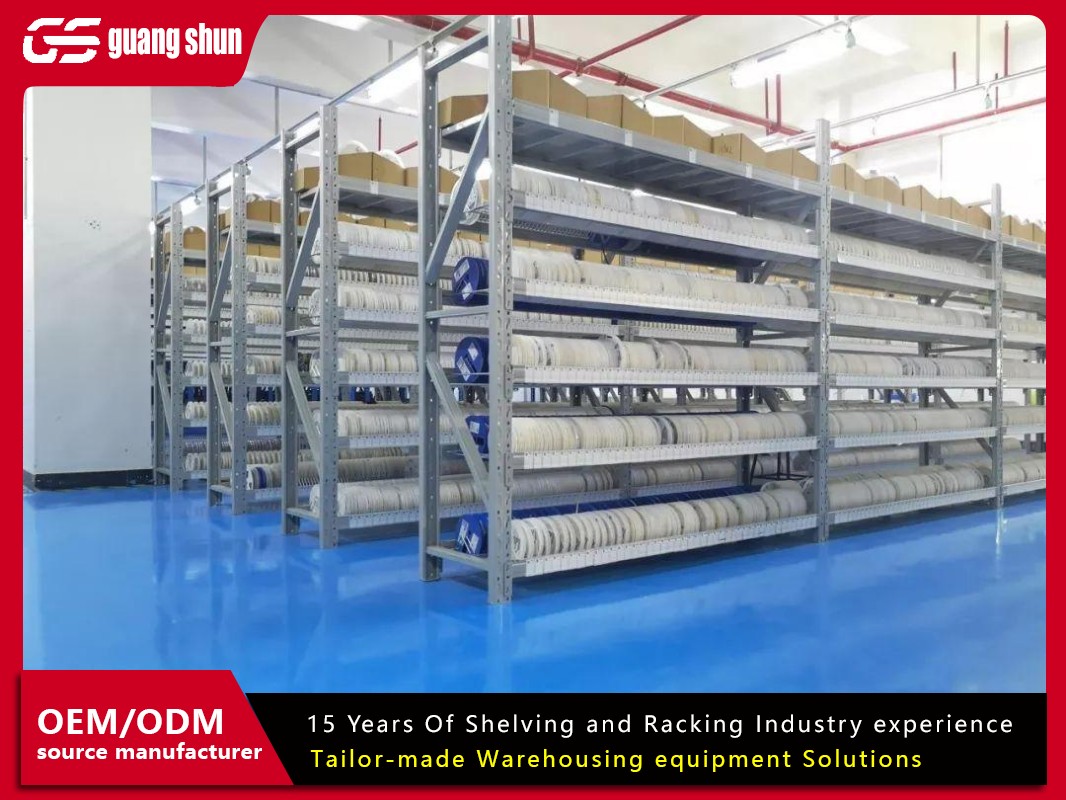
This category includes the upright and shelf configurations most people picture. For storage systems shelving that holds smaller, non-palletized items, these are the go-to.
Boltless Shelving: Also called rivet shelving, this is popular for its easy assembly without tools. The shelves snap onto the upright frames with rivets or clips. It’s excellent for retail stockrooms, garage storage, and lighter industrial applications.
Bolt-Together Shelving: A more robust counterpart, using bolts and nuts for a rigid connection. It handles heavier, uniform loads better and is common in manufacturing and distribution centers.
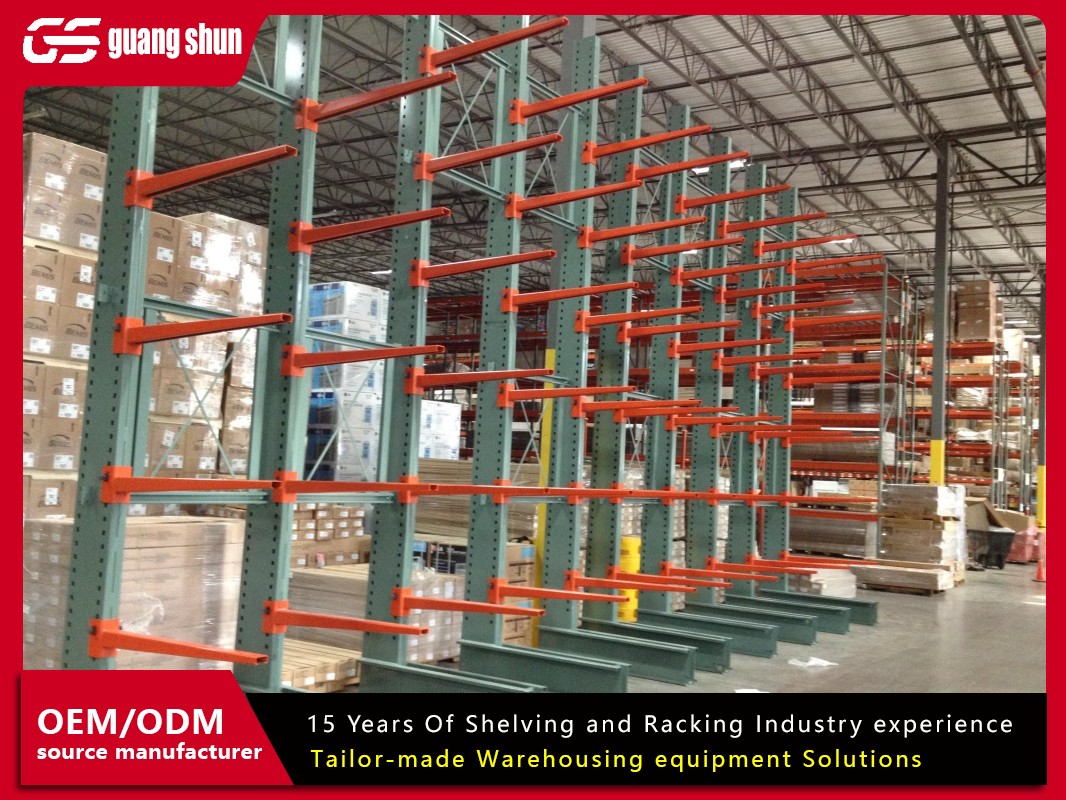
Cantilever Shelving: Designed for long, awkward items like lumber, pipes, or furniture. It has arms that extend from a central column, providing completely open front access. This is a specialized but crucial storage system for specific industries.
Mezzanine Systems
When floor space is exhausted, the answer is to look up. A mezzanine is an elevated platform that creates a second or third tier of floor space. It is invariably combined with storage shelving systems on the new level.
This effectively doubles your usable storage area within the same building footprint. It’s a significant investment but a powerful solution for growth.
Key Factors in Choosing Your System
Selecting storage systems shelving is a practical decision. Work through these points to narrow down your options and avoid a costly mismatch.
Assess Your Inventory
Start with what you’re actually storing. What are the dimensions and weight of your typical load? Are items palletized, in boxes, or loose? How many different SKUs do you have?
This analysis directly points you to a system type. Heavy pallets need racking. Small parts in bins need sturdy shelving units. Long materials point to cantilever designs.
Understand Your Workflow
How often do you access the items? Do you need to get to every single SKU every day (high selectivity), or are you storing seasonal overstock (high density)?
Frequent access needs systems with wider aisles. Bulk archival storage can use denser, more compact storage shelving systems that sacrifice some accessibility for space savings.
Measure Your Space Precisely
This seems obvious, but it’s critical. Document your available floor space and, just as importantly, your clear ceiling height. Account for doorways, columns, sprinkler heads, and lighting.
A proper storage system design will map out the aisle widths needed for your equipment (like forklifts or carts) to maneuver safely and efficiently.
Plan for Growth and Flexibility
Your storage needs will change. The best storage systems shelving are adaptable. Can shelves be easily repositioned? Can the racking be reconfigured?
Choosing a modular system from the start, even if you don’t use all its capacity immediately, saves money and hassle in the long run.
The Impact of Proper Storage Systems
Investing in the right storage shelving systems goes far beyond neatness. It delivers tangible returns.
Major Efficiency Gains
Employees spend less time searching for items. Picking and restocking become faster, safer processes. This translates directly into labor savings and higher throughput.
Enhanced Safety and Organization
Properly rated and installed storage systems shelving prevent collapses and accidents. Organized storage reduces clutter on floors, cutting trip hazards and fire risks.
Clear organization also leads to better inventory accuracy, reducing over-ordering and stockouts.
Maximized Space Utilization
By using vertical space effectively, you delay the need for a costly facility expansion. Good storage system design can often free up 30-50% more usable space from the same square footage.
This is pure financial savings on rent or building costs.
Maintenance and Safety for Longevity
Your storage systems shelving is a long-term asset. Treat it that way.
Perform Regular Inspections
Make it a routine. Look for damage: dents or bends in uprights, loose or missing connectors, or signs of overloading like sagging shelves. Any damage should be addressed immediately. Tag and unload a compromised section until it’s repaired.
Follow Load Guidelines Religiously
Every system has a rated capacity. This is not a suggestion. Never exceed the load limits for a shelf or beam. Distribute weight evenly. Overloading is the fastest way to cause a failure.
Ensure Professional Installation
For anything beyond light-duty boltless shelving, consider professional installation. Ensuring that racks are level, plumb, and properly anchored is critical for safety and performance, especially in seismic zones or for tall structures.
Properly selected and maintained, your storage shelving systems will serve your operations reliably for decades.
Frequently Asked Questions (FAQ)
Q1: What’s the main difference between boltless and bolt-together shelving?
A1: The key difference is assembly and strength. Boltless shelving uses integrated clips or rivets for tool-free, quicker assembly and is best for light to medium loads. Bolt-together shelving uses separate bolts, nuts, and often braces for a more rigid, heavy-duty connection that handles heavier, more dynamic loads better in industrial settings.
Q2: How high can storage shelving systems safely be installed?
A2: Safe height depends on the type of system, its design, the weight of the load, and your building. Light-duty shelving is often stable up to 15-20 feet when properly secured. Heavy-duty pallet racking can go much higher, but anything over 20-30 feet requires specific engineering, likely professional installation, and consideration of local building codes.
Q3: Can I mix and match components from different storage system brands?
A3: It is strongly discouraged. Storage systems shelving is engineered as a complete set. Components from different manufacturers are not tested together and may have different tolerances, connection methods, or load ratings. Mixing brands voids warranties and creates a serious safety risk due to potential incompatibility.
Q4: Do I need a permit to install industrial storage racking?
A4: Often, yes. Many local building codes require permits for permanent storage structures, especially those over a certain height or that will carry significant loads. It is your responsibility to check with your local building authority. A professional installer will usually handle this permitting process.
Q5: How do I calculate the load capacity I need for my shelving?
A5: Start by weighing your heaviest expected load per shelf. Then, consider the load distribution. Is it evenly spread or concentrated? Add a safety margin for future needs. Remember, capacity is per shelf, not per unit. Always choose a system where the per-shelf rating exceeds your calculated maximum load. When in doubt, consult with a storage solutions expert.