Modern distribution centers face a paradoxical requirement: maximize cubic
utilization while maintaining instantaneous access to tens of thousands of SKUs.
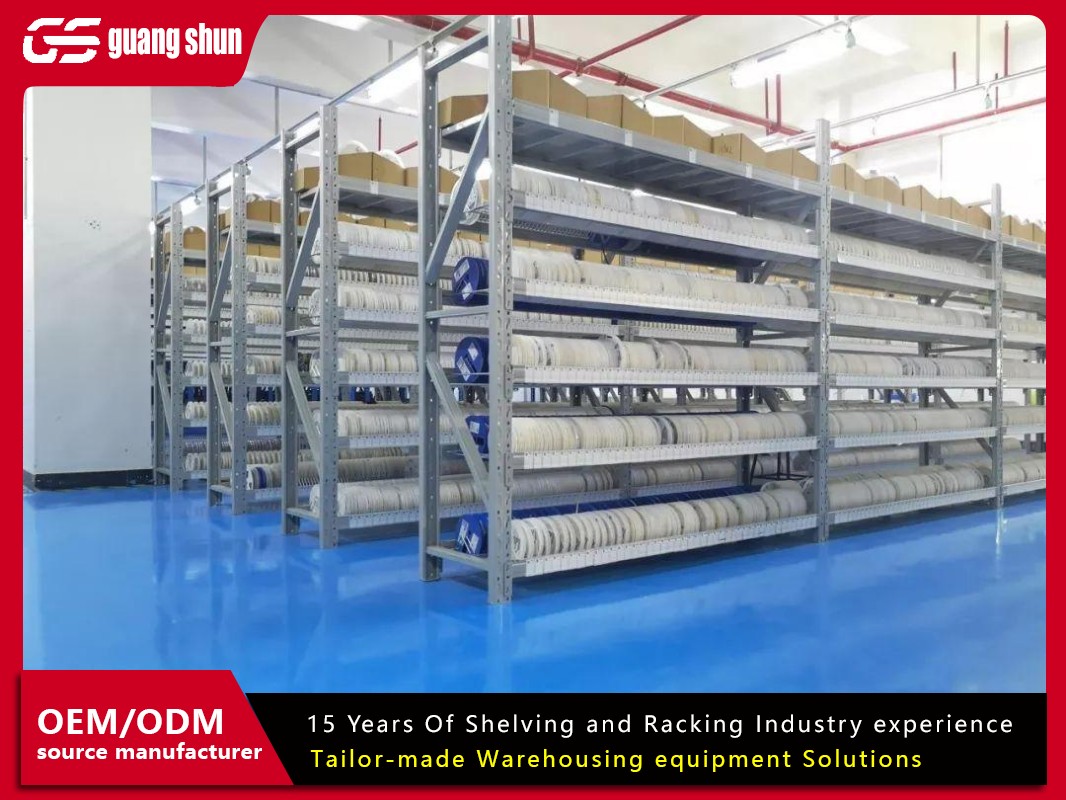
Standard pallet racking—selective, drive-in, or push-back—invariably forces
trade-offs between density and selectivity. This is where the concept of a diversified rack architecture becomes not just
beneficial, but operationally mandatory. A truly diversified rack ecosystem
integrates multiple structural formats within a single footprint, adapting to
variable load weights, turnover rates, and handling equipment.
Industry data from the Material Handling Institute indicates that warehouses
employing hybrid rack strategies reduce travel time by 22–35% compared to
uniform systems, while simultaneously increasing storage capacity by 18% on
average. These gains are not incidental—they stem from deliberate engineering of
beam levels, upright spacing, and floor anchorage tailored to inventory
profiles. At Guangshun, we have observed that facilities
transitioning to diversified configurations typically recover their capital
investment within 14 months through labor savings alone.
Core Engineering Parameters of Diversified Racking
Load Spectrum and Dynamic Fatigue
A diversified rack must accommodate static payloads ranging from lightweight
cartons (50 kg) to heavy industrial coils (3,000 kg+). This variance imposes
distinct demands on column section modulus and beam connection rigidity. For
instance, cantilever arms used for long pipes require different torsional
bracing than box-beam supports for uniform pallets. Structural steel
grades—commonly ASTM A572 or equivalent—must be selected with a yield strength
margin of at least 1.8 times the maximum distributed load. Additionally, dynamic
factors such as fork truck impact and seismic acceleration (per ASCE 7-22)
necessitate baseplate designs with shear key anchors.
Configurational Typologies
Selective + Double-Deep: Offers 40% density improvement
over single-deep while retaining 85% selectivity—ideal for fast-moving consumer
goods.
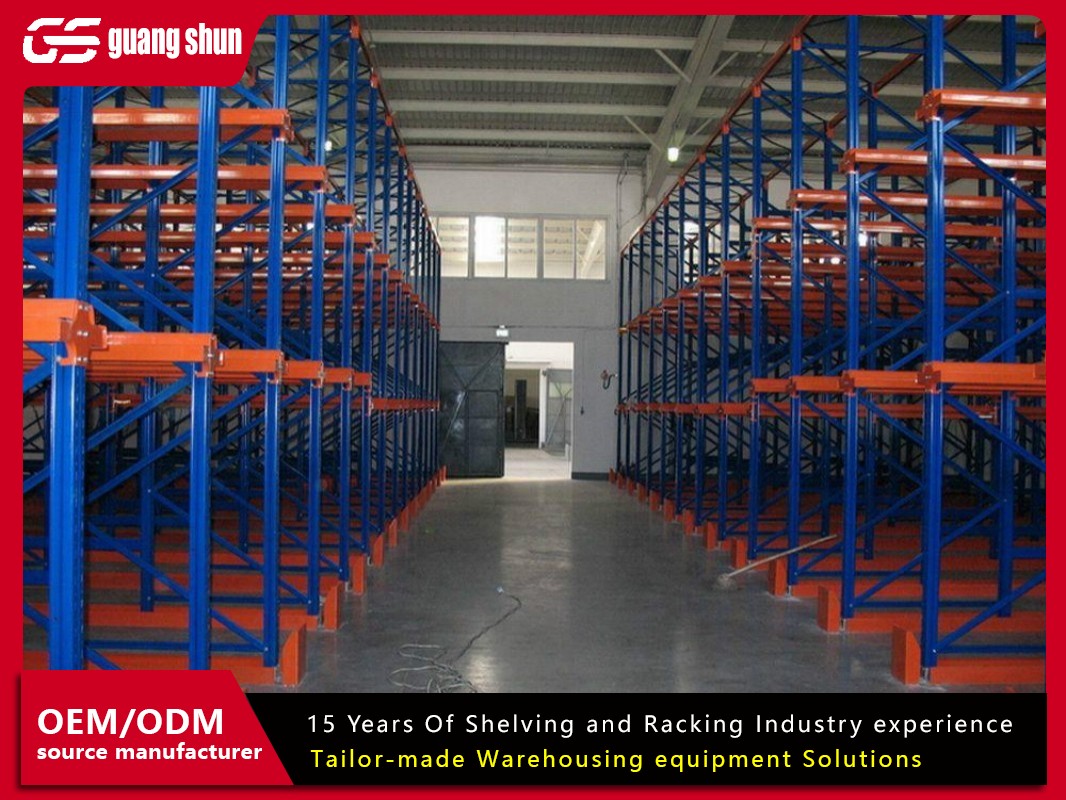
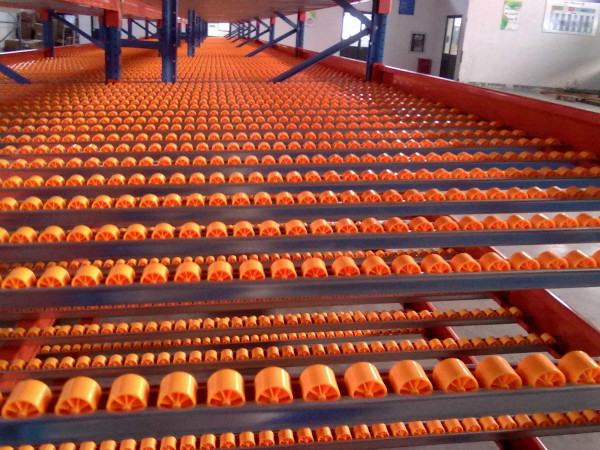
Drive-in + Carton Flow: Combines high-density bulk storage
with FIFO (First-In-First-Out) lanes for perishable or batch-coded items.
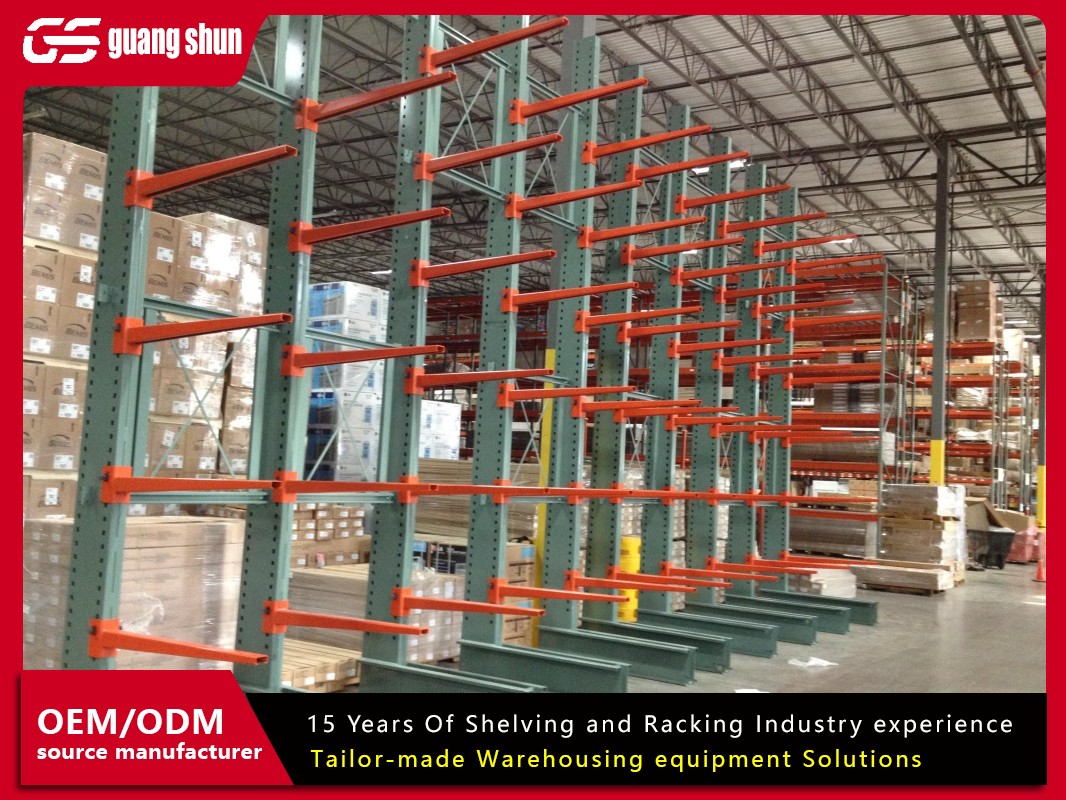
Push-back + Cantilever: Supports nested coil storage with
gravity-assisted retrieval, minimizing aisle width requirements.
Mezzanine-integrated: Elevates light-duty shelving above
heavy racking, converting vertical airspace into usable floor area.
Each configuration demands precise beam-to-column connectors, shim-adjusted
footplates, and horizontal diagonal bracing to maintain plumbness under
eccentric loads. The selection matrix should be driven by Pareto analysis of SKU
velocity—typically the top 20% of items (high-turnover) assigned to selective
bays, while the remaining 80% allocated to high-density zones.
Addressing Industry Pain Points via Diversification
Pain Point 1: SKU Proliferation and Seasonal Peaks
E-commerce and third-party logistics (3PL) providers often experience SKU
counts swelling by 15–20% annually. Fixed rack geometry cannot adapt to changing
product dimensions. A diversified rack solution addresses this
through adjustable beam levels (at 75 mm or 100 mm pitches) and interchangeable
decking—wire mesh, plywood, or roll-formed steel—to suit unit load footprints.
For seasonal surges, temporary carton flow lanes can be retrofitted into
existing selective frames without structural modification, preserving capital
flexibility.
Pain Point 2: Throughput Bottlenecks at Pick Faces
Conventional rack blocks often force pickers to travel long distances,
reducing order fulfillment rates below 80 lines per hour. By integrating
cross-aisle pick modules with flow racks and put-to-light systems, diversified
layouts compress travel paths. Data from a recent Guangshun installation in a Midwest automotive parts center showed a 29% increase in pick
density after reconfiguring 40% of the rack area to a multi-tier carton flow and
pallet live-storage hybrid.
Pain Point 3: Seismic Compliance and Structural Integrity
In seismic zones (SDC D and above), standard pallet racks require additional
sway bracing and anchored baseplates. A diversified rack can incorporate
energy-dissipating devices—friction dampers or buckling-restrained braces—into
its frame, allowing the system to withstand peak ground accelerations of 0.5g
while maintaining post-earthquake serviceability. This is achieved without
sacrificing adjustability, as the dampers are mounted on dedicated cross-aisle
struts.
Integration with Automated Material Handling
Modern diversified rack systems are no longer passive storage structures;
they serve as the backbone for shuttle carts, automated guided vehicles (AGVs),
and robotic cranes. The geometric tolerance required for shuttle rails—typically
±1.5 mm over 30-meter runs—mandates precision fabrication and laser-aligned
installation. Furthermore, the rack uprights must incorporate inductive power
transfer brackets and RFID antenna mounts for real-time inventory tracking.
For facilities deploying AS/RS (Automated Storage and Retrieval Systems), the
diversified rack design must account for
machine dynamics: acceleration forces up to 0.3g in horizontal directions create
overturning moments that affect column base reactions. Finite element analysis
(FEA) is essential to validate that the combined dead, live, and seismic loads
remain within elastic limits. At Guangshun, we utilize 3D BIM
models to simulate these interactions, reducing onsite modifications by over
60%.
Lifecycle Cost and Maintenance Considerations
While the initial capital expenditure for a diversified rack may be 12–18%
higher than a single-type system, the total cost of ownership (TCO) over a
15-year horizon is significantly lower. Key factors include:
Reduced damage repair: Modular components allow individual
beam or upright replacement without disrupting adjacent bays.
Lower energy consumption: Optimized light levels and fewer
forklift miles cut electrical and fuel costs by an estimated 8–11%.
Deferred expansion costs: Spare upright extender kits and
bolt-on connectors enable vertical expansion (from 12m to 15m height) without
new foundations.
Regular inspection protocols—per RMI (Rack Manufacturers Institute)
guidelines—should include torque verification on beam locks, upright dent
measurements, and floor anchor pull-out tests. With a diversified architecture,
these inspections can be scheduled per zone based on usage intensity, avoiding
blanket shutdowns.
Environmental and Safety Synergies
Diversified rack layouts inherently improve fire safety by creating natural
smoke ventilation chimneys between varying rack depths. Sprinkler head
positioning can be optimized for each zone—ESFR (Early Suppression Fast
Response) heads for high-pile storage and standard spray for carton areas.
Additionally, the structural redundancy of mixed systems means that a localized
failure (e.g., a struck column) does not propagate catastrophically, as adjacent
frames with different bracing patterns provide alternate load paths.
From a sustainability perspective, using recycled steel content (up to 90%)
and powder-coated finishes with low-VOC (volatile organic compound) emissions
aligns with LEED credits. The adaptability of a diversified rack also reduces material
obsolescence—when inventory profiles change, only specific beam levels or deck
types need replacement, not the entire structure.
Case Study: 3PL Distribution Center Transformation
A 50,000 m² facility handling consumer electronics, apparel, and heavy
machinery parts implemented a diversified rack strategy designed by
Guangshun. The original selective racking (6,000 pallet
positions) was replaced with a hybrid system: 2,500 positions of double-deep
rack for high-turnover electronics, 1,800 positions of carton flow for apparel
(SKU count > 12,000), and 1,700 positions of cantilever rack for long shafts
and rollers. Aisle widths were reduced from 3.6m to 3.0m in the double-deep
zone, recovering 320 m² of floor space. Over 18 months, order cycle time dropped
by 31%, and mis-picks decreased by 44% due to better visual segregation.
This example underscores that diversification is not merely an additive
process—it is a systematic rethinking of material flow, where each rack type
serves a distinct operational node. The engineering documentation included weld
inspection reports, deflection tests under 125% rated load, and seismic anchor
calibration, all of which guaranteed compliance with local building codes.
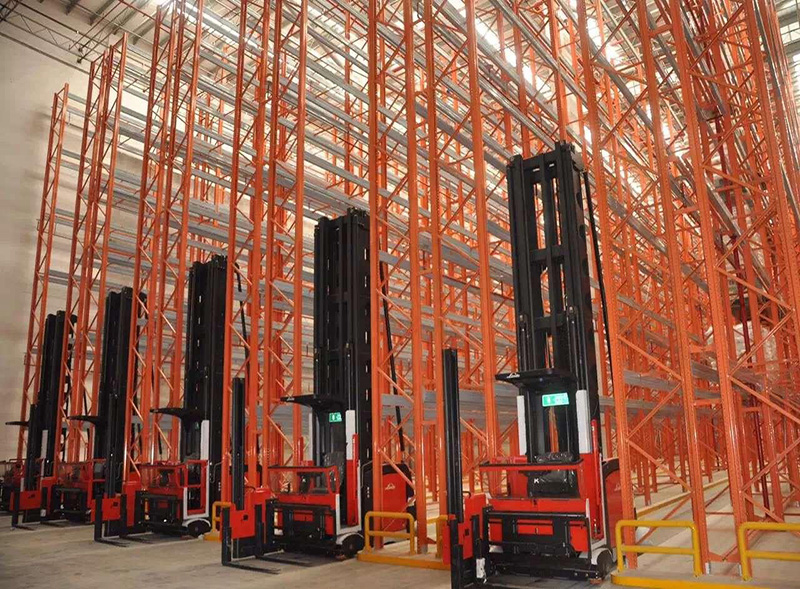
Future-Proofing with Diversified Architecture
The logistics industry is moving toward micro-fulfillment and same-day
delivery, which demand agile storage infrastructures. A static rack system
quickly becomes a liability. By contrast, a thoughtfully engineered diversified rack provides the mechanical
adaptability to absorb product mix changes, automation upgrades, and even
building settlement over decades. The key lies in upfront planning—load surveys,
turnover analytics, and seismic hazard assessment—followed by modular
execution.
For operations managers and supply chain directors, the decision criteria
should extend beyond price per pallet position. Consider the total system
effectiveness: pick accuracy, maintenance accessibility, expansion readiness,
and safety compliance. When these factors are weighted, diversified racking
consistently outperforms monolithic alternatives. As one logistics engineer
aptly noted, “The best rack is the one you never have to replace.”
Frequently Asked Questions (FAQ)
Q1: What is the primary difference between a diversified rack and a
standard selective rack?
A1: A standard selective rack offers
single-deep, direct access to every pallet but sacrifices density (typically
30–40% space utilization). A diversified rack integrates multiple storage
types—e.g., double-deep, drive-in, carton flow, or cantilever—within the same
facility, tailoring each zone to SKU velocity and size. This hybrid approach
increases overall density by 15–30% while maintaining high selectivity for
fast-movers.
Q2: How do I determine the right mix of rack types for my
operation?
A2: Begin with an ABC analysis of your inventory:
classify SKUs by annual movement (units picked) and cubic volume. High-velocity,
medium-sized items suit double-deep or push-back; very fast, small items perform
best in carton flow; slow-moving, bulky items fit drive-in or cantilever. Also
consider your picking method—zone, wave, or batch—and equipment (reach trucks,
turret trucks, or shuttles). Engage a structural engineer to validate load
combinations for each zone.
Q3: Can a diversified rack be retrofitted into an existing building
with low clearance heights?
A3: Yes. Many diversified systems offer
low-profile footplates and adjustable beam heights that work under 6–8m
ceilings. For extremely low clearances, consider mezzanine-integrated shelving
above pallet racking, or use carton flow with inclined rollers that require
minimal vertical pitch. Always verify overhead sprinkler clearance and crane
hook paths before installation.
Q4: What are the maintenance intervals for a diversified rack
system?
A4: Per RMI and ANSI MH16.1 standards, visual inspections
should occur monthly (checking for damaged uprights, loose beam locks, and
shifted decking). A comprehensive engineering inspection—including torque
checks, plumbness measurements, and load tests on 10% of frames—is recommended
annually. High-usage zones (e.g., pick faces) may require semi-annual reviews.
Keep digital records of all inspections for liability and insurance
purposes.
Q5: How does a diversified rack impact fire sprinkler design and
insurance premiums?
A5: Different rack configurations affect
sprinkler obstruction criteria and water demand. For example, carton flow racks
with solid shelves require in-rack sprinklers, while selective racks may only
need ceiling-level ESFR heads. Insurance underwriters typically favor
diversified systems because they allow zoned hazard classification—reducing
overall risk and potentially lowering premiums by 5–12%. Always consult a fire
protection engineer during the design phase to ensure compliance with NFPA
13.
For engineering consultation and customized diversified rack layouts,
visit Guangshun for technical datasheets and project
case studies.