Running out of floor space is a universal sign of growth. But before you start looking at expensive new warehouses or retail units, look up. The empty air above your head is often the most underutilized asset in a building.
This is where mezzanine shelves come into play. They aren't just shelves; they are part of a transformative storage strategy. By adding a raised platform, or mezzanine level, you effectively create a second floor for storage, and the shelving on that level is what makes it functional.
Let's talk about how mezzanine shelving systems work, the different types available, and whether this high-level solution is right for your business.
What Are Mezzanine Shelves?
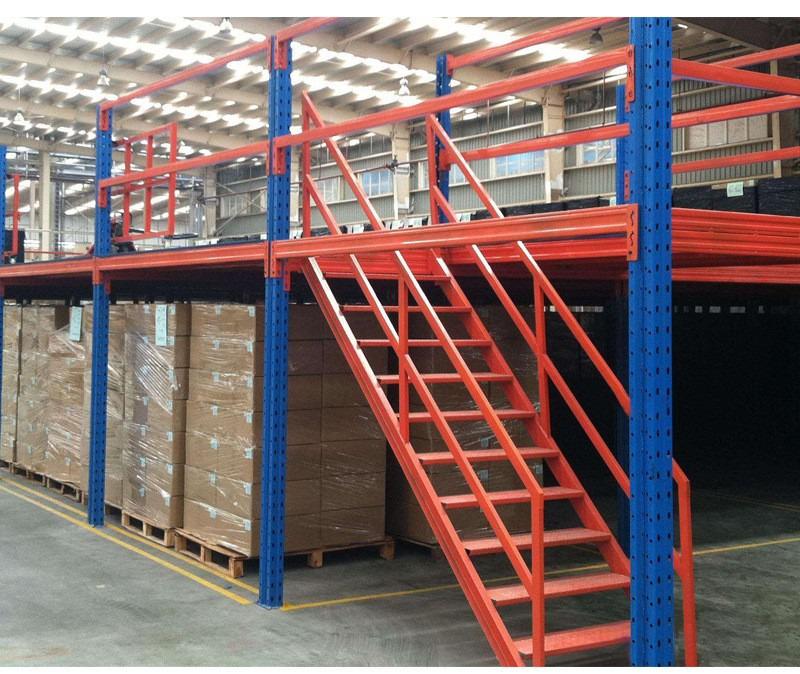
At its core, a mezzanine is a freestanding intermediate floor installed between the main floor and the ceiling of a building. Mezzanine shelves refer to the storage racking or shelving units that are installed on top of this elevated platform.
The concept is simple but powerful. You first build a strong, safe deck. Then, you outfit that new floor with the shelving you need—whether it's light-duty for boxes, medium-duty shelving for inventory, or even heavy-duty pallet racking.
The result is a highly organized, multi-level storage operation that maximizes your cubic volume, not just your square footage.
How Mezzanine Level Storage Works
The process involves two distinct but integrated components: the structure and the storage.
First, a structural steel mezzanine is designed and installed. This includes columns, beams, decking (often heavy-gauge steel or plywood over bar grating), stairs, gates, and safety railings. It is a permanent or semi-permanent structural addition.
Once the deck is secure and signed off, the storage system is installed on top. This is where you get to choose. The shelving on the mezzanine can be:
- Bolt-together steel shelving for bins and boxes.
- Pallet racking for bulk goods.
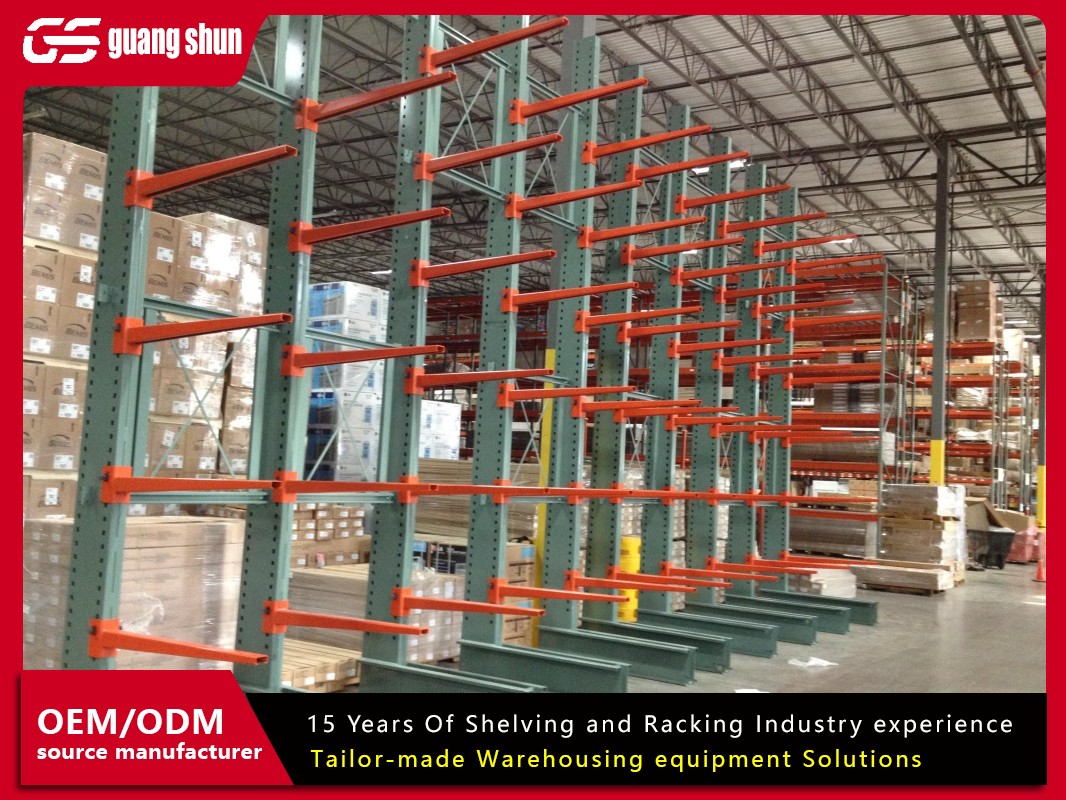
- Cantilever racks for long items.
- Even simple workbenches or packaging stations.
The mezzanine shelving system effectively turns empty vertical space into dense, accessible storage or workspace.
Common Types of Mezzanine Shelving Setups
Your choice of shelving depends entirely on what you plan to store up there.
- Shelving-Integrated Mezzanines: This is a very clean, efficient design. Here, the mezzanine shelves are not placed on the deck; they are the deck. The upright frames of heavy-duty shelving or pallet racking are extended vertically to support the mezzanine deck above. This creates storage underneath and on top of the platform in one unified structure. It’s a space-maximizing marvel.
- Freestanding Shelving on Deck: This is more modular. A standard structural mezzanine is built with a clear, open deck. Then, independent shelving units—like medium-duty shelves or archive units—are placed on top. This offers flexibility to rearrange the storage layout later.
- Multi-Tier Mezzanine Racking: For very high ceilings, you might see two or even three mezzanine levels stacked, each with its own layer of shelving. This is serious high-density storage for items with long-term, slow turnover.
The Tangible Benefits of Installing Mezzanine Shelves
Why go through the effort? The return on investment can be substantial.
- Creates New Space: This is the obvious one. You can often double your usable storage or workspace without increasing your building’s footprint. It’s the most cost-effective way to gain square footage.
- Improves Organization: Mezzanine level storage allows you to segregate inventory logically. Seasonal items, archived files, or slow-moving stock can go upstairs, freeing up prime ground-floor space for fast-moving goods or production.
- Increases Efficiency: A well-designed mezzanine with appropriate shelving brings items to a more ergonomic picking height and can streamline workflow. Instead of one sprawling floor, you have condensed, vertical zones.
- Preserves Floor Space: By moving storage vertically, you clear valuable floor space for other critical operations like manufacturing, assembly, packing, or customer areas in a retail backroom.
- Scalable and Flexible: Mezzanines can often be expanded, reconfigured, or even relocated. The shelving systems on top can be changed as your needs evolve.
Key Considerations Before You Build
Installing mezzanine shelves is a significant project. Careful planning is essential.
- Ceiling Height & Clearance: You need ample vertical space. Consider the height of the mezzanine deck itself (often 10-14 feet high), plus headroom above and below. Local building codes typically require a minimum of 7.5 to 8 feet of clear headroom beneath the structure.
- Building Codes and Permits: A structural mezzanine is governed by building codes. You will almost certainly need a permit. Engineering stamps are required to ensure the design supports the intended live load (weight of stored goods, people, equipment).
- Load Capacity: This is critical. You must calculate the total dead load (weight of the structure and shelving) and live load (the inventory and personnel). This dictates the strength of the steel columns, beams, and decking. Don’t guess; get an engineer.
- Access and Safety: How will people and goods get up and down? Staircases are standard. For pallets, you may need a forklift-accessible conveyor or a large material lift. Safety railings, toe kicks, and access gates are non-negotiable for any mezzanine shelving area.
- Utilities: Think about lighting, fire sprinklers, and electrical outlets on the mezzanine level. It’s much easier to plan for these during installation than to add them later.
The Installation Process: What to Expect
While every project is different, a typical installation follows a logical sequence.
- Design & Planning: This is the most important phase. A supplier will assess your space, discuss needs, and create CAD drawings. Engineers will calculate loads and finalize plans for permitting.
- Site Preparation: The area is cleared. The floor is inspected to ensure it can support the new point loads from the mezzanine columns.
- Primary Structure Installation: The steel columns are positioned and secured. Main support beams are connected to create the framework.
- Decking and Safety Features: The decking material is installed. Staircases, railings, and gates are added.
- Shelving Installation: Finally, the mezzanine shelving systems are assembled and secured on the new deck, according to your layout plan.
- Final Inspection: The completed structure and storage system are inspected to ensure everything meets code and design specifications.
Q1: Do I need a building permit for mezzanine shelves?
A1: In almost all cases, yes. Because a structural mezzanine is a permanent building modification that affects load paths and safety, a building permit is required. Your supplier should help guide you through this process, providing the necessary engineered drawings.
Q2: How much weight can a mezzanine with shelves hold?
A2: The capacity varies by design. Light-duty office mezzanines might hold 75-100 lbs per square foot. Industrial mezzanine shelving platforms are often built for 150-250+ lbs per square foot. The exact capacity is determined by a structural engineer based on your specific storage plans and the shelving load.
Q3: What is the minimum ceiling height for a mezzanine?
A3: As a practical rule, your existing clear ceiling height should be at least 15 feet to consider a single-tier mezzanine. This allows for a comfortable deck height (e.g., 10-12 ft), sufficient headroom below (8 ft), and space for the structure and utilities above.
Q4: Can I install a mezzanine if I lease my warehouse space?
A4: It is possible, but you must obtain written permission from your landlord. Because it is a structural addition, they will need to approve the plans. Often, lease agreements specify that such improvements become the property of the landlord at the end of the lease, so this is an important financial consideration.
Q5: Are mezzanine shelves a DIY project?
A5: Absolutely not. The design, engineering, and installation of a structural mezzanine and its shelving systems require professional expertise. Errors in load calculation or assembly can lead to catastrophic failure. This is a job for qualified engineers and experienced installation crews.