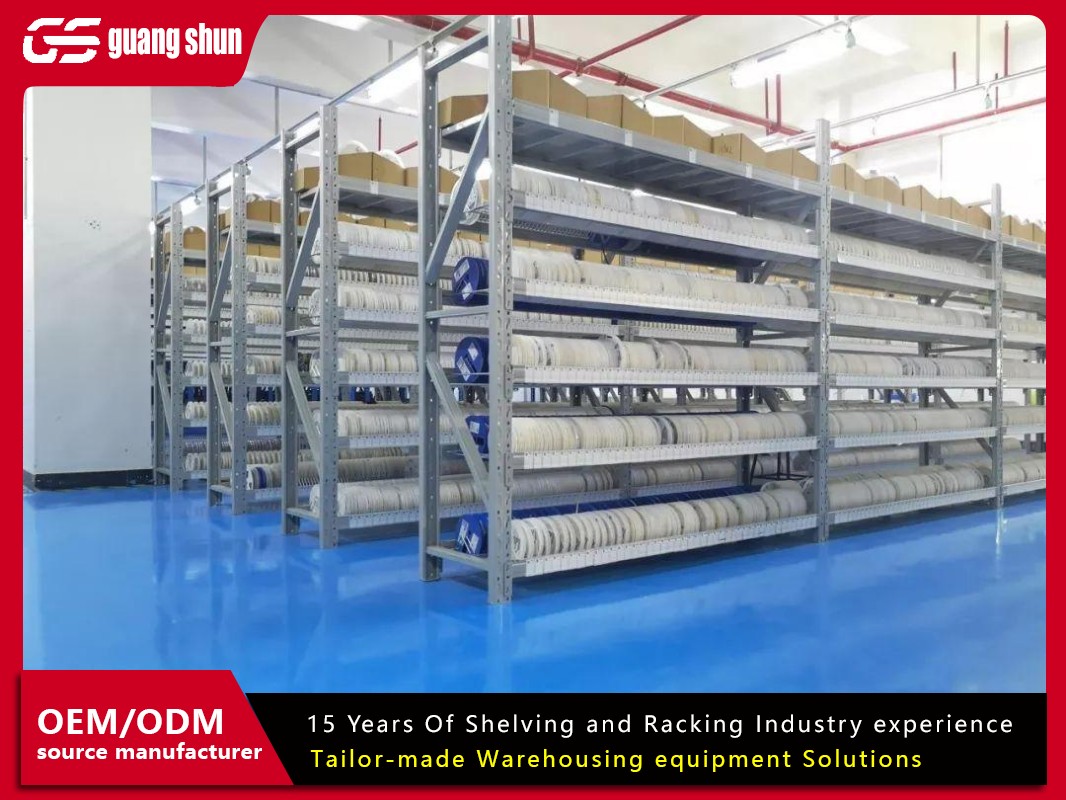
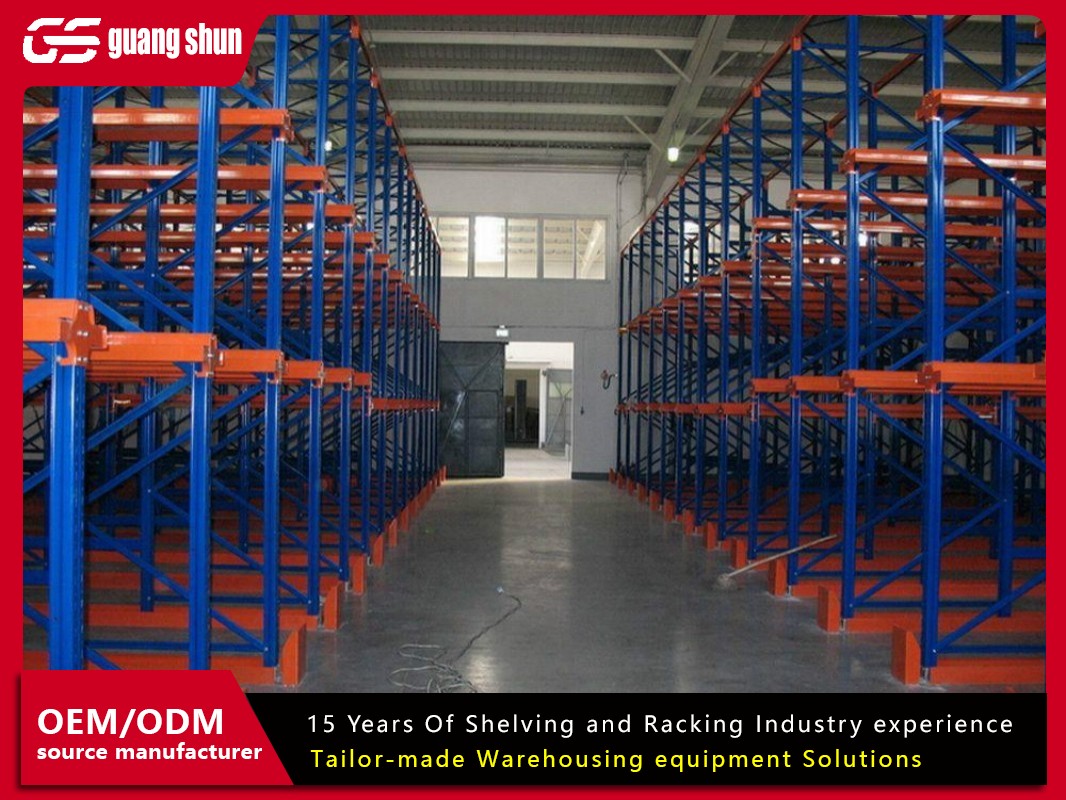
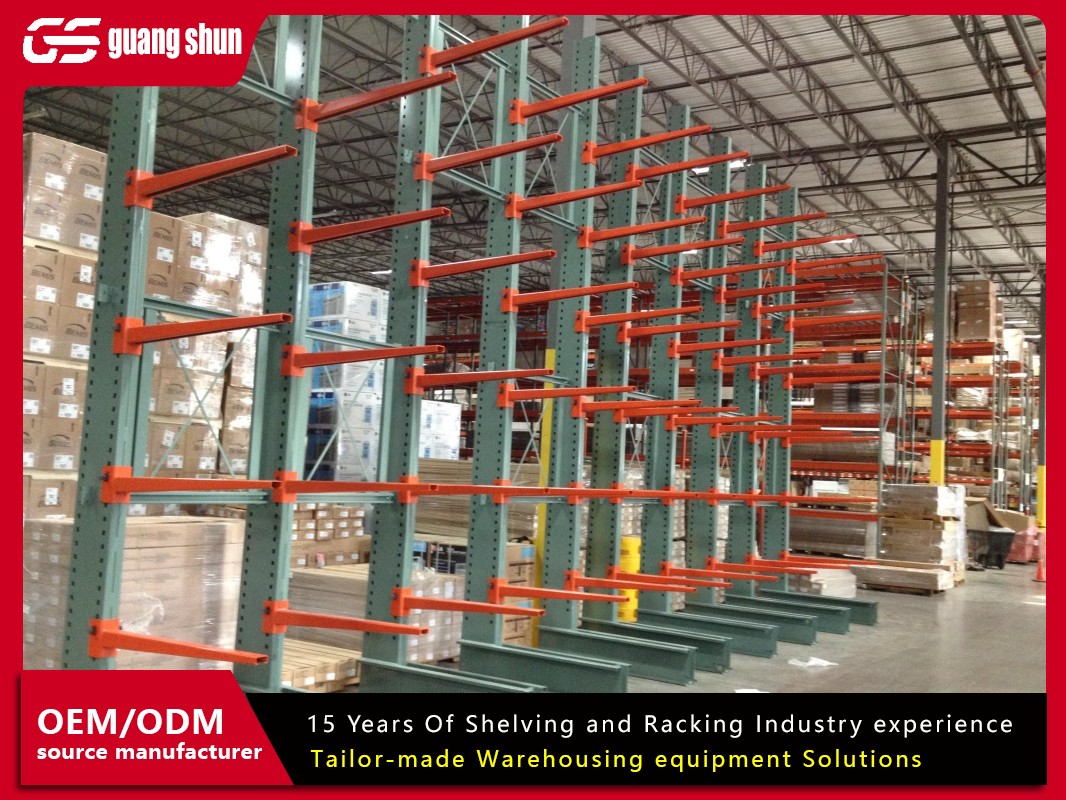
Walk into almost any organized garage, stockroom, or small business back office. Look past the heavy-duty pallet racking and the light-duty plastic units. What you'll often find holding everything together is a set of reliable medium shelves.
This category of storage is the unsung hero of organization. It's the workhorse that fills the gap between flimsy shelving and industrial-strength systems. If you're trying to solve a storage puzzle, understanding where medium duty shelving fits could be your answer.
What Exactly Are Medium Shelves?
Let's start by defining our terms. "Medium shelves" or medium duty shelving refers to freestanding storage units designed to handle moderate to substantial weight loads per shelf, typically in the range of 150 pounds to 1,000 pounds.
They are distinct from light-duty, clip-together shelving you might use in a pantry (often under 100 lbs/shelf) and from heavy-duty, bolt-together pallet racking (designed for 1,000+ lbs).
The defining characteristic of medium capacity shelves is their versatility. They are built to be strong, often from steel, but are not overly specialized. You'll commonly see them in two forms: sturdy bolt-together steel shelving and robust epoxy-coated wire shelving.
Where Do Medium Shelves Shine? Applications and Uses
The true value of medium shelves is in their wide range of applications. They are the default choice for countless scenarios.
- Auto Shops and Garages: Perfect for organizing motor oil, cleaning supplies, tools, and automotive fluids. The open design allows for easy visibility and airflow.
- Retail Stockrooms: Ideal for holding boxed merchandise, backup inventory, and promotional materials before they hit the sales floor.
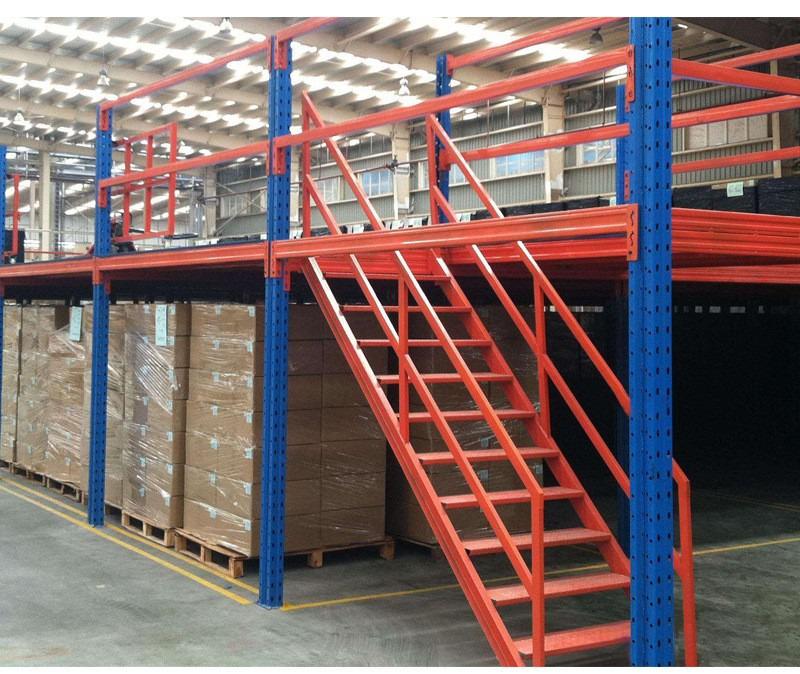
- Warehouse Mezzanine Under-Storage: Utilizing the space beneath a raised platform is a classic use for medium duty racking.
- Archives and File Storage: When bankers boxes or storage totes are the standard, medium capacity shelves provide the perfect support without being overbuilt.
- Small Business Inventory: From HVAC parts and electrical supplies to plumbing fittings and paint cans, these shelves keep industrial components sorted and accessible.
- Breweries and Restaurants: Storing canned goods, dry food, kegs, and cleaning chemicals in the back of house.
Key Benefits of Choosing a Medium Duty System
Why opt for this middle-ground solution? The advantages are practical and financial.
- Optimal Strength-to-Cost Ratio: You get significant load capacity without paying for the extreme strength of pallet racking. For most non-palletized goods, medium duty shelving offers the best value.
- Easy Accessibility: Unlike deep drive-in systems, these units are designed for selective access. Every item is visible and within reach from an aisle, which speeds up picking and put-away.
- Simple Assembly and Reconfiguration: Most systems bolt together without specialized tools. Shelf heights are typically adjustable on 1-inch or 2-inch increments, allowing you to customize as your needs change.
- Durability: Made from powder-coated or epoxy-coated steel, they resist corrosion, dents, and wear, lasting for decades in demanding environments.
- Space Efficiency: Their vertical design makes excellent use of cube space, getting items off the floor and organizing your area effectively.
Critical Factors When Selecting Your Medium Shelves
Not all medium shelves are created equal. Before you buy, consider these points to get the right fit.
- Load Capacity: This is the most important spec. Look for both per-shelf and total unit ratings. Remember to factor in the weight of the shelf itself. Always choose a capacity with a safety margin above your heaviest expected load.
- Dimensions and Adjustability: Measure your available space carefully—width, depth, and, crucially, height. Check the adjustability range. Can the shelves be placed low enough for heavy items and high enough for tall ones?
- Material and Finish: Steel is standard. A good powder coat or epoxy finish is essential for moisture resistance, especially in garages or basements. Wire shelves offer superior ventilation and dust control; solid steel shelves provide a stable surface for small items.
- Assembly and Stability: Bolt-together systems are inherently more stable than clip-together ones. Look for features like diagonal braces, sturdy rear cross-braces, and the option to anchor the unit to the wall for ultimate safety.
- Accessories: Think about add-ons like shelf lips (to prevent boxes from sliding off), dividers, bin boxes, or label holders. These can greatly enhance the functionality of your medium duty storage.
A Quick Comparison: Medium Shelves vs. Other Types
It helps to see where medium capacity shelves sit in the broader storage landscape.
- vs. Light-Duty Shelving: Light-duty units are for lightweight, occasional-use items (books, decor, pantry goods). Medium shelves are for daily-use, heavier commercial/industrial items. They are structurally more robust.
- vs. Heavy-Duty Pallet Racking: Pallet racking is for storing full pallets via forklift. Medium duty shelving is for hand-loaded, broken-case goods. It's more accessible at ground level and doesn't require heavy equipment.
- vs. Wire Shelving: This is often a subset. Many medium shelves are wire shelving. The open wire design is a feature that promotes air flow and light penetration, making it a popular choice within the medium-duty category.
Installation Tips and Safety Best Practices
Getting your shelves set up correctly is non-negotiable for safety and performance.
Always assemble the unit on a flat, level surface. Start by attaching the uprights to the base frame, then add the braces. Install shelves from the bottom up, ensuring all bolts are tightened securely.
The single most important safety step is to anchor the unit to the wall. Even a seemingly stable shelf can become top-heavy and tip if a lower shelf is emptied or if someone climbs on it. Use appropriate wall anchors for your wall type (stud, concrete, etc.).
Load your shelves properly. Place the heaviest items on the lower shelves. Distribute weight evenly across each shelf and from side to side. Never exceed the manufacturer's stated load capacity.
Maintaining Your Investment
Medium duty shelving is low-maintenance, but not no-maintenance. Periodically check that all bolts and connectors are tight. Wipe down shelves to prevent dust and grime buildup, which can degrade finishes over time.
If you reconfigure shelves, ensure the shelf clips or bolts are fully engaged. Inspect for any signs of rust, especially at joints or where the finish has been scratched, and touch up with paint if needed.
Q1: What is a typical weight capacity for medium shelves?
A1: Capacity varies, but a common range for medium duty shelving is between 300 and 800 pounds per shelf. Always check the manufacturer's specifications for the exact rating of the model you choose, and remember to factor in the shelf's own weight.
Q2: Can medium shelves be used in a garage?
A2: Absolutely. Garages are one of the most popular locations for medium capacity shelves. They are perfect for storing tools, paint, automotive fluids, and sports equipment. Ensure the model you select has a corrosion-resistant finish to handle temperature and humidity changes.
Q3: Are bolt-together shelves better than clip-together ones?
A3: For true medium duty storage, bolt-together systems are almost always superior. They provide a more rigid, stable, and secure connection, which is essential for handling heavier loads safely over time.
Q4: How tall can medium shelving units be?
A4: Freestanding medium shelves often come in heights ranging from 3 feet to over 7 feet. Very tall units (over 6 feet) should always be anchored to the wall to prevent tipping. For ceiling-height storage, you would typically look at built-in or specialized warehouse systems.
Q5: What's the main advantage of wire shelves versus solid steel shelves?
A5: Wire medium shelves offer excellent ventilation and light penetration, making them ideal for items that need air flow or in areas where you want to see dust accumulation. Solid shelves provide a continuous surface, better for storing very small items that could fall through wire grids. The choice depends on what you're storing.