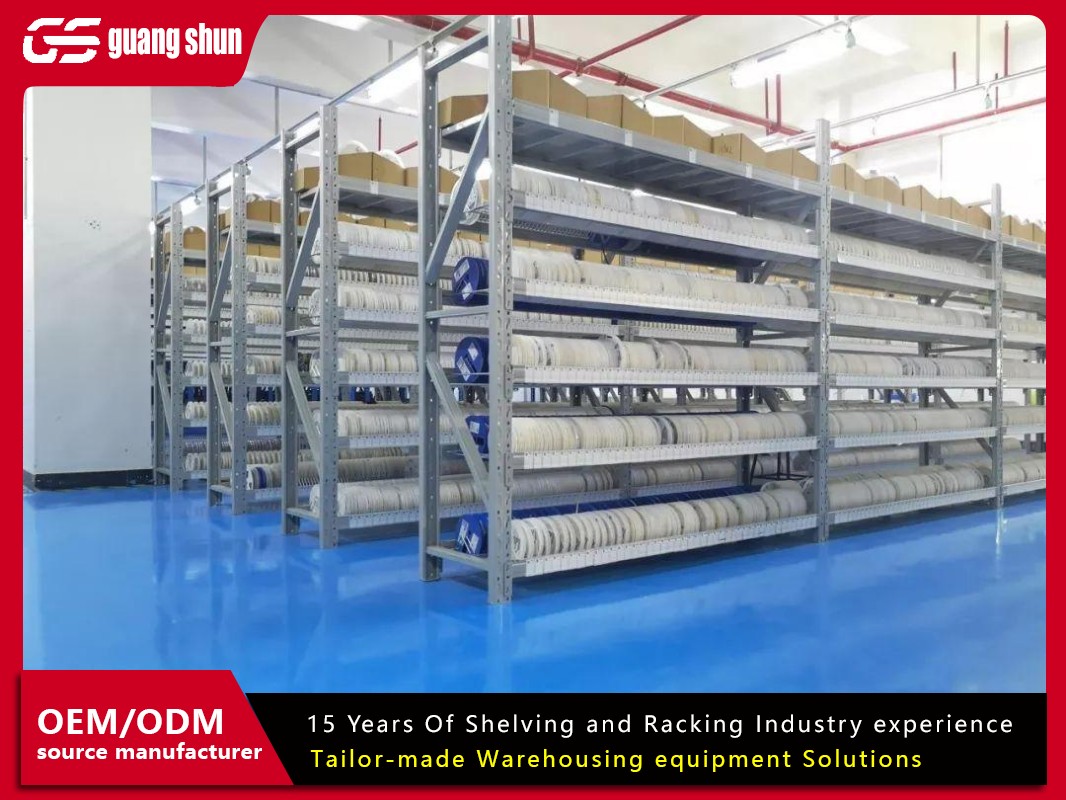
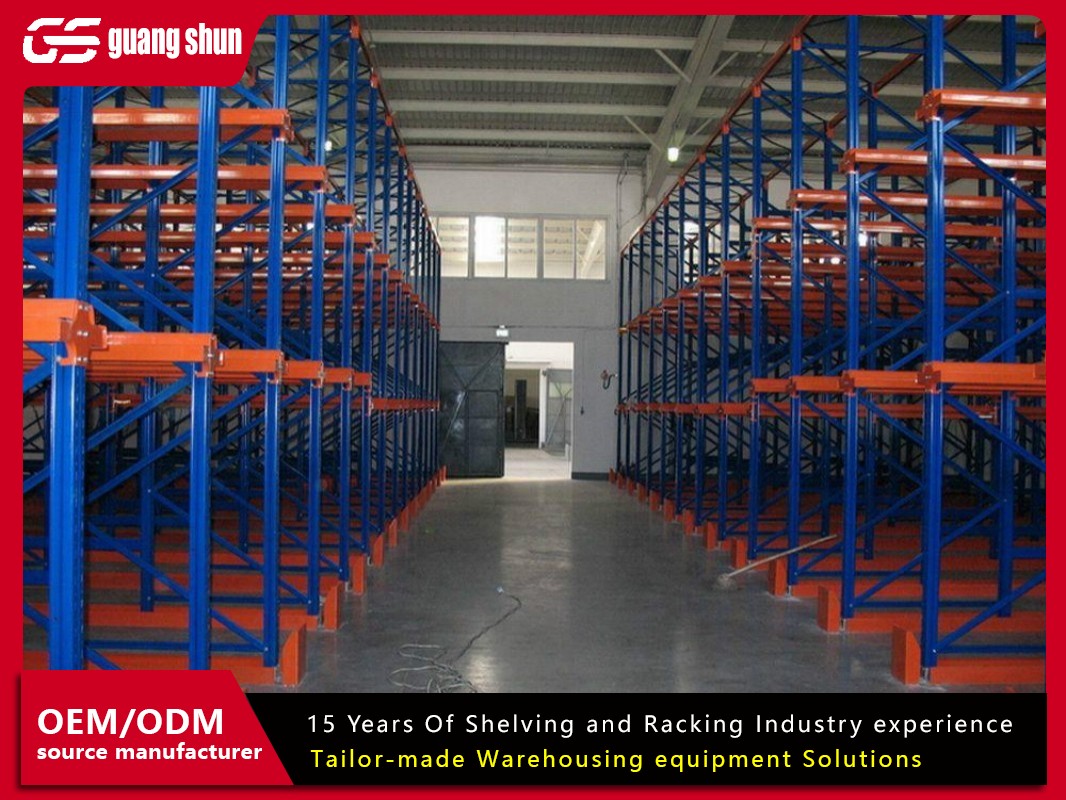
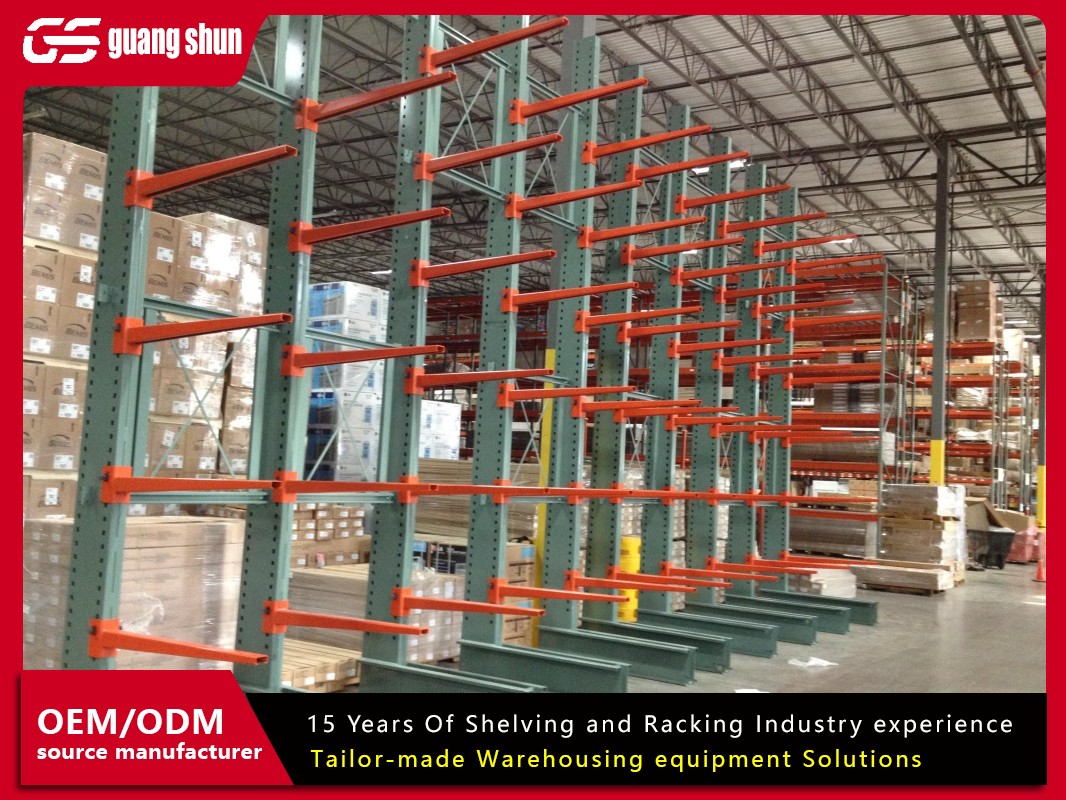
Storage is a constant battle. You have inventory coming in, tools piling up, or archive boxes that need a home. You look at the options and feel stuck. On one hand, you have cheap plastic units from the hardware store that wobble if you look at them wrong. On the other hand, you have massive industrial pallet racking designed for forklifts.
What happens when you need something in between? You need strength, but you don't need to store a tank. You need accessibility, but you want stability. This is exactly where medium duty shelving shines.
It is the workhorse of the storage world. It bridges the gap between light residential shelves and heavy industrial systems. For most businesses and serious home organizers, medium duty shelving is the correct answer. In this article, we will look at why this system is so popular, how to select it, and how to set it up for success.
Defining Medium Duty Shelving
So, what technically counts as medium duty shelving? It is not just a marketing term; it refers to the weight capacity. Generally, these systems are designed to hold between 300 lbs (150 kg) to 1000 lbs (500 kg) per shelf level.
Unlike heavy-duty pallet racking, medium duty shelving is designed for hand-loaded goods. You don't use a forklift to load these shelves. You walk up to them and pick a box.
The structure is usually made of rolled steel. It is rigid and durable. The design often mimics pallet racking but on a slimmer scale. This gives you industrial strength without the bulk that eats up your floor space.
The "Goldilocks" of Storage Systems
The reason medium duty shelving is so widely used is that it fits almost everywhere. It is the "just right" solution.
If you run an e-commerce business, your products might be too heavy for standard book shelves but too small for pallets. Medium duty shelving handles this perfectly. It provides a solid platform for picking and packing operations.
It is also modular. You can start with one bay. As your business grows, you can add extension bays. The system grows with you. This scalability makes medium duty shelving a low-risk investment for startups and growing workshops.
Ideal Applications in Retail Stockrooms
Retail space is expensive. You need to maximize every square inch of your backroom. Medium duty shelving is the standard choice here.
Think about a shoe store or an auto parts shop. They have thousands of SKUs. The items are relatively heavy and dense. Medium duty shelving allows staff to organize these items vertically.
Because the beams are adjustable, stockroom managers can configure the shelves to fit specific box sizes. You can have a tight gap for small items and a large gap for bulky goods on the same medium duty shelving unit. This density is crucial for keeping the sales floor replenished.
Garage and Workshop Organization
Homeowners are discovering the benefits of industrial-grade storage. A standard garage shelf often fails after a few years. The particle board sags, or the plastic legs crack.
Medium duty shelving brings warehouse reliability to your garage. It is perfect for storing winter tires, heavy power tools, kegs of paint, and camping gear.
A single bay of medium duty shelving can often hold everything that currently clutters a two-car garage floor. By going vertical, you reclaim your parking space. Plus, the steel construction handles the temperature fluctuations of a garage much better than wood or plastic.
The Anatomy of a Medium Duty Unit
To buy the right system, you need to know the parts. A medium duty shelving unit consists of three main components.
First, the uprights. These are the vertical legs. They have slots or holes punched into them to accept the beams.
Second, the beams. These are the horizontal bars that connect the uprights. The profile of the beam determines the weight capacity of your medium duty shelving.
Third, the decking. This is the surface you actually place items on. It sits inside or on top of the beams. Understanding these three parts helps you assemble and maintain your system.
Decking Options: Wood vs. Steel vs. Wire
The versatility of medium duty shelving comes from the decking choices.
Chipboard or Particle Board: This is the most common and affordable option. It is strong and sits flush with the beams. It is great for dry environments and standard boxes. However, if your medium duty shelving is in a damp area, wood can swell.
Steel Panels: For oily environments or heavy point loads, steel panels are best. They are easy to wipe down and won't rot. Mechanics often prefer steel decking on their medium duty shelving.
Wire Mesh: This allows light and water to pass through. It reduces dust buildup. In many areas, fire codes require wire mesh on medium duty shelving so that overhead sprinklers can reach the lower levels during a fire.
Easy Installation: The Boltless Advantage
One of the biggest selling points of modern medium duty shelving is the assembly. Gone are the days of needing a bag of 100 nuts and bolts.
Most systems today use a "boltless" or "rivet" design. The beams have rivets that slide into keyhole slots on the uprights. You gravity-lock them in place.
To build a medium duty shelving bay, you usually only need a rubber mallet. You tap the beams down to secure them. This means you can set up a whole row of storage in an afternoon with minimal labor costs. If you need to move, dismantling the medium duty shelving is just as fast.
Longspan Shelving Variants
You will often hear the term "longspan" associated with medium duty shelving. This refers to units that have wide bays.
Standard shelves might be 3 feet wide. Longspan medium duty shelving can be 6 to 8 feet wide. This is excellent for storing long items like car bumpers, pipes, or rolls of fabric.
The lack of a center support post makes loading easier. You have a wide, unobstructed opening. If you store bulky, odd-shaped items, look specifically for longspan medium duty shelving.
Safety Considerations and Loading
Even though it is "medium" duty, safety is paramount. Overloading is the most common cause of failure.
You must respect the Uniformly Distributed Load (UDL) rating. This means the weight should be spread out across the whole shelf. Do not put a heavy engine block right in the middle of a medium duty shelving level. It will bow the beams.
Also, consider stability. While medium duty shelving is freestanding, it is safer to anchor it. If the unit is tall and narrow, bolt the feet to the floor or tie the top to the wall. This prevents tipping if someone climbs on it (which they never should).
Organizing for Efficiency
Buying the medium duty shelving is step one. Organizing it is step two.
Place your heaviest items on the bottom shelf. This keeps the center of gravity low. It makes the medium duty shelving unit more stable and safer to load.
Place your fast-moving inventory at waist height. This is the "golden zone" for ergonomics. Your back will thank you. Use the top shelves for lightweight, bulky items like empty boxes or seasonal decorations.
Label your medium duty shelving beams. Knowing where things go speeds up retrieval times significantly.
Durability and Maintenance
A quality medium duty shelving system is an investment that should last for decades. The steel is usually powder-coated. This finish resists scratches, rust, and chemical spills.
Maintenance is simple. Once a year, check the beams. Ensure they are still fully seated in the upright slots. Sometimes, if a shelf is bumped from below, a beam can pop up.
Check for bent uprights. If a forklift or heavy cart crashes into the leg of your medium duty shelving, it can compromise the structure. Replace damaged uprights immediately.
Cost-Effectiveness for Small Businesses
For a startup, cash flow is king. Pallet racking is expensive and requires a forklift. Medium duty shelving offers a high return on investment.
It is cheaper to manufacture and ship than heavy-duty systems. Because it is hand-loaded, you don't need expensive material handling equipment. You just need a step ladder.
Furthermore, the resale value of medium duty shelving is excellent. If you ever close shop or move to a facility that needs pallet racking, there is a robust market for used medium duty units.
How to Measure Your Space
Before you order, get the tape measure out.
Height: Measure your ceiling height. Leave at least 18 inches of clearance for sprinklers. Most medium duty shelving comes in heights from 6 feet to 10 feet.
Depth: This is critical. Deep shelves (like 36 inches) hold a lot, but you can lose items in the back. Shallow shelves (18 inches) are better for small parts. Match the depth of your medium duty shelving to the size of your boxes.
Width: Remember to account for the width of the uprights, not just the shelf. A "starter bay" is wider than an "extension bay" because it has two frames.
Comparing to Light Duty and Heavy Duty
Why not just buy the cheapest option? Light duty shelves (often plastic or thin metal) usually handle 50-100 lbs. They wobble. They are fine for a pantry, but in a warehouse, they will be destroyed in a month.
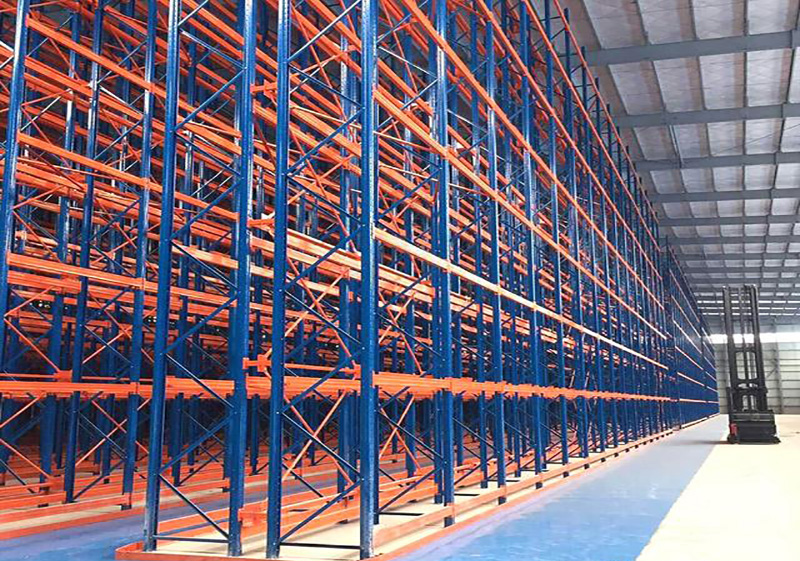
Why not buy heavy duty? Heavy duty pallet racking is overkill for boxes. The beams are thick and take up vertical space. Medium duty shelving uses slimmer beams, giving you more actual storage space for hand-loaded items.
Medium duty shelving sits in the sweet spot of price, performance, and space efficiency.
Whether you are organizing a chaotic archive room, setting up an e-commerce fulfillment center, or finally tackling the garage, medium duty shelving is likely the solution you need.
It offers the strength of industrial steel without the massive footprint of pallet racking. It is adjustable, durable, and easy to assemble. By choosing medium duty shelving, you are investing in a system that adapts to your needs.
Don't settle for flimsy shelves that will need replacing next year. Upgrade to a system that handles the weight and helps you work smarter.
Frequently Asked Questions (FAQ)
Q1: What is the typical weight capacity of medium duty shelving?
A1: While it varies by manufacturer and beam length, standard medium duty shelving generally supports between 300 lbs (around 150 kg) to 1000 lbs (around 500 kg) per shelf level. This rating assumes the weight is evenly distributed across the entire shelf surface.
Q2: Can I adjust the shelf heights after the unit is built?
A2: Yes, adjustability is a key feature. Most medium duty shelving systems allow you to move the beams up or down in small increments (usually every 1.5 or 2 inches). You typically just need a rubber mallet to tap the beam loose and reset it at the new desired height.
Q3: Do I need to bolt medium duty shelving to the floor?
A3: It is not always mandatory, but it is highly recommended for safety. Anchoring medium duty shelving to the floor prevents the unit from tipping over, especially if it is tall (over 6 feet) or if the depth is shallow. If you cannot bolt to the floor, securing the unit to a wall is a good alternative.
Q4: What is the difference between a starter bay and an extension bay?
A4: A starter bay is a standalone medium duty shelving unit with two upright frames. It can stand on its own. An extension (or add-on) bay has only one upright frame. It connects to the starter bay, sharing a common leg. Extension bays are cheaper but cannot stand alone.
Q5: Is medium duty shelving suitable for outdoor use?
A5: Standard medium duty shelving is usually powder-coated for indoor use. If exposed to rain or high humidity, the steel can rust and chipboard decks will swell. For outdoor storage, you must look for galvanized steel shelving which is specifically treated to resist weather and corrosion.